

More Than Half of Older Adults Already Know This

The numbers paint a clear picture of where things stand. Over half of adults aged 50 and older have a pet, with the most common choices being dogs, owned by roughly seven in ten pet owners, and cats, owned by about half. That’s not a niche lifestyle choice. It’s a mainstream one that a significant portion of retirees are already living.
Among pet owners aged 50 and older, a remarkable 83% say their pets give them a sense of purpose, while 71% say their pets help them enjoy life. Those aren’t small numbers, and they come from a nationally representative survey, not a self-selected group of animal enthusiasts.
The 2025 poll findings come from a nationally representative survey conducted by NORC at the University of Chicago for the University of Michigan’s Institute for Healthcare Policy and Innovation, administered to 2,698 respondents aged 50 to 95. The scale of that dataset gives the findings real weight.
Pets and the Quiet Fight Against Loneliness
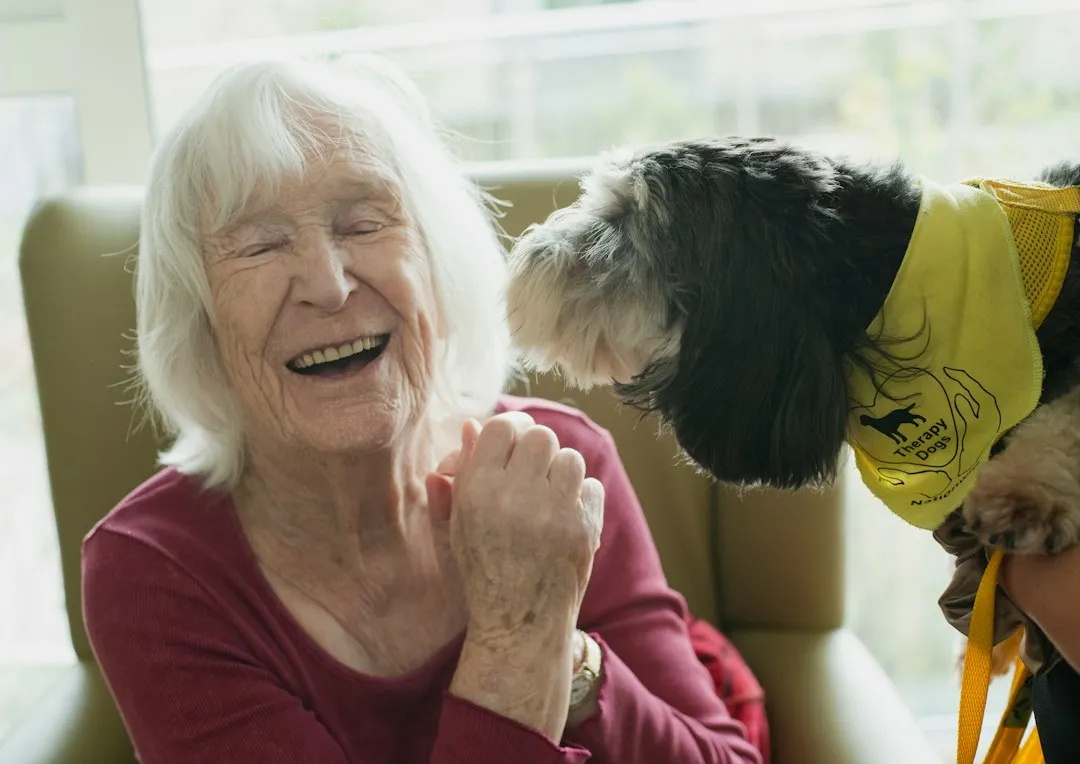
Seniors get lonely as they age, as grown children move away and partners and friends pass away. Pets serve as a buffer against that loneliness. That might sound obvious, but the research behind it is more specific than the cliché.
According to the Human Animal Bond Research Institute, 80% of pet owners say their pet makes them feel less lonely, and 54% say their pet helps them connect with other people. Connection isn’t just about the animal itself. Dog walks, vet waiting rooms, neighborhood conversations. A pet creates dozens of small social moments every week that a solitary retiree might otherwise miss entirely.
Research published in Aging and Mental Health found that dog ownership is a factor associated with a lower risk of perceived loneliness, particularly among women. For those living alone, the effect can be especially pronounced, not as a cure for isolation, but as a consistent, daily counterweight to it.
A Real Effect on Heart Health

A large meta-analysis reviewed by the American Heart Association found that dog owners had a 24% reduced risk of dying from any cause, a 31% reduced risk of dying from cardiovascular causes, and a 65% reduced risk of dying after a heart attack compared to non-owners. Those figures are striking enough to stop most people mid-scroll.
That benefit is even more pronounced for people living alone. A large Swedish cohort study found that heart attack survivors living alone with a dog had a 33% lower mortality risk, compared to 15% for those living with a partner or child. Stroke survivors living alone with a dog saw a 27% lower mortality risk, compared to 12% for those living with family.
Studies have shown that owning a pet can lead to lower blood pressure and reduced levels of stress hormones, ultimately contributing to improved cardiovascular health. The simple act of petting a dog or cat can trigger the release of endorphins, the body’s natural feel-good chemicals, promoting relaxation and overall well-being.
The Brain Health Connection Is Getting Harder to Ignore
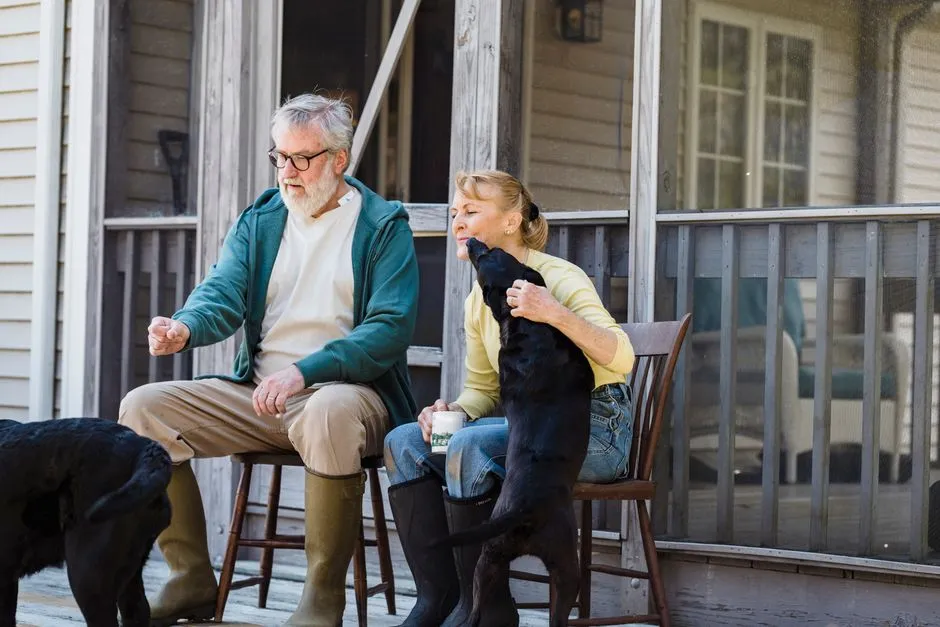
Owning a dog or cat may also help keep your brain sharp as you age, according to a study published in May 2025 in Scientific Reports. Researchers examined 18 years’ worth of data from 16,582 people aged 50 and older. That’s one of the longest and largest datasets applied to this question so far.
Results confirmed that pet ownership is associated with slower decline in both executive functioning and episodic memory. Dog and cat ownership specifically was associated with slower cognitive decline compared to no pet ownership, while bird and fish ownership showed no such association.
Among adults aged 50 or older who live alone, those with a pet were found to have less decline in verbal memory and verbal fluency than those without one, according to research published in JAMA Network Open based on data from 7,945 people in that age group. Verbal memory and fluency are often among the first things to slip in early cognitive decline, which makes this finding particularly relevant for retirees living solo.
Daily Structure: The Underrated Benefit

Ask any retiree what genuinely surprised them about leaving work, and unstructured time comes up repeatedly. Not in a grateful way. A day with no obligations sounds appealing until it becomes a week, then a month. Pets impose a quiet order on that open calendar.
In the 2025 University of Michigan poll, 44% of older pet owners said having a pet helps them stick to a routine. That might not sound glamorous, but routine is one of the most protective forces in aging well. It anchors sleep, appetite, and mood in ways that genuinely compound over time.
Caring for a pet can provide a sense of purpose and routine, particularly for seniors who may be living alone or facing feelings of loneliness and isolation. Purpose and structure together form a kind of daily scaffolding, and for many retirees, a pet provides both without requiring any planning at all.
Physical Activity Gets a Natural Boost
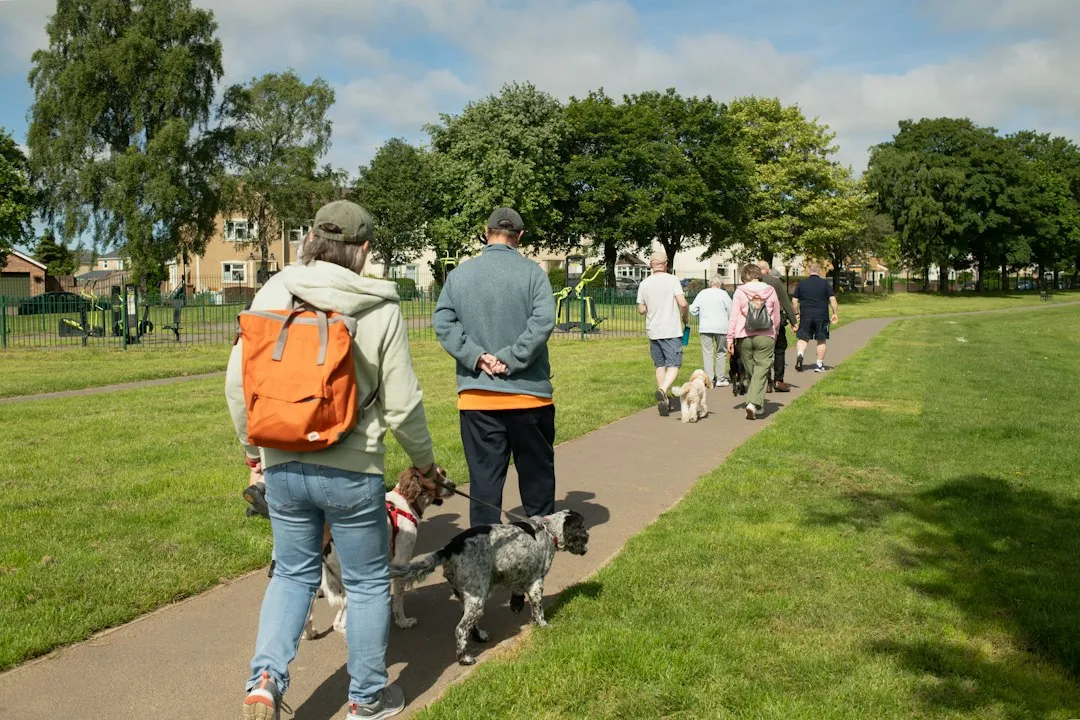
The University of Michigan poll showed that nearly two thirds of pet owners said having a pet encourages physical activity. Walking the dog really does count for regular, moderate exercise, which helps reduce obesity and increase overall health. It’s exercise that doesn’t feel like exercise, which may be exactly why it actually happens.
Whether it’s taking a leisurely stroll with a dog or engaging in playtime with a cat, pets provide opportunities for exercise and movement that can help seniors maintain mobility and reduce the risk of health issues such as obesity and heart disease. Even a modest increase in physical activity can help improve a senior’s cardiovascular health, strengthen muscles, and boost agility.
The benefit here isn’t just the walk itself. Regular movement in retirement is linked to lower rates of joint stiffness, better sleep, and improved mood. A dog on a leash makes that movement feel obligatory rather than optional, which turns out to matter more than most people expect.
Mental Health: A Careful Look at the Evidence

The case for pets improving mental health is real, but it’s worth reading with some nuance. A 2025 cross-sectional study found that pet owners showed lower depression symptoms compared to non-owners, indicating a meaningful, if modest, effect. The effect size was small rather than dramatic, which is actually what careful research on lifestyle factors tends to show.
Results from a study of over 600 adults aged 70 to 95 indicated that pet owners endorsed significantly fewer symptoms of anxiety and depression than non-pet owners, and owning a pet explained a significant amount of variance in anxiety symptoms even after controlling for depression, self-reported health, and demographics.
A study analyzing data from the Health and Retirement Study found that pets can offer social support in the event of major loss, and that pet ownership significantly minimized the depressive effects of a social loss when compared to non-pet owners in middle-aged and older adults. For retirees navigating grief, that’s worth knowing.
The Honest Costs and Challenges
The benefits are real, but so is the financial reality. The cost of feeding and caring for pets can be considerable, especially as animals age and require their own medical attention. The 2025 National Poll on Healthy Aging found that nearly a third of pet owners aged 50 and above said owning a pet puts a strain on their budgets.
That financial strain was especially true for women, those making $60,000 or less in household income, and those reporting fair or poor health. These are exactly the demographics that might otherwise benefit most from pet ownership, which creates a real tension that shouldn’t be papered over with enthusiasm.
Living with animals can also have negative effects, including an increased risk of falls, allergies, transmission of diseases, psychological dependency, and excessive grief responses after pet bereavement. None of these make the decision wrong, but they make it worth thinking through honestly rather than sentimentally.
Choosing the Right Pet for This Stage of Life
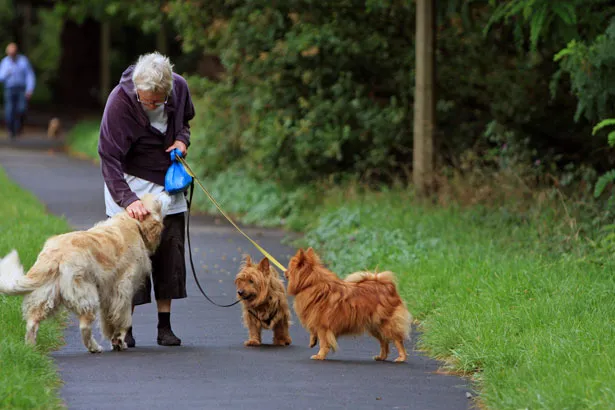
Caring for a dog may be too much for some people at an advanced age, and perhaps a cat does not suit every personality. Experts say that having a pet is good for health, both physical and mental, so even a few fish or a bird might be enough to keep someone company and active. The key is matching the animal to the person’s actual energy level and living situation, not to an idealized version of retirement.
Older rescue dogs and older cats are often overlooked at shelters, yet they tend to be calmer, already trained, and genuinely well-suited to a quieter household pace. They’re also an easier adjustment than puppies or kittens for someone managing health limitations. Many retirees who adopt an older animal report it as one of their better decisions precisely because of how well the temperaments matched.
The health impact of exposure to animals may depend on many variables such as the type of animal, the context, and the characteristics and duration of the human-animal interaction. Which is another way of saying: the right pet looks different for everyone, and that choice matters as much as the decision to get one at all.
What Retirees Who Got Pets Early Actually Say
In the most recent national aging poll, 83% of pet owners aged 50 and older said their pets give them a sense of purpose, and 70% said their pets help them connect with others. Purpose and connection are arguably the two things retirement most commonly erodes, and the fact that a pet addresses both simultaneously is part of why this decision keeps coming up in conversations about healthy aging.
There’s also a brain health case worth knowing. A study from the Baltimore Longitudinal Study of Aging, tracking over 600 community-dwelling older adults across one to thirteen years, found that pet owners showed significantly slower decline in memory, executive function, and processing speed compared to non-owners. That kind of longitudinal data carries more weight than a single snapshot study.
The retirees who say they wish they’d done it sooner aren’t usually talking about missing the unconditional love part, though that’s real too. They’re talking about structure, movement, and the small but consistent sense that something actually needs them every day. It turns out that’s harder to manufacture than it sounds, and easier to find than most people think.
The Takeaway

The research on pets and aging has grown steadily more rigorous over the past several years, and the picture it draws is genuinely encouraging without being overstated. Dogs and cats appear to support slower cognitive decline, lower cardiovascular risk, reduced loneliness, and better daily structure. The effects are rarely dramatic in any single study, but they’re consistent across multiple large datasets and different research designs.
The decision isn’t right for everyone. Health limitations, housing restrictions, budget constraints, and travel plans all matter and deserve honest consideration before adopting any animal. As the University of Michigan researchers noted, some of the people who could potentially get the most benefit from having a pet may also be the ones who face cost-related challenges to pet ownership. That gap deserves attention, not dismissal.
Still, for the retirees in good enough health and steady enough circumstances to make it work, the evidence keeps pointing in the same direction. A pet won’t replace a social life, a health plan, or financial security. What it will do, reliably and without much effort on anyone’s part, is make the days feel more inhabited. That may be simpler than people expect, and more valuable than they realize until they have one.
AI Disclaimer: This article was created with the assistance of AI tools and reviewed by a human editor.