
Why Dogs Are Drawn to Sticks in the First Place

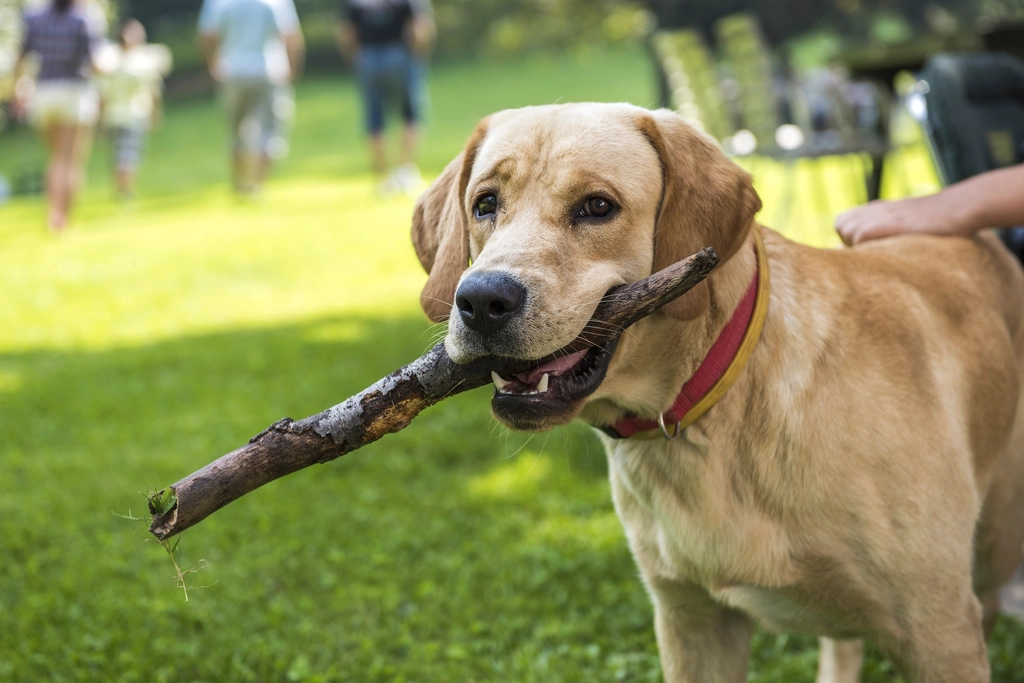
Dogs like sticks because they appeal to their senses. The texture, smell, taste, and stress relief from chewing all combine to make sticks an all-around draw for dogs. It’s not random or mischievous behavior. It’s deeply wired.
Dogs chew on sticks because sticks are everywhere, shaped for carrying, smell like the outdoors, and offer satisfying texture and feedback when teeth compress and fibers crackle. That sensory reward is genuinely hard for a dog to resist.
Wood smells interesting, feels exciting, and is almost everywhere. For a dog navigating the world primarily through scent and touch, a stick is essentially a natural toy that practically offers itself up.
The Mouth Is the First Casualty

The most immediate risk of chewing sticks is damage to your dog’s mouth. Wood splinters easily, and those fragments cause a surprising range of injuries. Small splinters embed in the tongue, gums, and the soft tissue at the back of the throat.
Larger pieces can lodge between the upper teeth and the roof of the mouth, or even puncture the hard palate directly. These injuries sometimes require surgery.
Splinters can puncture gums and trap bacteria, turning a good thing into an abscess risk. What starts as minor irritation can escalate quickly when bacteria enter damaged tissue.
Sticks Lodged Across the Palate: A Surprisingly Common ER Visit

There are three common manifestations of oral lesions created by dogs chewing on sticks. One of the most frequent involves a twig becoming wedged across the roof of the mouth.
Dogs in this situation often present with excessive pawing at the mouth, abnormal facial contortions, and lip licking. Some dogs paw frantically at their face and open their mouths very wide. Owners frequently mistake this for something neurological before realizing a stick is the culprit.
In some cases where the stick is lodged for days or weeks, severe erosion of the palatal mucosa can occur, and the attachment structures of the teeth may be irreversibly affected. Speed of diagnosis genuinely matters here.
Swallowed Pieces and the Gastrointestinal Risk
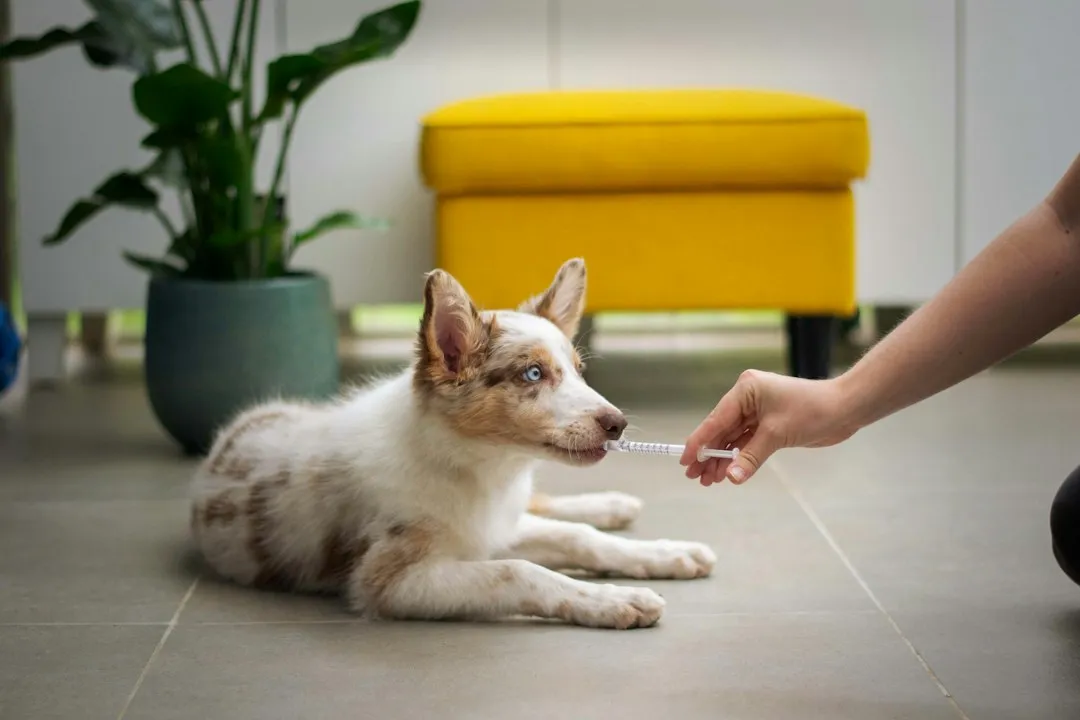
Swallowed wood poses a serious risk further down the digestive tract. Unlike smooth objects that may pass through on their own, wood fragments are jagged and rigid. They can scrape or puncture the lining of the stomach or intestines, and larger pieces can create a full blockage.
A bowel obstruction can be especially dangerous, as broken sticks can be sharp and may pierce the gut, causing a bowel perforation. This is a life-threatening emergency that often requires immediate surgical intervention.
If swallowed, large pieces of the stick can cause intestinal blockages that may require emergency surgery to remove. These procedures carry real risk, and recovery is rarely straightforward.
Penetrating Wounds: When a Stick Causes Deeper Trauma
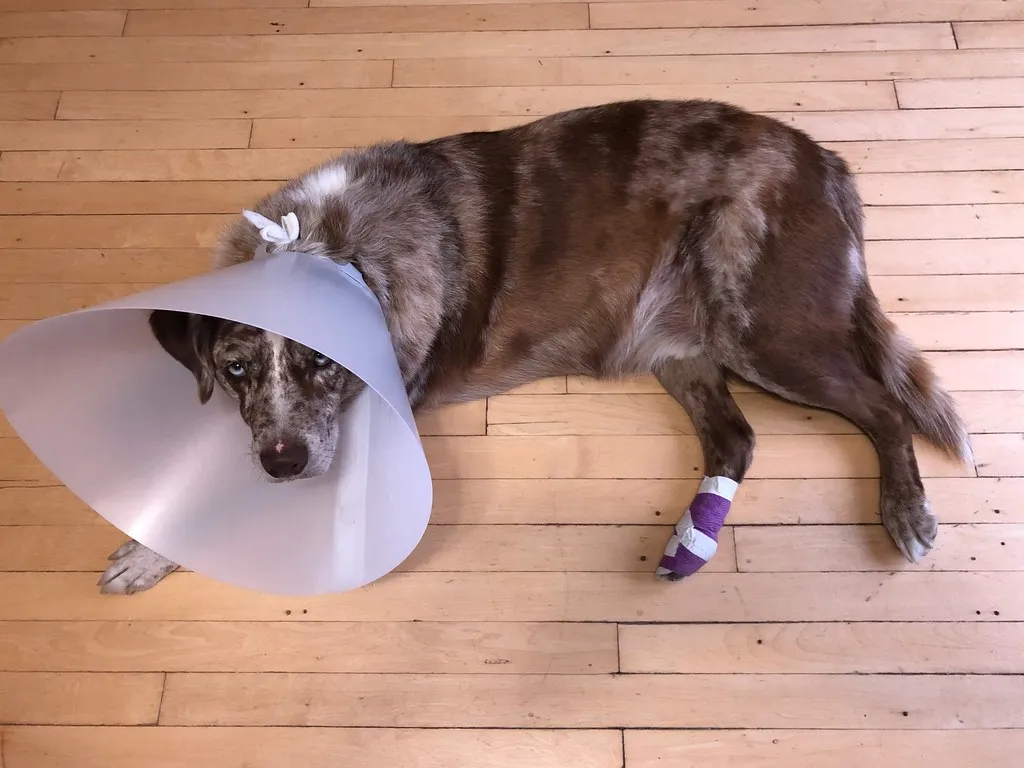
While sticks may seem like a free and readily available toy, they can be a quick way to end a dog’s good time. They often lead to distressing and devastating puncture wounds of the mouth, eyes, abdomen, and even the heart.
Stick penetration in the mouth can wreak havoc with many important structures, including the tongue, laryngeal and pharyngeal tissues, palate, teeth, esophagus, and trachea. These traumas can also cause damage to the nerves and blood vessels within a dog’s neck.
Some injuries sustained from stick trauma can cause life-threatening internal damage, including damage to the blood vessels in the mouth or neck, which may result in significant blood loss. Other life-threatening injuries involve damage to the food pipe, which may cause leakage of food into the surrounding tissues of the neck or chest.
Dental Fractures Are More Common Than Owners Realize

Traumatic dental fractures are very common in veterinary practice. Reported prevalence is up to roughly a quarter of cases and may be caused by chewing on hard objects such as bones or hard chews. Sticks fall into this category more often than owners expect.
Chewing on sticks can also cause long-term damage to a dog’s teeth and gums. Over time, the repeated gnawing can wear down tooth enamel, leading to painful fractures or exposing the sensitive pulp inside the tooth.
A fractured tooth is not just painful. Left untreated, it becomes a site of chronic infection and can affect a dog’s ability to eat normally for the rest of its life.
The Hidden Toxicity Risk From Certain Tree Species

Wood from walnut, apple, black cherry, red maple, yew, and red oak trees is considered toxic to dogs, as these trees produce chemicals that can cause cyanide poisoning. Fungus and parasites on sticks can also make dogs sick.
Toxicity risk, while perhaps a smaller chance, remains real. Should a toxic substance be on the wood, poisoning is a genuine risk to your dog. Most owners have no idea which tree their dog’s stick came from.
The problem is compounded outdoors, where fallen branches may have been treated with herbicides or pesticides, or may be decaying and harboring harmful mold. Sticks can harbor harmful bacteria that can lead to infections if ingested or if they cause wounds in a dog’s mouth.
When Chewing Sticks Signals a Deeper Problem: Pica

Pica is defined as the persistent chewing or eating of non-nutritional substances such as wood, cloth, stones, rubbish, or soil. While puppies explore orally, pica in adults often signals medical or behavioral issues.
Causes of pica range from nutritional deficiencies and gastrointestinal disorders to psychological factors like stress, anxiety, and boredom. If a dog is actively seeking out and consuming sticks rather than occasionally mouthing them, that distinction matters.
Other reasons for eating sticks may include conditions like anaemia, digestive problems, hunger, nutrient deficiencies, or underlying behavior problems like anxiety or boredom. A vet visit to rule out medical causes is always the right first step when the habit looks compulsive.
Recognizing the Warning Signs After a Stick Session
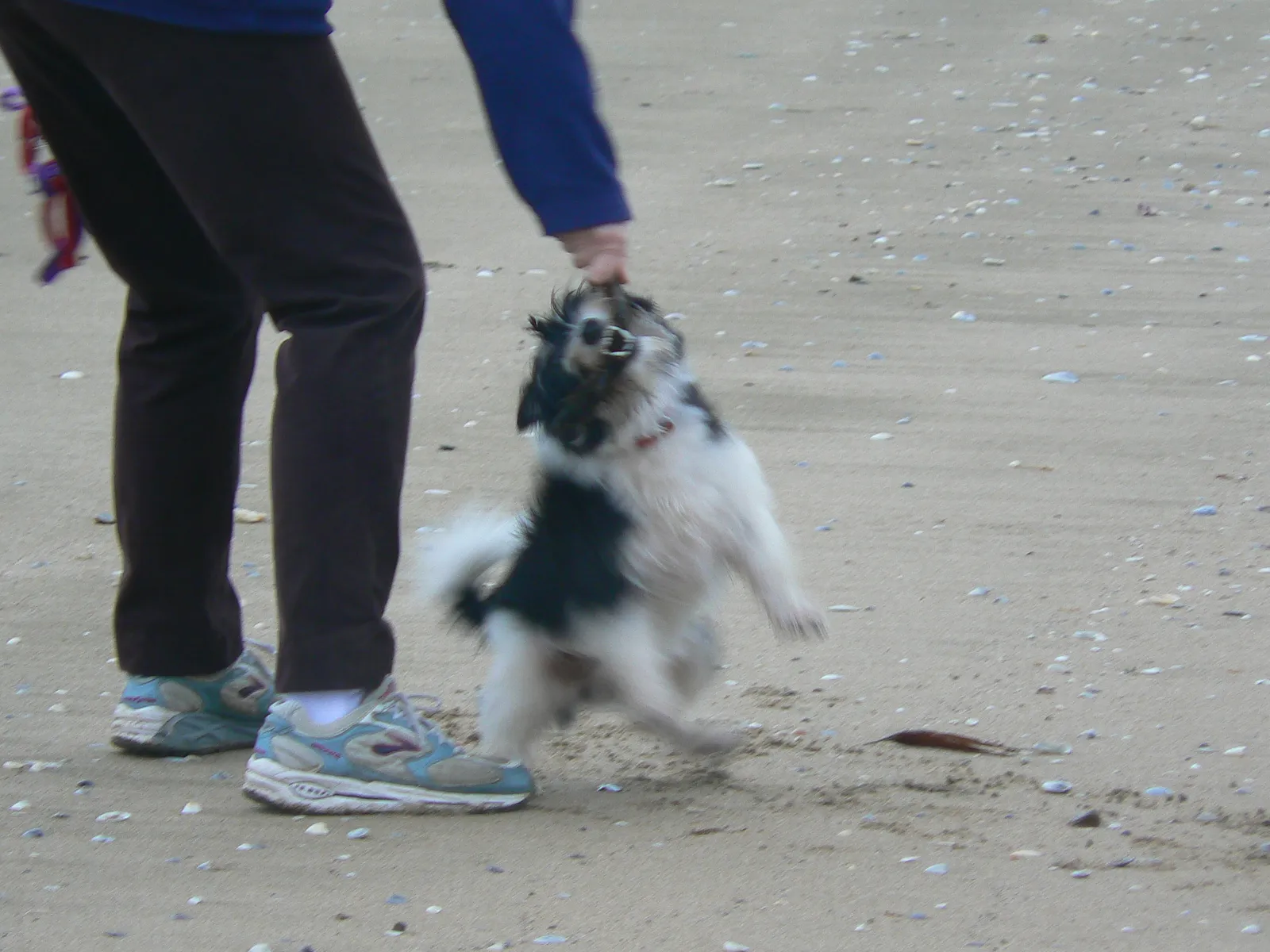
If your dog has been chewing on sticks, it’s important to be aware of the signs of potential injuries. These may include pawing at the mouth or face, excessive drooling, difficulty swallowing or breathing, bloody saliva, vomiting or diarrhea, lack of appetite, and lethargy.
Some injuries are immediately obvious because there is visible bleeding or distress. Others can be very subtle. In some cases, small fragments become lodged within the tissues of the mouth and are not noticed right away.
In cases where the initial stick injury was not detected and a period of days to weeks has passed, dogs may show swelling or abscess in the neck region, lethargy, fever, pus discharging from around the face or neck, and difficulty breathing or swallowing. These delayed presentations are often more dangerous precisely because they’re harder to connect to the original cause.
Safer Alternatives That Still Satisfy the Urge to Chew

Giving your dog proper chewing outlets like chew toys and natural chews are effective ways to keep them from eating wood and promote non-destructive behavior. The goal isn’t to eliminate chewing. It’s to redirect it toward something that won’t end in a vet visit.
Puzzle toys can also amuse dogs and help to prevent boredom, which can cause destructive behaviors like chewing. Mental stimulation and physical exercise together tend to reduce the compulsion to chew on whatever’s available.
It’s better to use a ball or another purpose-designed toy for your dog’s enrichment and play instead. The options available today are genuinely impressive, ranging from rubber chews to rope toys to compressed natural material treats that satisfy the sensory experience without the splintering risk.
Final Thoughts

Stick chewing sits in a strange category of dog behaviors: common enough to seem normal, dangerous enough to warrant real concern. The gap between “my dog does this all the time” and “my dog is at the emergency clinic” can close faster than most owners expect.
Stick injuries are not something vets see every day, but they are common enough that most will treat a number of cases over the course of their careers. The injuries range from relatively minor splinters to severe penetrating wounds.
The simplest takeaway is this: the stick costs nothing, but the treatment can cost a great deal, in both money and stress. Swapping it out for a safer alternative is one of the easiest preventive steps any dog owner can take.
AI Disclaimer: This article was created with the assistance of AI tools and reviewed by a human editor.