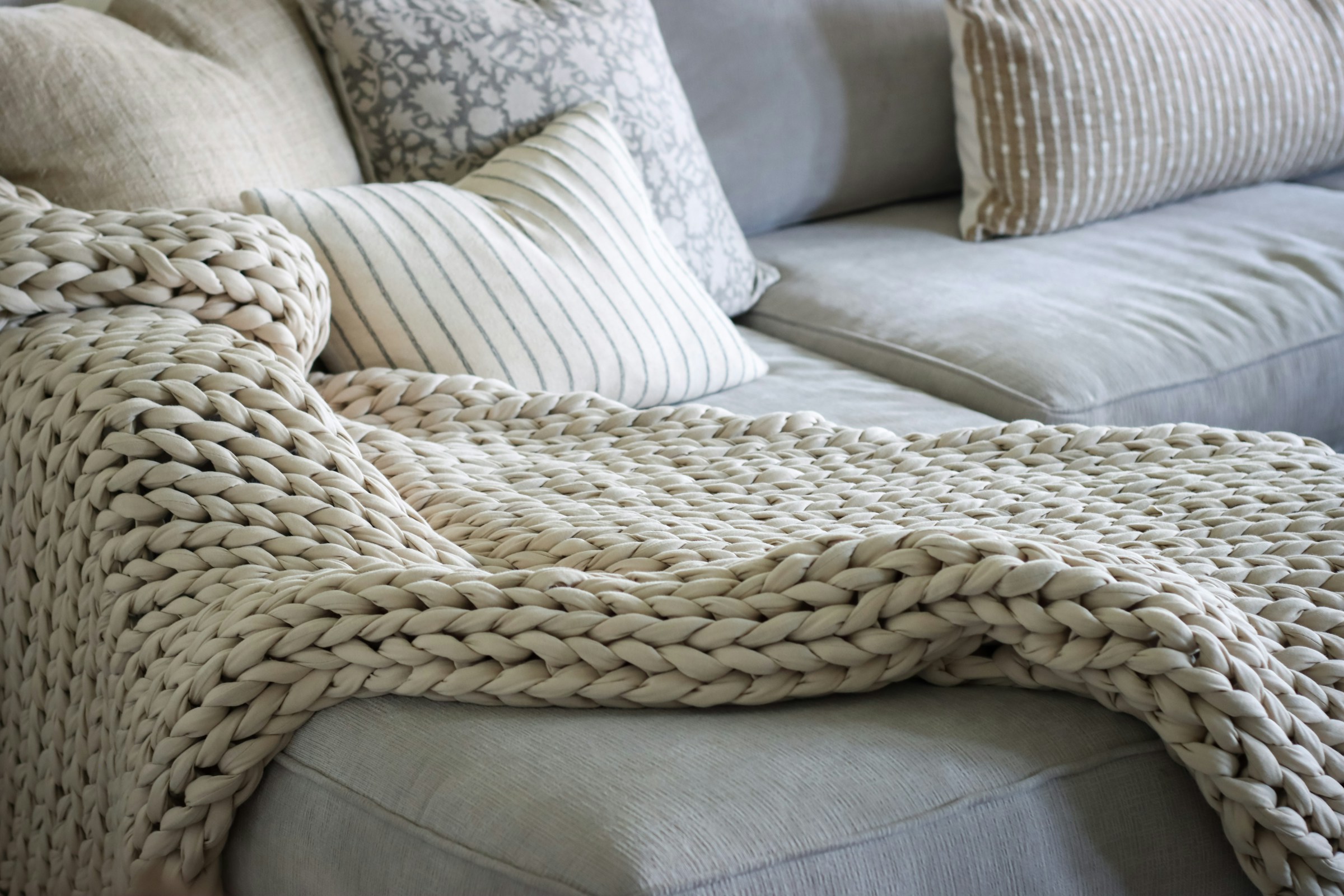

1. People with Obstructive Sleep Apnea

Individuals with obstructive sleep apnea (OSA) should avoid weighted blankets, as added pressure on the chest may further restrict airflow during sleep. This is one of the clearest contraindications that sleep specialists cite, and it makes intuitive sense: sleep apnea already involves repeated collapses of the airway during the night.
No current studies validate respiratory improvements in confirmed OSA populations, so caution is critical. The absence of evidence here is itself a signal. Until research demonstrates that weighted blankets are safe for people with OSA, most sleep doctors recommend skipping them entirely or speaking with a specialist first.
2. Infants and Very Young Children

Weighted blankets are categorically not recommended for children under three years of age due to the risk of sudden infant death syndrome. This is not a subtle or debated point. Pediatricians and sleep researchers are unified on this.
The weight of a weighted blanket can restrict or limit movement, making it difficult for children and seniors to remove the blanket if it covers their faces at night. In August 2024, a U.S. senator introduced a bill that would ban weighted sleep products for infants, and in April 2024, Amazon, Target, Babylist, and several other retailers said they would no longer allow weighted sleep products to be sold in their stores or on their websites, citing safety concerns.
3. People with Chronic Respiratory Conditions

Weighted blankets may cause breathing issues for people with asthma or other respiratory conditions. The mechanism is fairly straightforward: the added physical load across the chest and torso can make each breath slightly more effortful, which in someone already managing a compromised airway becomes a meaningful burden over a full night of sleep.
Weighted blankets can be dangerous since they can exacerbate respiratory problems owing to the blanket’s pressure and tightness on the body, especially near the lungs. This is also true for people with asthma and obstructive pulmonary disease. Anyone with a chronic respiratory diagnosis should treat a weighted blanket as a “doctor first” decision, not an impulse purchase.
4. People with Cardiovascular or Circulatory Problems

People with a history of coronary artery disease, stroke, diabetes, or low blood pressure should talk to their doctor before using a weighted blanket. The cardiovascular system can be sensitive to anything that changes how blood moves through the body during sleep, and sustained pressure is not a trivial variable for people in this category.
Experts advise those with respiratory problems, like sleep apnea, diabetes, or severe heart conditions to avoid using weighted blankets. The added pressure of the blanket could be unsafe. Cleveland Clinic sleep psychologists put this advice plainly, and it mirrors the guidance coming from multiple independent clinical sources.
5. People with Type 2 Diabetes

Diabetes can cause problems with circulation. The heaviness of a weighted blanket may further restrict circulation in people with diabetes. Poor peripheral circulation is already a common complication of type 2 diabetes, and anything that compounds that restriction overnight carries real risk.
Weighted blankets may also be unsuitable for people living with Type 2 diabetes, asthma, sleep apnea, low blood pressure, and circulatory problems, according to guidance from UCLA Health. This is a condition where the consequences of reduced circulation, particularly in the extremities, can escalate quickly and quietly during sleep.
6. Frail or Cognitively Impaired Older Adults

Seniors who struggle with frailty or cognitive problems like dementia shouldn’t use a weighted blanket. The core issue is independence: a person who cannot reliably remove a heavy blanket on their own during the night faces a legitimate entrapment risk.
Special care should be taken by elderly people with osteoporosis or muscle weakness, who may not be able to cope with removing a heavy blanket on their own. A blanket that a healthy adult removes effortlessly in three seconds can become a physical obstacle for a frail senior, especially one who wakes disoriented in the middle of the night. The risk is practical, not theoretical.
7. People with Claustrophobia

A weighted blanket can feel tight and restrictive, and this may trigger a fear response in people with claustrophobia. The sensation that most users describe as comforting, a firm, enveloping pressure across the whole body, is precisely what someone with claustrophobia may find distressing rather than soothing.
The constant pressure of a weighted blanket may cause problems for people who have claustrophobia, according to UPMC. This is worth taking seriously even in milder cases. If you have any history of feeling panicked or trapped in confined spaces, the deep pressure of a weighted blanket is unlikely to feel like a gentle hug.
8. Pregnant Women

Pregnant women and anyone who feels claustrophobic under pressure should also skip weighted blankets. Sleep specialists note that pregnancy already places significant physical demands on the body, including changes in circulation, breathing capacity, and comfort during sleep.
Weighted blankets are categorically not recommended for pregnant women, along with those with chronic lung diseases, heart failure, and circulatory disorders. The combination of an already-shifted center of gravity, reduced lung capacity in later pregnancy, and restricted blood flow makes adding extra uniform pressure across the body a poor idea. Most clinicians recommend deferring the decision until after delivery.
9. People Who Risk Overheating
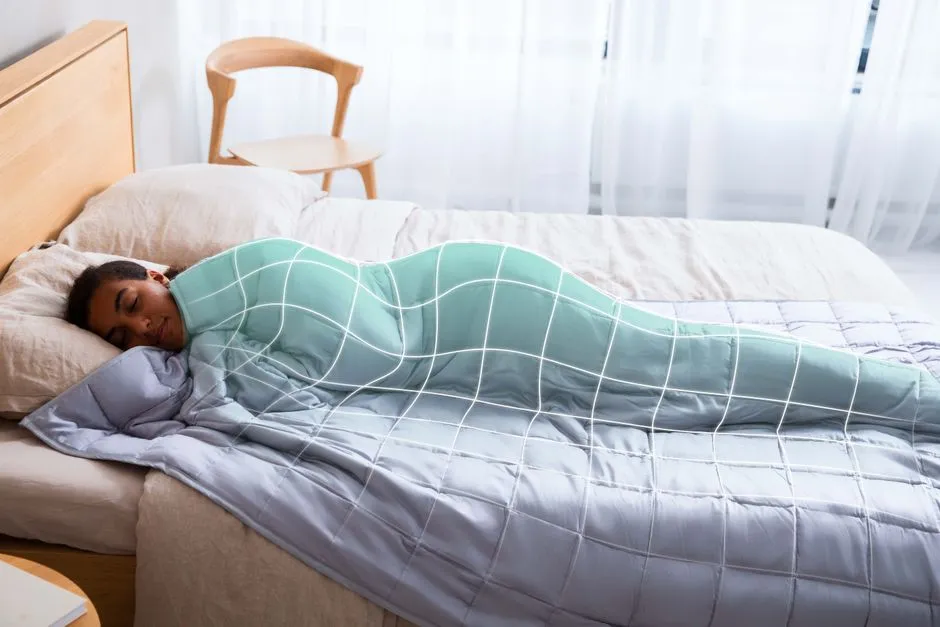
There is a risk of overheating due to the low breathability of dense fabrics. This concern applies beyond just those with diagnosed conditions. Anyone who already runs hot at night, or who lives in a warm climate without reliable air conditioning, may find that a weighted blanket disrupts sleep by raising body temperature rather than improving it.
This risk is particularly relevant for people managing menopause, certain metabolic conditions, or those who already use heavy bedding. When choosing a preferred weight range, it is important to ensure the blanket does not cause overheating and can be easily and quickly removed. If nighttime heat is already a problem, a weighted blanket may compound it significantly.
10. Anyone Who Cannot Remove the Blanket Independently
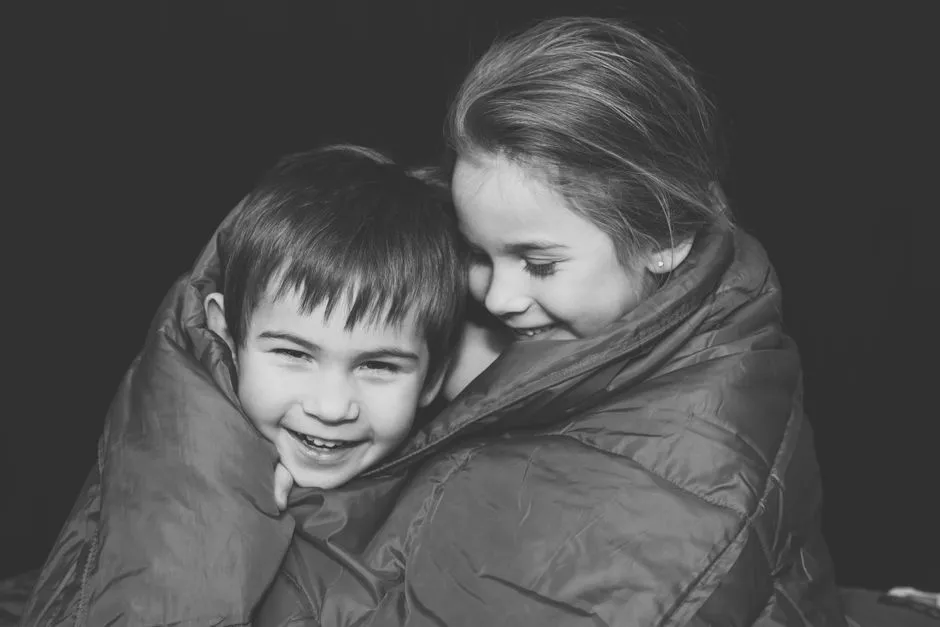
Weighted blankets should never be used by or on someone who would not be able to remove the covering themselves. This includes infants, young children, and older or frail adults. This principle cuts across multiple categories and is perhaps the single most consistent piece of guidance across every clinical source that addresses weighted blanket safety.
In healthy adult trials, serious events are rare. However, case reports involving immobilized, impaired, or pediatric users show risk of suffocation or inability to remove heavy covers. The rule is simple enough: if there is any doubt about whether the person using the blanket could free themselves independently during the night, the blanket should not be used.
The Bottom Line
Weighted blankets are, for the right person, a genuinely useful sleep tool. They might be a promising tool for sleep interventions among individuals with sleep disorders in clinical settings. That promise is real. So are the limitations.
Before using a weighted blanket, it is necessary to consult a doctor, especially in the presence of chronic diseases, and in case of shortness of breath, headache, or increased fatigue, you should immediately stop using it. The blanket itself is not inherently dangerous for most healthy adults, but the phrase “most healthy adults” does a lot of work. Knowing which side of that line you fall on is what makes the difference between a better night’s sleep and a genuine health risk.
AI Disclaimer: This article was created with the assistance of AI tools and reviewed by a human editor.