
The Muscle Loss Nobody Sees Coming

Sarcopenia can begin at around age 35 and occurs at a rate of roughly one to two percent a year for the typical person. That sounds modest until you do the math across a decade or two. Sarcopenia does not occur suddenly. It is an aging-induced deterioration that is only recognized as a disease when it manifests clinically in the sixth or seventh decade of life, and initially the rate of decline is slow before eventually accelerating.
Adults who do not do regular strength training can expect to lose four to six pounds of muscle per decade, and most people do not see the number on the scale go down, which means they are replacing that muscle with fat. The weight stays the same; the composition shifts in entirely the wrong direction.
After 60, the Rate Shifts Noticeably
After age 60, muscle loss can accelerate to around three percent a year. That acceleration is not trivial. Starting in midlife, sarcopenia triggers a loss of about half to one percent of muscle mass a year, and between the ages of 65 to 80, a person could lose as much as eight percent of their muscle mass each decade.
Data from the Atherosclerosis Risk in Communities (ARIC) study found that sarcopenia prevalence rose from five percent at age 65 to 69, all the way to 36 percent at age 85 to 89. That kind of escalation points to something more than a slow, linear slide. The later decades carry a compounding risk that most people are simply not prepared for.
How Many Older Adults Are Actually Affected

Among individuals aged 60 to 70, sarcopenia affects between five and thirteen percent of the population, yet this figure escalates dramatically to around half in those over 80 years. Globally, epidemiological data reveal that sarcopenia affects approximately ten to sixteen percent of the elderly population worldwide.
Hospital and emergency settings reveal considerably higher sarcopenia rates compared to community settings, with one comprehensive analysis finding prevalence rates of ten percent among community-dwelling older adults, 23 percent among hospitalized patients, and 38 percent in nursing home residents. The setting matters, because illness and reduced mobility dramatically accelerate the process.
What’s Actually Happening Inside the Muscle

Fast-twitch fibers, which provide bursts of power, are lost at a greater rate than slow-twitch fibers, which means a person is not only growing weaker but also getting slower. The proportion of fast-twitch muscle fibers decreases significantly with age, from approximately 60 percent in young men to about 30 percent in 80-year-old men.
Muscle strength and mass loss are not the only factors at play. Mitochondria, the energy-producing structures inside cells, decrease in number and efficiency, and the nerve-signaling system that recruits muscle fibers for tasks also deteriorates with age and lack of use. The problem is biological at multiple levels simultaneously.
Hormones Play a Bigger Role Than Most Realize

Several processes converge with age: the fast-twitch muscle fibers that drive quick movements break down, certain hormones that help build muscle decrease, and proteins known as catabolic cytokines increase and speed up muscle wasting. This is not a single mechanism but a cascade of changes happening in parallel.
For women, the loss of estrogen during menopause contributes significantly to muscle loss. Research suggests that declining estrogen, particularly estradiol, is associated with accelerated reductions in muscle mass, strength, and neuromuscular function during and after menopause. This partly explains why sarcopenia patterns can differ meaningfully between men and women as they age.
Inactivity Can Trigger Surprisingly Fast Losses

Recent evidence has shown that even just reducing walking to fewer than 1,500 steps per day for two weeks caused a four percent loss of leg muscle in adults over 65. That amount of activity is roughly the equivalent of being housebound, something that may become more common in older age due to prolonged bad weather or minor injury or illness.
What that finding really underscores is how little it takes to set the process in motion. A brief bout of sickness, a healing injury, a few weeks of staying indoors: the body begins dismantling muscle tissue faster than most people would expect. If muscles are not used in everyday life, both strength and muscle mass are lost. That relationship is unforgiving at any age, but it becomes more so after 65.
Inflammation Makes Everything Worse
Accelerated muscle fiber atrophy leads to a marked reduction in muscle strength, and elevated levels of interleukin-6, tumor necrosis factor-alpha, and C-reactive protein are significantly associated with a two to three fold increased risk of muscle strength loss exceeding 40 percent in the elderly. Chronic low-grade inflammation, a common feature of aging, acts as an accelerant.
This creates a difficult cycle. Muscle loss increases inflammatory markers, and inflammation in turn accelerates further muscle breakdown. Progression toward obesity is associated with a simultaneous decrease in muscle mass, producing an unfavorable ratio of fat to muscle, and obesity in old age may exacerbate the progression of sarcopenia. Diet, body composition, and inflammation are tightly linked.
Why Strength Is the Signal Worth Watching
An NIH-funded team analyzed data from several studies involving thousands of people aged 65 and older, focusing on grip strength, walking speed, and lean body mass. Those with weaker grip strength and slower walking speed showed higher risk of falls, mobility limitations, hip fractures, and death. These are practical, measurable markers that can be tracked without expensive equipment.
Among those aged 65 and older, roughly 39 percent, or about 17.6 million people, have difficulty walking or climbing stairs, including around 10 million who are unable to do so at all. Those numbers are not abstract; they represent a loss of functional independence that directly affects quality of life.
Resistance Training: The Most Reliable Countermeasure

Resistance training has been shown to increase muscle protein synthesis in skeletal muscle, promote muscle hypertrophy, and is the most effective intervention to prevent loss of muscle mass in healthy older adults. The evidence behind this is not thin. A scoping review that searched four major databases and consolidated the literature included 36 studies supporting resistance training programs for reducing sarcopenia risk among healthy older people.
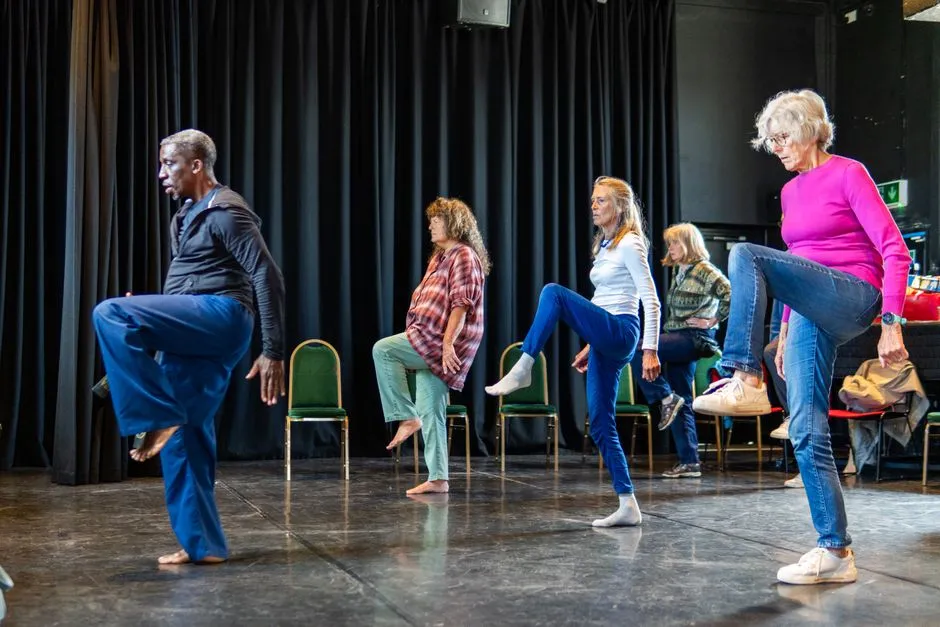
Research has uncovered considerable evidence that regular physical activity can slow the rate of decline in muscle mass and strength, and older adults can increase their muscle mass and strength if they engage in a regular program of resistance training two to three times per week. The key word is regular. Consistency over time matters far more than intensity in any single session.
Protein Intake: What the Evidence Actually Shows
Older adults require higher-quality protein intake of at least 1.2 grams per kilogram of body weight per day to stimulate muscle protein synthesis when combined with resistance training. This is notably higher than the standard dietary guidelines written for younger populations. Evidence suggests that older adults require approximately two thirds more daily protein to optimize postprandial muscle protein synthesis.
Although age-related resistance to protein anabolism reduces the effects of protein supplementation alone, combining it with resistance training significantly improves its effectiveness, because resistance training improves the muscle response to protein synthesis. Adherence to training and meeting daily protein requirements are more critical than protein timing strategies for untrained older adults. The fundamentals, it turns out, matter more than the fine details.
The Takeaway
Muscle loss in older adults is not an inevitable and irreversible fate. It is a process with known drivers, measurable markers, and evidence-backed ways to slow it down. The real challenge is that it starts quietly, long before anyone notices strength slipping away.
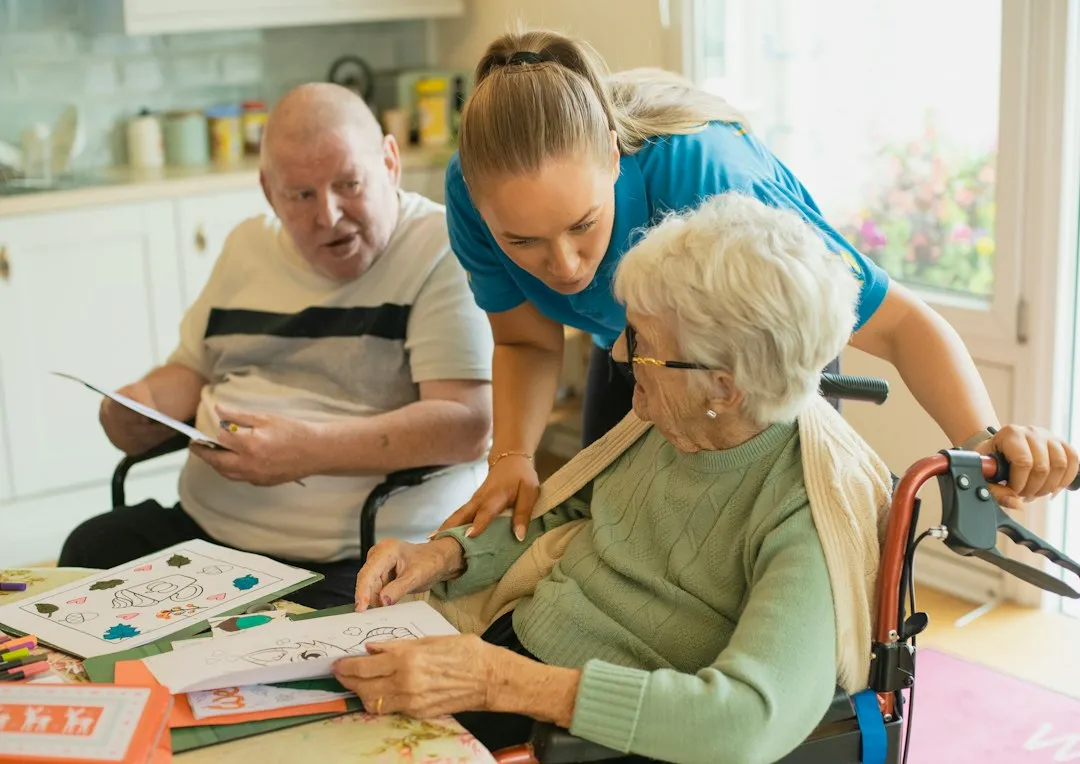
The gap between when sarcopenia begins and when it gets recognized is where the most damage quietly accumulates. Moving more, eating enough quality protein, and building resistance training into a regular routine are not just fitness recommendations. For older adults, they are the primary tools for staying functionally independent. Targeted prevention and early interventions are needed to mitigate disparities and reduce sarcopenia-related disability in aging populations. That framing from researchers is worth taking seriously, not as a warning, but as a genuine invitation to act earlier than feels necessary.
AI Disclaimer: This article was created with the assistance of AI tools and reviewed by a human editor.