
The Lacrimal Glands: Your Eyes’ Built-In Sprinklers
Your tear-producing glands, called lacrimal glands, sit just above and to the outer side of each eye. The lacrimal glands are the main source of the watery portion of your tears, producing fluid that contains water, electrolytes, proteins, and protective substances that help keep the surface of the eye moist and clear.
This aqueous component accounts for more than ninety percent of total tear volume, while oils from the eyelid glands and mucins from conjunctival cells help stabilize the tear film and keep it spread evenly across the eye. They secrete electrolytes, proteins, and water to help nourish and protect the eye’s surface.
Under normal conditions, basal tear production is about 2 microliters per minute, but reflex stimulation can temporarily increase secretion enough for tears to accumulate on the eye’s surface. A yawn is precisely the kind of physical event that triggers that reflex.
The Muscle Squeeze: Thirty Muscles All at Once

There are upwards of 30 muscles on the face, most of which contract during a yawn. When you yawn, your face goes through a surprisingly intense muscular contraction. Your jaw stretches wide, your cheeks pull tight, and the muscles ringing your eyes clench.
When we yawn, our facial muscles stretch and this includes the ones around our eyes. This stretching can put slight pressure on the nearby tear glands, also known as the lacrimal glands, which are responsible for producing tears. As a result, these glands may release a small number of tears, causing your eyes to water.
The first theory claims that with all these muscles around the eyes contracting, it squeezes tears from out of the lacrimal glands. It’s a purely mechanical process, much like squeezing a wet sponge.
The Blocked Drain: When Tears Have Nowhere to Go
Tears are continuously secreted by the lacrimal glands, located just above each eye. Normally, excess fluid drains through tiny openings in the inner corners of your eyelids, called puncta, into the nasolacrimal duct, which empties into your nose.
The second theory claims that the contraction of all these muscles blocks the regular drainage of tears for the duration of the yawn. Since an average yawn can last for around 5 seconds, that’s enough time for a few teardrops to get held up in the eye. As your facial muscles relax after a yawn, the excess tears drain from the lacrimal canals as well as down your cheek.
Simultaneously, the movement of the facial muscles briefly compresses the nasolacrimal ducts near the nose. These ducts normally drain tears into the nasal cavity. Because the drainage is blocked while production is forced, tears collect on the eye surface and overflow when the eyes are opened.
The Nerve Connection: Your Parasympathetic System Gets Involved
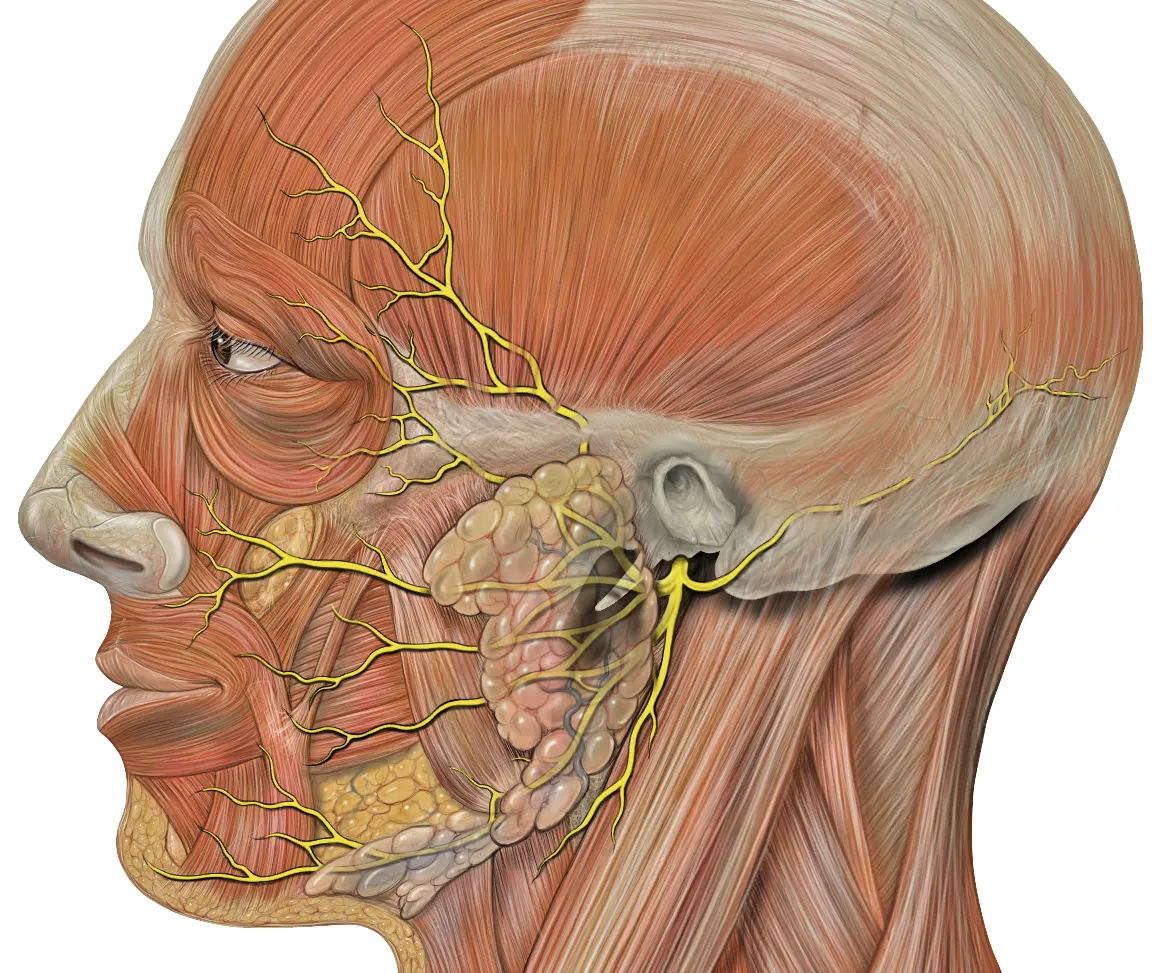
Beyond mechanical pressure, another major contributor to watery eyes during yawning lies within the autonomic nervous system, the part of your nervous system that controls involuntary functions like heart rate, digestion, and glandular activity.
The autonomic nervous system has two main branches: the sympathetic and parasympathetic. Yawning activates the parasympathetic nervous system, which also governs tear production, salivation, and digestive processes. This means that when you yawn, your body isn’t just stretching your jaw – it’s triggering a broader neurological response that includes stimulating the lacrimal glands.
Published research on lacrimation describes yawning as one of the non-emotional triggers capable of stimulating the tear-producing pathway, which involves sensory signals, parasympathetic nerves, and the lacrimal glands. This stimulation of the lacrimal gland, mediated by the facial nerve, is referred to as a trigeminal-parasympathetic reflex.
Reflex Tearing vs. Emotional Crying: They’re Not the Same Thing

While it might feel like your eyes are “crying,” the physiological process behind yawn-induced tearing is entirely distinct from emotional weeping. Tears are secreted onto the ocular surface via three mechanisms: basal secretion, comprising a continuous low-level flow; reflex tearing, comprising transient excessive watering that protects the eye against sudden environmental changes; and emotional tearing, triggered by extreme emotional arousal.
The strong contractions of the orbicularis oculi muscle during yawning stimulate the sensitive corneal sensory nerves, which then trigger the release of tears by the lacrimal gland, which is comparable with the production of non-emotional tears during yawning.
Your eyes water when you yawn because the facial muscles involved in yawning physically squeeze the glands that produce tears. It’s a mechanical side effect, not a sign of sadness or eye problems. Nearly everyone experiences it to some degree, and it’s completely normal.
The Brain Cooling Theory: A Surprising Extra Layer

Recent physiological research published in July 2025 suggests that yawning is a complex brain-cooling mechanism, debunking the older theory that its primary function is to increase oxygen intake. The brain cooling theory suggests that during a yawn, the eyes secrete tears as a way to dissipate some of the body’s heat.
During a yawn, the facial muscles move and contract, increasing blood flow to the face where heat can dissipate more easily. Some people’s eyes tear up when they yawn, which may also release heat.
Research shows yawning helps cool the brain, relieves ear pressure, helps control breathing, and wakes us up when we’re drowsy or bored. The tear response may simply be a useful side effect of all that thermal regulation happening at once.
Why It Doesn’t Happen to Everyone Every Time

Not everyone’s eyes will water every time they yawn, and that’s completely normal. Several different factors can influence whether or not your eyes tear up during a yawn.
The shape of your face, the width of your yawn, and even the size of your drainage ducts all play a role. If you tend to yawn with your whole face, mouth wide open and eyes scrunched, you’re compressing those glands harder and blocking drainage more effectively.
Hydration levels also matter: dehydration can reduce tear production, whereas being well hydrated is likely to result in eyes watering during yawning. If you’re more relaxed, the pressure on your tear glands may be less pronounced. For example, if you were born with smaller eyes or narrower lacrimal canals, your tears are going to need another way to drain themselves, and rolling down your cheeks is the only alternative.
The Fatigue Factor: When Tiredness Makes It Worse
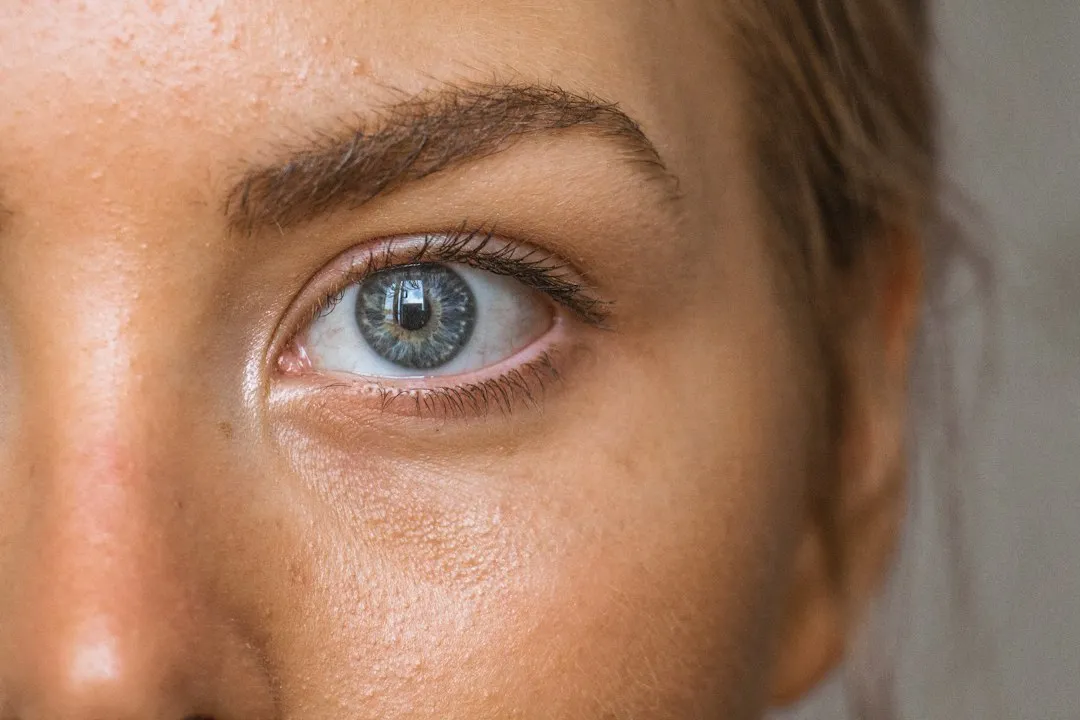
People also tend to yawn when they feel tired, for example, after staring all day at a computer screen. This fatigue may also cause eye fatigue. Fatigued eyes may feel dry, which can also stimulate them to produce tears, especially when yawning puts pressure on the lacrimal glands.
Tiredness can also cause dry eyes, making your eyes water at the same time you’re yawning due to feeling sleepy. It creates a kind of double effect: the eye is already struggling to stay lubricated, then the yawn gives the glands an extra physical push.
A controlled study of 20 healthy adults found that one night of sleep deprivation significantly reduced tear secretion, shortened tear-film breakup time, and increased tear osmolarity. So a night of poor sleep doesn’t just make you yawn more. It actually changes the chemistry and quantity of your tears.
Contagious Yawns and the Tear Ripple Effect
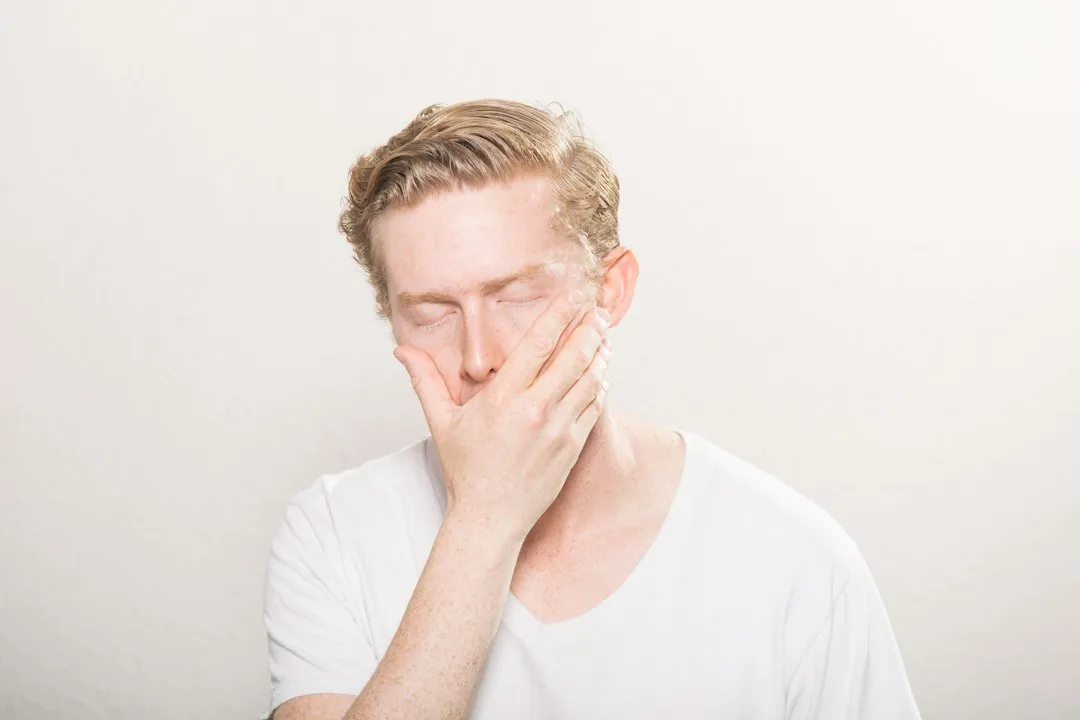
Most people agree that yawning is contagious. When people see or hear other people yawn, they tend to yawn themselves. Even reading or thinking about yawning can prompt a yawn.
The contagiousness of yawning suggests it may be an empathetic response that helps humans and other mammals communicate. Brain imaging reveals that the parts of the brain associated with empathy and social behavior show a spike in activity when a person watches someone yawn.
One study found contagious yawning is higher for strong social bonds, like friends and family members, than weak ones, like acquaintances and strangers. Interestingly, if a contagious yawn is big enough to scrunch the face fully, it can trigger the same tearing response as a spontaneous one.
When Watery Eyes During Yawning Might Signal Something More
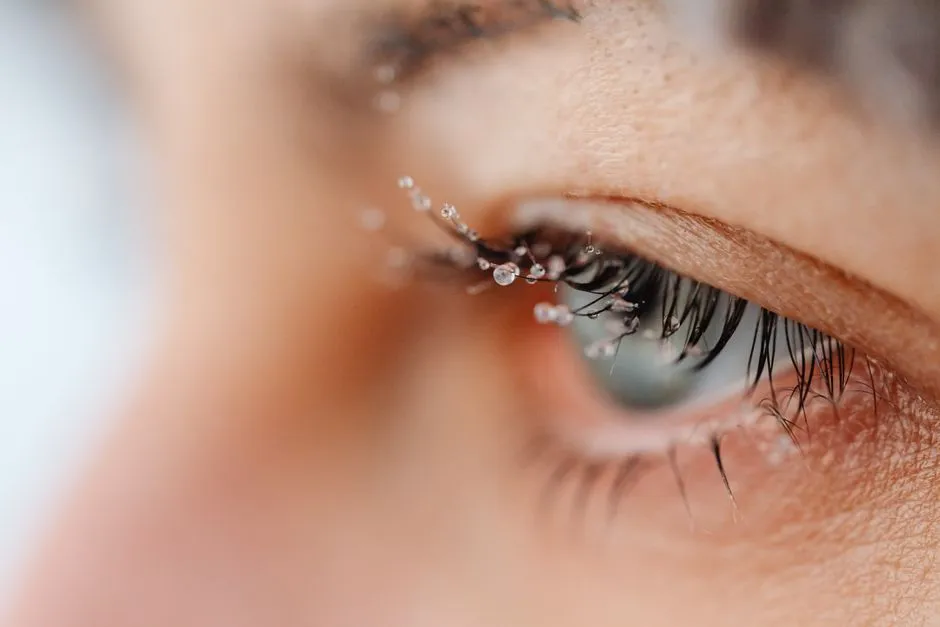
For most people, watery eyes during yawning are completely harmless. However, if you notice excessive tearing in general, whether or not you’re yawning, it could be a sign of an underlying issue such as blocked tear ducts, eye irritation from allergies or dry eye syndrome, or infection of the tear ducts or surrounding areas.
There is no official consensus on how much yawning is too much, though some experts consider it abnormal to yawn more than three times within a 15-minute period if there is no obvious cause. Excessive yawning can be a symptom of certain conditions, including conditions related to excessive daytime sleepiness like narcolepsy, sleep deprivation, and obstructive sleep apnea.
It is important to speak with a doctor if a person experiences eye pain or dryness, frequent uncontrolled yawning, or intense fatigue or sleeplessness. Those are the moments when the reflex stops being a minor curiosity and becomes a signal worth paying attention to.
The Takeaway

The next time your eyes gloss over mid-yawn, you can take some comfort in knowing it’s not random. It’s your facial muscles doing their job too well, your drainage system momentarily overwhelmed, your parasympathetic nervous system joining in, and possibly your brain trying to cool itself down all at the same moment.
The body rarely does just one thing at a time, and a yawn is a good example of that. What looks like a simple, reflexive stretch is actually a coordinated physiological event involving dozens of muscles, multiple nerve pathways, and a tear system that’s quietly working in the background every single moment you’re awake.
Most of the time, watery yawn-eyes are nothing to worry about. They’re just the body being efficient in its own quietly complicated way.
AI Disclaimer: This article was created with the assistance of AI tools and reviewed by a human editor.