
The Bacteria Are the Whole Story
The corn chip smell ultimately results from two types of bacteria, Pseudomonas and Proteus, both of which can give off a yeasty odor akin to corn chips, according to the American Kennel Club. These aren’t exotic or dangerous organisms. They’re a normal part of the canine skin environment, quietly living on your dog’s body at any given moment.
The bacteria living on dog paws, typically Proteus and Pseudomonas, are microorganisms known for having a corn tortilla-like smell on their own. Malassezia yeast may also cohabit with the bacteria, adding a yeasty odor. The combination of these microbes, working together in the warm spaces between your dog’s toes, is precisely what your nose is picking up.
The Chemistry Behind the Scent
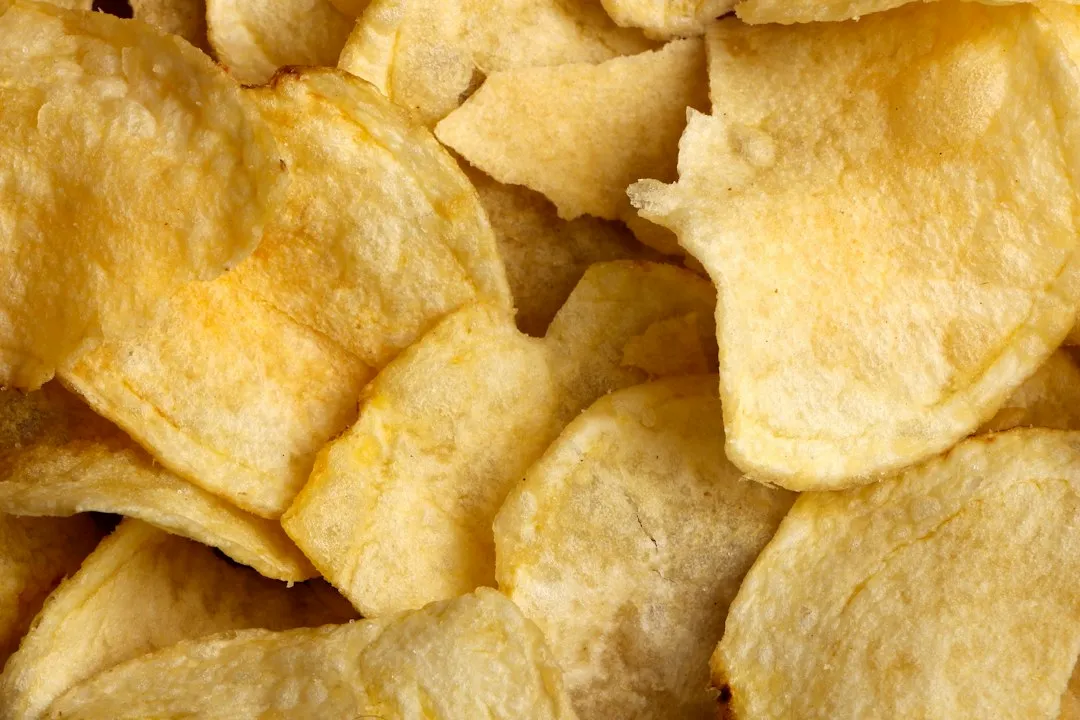
The scent originates from volatile organic compounds (VOCs) produced during bacterial metabolism. Proteus mirabilis and Pseudomonas aeruginosa generate compounds like 2-aminoacetophenone, butyric acid, and isovaleric acid, all of which create the characteristic “corn chip” aroma. These compounds are byproducts of amino acid and fatty acid breakdown.
When Proteus decomposes, the oxidation of certain compounds within the bacteria produces hydrogen sulfide, which smells like sweet corn. When taking in these two smells at once, the human brain perceives it as a similar smell to Fritos or corn chips. So in a sense, it’s less about your dog and more about how your own brain interprets a combination of chemical signals.
Why Paws Are the Perfect Breeding Ground
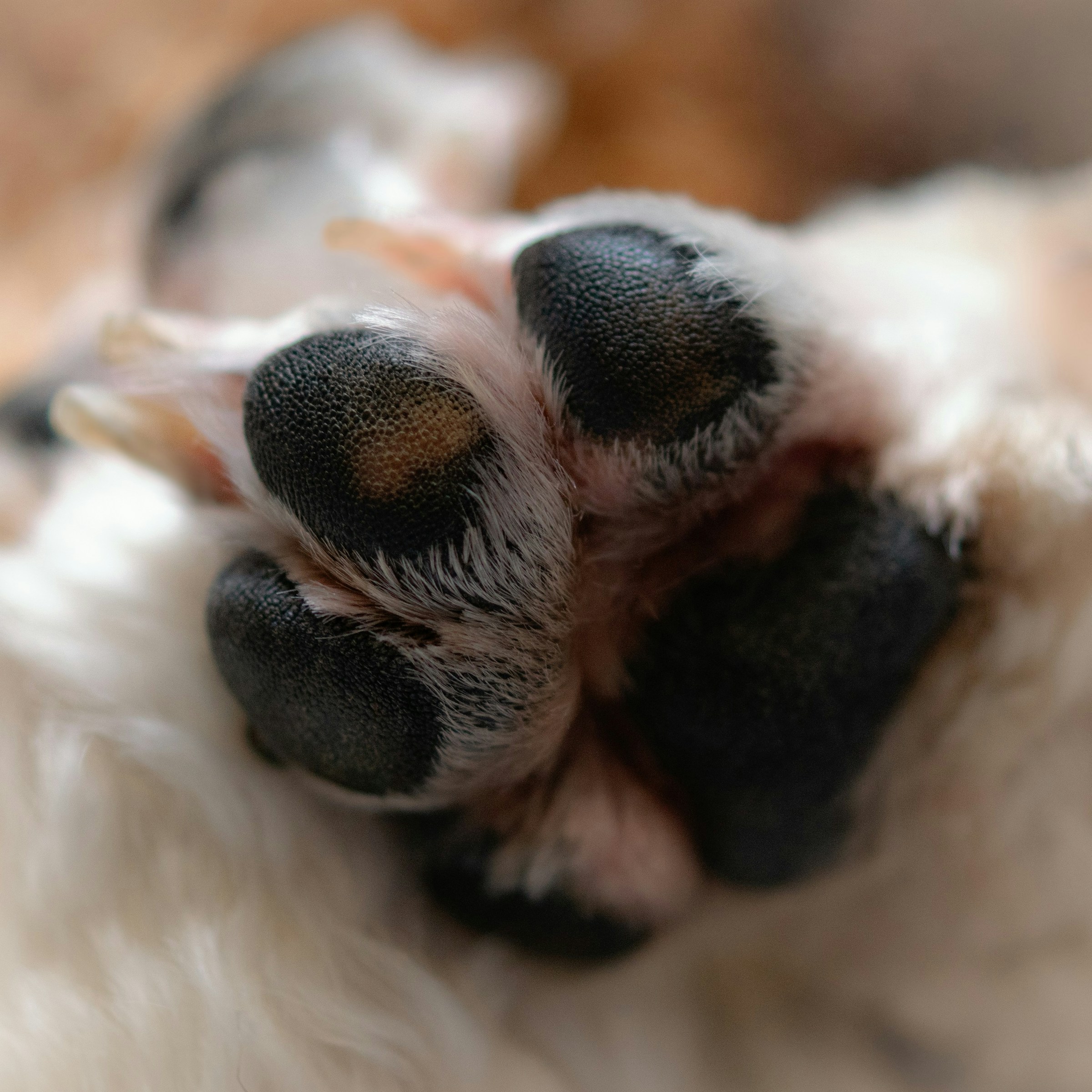
Most of a dog’s apocrine glands, or sweat glands, are concentrated in the pads on their feet. These pads are surrounded by fur and create damp and warm crevices that become a terrific breeding ground for all kinds of bacterial growth. With all this reproduction comes a number of accompanying smells, most of which are related to bacterial byproducts.
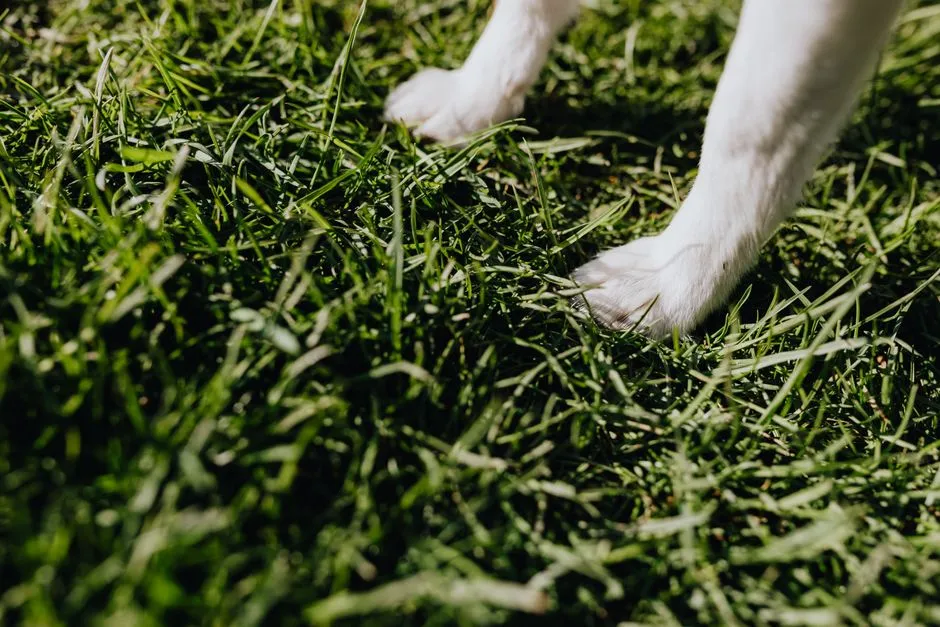
Unlike humans, who protect their feet with shoes before venturing outside, dogs’ bare paws are regularly exposed to different surfaces that can contain a menagerie of bacteria and fungi. Every walk across grass, soil, or pavement introduces new microbes into an already active environment. The paw, warm and moist by design, holds onto them.
Sweating Through Their Feet
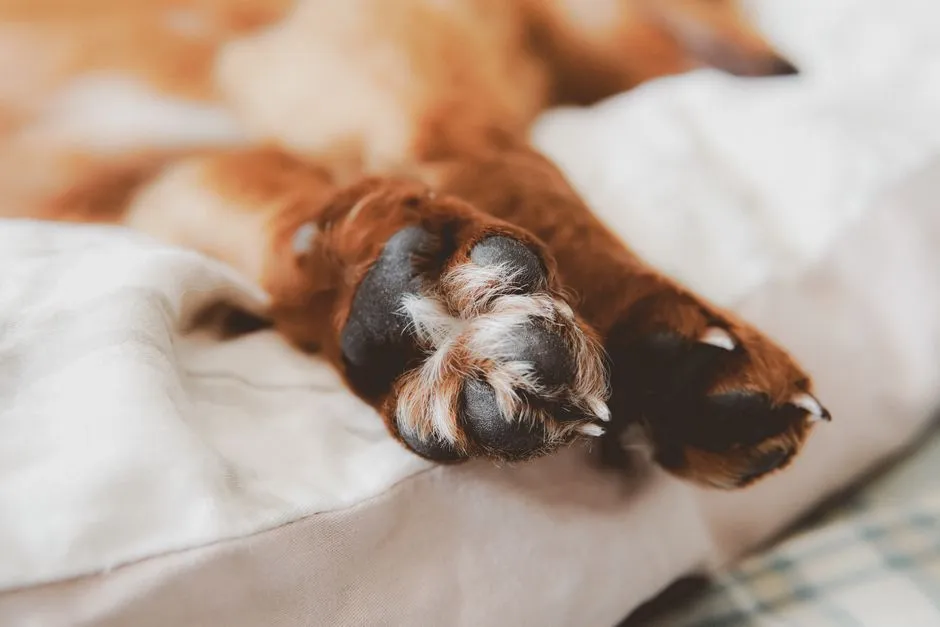
Dogs control their body temperature by panting. Since they don’t perspire broadly, the only place dogs have to cool down is on the bottom of their feet, explains Dr. Amy Attas, VMD. This is a key detail that most people don’t realize. The paw pads are functional sweat glands, not just tough skin for walking on rough terrain.
While dogs don’t sweat like humans, they do have sweat glands in their paw pads. These glands release moisture that mixes with bacteria, amplifying the odor. The more active the dog, the more moisture builds up, and the stronger the smell can become after a long run or a warm afternoon outside.
The Role of Keratin and Paw Structure
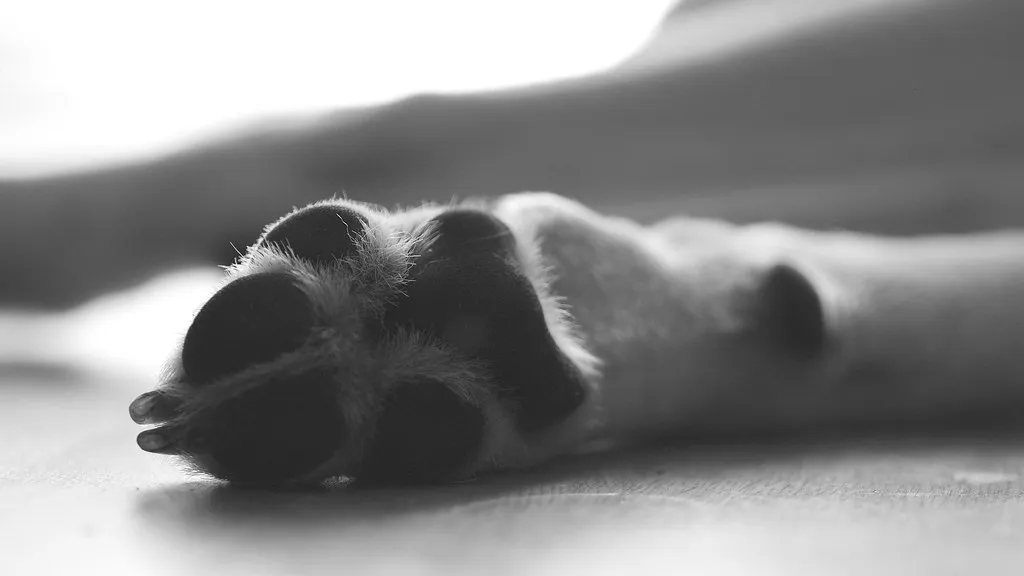
Dr. Lindsay Butzer, DVM and PetMeds partner, explains that dogs’ paw pads are made of a thick layer of keratin or skin to protect their feet, and as they age, this keratin forms thick hair-like projections that easily trap bacteria and yeast within the pads, which can lead to a stronger corn chip or Frito smell. Older dogs may therefore carry a more pronounced version of the scent simply due to how their paw pads have matured over time.
In particular, the nooks and crannies of dog paws pick up actinobacteria from soil, where the bacteria live and multiply. The structural design of paw pads isn’t just about cushioning. It’s also a natural collector of everything a dog walks through, including the microorganisms that come along for the ride.
Is the Smell Normal or a Warning Sign?
Dr. Amy Stone, DVM and Clinical Associate Professor at the University of Florida’s College of Veterinary Medicine, told Newsweek that dogs have normal levels of bacteria and yeast on their feet that leads to the Fritos smell. The Proteus and Pseudomonas bacteria and yeast are the most common reasons for a Fritos smell on dogs’ paws. None of these are cause for concern if the Fritos smell is the only thing you notice about your pet’s paws.
A faint smell is normal and harmless. A strong, persistent Frito smell means those microbes are overgrowing, usually because moisture is getting trapped between the toes. The key distinction is really about intensity. Light corn chip scent is biology doing what it does. An overwhelming or sour odor is a different conversation.
When Licking Makes Things Worse
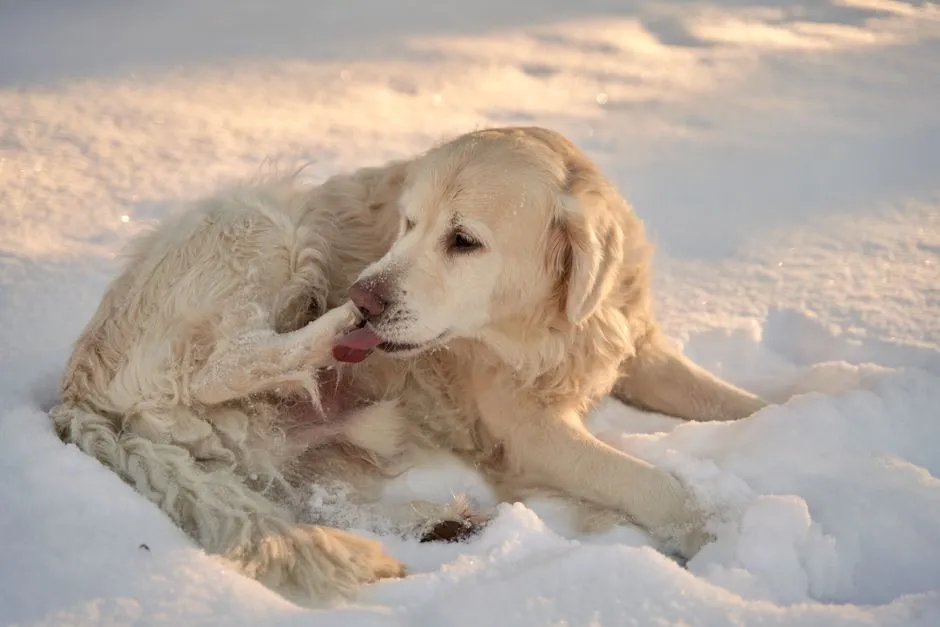
Dogs sweat through their paw pads, creating the warm, moist conditions where microbes can thrive. Dogs who lick their paws frequently are also adding moisture with every swipe of their tongue. This is where a subtle smell can turn into something more problematic. Licking introduces additional saliva-borne moisture, feeding the very microbes the dog is probably trying to relieve.
When things get out of balance, due to allergies, excessive licking, or poor grooming habits, dog paw yeast infections or bacterial overgrowth can occur, leading to an overpowering odor, inflammation, or itchiness. At that point, the issue shifts from a normal microbiome to a clinical one that warrants a vet visit.
Signs the Smell Has Crossed a Line
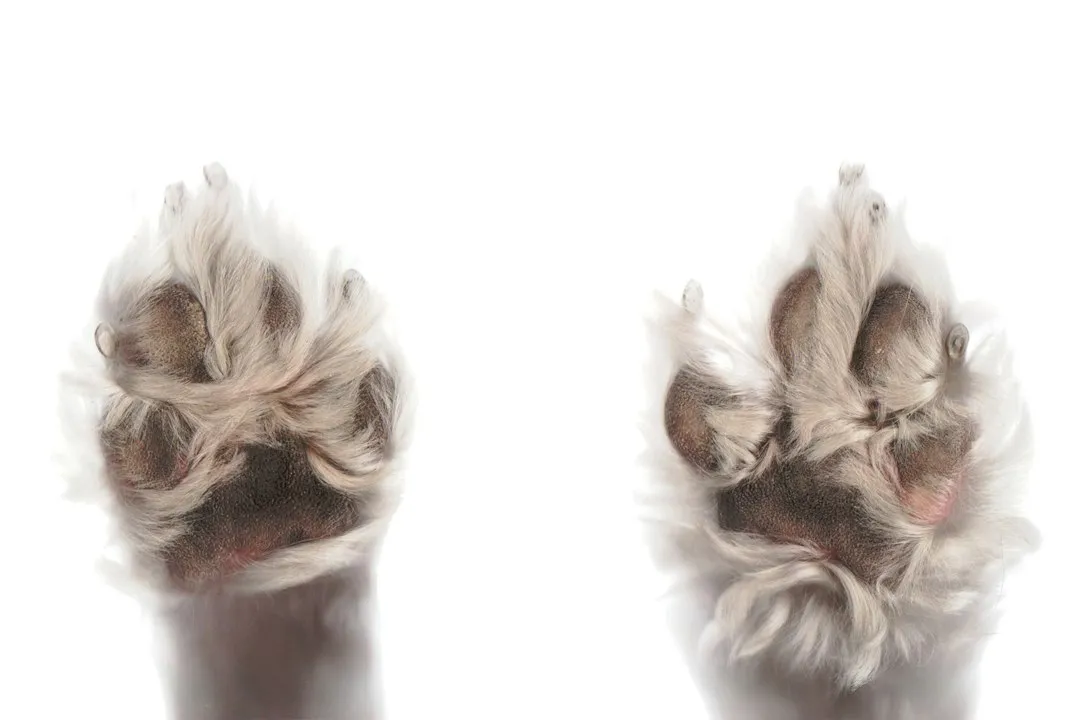
While the corn chip smell is usually harmless, there are times when it could be a red flag. If the scent becomes overpowering, or if you notice any signs of irritation, redness, or discomfort in your dog’s paws, it might be time to reach out for professional help. These could be indicators of an infection or an allergic reaction.
Dog paw yeast infections commonly develop as a result of environmental allergies, including allergies to grass and pollen. Affected dogs typically lick or chew their paws constantly, develop brown staining between the paw pads, have red, moist skin between the toes, and may eventually develop painful open sores. These are clear signs that the body’s microbiome balance has been disrupted and professional treatment is needed.
Keeping Paws Clean and Balanced
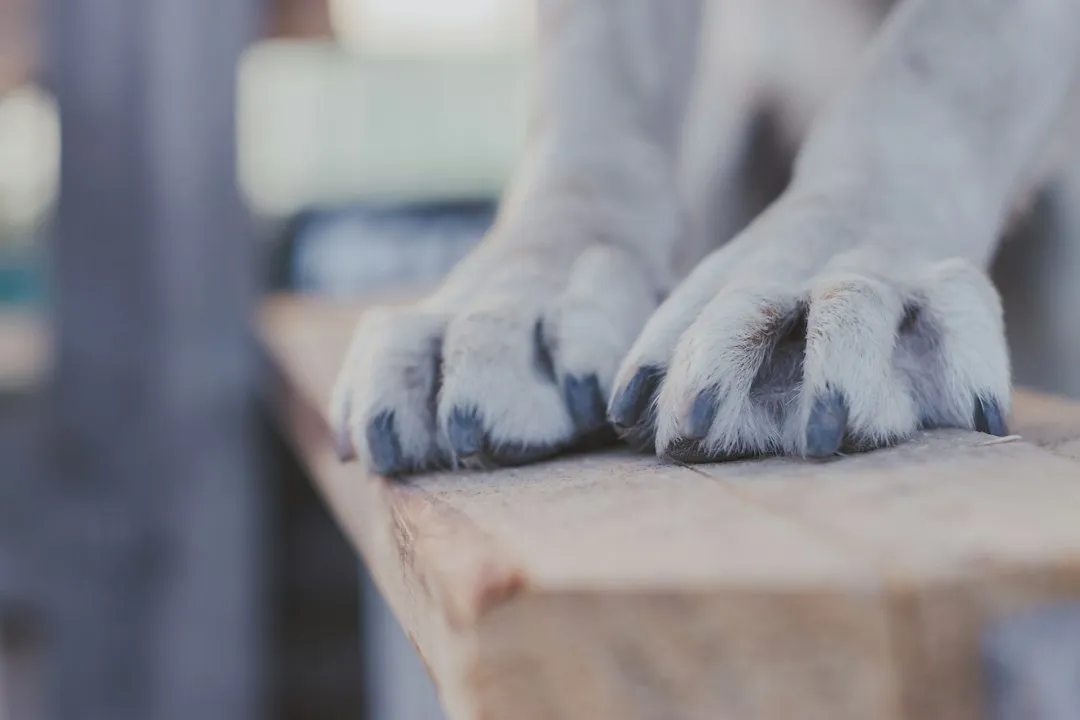
Good hygiene is key to managing the corn chip smell and ensuring your dog’s paws remain healthy. Regularly washing your dog’s paws with dog-friendly soap and water can help minimize the smell. It’s also a great opportunity to check for any signs of cuts, thorns, or anything unusual that might need attention.
Trimming excess fur between the paw pads helps reduce moisture buildup and improves airflow. Regular grooming not only keeps your dog comfortable but also allows you to spot signs of irritation or infection early. Simple habits, done consistently, are usually enough to keep the bacteria in a healthy, manageable range.
Why Cats Don’t Have the Same Issue
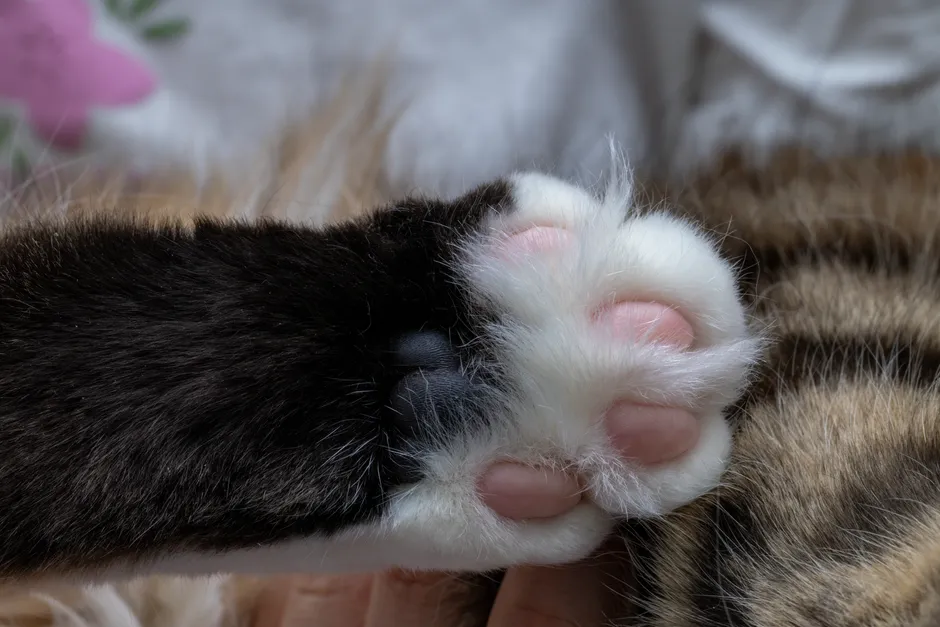
This phenomenon is pretty unique to dogs. Cat paws naturally do not have the distinct smell of Frito feet like dogs’ do. Cats’ paw pads are much softer, smoother, and skin-like than dogs’ hard keratinized paw pads, which may contribute to less bacteria and yeast being trapped in the skin.
The structural difference is significant. Without the thick, textured keratin that traps microbes so effectively in dog paws, cats simply don’t create the same warm, microbially dense environment. It’s one of the clearer anatomical reasons why Frito feet is a dog-specific phenomenon rather than a universal pet experience.
The Takeaway
Dr. Amy Attas, VMD, emphasizes that the Fritos smell is completely normal and doesn’t mean that your dog has a bacterial or fungal infection. For the vast majority of dogs, that corn chip scent is simply evidence of a living, functioning microbiome doing its job.
The science behind it is surprisingly layered, from specific bacterial species producing distinct chemical compounds to the unique structure of paw pads that creates ideal conditions for microbial life. It’s worth staying aware of how strong the smell is and whether any other symptoms accompany it. In most cases, though, your dog’s paws smelling like a snack aisle is just one of the more harmless, oddly endearing realities of life with a dog.
AI Disclaimer: This article was created with the assistance of AI tools and reviewed by a human editor.