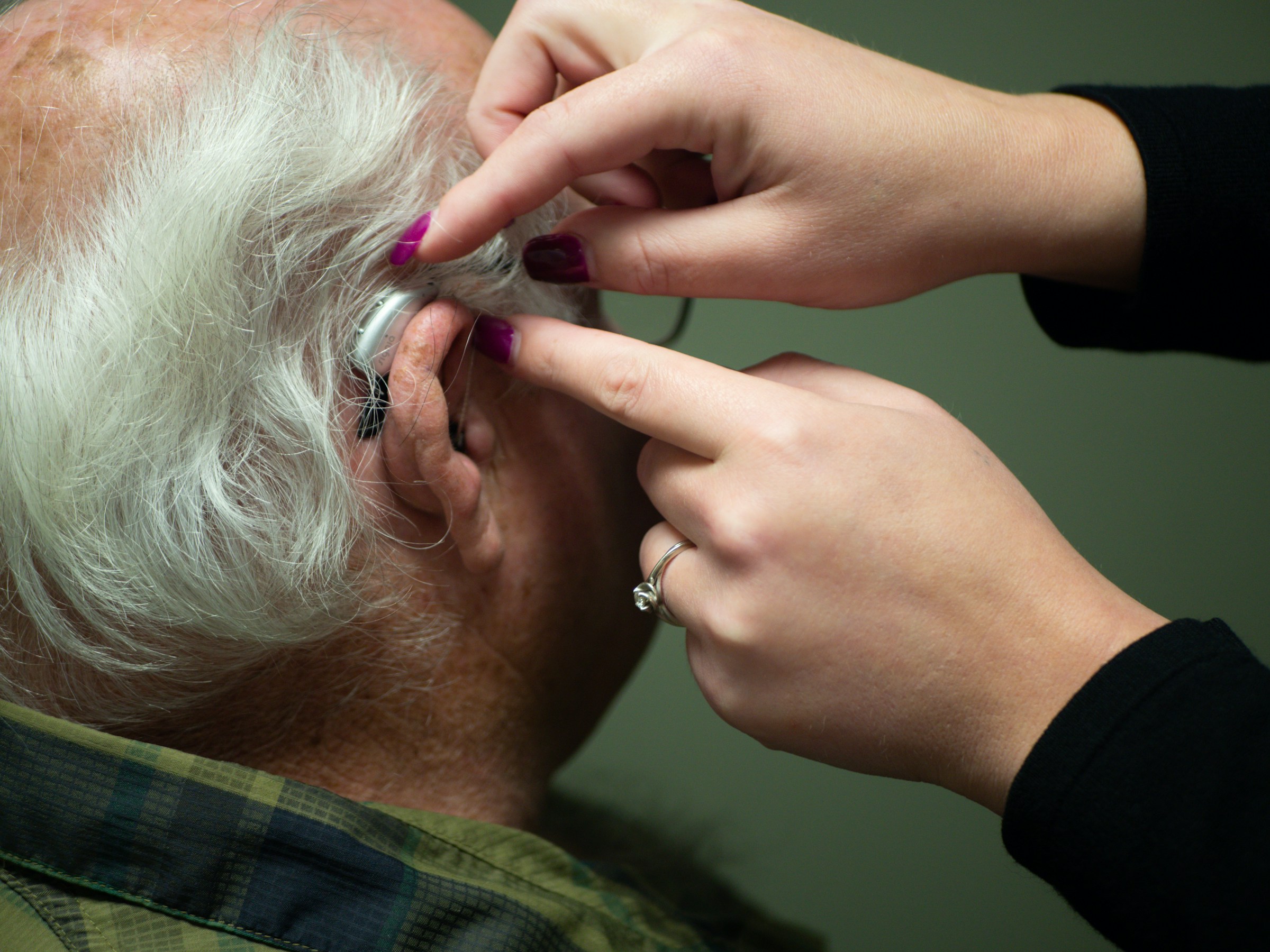

The Staggering Price Range Nobody Talks About
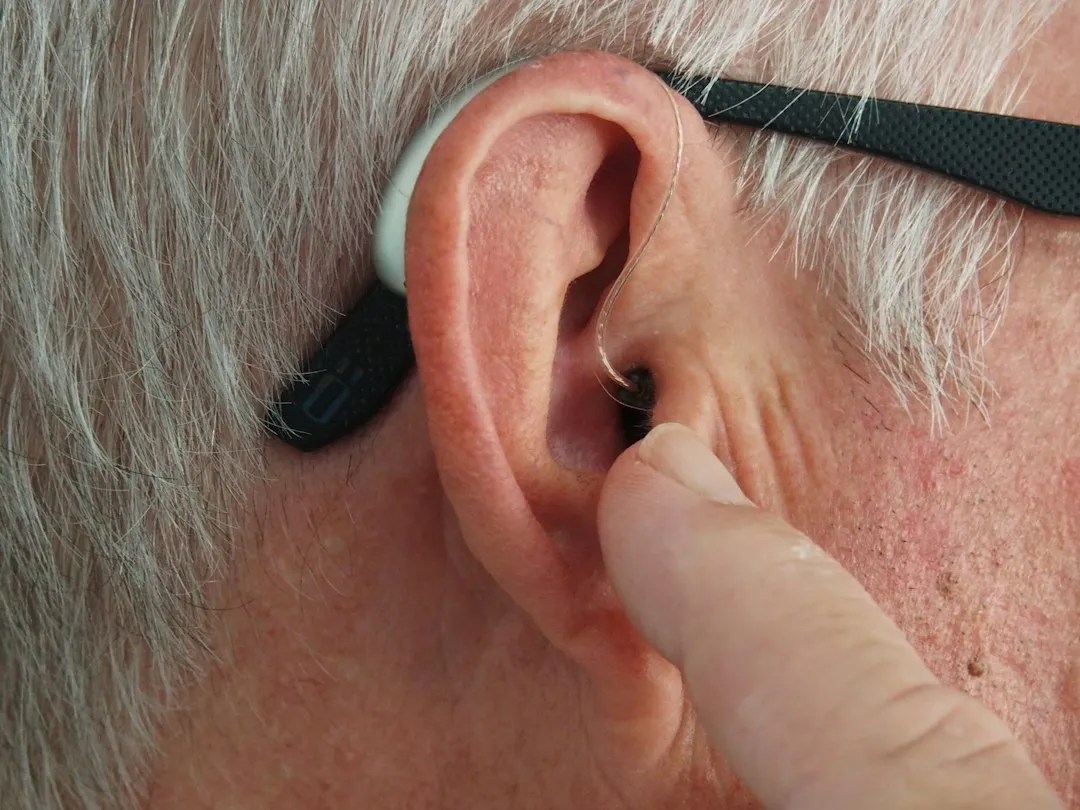
According to HearingTracker’s latest survey of more than 1,100 hearing aid purchasers, the average price paid was around $2,694 per pair, but the range stretches from $20 to over $8,500 depending on where and how you buy. That’s not a price range. That’s a different financial universe entirely.
An estimated 28.8 million American adults could benefit from hearing aids but don’t use them, according to the National Institute on Deafness and Other Communication Disorders. Cost is the leading reason. A pair of prescription hearing aids at a private audiology clinic runs $4,000 to $7,000 on average, and traditional Medicare doesn’t cover them.
Most adults overpay because they don’t understand what’s in the bundle, or that since 2022, much of that bundle is now optional. That single fact changes everything.
The Bundled Pricing Trap
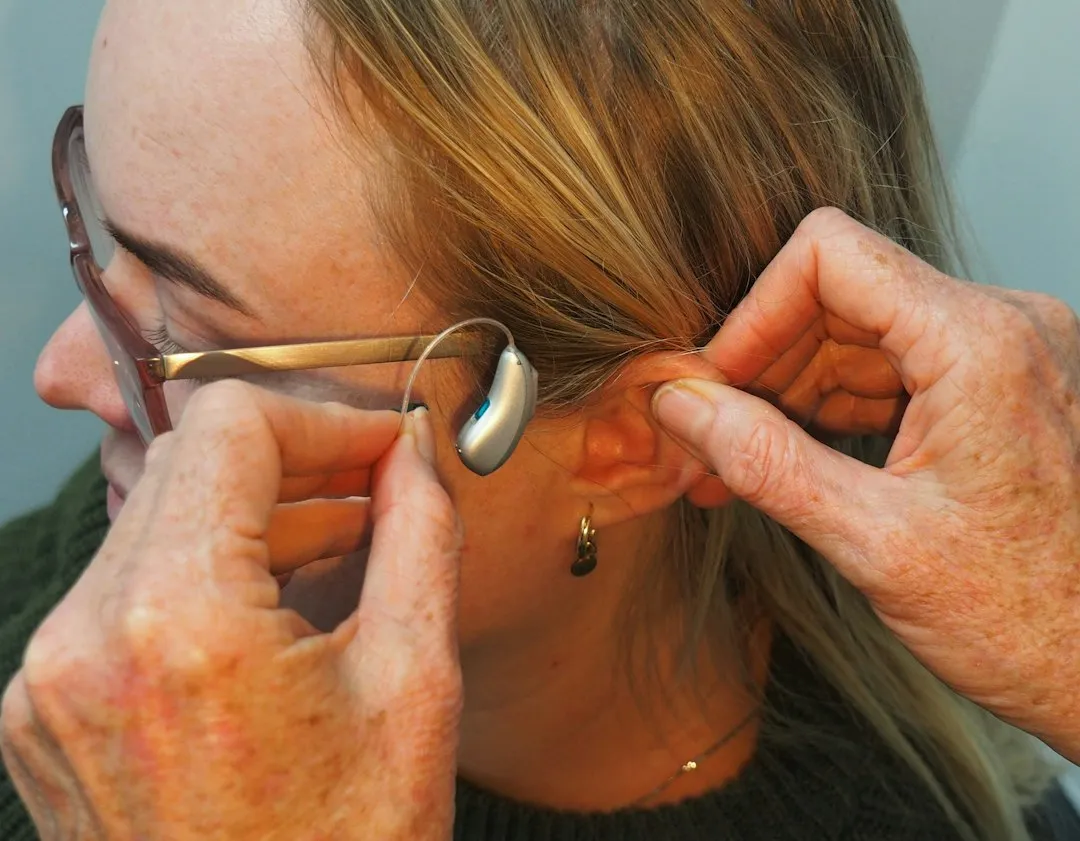
Prescription hearing aid prices usually bundle the device with professional services, including a hearing test, custom fitting, follow-up adjustments, and cleanings, into one fee that often reaches $4,000 to $7,000 per pair. The problem isn’t that those services lack value. The problem is that most buyers don’t know they’re paying for all of them upfront, whether they use them or not.
A 2023 analysis found that bundled professional services account for an estimated 30 to 50 percent of the retail hearing aid price in traditional audiology channels. That’s a substantial portion of the bill for services some people will rarely need after the initial fitting.
The bundled cost of hearing aids typically includes the devices, initial fitting, orientation, and additional services, usually covering all follow-up visits for adjustments, fine-tuning, cleaning, and maintenance. For someone with complex hearing loss, that ongoing relationship with a specialist is genuinely worth it. For someone with mild loss buying their first device, it may not be.
What the FDA Did in 2022 (and Why Most People Still Don’t Know)
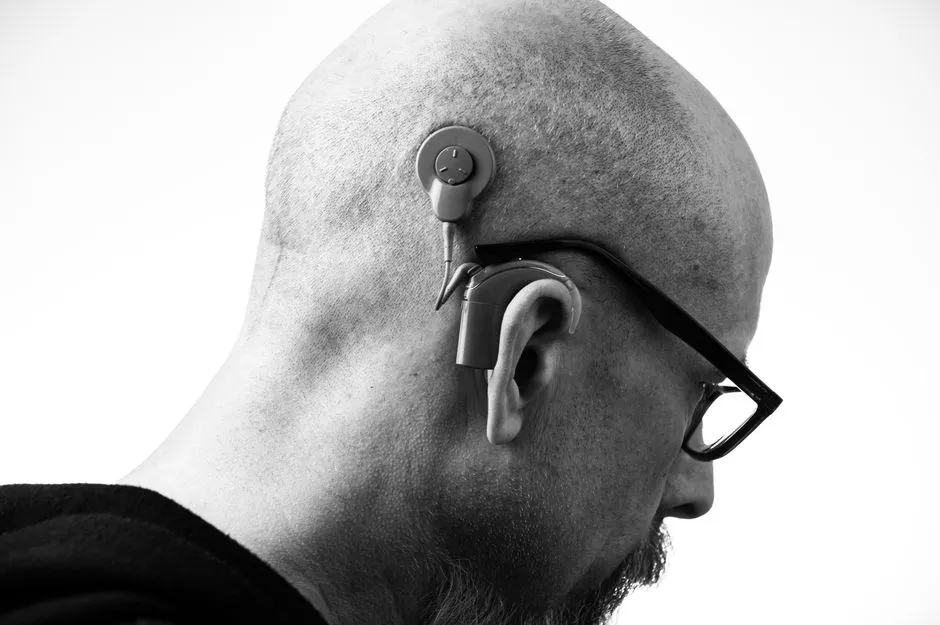
In 2022, the Biden administration finalized rules permitting hearing aids to be sold over the counter to millions of Americans with mild to moderate hearing loss. This wasn’t a minor regulatory tweak. It fundamentally rewired the economics of the market.
The biggest change came from the FDA’s 2022 rule that created a brand-new category: over-the-counter hearing aids. Since October 2022, adults 18 and older with perceived mild to moderate hearing loss can buy real, FDA-regulated hearing aids directly, without a prescription, medical exam, or audiologist fitting.
Before the 2022 rules, prescription hearing aids averaged $4,744 per pair. Today, OTC hearing aids cost a few hundred dollars or less. Awareness, though, hasn’t kept pace with policy. Many buyers still walk straight into an audiology clinic without knowing another path exists.
OTC Hearing Aids: What You Actually Get for Less
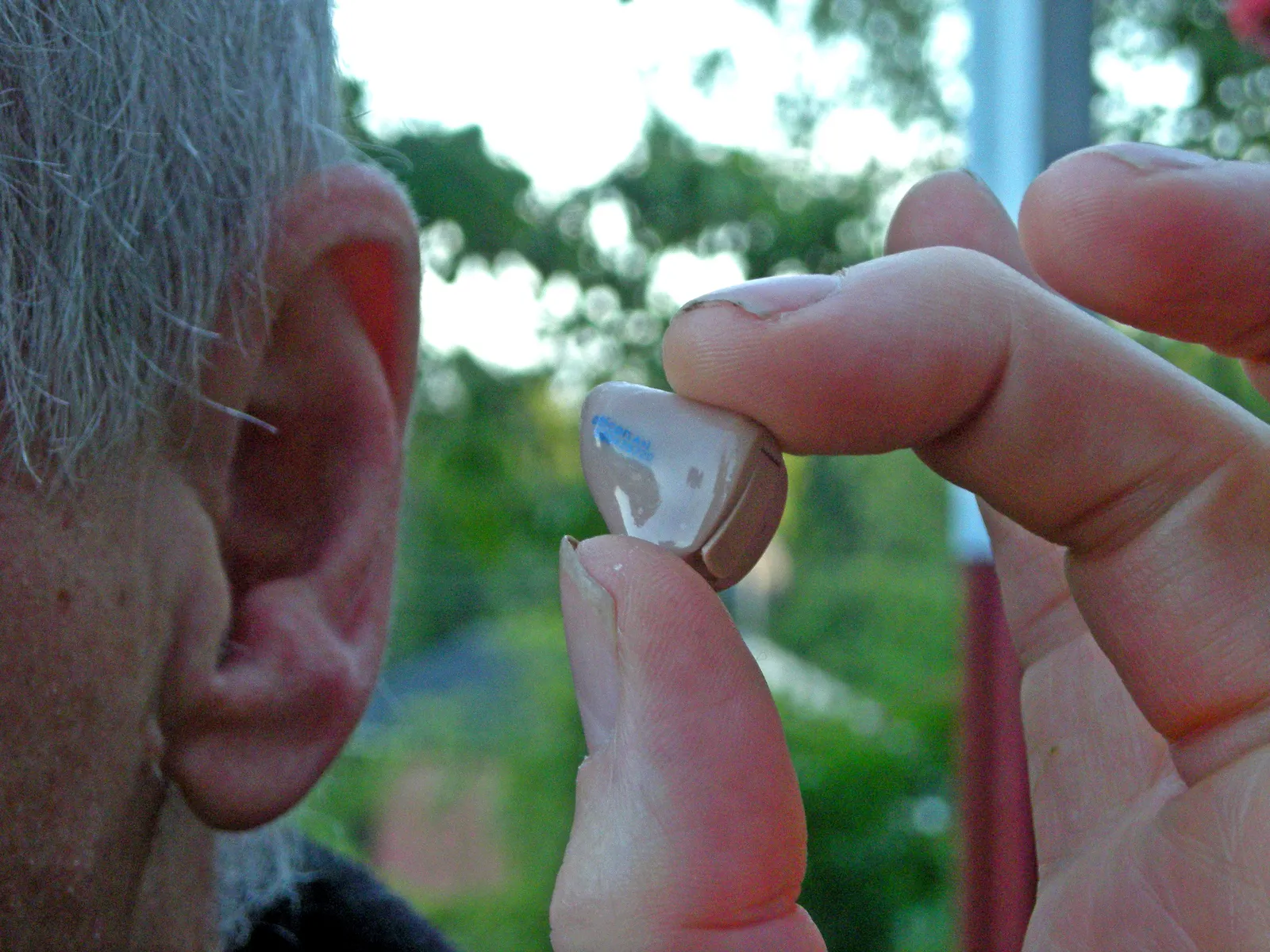
Hearing aid prices range from $99 to over $8,000 per pair depending on the technology and care model. Over-the-counter hearing aids start around $199 and are designed for adults with mild to moderate hearing loss.
Research shows OTC adoption increases access without diminishing outcomes for mild-to-moderate cases. One study projected lifetime quality-adjusted life-year gains within a very narrow margin between OTC and traditional provision, while cutting average cost per user by 62 to 95 percent. Those are significant numbers worth sitting with.
The best-value zone for most adults with perceived mild to moderate hearing loss is roughly $1,195 to $1,695 per pair, which buys a self-fitting OTC model with Bluetooth and remote audiologist support, such as the Jabra Enhance Select 50R or Select 300. These aren’t toy amplifiers. They’re legitimate, regulated medical devices.
The Apple AirPods Disruption Nobody Saw Coming
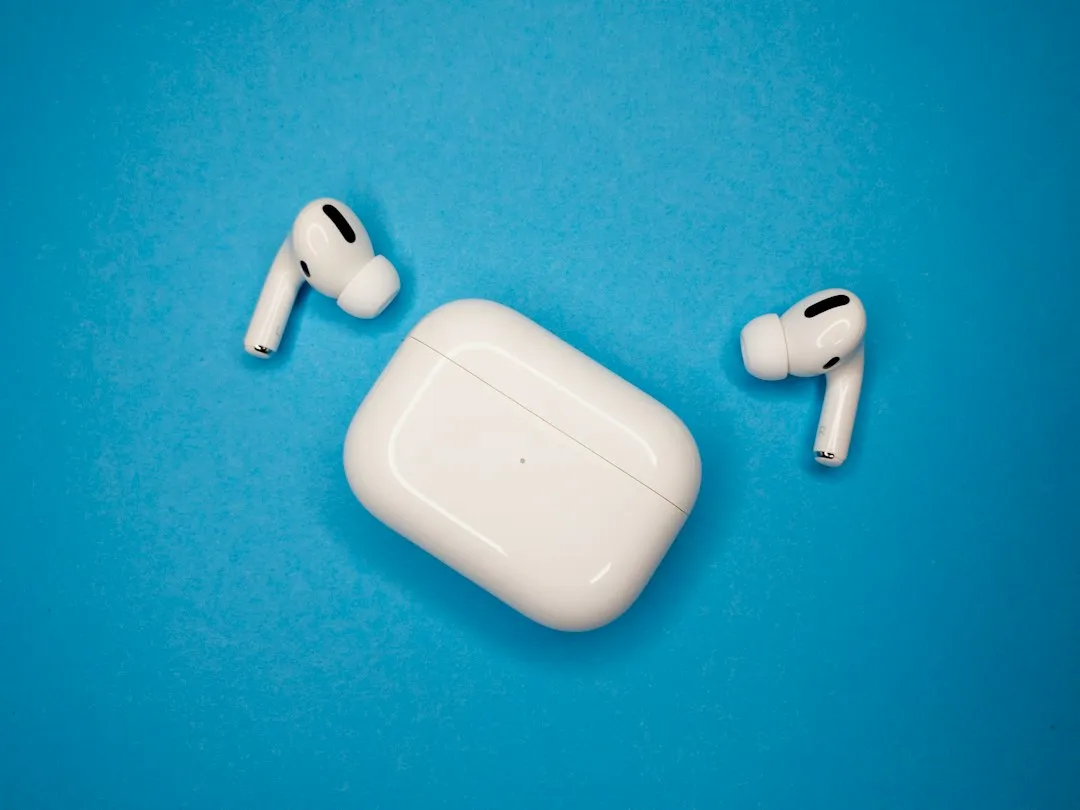
After years of speculation about whether Apple would enter the hearing aid market, the FDA approved the company’s Hearing Aid Feature, available with its AirPods Pro 2 earbuds, in September 2024. The feature allows users to take a five-minute at-home hearing test and then adjust their sound settings according to the results.
The FDA cleared Apple’s Hearing Aid Feature for AirPods Pro 2 paired with an iPhone or iPad running iOS 18 or later, meaning a regulated OTC hearing aid is now available at the $249 price of consumer earbuds. For someone in the early stages of hearing loss, that’s a fundamentally different conversation than a $5,000 clinic visit.
The significance of this isn’t just the price. It’s the signal. When a consumer electronics giant enters a medical device category and immediately competes on price and convenience, it tells you something about the margin structure that existed before.
The Costco Factor: Same Technology, Drastically Different Price

On average, customers saved roughly 65 percent on brands from leading manufacturers like Sonova, GN, and WSA. A pair of hearing aids averaged $1,674 at Costco versus over $5,225 for similar technology at traditional clinics. That’s not a small discount. That’s a pricing structure built around volume and lower overhead rather than markup.
Costco currently offers hearing aids from four brands: Philips, Jabra, Rexton, and Sennheiser. In one major survey, all four came in between $1,442 and $1,700 per pair, far below the $3,500 to $4,500 typical of premium brands at traditional clinics.
Costco’s Kirkland Signature averaged $1,377 per pair, while Jabra, Rexton, and Philips all came in under $1,700. Notably, Jabra and Rexton are manufactured by the same parent companies as ReSound and Signia respectively, suggesting these value brands may offer comparable technology at reduced prices. The device inside the box is often closely related to its premium-branded counterpart.
Unbundled Pricing: The Option Clinics Rarely Advertise
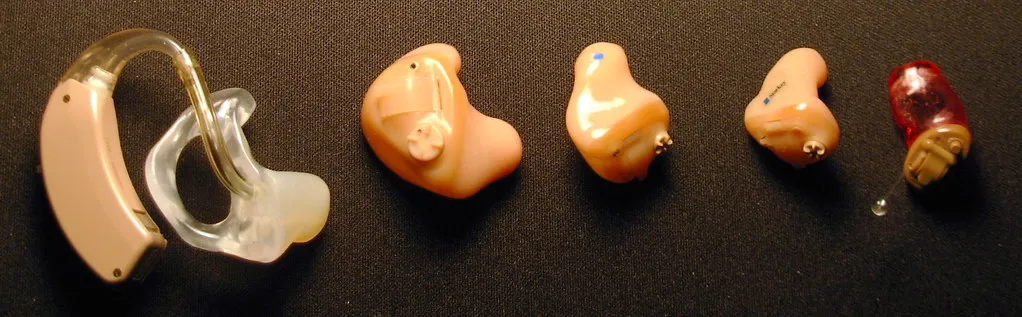
A subset of clinics now offer unbundled pricing, listing the device and each follow-up appointment separately. Unbundling is helpful if you don’t need the full follow-up schedule. It can shave 20 to 40 percent off the bundled total, sometimes more, if you’re confident with the device.
A growing number of audiologists now offer unbundled pricing, separating the device cost from professional services. You pay for the hearing aids at a lower price, then pay per visit for fittings and follow-ups. For someone who needs one or two adjustments per year rather than ongoing intensive care, the math shifts considerably in their favor.
Requesting unbundled pricing means paying only for the services you need, with potential savings of 30 to 40 percent upfront. The catch is that you have to ask. Most clinics default to the bundled model.
Insurance and Medicare: The Coverage Gap That Stings
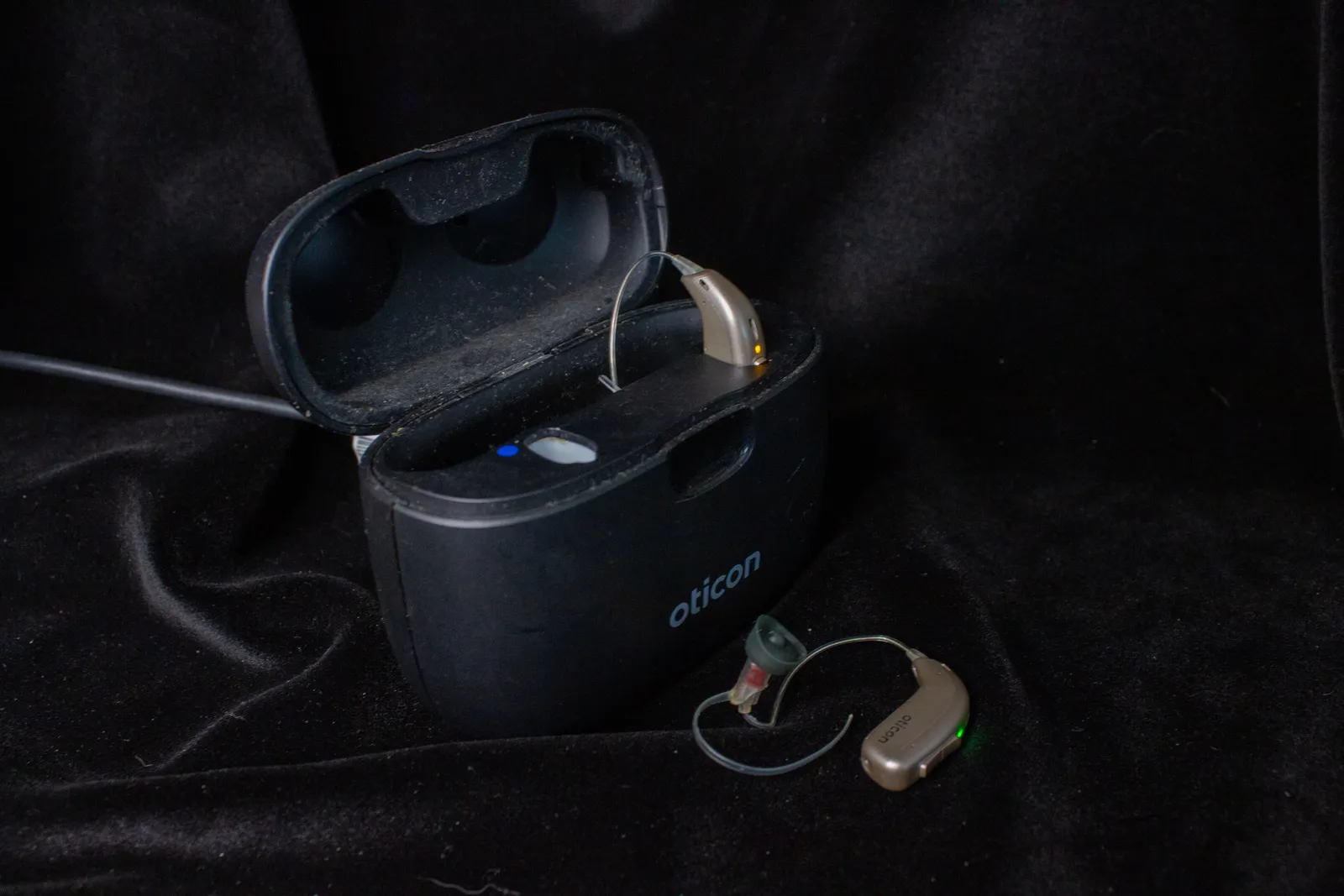
Original Medicare, Parts A and B, does not cover hearing aids or routine hearing exams. Medicare Advantage plans, Part C, frequently include hearing benefits, though coverage varies significantly by plan. For the millions of older Americans who rely on Medicare, this remains one of the sharpest gaps in the program.
Those who purchase traditional prescription hearing aids with healthcare insurance save an average of 32 percent, or about $1,694, on premium-tier products, and more than 50 percent when purchasing mid-tier products. Insurance, when it applies, genuinely changes the math.
Over 70 percent of U.S. adults now pay full retail for hearing assistance, since Medicare still excludes coverage and most private plans offer limited or no reimbursement. That means the responsibility for finding a fair price falls almost entirely on the individual buyer.
What Technology Tier You Actually Need
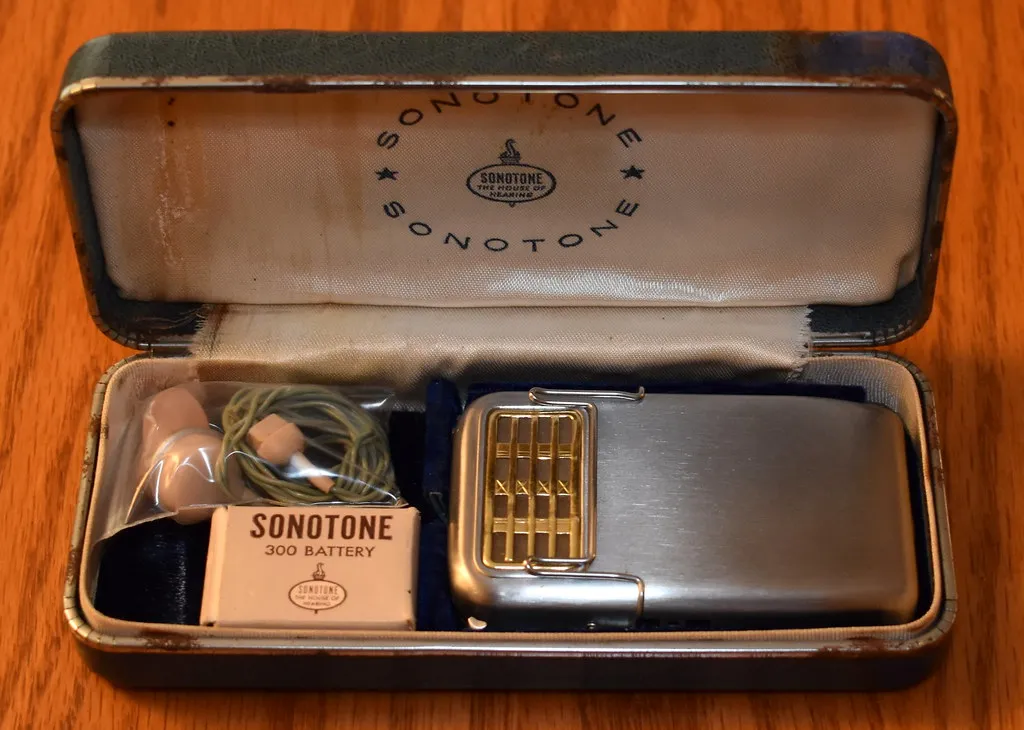
When purchasing prescription hearing aids, manufacturers typically offer three or more technology tiers per model. Low-end hearing aids averaged $2,150 per pair while top-end hearing aids came in over $3,000 more on average, at $5,225 per pair. The question worth asking is whether that performance gap reflects your real-world listening situations.
The premium tier adds AI-driven sound classification, custom ear molds, dedicated streaming dongles, and priority support lines. However, utility gains tend to plateau beyond roughly $2,500 for most users. Premium features matter most for people with severe loss, complex acoustic environments, or strong preferences for Bluetooth integration.
For first-time buyers with mild to moderate loss, starting at a mid-tier OTC or value clinic device and upgrading later if necessary is a reasonable, financially sound approach. You can always spend more. Getting a refund on overpaid services is considerably harder.
How to Avoid Overpaying: A Practical Summary
You can save money by using HSA or FSA funds, exploring Costco options, or shopping online with remote support. These aren’t obscure workarounds. They’re legitimate purchase paths used by a growing share of buyers.
Full three-year service packages with unlimited adjustments, warranty, and cleaning add $1,000 to $2,000 to the device cost compared to unbundled pay-per-visit pricing. Knowing this before you sign means you can ask the right questions in the clinic rather than after the invoice arrives.
The price tag on a hearing aid often includes more than just the device. The cost typically covers the hardware, the fitting appointment, the initial adjustment, and follow-up care for a specific period. Breaking that down, line by line, before committing is no different from reading any other significant contract before signing it.
The Bottom Line on Hearing Aid Pricing
The hearing aid market in 2026 looks genuinely different from what it was just four years ago. FDA-regulated devices are available for a few hundred dollars. Costco offers clinic-grade fittings at a fraction of the private audiology price. Unbundled pricing exists for those who ask. Apple has entered the space at $249.
What hasn’t changed is the default path most buyers still follow: walk into a clinic, trust the recommendation, and sign for a bundled package that costs several thousand dollars. For people with severe or complex hearing loss, that path is often the right one. For the large group with mild to moderate loss, it frequently isn’t.
The overpayment isn’t usually the result of a bad actor. It’s the result of a buyer who didn’t know their options had expanded. In this case, knowing just a little more can realistically save thousands of dollars, which is a fairly compelling reason to spend ten minutes reading before spending thousands of dollars buying.
AI Disclaimer: This article was created with the assistance of AI tools and reviewed by a human editor.