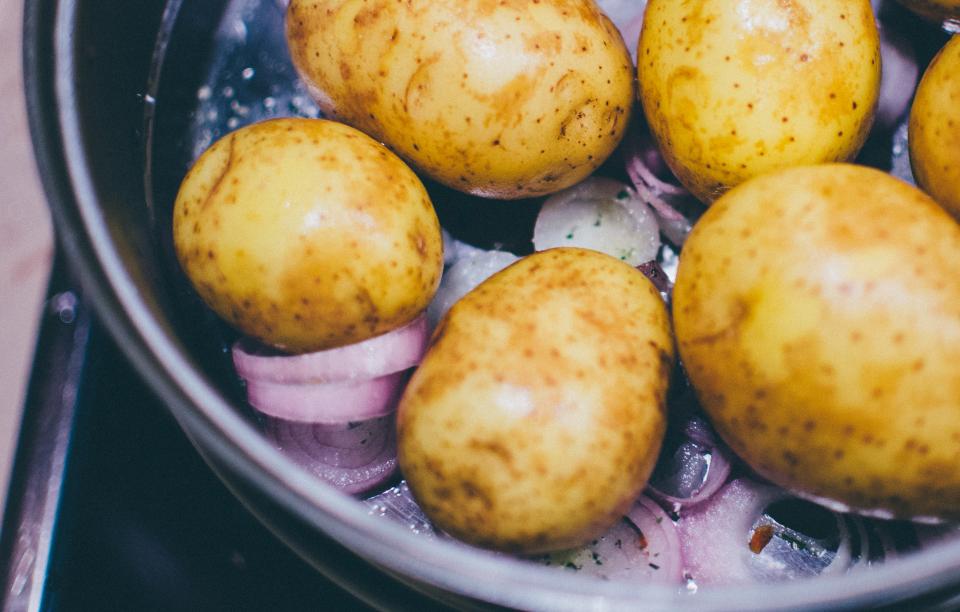

Most of us have done it without a second thought: dropped the potatoes and onions into the same basket, closed the pantry door, and moved on. It seems perfectly logical. They’re used in similar recipes, they both prefer cool and dark spots, and storing them side by side just feels tidy. The reality, though, is that this common habit shortens the shelf life of both vegetables faster than almost anything else you could do to them.
The science behind why these two staples clash in storage is more layered than most people realize. It’s not just one problem – it’s a combination of gases, moisture, and chemical reactions working simultaneously against you. Understanding what’s actually happening inside that basket might change how you organize your kitchen for good.
The Ethylene Gas Problem
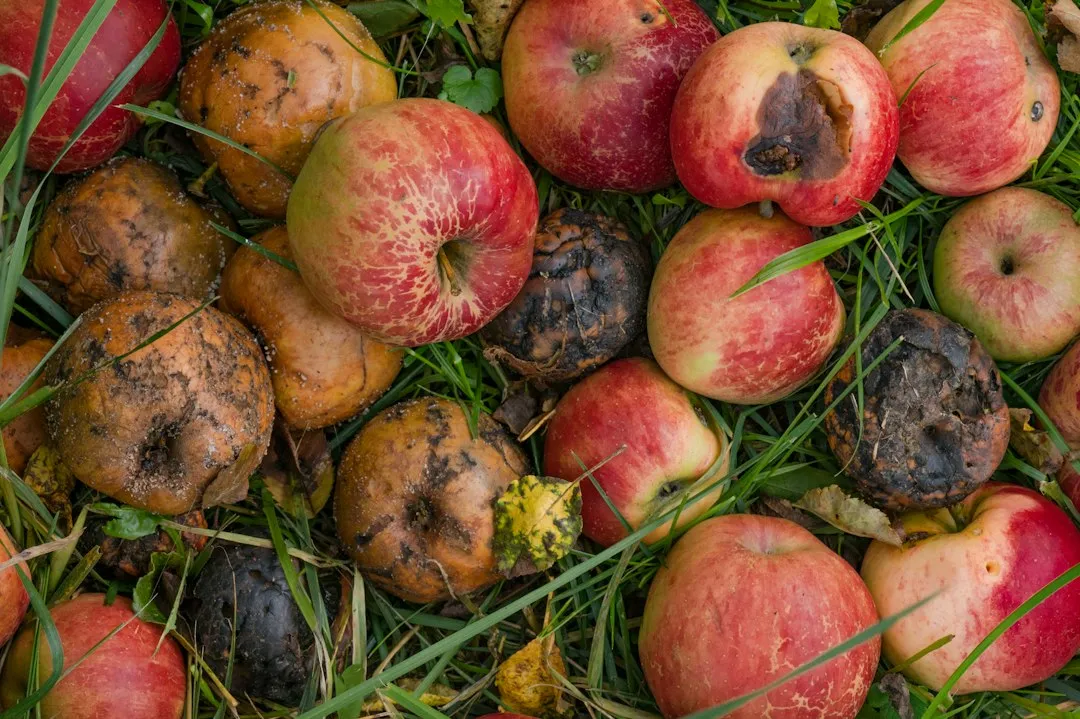
Onions naturally emit ethylene, a gas that essentially makes produce ripen much faster. Ethylene is a plant hormone that encourages produce to ripen, and while many fruits and vegetables contain ethylene, a few common varieties emit enough of this gas to affect produce stored around them. Onions are among these high emitters, as are apples, bananas, and avocados.
Onions naturally emit this odorless, invisible gas, which acts as a potent ripening agent. When potatoes are exposed to ethylene gas, it triggers a biological response that accelerates their aging process, causing potatoes to sprout prematurely, develop soft spots, and lose their structural integrity much faster than they would if kept in isolation.
Why Potatoes Start to Sprout Faster
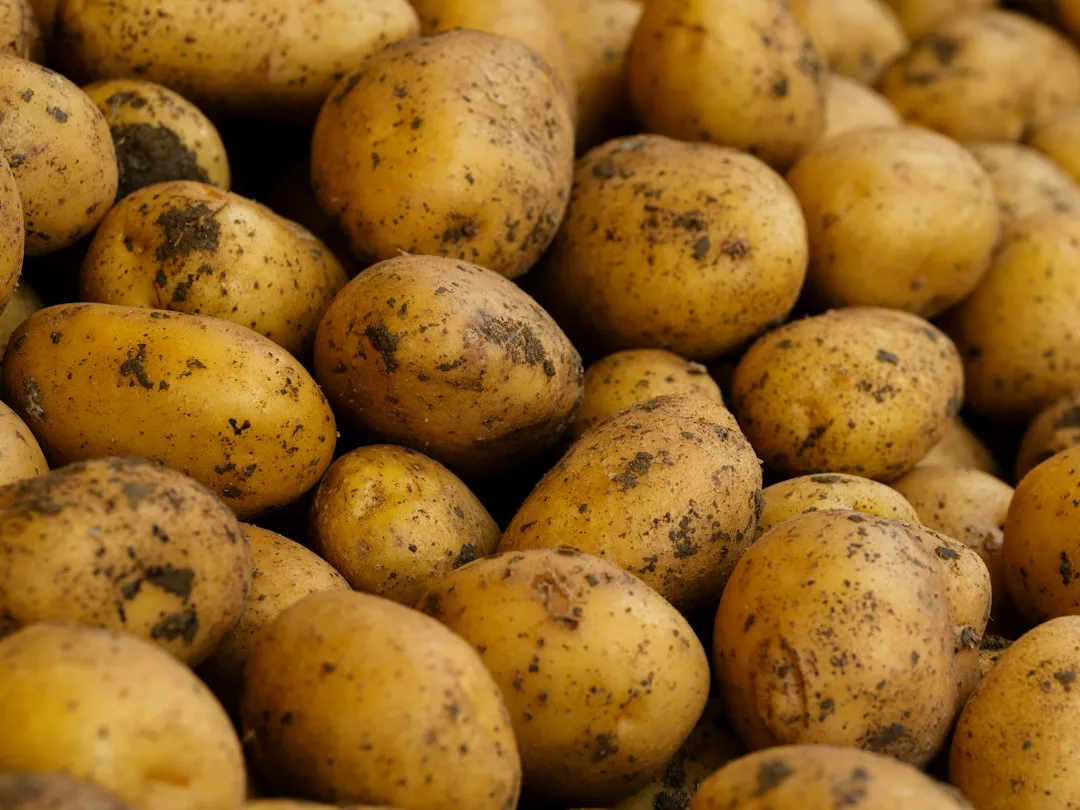
When exposed to the ethylene emitted by onions, a potato receives a signal to prematurely “ripen,” which in a potato’s case manifests as sprouting or growing “eyes” and sometimes roots. This process makes the potato soft, shriveled, and ultimately unusable, drastically shortening its shelf life.
If you store potatoes and onions next to each other, you’ll probably find your potatoes starting to sprout and wrinkle sooner than they should. The process happens even more quickly when you store them together in a paper or plastic bag, which creates a warm, humid environment that encourages growth and ripening.
What Moisture from Potatoes Does to Onions
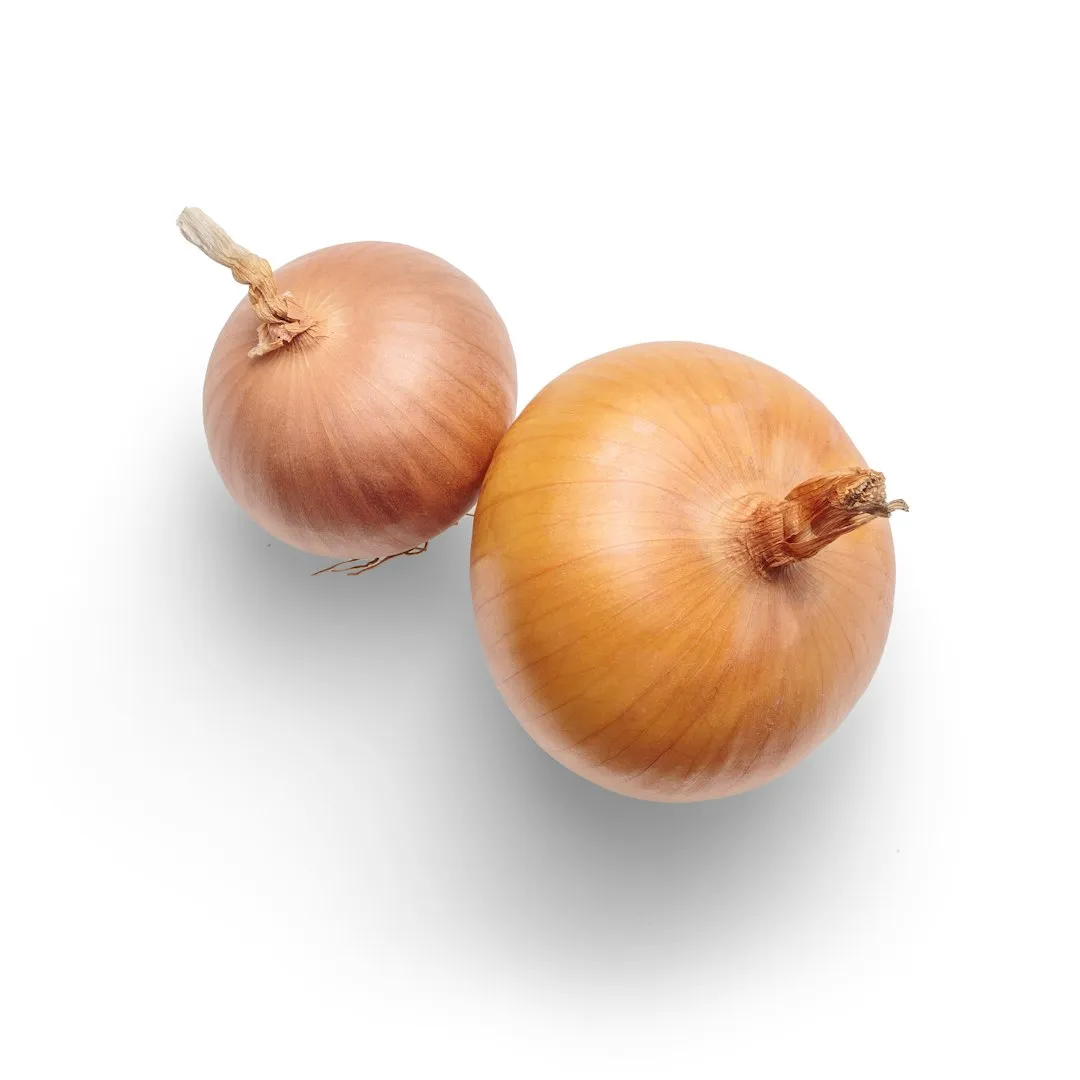
The incompatibility between these two vegetables is not a one-way street. A secondary but equally important factor is moisture transfer. Potatoes naturally have a high moisture content, and when stored in close proximity to onions, this moisture can be absorbed by the onions, causing them to turn brown and become mushy.
Potatoes’ high moisture content can cause onions to liquefy and leak. If you notice a single onion beginning to soften or develop a pungent odor, remove it from the batch immediately. One decaying onion can release moisture and gases that accelerate the spoilage of surrounding produce, often leading to a domino effect of rot.
The Solanine Risk in Sprouted Potatoes
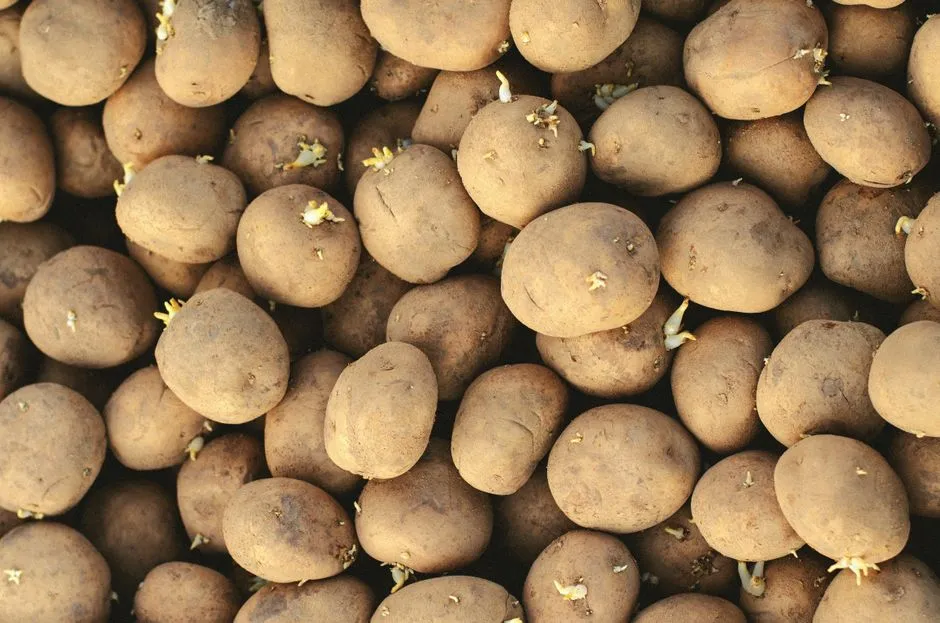
Potato sprouts and the green areas around them contain toxic compounds called solanine and chaconine, which are natural plant defenses that can cause nausea, vomiting, and neurological symptoms if consumed in significant amounts. According to research published in the Journal of Agricultural and Food Chemistry, solanine concentrations can increase from 0.07 to 0.1 mg per gram in healthy potatoes to over 1 mg per gram in sprouted or green areas, levels that can potentially cause illness when consumed.
Concentrations above 20 mg per 100 g are considered toxic, with sprouted and green potatoes often exceeding this limit. Common symptoms of solanine toxicity include nausea, diarrhea, vomiting, a throat-burning sensation, headache, and dizziness. In more severe cases, hallucinations, sensory loss, paralysis, fever, jaundice, and dilated pupils may occur. That said, toxic effects are only seen when large quantities of green or sprouted potatoes are consumed.
How Onion Odor Transfers into Potatoes
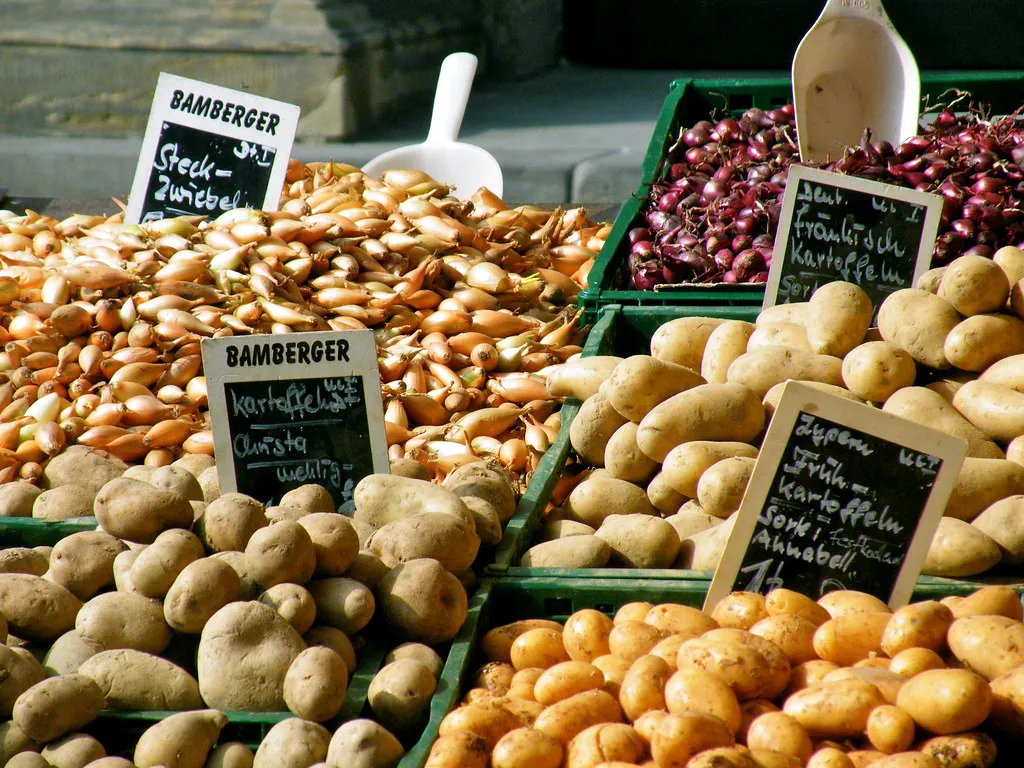
Onions also release a strong odor that can permeate the potatoes. The recommendation to store onions and potatoes separately is a rule based on three distinct principles: the effects of ethylene gas on ripening, the transfer of moisture, and the absorption of odors. The odor problem often gets overlooked in favor of the more dramatic chemical concerns, but it’s genuinely annoying once you notice it in a cooked dish.
Potatoes are remarkably good at absorbing surrounding smells, which is a useful trait in some cooking contexts but an unwelcome one in storage. Onion-flavored mashed potatoes that weren’t intentionally seasoned that way are a tell-tale sign that something went wrong well before they hit the stove.
Similar Needs, Incompatible Natures
Onion bulbs and potato tubers both flourish underground, meaning that the vegetables require similar storage conditions – cool, dark, and ventilated environments – and they fare much better on a counter than in the fridge. This shared preference is exactly why people assume they belong together.
Achieving long-term freshness requires understanding the unique environmental needs of these two staples. While both thrive in cool, dark, and dry locations, their chemical interactions are incompatible. Similarity in preferred conditions is not the same as compatibility in close proximity. That distinction matters more than most people expect.
What Happens in a Warm or Enclosed Space
The spoilage process happens even more quickly when you store potatoes and onions together in a paper or plastic bag. This creates a warm, humid environment that encourages growth and ripening, similar to an outdoor garden. For the same reason, you also shouldn’t store potatoes and onions near your oven and stovetop, since the heat emitted from those sources can speed up the spoilage process.
Enclosed baskets with no airflow make things worse still. Heat, trapped ethylene, and accumulated moisture form a perfect storm for spoilage. Even a short stretch of warm weather can dramatically speed up the timeline if both vegetables are sitting side by side in a sealed container.
The Role of Light Exposure
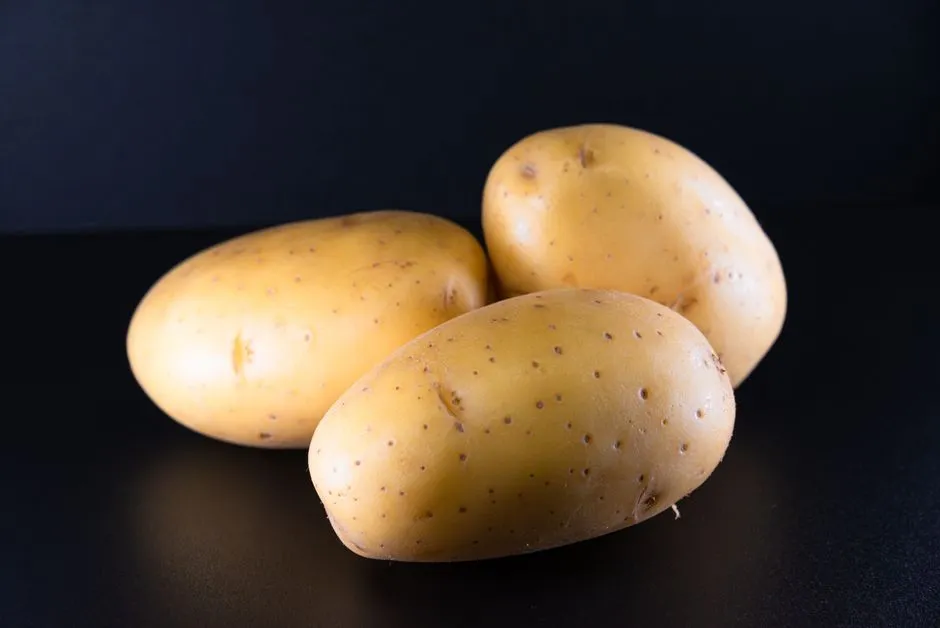
Both vegetables need to be stored in a dark place because light causes them to ripen faster. That’s especially crucial for potatoes, as the production of solanine is directly connected to light exposure. These toxins increase when potatoes are exposed to light, damaged, or begin to sprout, as part of a defense mechanism against pests and disease.
Factors that increase solanine concentrations include physical injury to the plant, certain potato varieties, physiological stress, immaturity, low storage temperature, and exposure to light. The greening of potatoes after harvest is evidence of improper storage under suitable conditions. Keeping potatoes in an opaque, ventilated container away from windows makes a measurable difference in how long they stay firm and usable.
How Far Apart Should They Actually Be?
Since ethylene gas is the culprit of premature spoilage, you want onions and potatoes far enough apart so that normal ventilation will keep them fresh. Mostly that means not keeping them in the same bag, basket, box, or drawer. A few feet apart in an airy pantry should be fine.
USDA research confirms they require separate, cool storage between 45 and 55 degrees Fahrenheit, kept dark and well-ventilated. Never refrigerate either, since cold temperatures convert potato starch to sugar. For immediate use, keep them in breathable containers like mesh bags at room temperature.
The Right Way to Store Each One
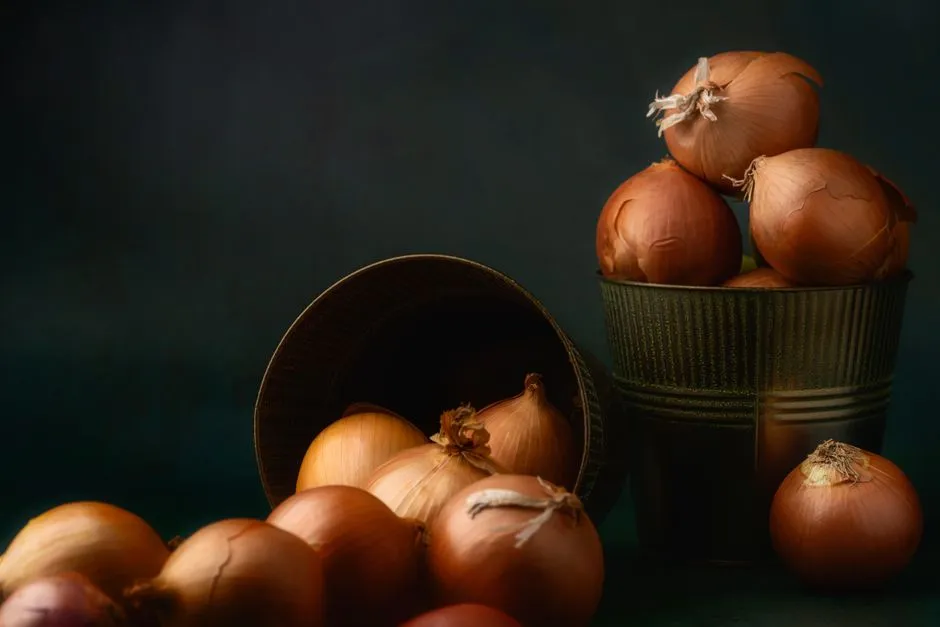
Choose a cool, dark place that is well-ventilated, such as a corner of your kitchen countertop away from heat sources or in a wire basket in your pantry. Any storage vessel that has good airflow will keep potatoes fresh for several weeks. Onions like to stay dry, so don’t store them in anything that could trap moisture – a wire basket or paper or mesh bag is ideal.
By giving your onions their own dedicated, well-ventilated space, you ensure they stay crisp and flavorful for months rather than weeks. Stored properly, these pantry staples will last for months. That’s a meaningful difference compared to what happens when they share a basket and start working against each other within days.
The Takeaway
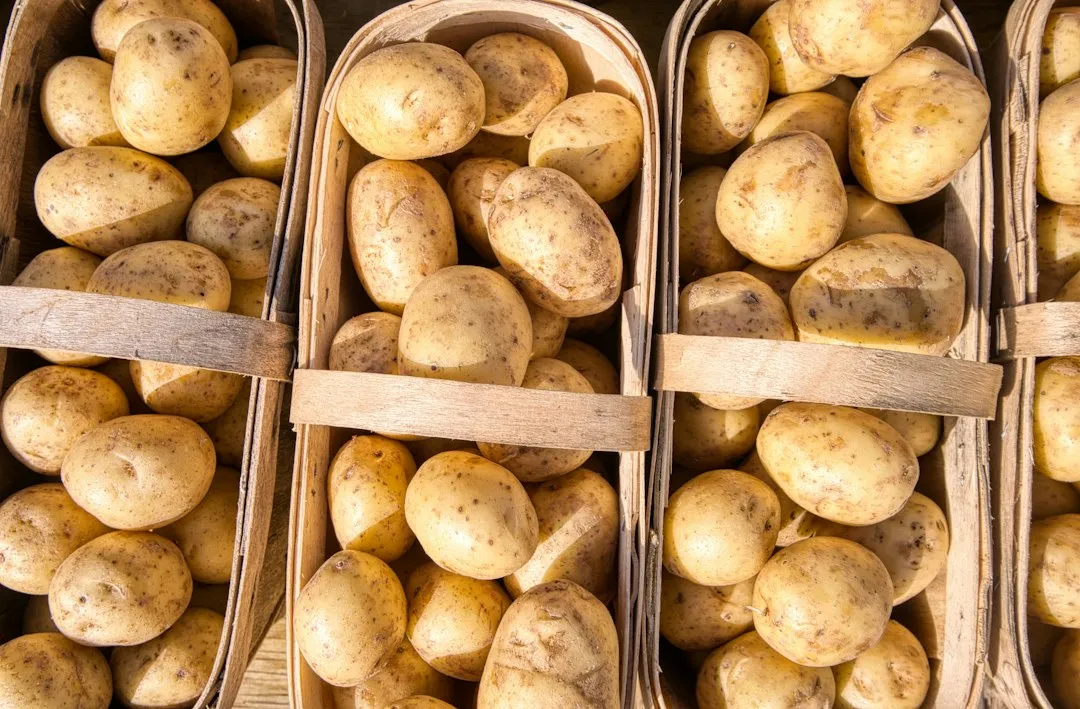
The problem is not a simple case of one item damaging the other but a mutual, detrimental interaction. Ethylene gas, excess moisture, and odor transfer all play a role, and they all happen at the same time when these two vegetables are stored side by side. It’s a quiet, invisible process that most people only notice after the damage is already done.
The fix is genuinely simple: give each vegetable its own space, keep both in cool dark spots with good airflow, and treat them as neighbors who are better off a few pantry shelves apart. You’ll waste less food, spend less money replacing spoiled produce, and your potatoes will stay firm and sprout-free for far longer than they ever did when sharing a basket with the onions.
AI Disclaimer: This article was created with the assistance of AI tools and reviewed by a human editor.