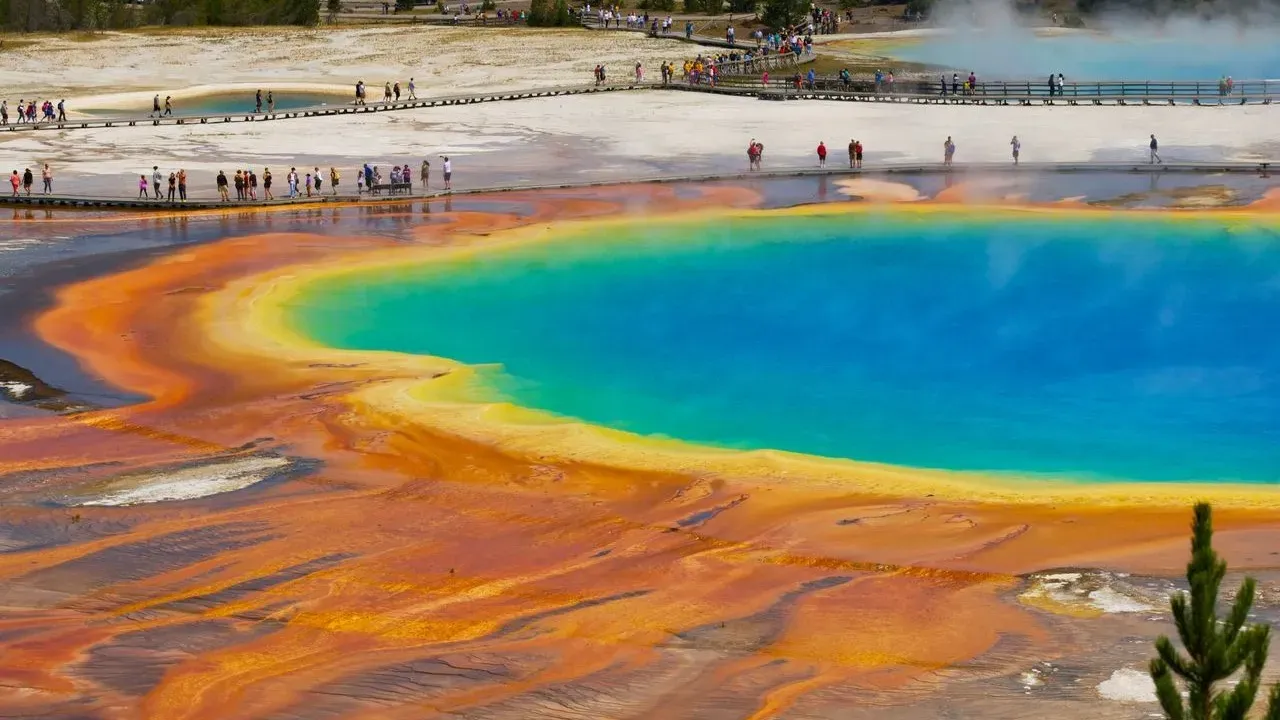

Yellowstone National Park has received a record $105 million commitment from Tallgrass, a Colorado company developing an AI power hub near Cheyenne. The funding establishes a conservation and stewardship fund aimed at supporting the nation’s first national park through infrastructure improvements, conservation work, and enhanced public access. The announcement marks one of the largest single private gifts directed at Yellowstone in its history.
Unexpected Partnership Between Energy Development and Park Protection
The collaboration links an emerging AI infrastructure project with long-term stewardship of a landmark public landscape. Tallgrass, based in Colorado, is constructing a power facility near Cheyenne that will support advanced computing operations. The company’s decision to direct substantial resources toward Yellowstone reflects a broader pattern in which energy and technology firms seek to balance operational growth with environmental commitments. Stakeholders on both sides stand to benefit from the arrangement. Park managers gain dedicated resources for projects that might otherwise compete with other federal priorities. Tallgrass gains visibility for its role in supporting a globally recognized natural area. The fund’s structure emphasizes practical outcomes rather than broad pledges, focusing on measurable improvements in facilities, habitat management, and visitor infrastructure.
Scope of the Conservation and Stewardship Fund
The $105 million allocation targets three primary areas: infrastructure upgrades, conservation initiatives, and expanded access. Infrastructure work could include repairs and modernization of roads, trails, and utilities that serve millions of annual visitors. Conservation efforts are expected to address habitat restoration, wildlife protection, and resource management challenges that have grown more complex in recent decades. Access improvements aim to make the park more welcoming while maintaining its ecological integrity. This might involve better signage, updated entry facilities, and programs that reduce congestion at popular sites. Because the fund is structured as a dedicated vehicle rather than a one-time transfer, it provides a multi-year framework for planning and implementation. The scale of the gift sets a new benchmark for private support of national parks. Previous large donations have typically come from individuals or foundations with long-standing ties to conservation. The involvement of a company tied to AI infrastructure introduces a different profile of donor and raises questions about how similar partnerships might develop elsewhere.
Practical Implications for Park Operations and Visitors
Park officials will now have additional flexibility to address deferred maintenance and emerging needs without relying solely on annual appropriations. This can accelerate timelines for projects that protect water quality, reduce wildfire risk, or improve safety along heavily used corridors. Visitors may notice incremental changes in coming seasons as funds begin to flow toward visible improvements. The arrangement also highlights the evolving relationship between technology-driven energy demand and traditional conservation priorities. As AI facilities require significant power resources, companies in that sector are increasingly exploring ways to offset or complement their footprint through support for protected lands. Yellowstone’s status as the first national park gives the gift added symbolic weight.
What Matters Now
The fund’s success will depend on transparent governance and clear reporting on how dollars translate into on-the-ground results. Both Yellowstone managers and Tallgrass have an interest in demonstrating that the partnership delivers tangible benefits. Over time, the model could influence how other parks and energy developers approach similar collaborations.
AI Disclaimer: This article was created with the assistance of AI tools and reviewed by a human editor.