

What Defecation Syncope Actually Means
Defecation syncope is a sudden, brief loss of consciousness triggered by straining during a bowel movement. It’s not simply dizziness or feeling lightheaded for a moment. It’s a full, temporary blackout that can happen while seated on the toilet, leaving an older adult vulnerable to a dangerous fall in a confined, hard-surfaced space.
Defecation syncope is a form of vasovagal syncope. The act of straining to pass stool, known as the Valsalva maneuver, triggers changes in the body that briefly reduce blood flow to the brain. That reduced flow is what causes the lights to go out, even if only for seconds.
The Valsalva Maneuver: The Mechanism Behind the Risk

During a Valsalva maneuver, the holding of the breath and straining forces the diaphragm downward due to increased pressure inside the thoracic cavity. The maneuver can be dangerous for several reasons. The increased pressure in the thoracic cavity reduces the amount of blood flowing into it, especially in the veins leading to the right atrium of the heart.
The Valsalva maneuver, or straining during a bowel movement, can trigger a sudden drop in heart rate and blood pressure, leading to syncope or fatal cardiac arrest. For a healthy younger adult, the body compensates quickly. For an older person with reduced cardiovascular flexibility, that compensation may come too slowly, or not at all.
The Valsalva maneuver adversely affecting the cardiovascular system is the causative factor of defecation syncope and death. The cardiovascular system of a healthy person withstands the intensive and repeated straining at defecation, while the compromised cardiovascular system may fail, resulting in syncope or even death.
Why Older Adults Face a Dramatically Higher Risk

In older adults, blood vessels and heart reflexes may be less adaptable. Even a mild drop in blood pressure during straining can lead to fainting. This is the key distinction from what a younger person would experience under the same conditions.
Defecation syncope is more common in people aged 65 and older, especially those with heart or nerve-control (autonomic) issues. The aging nervous system simply doesn’t rebound as fast, and when you combine that with common age-related conditions, the vulnerability compounds quickly.
Orthostatic Hypotension: A Second Danger in the Same Room

Straining isn’t the only bathroom risk for older adults. The simple act of standing up from the toilet seat can trigger a separate but equally dangerous condition. Orthostatic hypotension is defined by a drop in blood pressure of at least 20 mmHg for systolic blood pressure and at least 10 mmHg for diastolic blood pressure within 3 minutes of standing up, and it is a frequent finding, particularly in elderly patients.
The prevalence of orthostatic hypotension is age dependent, ranging from roughly 5% in patients under 50 years of age to 30% in those over 70 years of age. That’s a dramatic shift, meaning nearly one in three people over 70 may experience this blood pressure drop simply by rising from a seated position.
The greatest blood pressure drop occurs within the first 30 seconds after standing up. In a bathroom, that 30-second window often happens right next to a hard floor, a porcelain sink, and a tub edge.
Medications That Make Everything Worse

Many older adults take daily medications for blood pressure, heart conditions, or depression. Several of these drugs quietly amplify the fainting risk during bathroom use. People over 65 face several factors that raise the chance of defecation syncope, including medications such as blood pressure pills, diuretics, and antidepressants.
Medications for blood pressure can exacerbate the effects of the Valsalva maneuver, leading to more frequent bouts of dizziness. This creates a compounding effect where a necessary medication inadvertently heightens a physiological vulnerability that’s already elevated by age.
Constipation Is a Core Contributor

Chronic constipation is far more common in older adults than most people realize, and it is directly linked to defecation syncope risk. When stools are hard or infrequent, straining becomes more forceful and prolonged, amplifying the cardiovascular stress of the Valsalva maneuver.
Factors that raise the risk of defecation-related fainting include chronic constipation or hard stools, painful hemorrhoids or anal fissures, dehydration or low salt intake, and medications that lower blood pressure. These aren’t rare conditions. Many older adults live with several of them simultaneously.
Vagal response in adults over 65 is often benign, but age-related changes, medications, and dehydration can make drops in heart rate and blood pressure more dangerous, increasing fall risk and masking heart rhythm problems.
The Bathroom Environment Amplifies the Consequences

Even if a fainting episode itself lasts only seconds, the physical environment of the bathroom turns that brief event into a serious injury risk. Studies indicate that over 80% of elderly falls occur in bathroom environments. The combination of compact spaces, hard surfaces, and porcelain fixtures means there is very little room for a fall to end well.
Bathrooms represent one of the most critical residential micro-environments for older adult safety. Unlike many other domestic spaces, bathroom use combines water exposure, compact layouts, closely spaced fixtures, restricted turning space, and repeated posture transitions such as sitting, standing, bending, reaching, and transferring.
Falls are notorious for happening in the bathroom. The heat from a bath or shower can also trigger the brain’s fainting response. So the risk isn’t limited to the toilet. Simply taking a hot shower can lower blood pressure enough to cause lightheadedness in vulnerable older adults.
Red Flags That Demand Immediate Medical Attention

Not every episode of defecation syncope is a medical emergency, but certain warning signs should prompt an immediate call to emergency services. Call 911 or go to the ER immediately if fainting is accompanied by chest pain or palpitations, confusion or persistent weakness, seizure-like movements or loss of consciousness lasting more than a minute, very low blood pressure or slow pulse, shortness of breath, or heavy rectal bleeding.
Because defecation syncope can signal underlying heart, blood pressure, or neurological issues, identifying the root cause is essential, especially for adults 65 and older. A single fainting episode on the toilet that resolves quickly might be benign. Recurring episodes are a different matter entirely.
Underlying Conditions That Increase Vulnerability

Senior citizens are more likely to faint in bathrooms due to factors like orthostatic hypotension, dehydration, heat, medication side effects, and poor balance. Many of these conditions don’t exist in isolation. An older adult with Parkinson’s disease, for instance, may simultaneously deal with autonomic dysfunction, constipation, and blood pressure medication.
Initial orthostatic hypotension is associated with higher risks of falls, frailty, and syncope in older adults, and it affects roughly more than a quarter of older general populations. When these numbers are applied to the tens of millions of adults over 65 currently living independently, the scope of the issue becomes genuinely significant.
Practical Steps Doctors Recommend
When defecation-related fainting spells are benign in otherwise healthy seniors, simple measures including stool softeners, more fluids, and gentle toileting positions often prevent recurrence. These are accessible, low-cost interventions that can meaningfully reduce risk without requiring medical procedures.
To prevent fainting, seniors should stay hydrated, avoid sudden movements, ensure proper bathroom ventilation, and consult a healthcare provider if fainting episodes occur frequently. Rising slowly from the toilet seat, pausing briefly before fully standing, and holding a grab bar are habits that can interrupt the blood pressure drop before it becomes a fall.
Staying hydrated, avoiding straining, rising slowly, and sitting down to urinate are practical preventive measures for those at risk of bathroom-related fainting. Sitting down to urinate, in particular, is a recommendation some doctors make for older men, as standing can also provoke blood pressure shifts.
The Takeaway
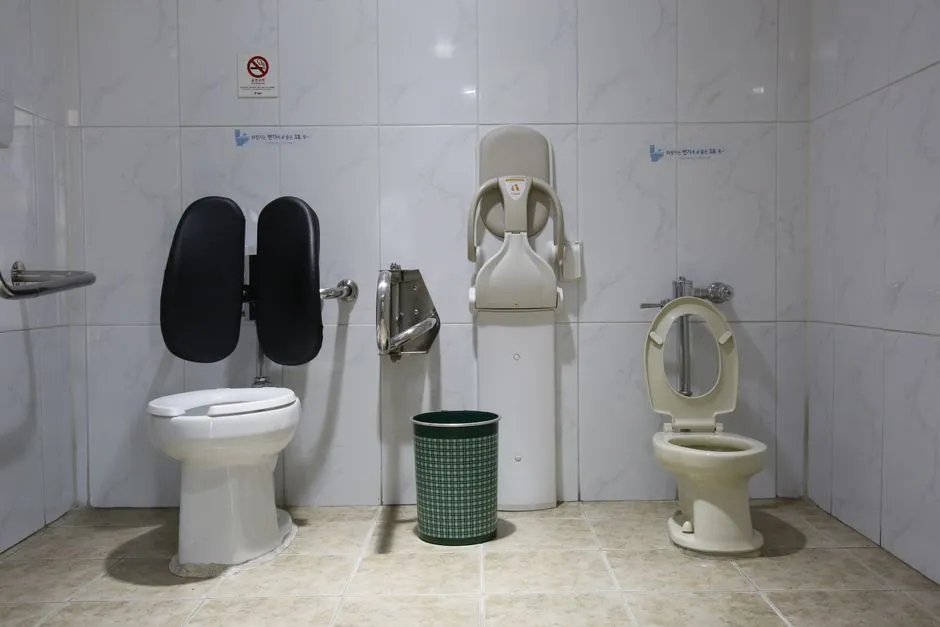
Straining on the toilet is a habit so routine it rarely registers as a risk. Yet for adults over 65, the physiological chain it sets off can end in a fall, a hospitalization, or worse. The encouraging reality is that this is a largely preventable problem.
Recognizing the warning signs, managing constipation proactively, reviewing blood pressure medications with a doctor, and making basic modifications to bathroom habits can collectively make a significant difference. The bathroom should feel safe. With the right awareness, for most older adults, it can be.
AI Disclaimer: This article was created with the assistance of AI tools and reviewed by a human editor.