

Most people know that eyesight and hearing tend to decline with age. Smell, though, barely comes up in conversation. It’s quietly taken for granted until one day the morning coffee doesn’t smell like much, or a favorite meal tastes oddly flat. That moment of confusion is actually quite common, and it turns out the science behind it is both fascinating and, in some cases, medically significant.
Smell loss in older adults is far more widespread than most people realize, and researchers have spent the last decade untangling which cases are simply a natural part of aging and which ones should prompt a call to a doctor. The distinction matters more than you might expect.
How Common Smell Loss Really Is After 60

Most people aren’t aware of the extent to which smell can be diminished in later life. More than half of adults between 65 and 80 have some degree of smell loss, and that figure rises to as high as 80 percent for those who are even older. Those aren’t small numbers. NHANES data found smell loss in roughly 12.7 percent of adults aged 60 to 69, already a notable jump from 4.2 percent in the 40 to 49 age group. The prevalence of olfactory dysfunction increases from around 10 percent at the age of 60 to around 60 percent at the age of 90. Put simply, the older you get, the more likely it becomes.
What Actually Happens Inside the Nose as You Age
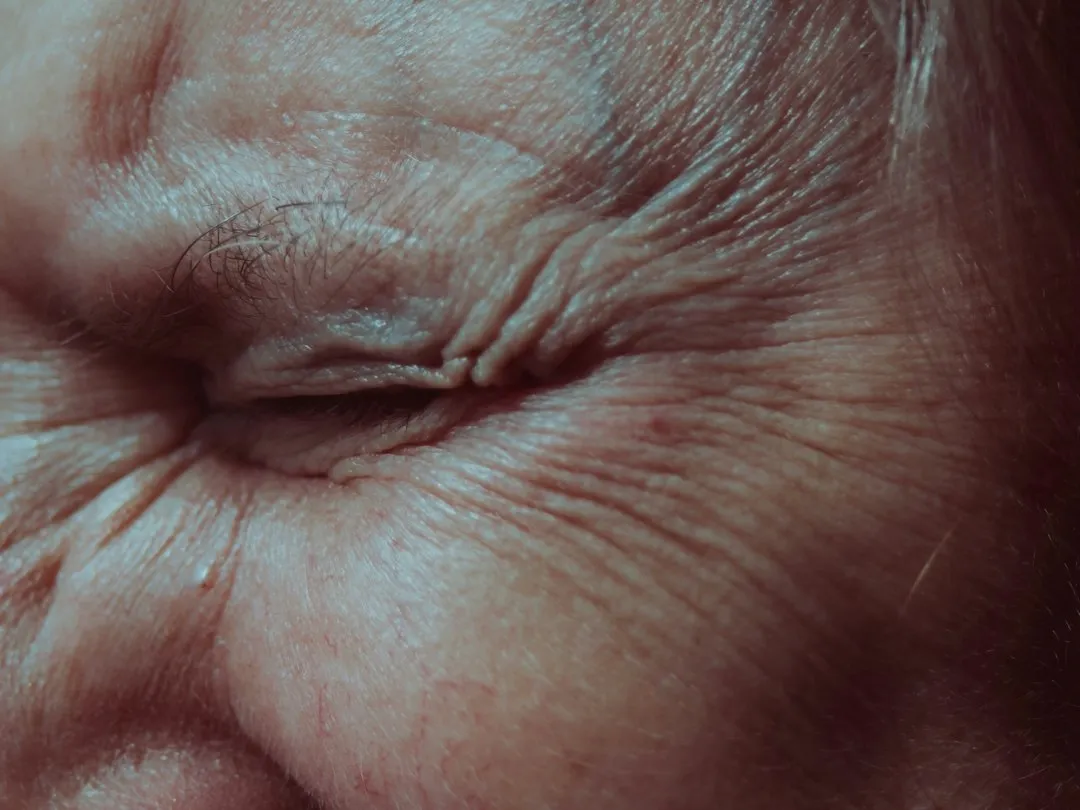
People lose their sense of smell when any part of the pathway that enables it – including the nasal passages, the olfactory nerve, and the brain – is damaged by aging, disease, or trauma. Impairment can range from a decreased sense of smell, called hyposmia, to complete loss, called anosmia.
The small openings between the nasal cavity and the brain cavity, through which the olfactory nerve fibers project, harden with age. An older skull simply won’t have as many of those openings as a younger one. On top of that, a lifetime of exposure to microparticles, pollution, viruses, and bacteria accumulates damage in the olfactory region over time.
When measured on a standardized 48-point scale, smelling ability scores decrease by an average of about one point every five years of age. That’s a slow but steady erosion, one that most people don’t even notice until it’s already quite advanced.
The Olfactory Bulb: The Brain’s Gatekeeper for Smell

Smells have the ability to awaken memories and intense emotions, and the olfactory bulb is responsible for this. This small area of the forebrain, located close to the nose, receives olfactory signals and sends them directly to the areas of the brain that manage memory and emotions.
Experimental evidence suggests a role of olfactory bulb neurons in both the decline of olfactory acuity and the onset of neurodegenerative pathology. Olfactory stimuli are transduced through olfactory neuronal cell pathways before being relayed to cortical brain structures for further processing. This direct route from nose to brain is part of what makes the olfactory system such a sensitive indicator of what’s happening deeper in the nervous system.
Normal Aging vs. Something More Serious

Gradual smell decline over many years is considered a normal part of the aging process. The challenge is that it looks almost identical, on the surface, to early-stage neurodegeneration. Olfactory capacity declines with aging, but increasing evidence shows that smell dysfunction is one of the early signs of prodromal neurodegenerative diseases such as Alzheimer’s and Parkinson’s disease.
The surprising thing is that the loss of smell in these diseases often occurs years before the other recognized symptoms appear. That gap is exactly why researchers are paying closer attention. A 2024 review by scientists at the University of California, Irvine highlighted a striking discovery: olfactory loss is associated with at least 139 medical conditions, ranging from neurological disorders to diabetes and cardiovascular disease.
The Parkinson’s Connection
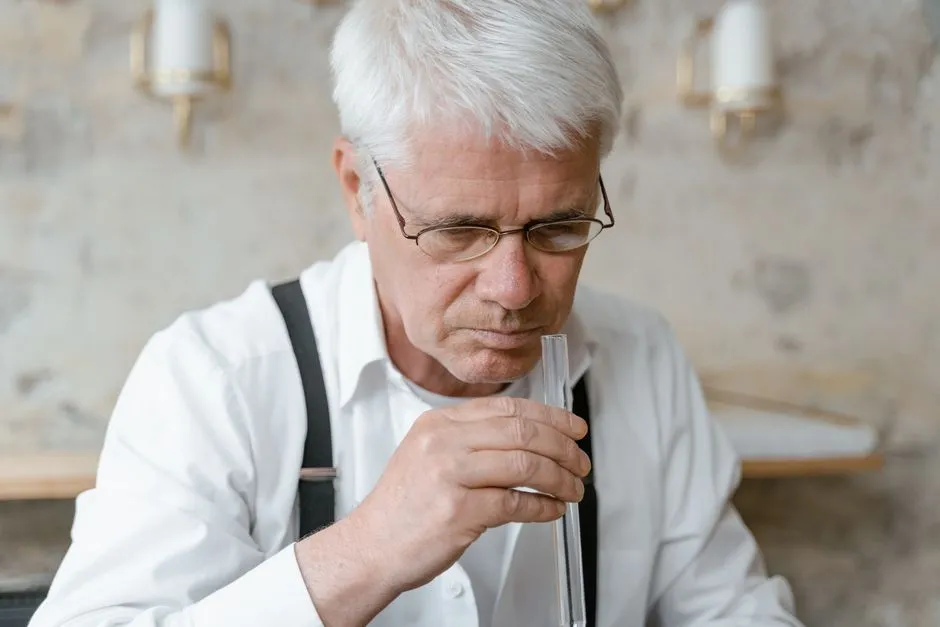
In the case of Parkinson’s disease, when the first motor symptoms such as stiffness and tremors appear, more than half of the neurons that produce dopamine – the neurotransmitter that controls movement – have already been lost. Smell loss may arrive much earlier than that.
Identifying early symptoms like loss of smell, which affects up to 90 percent of Parkinson’s patients, could serve as a biomarker alerting us to the presence of the disease. Impaired olfaction in Parkinson’s disease is associated with the presence of Lewy bodies and neuronal loss in the olfactory bulb and tract. The olfactory bulb contains numerous Lewy bodies, and severe neuronal loss is present in the anterior olfactory nucleus. These are measurable, physical changes that precede a clinical diagnosis.
The Alzheimer’s Link
In early Alzheimer’s disease, neurodegenerative changes that lead to anosmia occur via mechanisms such as noradrenergic axon loss, amyloid-beta deposition, and neuroinflammation within the olfactory pathway. The nose, in this sense, becomes a window into the brain.
In a 12-year population-based study, olfactory dysfunction was associated with an increased hazard of dementia, with the strongest association found for anosmia specifically. Having olfactory dysfunction or being an APOE ε4 carrier was each associated with a roughly doubled dementia risk, whereas having both together was associated with an almost fourfold hazard of dementia. That combination is a particularly notable finding for anyone with a family history of Alzheimer’s.
Clinically diagnosed anosmia is associated with an approximately 15 percent increased risk of progressing to Alzheimer’s dementia compared to controls, and this increased risk was found to be significant in middle-aged patients rather than in older adults already past the age of 65. This nuance matters: a 55-year-old who suddenly loses their sense of smell deserves closer attention than the gradual, decades-long decline seen in someone at 80.
Safety Risks That Often Go Unmentioned

The conversation around smell loss tends to focus on disease prediction, but there’s a very practical, daily-life dimension that gets overlooked. Among adults aged 70 and over, more than one in five misidentified the warning odor of smoke, and nearly one in three misidentified natural gas in NHANES testing. Those are serious numbers when you consider the consequences.
Safety concerns among people with olfactory dysfunction are high, with gas, smoke, and spoiled food as the major worries. Over a five-year period, roughly one in three faced at least one food-related incident, and more than one in seven experienced at least one actual gas incident. Smell isn’t just pleasant – it’s a functional safety system.
The Emotional and Nutritional Toll
Patients born without olfaction report significantly more household accidents, greater social insecurity, and a higher prevalence of depressive symptoms than matched controls. Those who acquire smell loss later in life describe diminished food enjoyment, impaired hazard detection, and reduced quality of life across multiple domains.
The COVID-19 pandemic changed how seriously the public thinks about smell loss, since millions of people lost their sense of smell and some never recovered. COVID-19 not only increased general awareness of olfactory disorders but also accelerated research into the role of smell in nonverbal communication and mental health. The pandemic, for all its damage, generated a genuine scientific upside in this particular area of research.
When You Should Talk to a Doctor

Gradual, slow fading of smell sensitivity over years is typical in older adults and often not a red flag on its own. What changes the picture is speed and pattern. In neurology, olfactory impairment is a potential early marker for the onset of neurodegenerative diseases, and the loss of smell is considered a clinical sign of early-stage disease as well as a marker of the disease’s progression and cognitive impairment.
Sudden or rapid smell loss, especially if combined with changes in memory, coordination, or mood, warrants a conversation with a physician. Evidence indicates that the origin of Parkinson’s disease may lie in the olfactory brain, and clinicians have historically shown a lack of interest in routinely testing for anosmia. That is slowly changing as more doctors treat a smell test as a routine screening tool, not just an afterthought.
Can Anything Be Done to Protect or Restore Smell?

Olfactory training – repeatedly and deliberately sniffing four distinct scents over several weeks – has accumulated a reasonable evidence base in clinical settings, particularly for post-viral smell loss. Research has shown that selective loss of odor discrimination is often the earliest smelling behavioral change with aging, and that smelling loss is among the earliest biomarkers of aging overall, preceding cognitive and motor decline. Catching it early, in other words, gives the most room to act.
During aging, metabolites related to oxidative stress become dysregulated in the olfactory bulb, and signaling related to G protein-coupled receptors is significantly downregulated in aged olfactory tissue. Some researchers are exploring whether lifestyle factors that reduce systemic inflammation – regular exercise, a diet rich in antioxidants, and adequate sleep – may help slow this process, though direct evidence in humans remains limited and this is an active area of investigation.
The Takeaway

A fading sense of smell after 60 is common enough to be considered part of normal aging. Most people with diminished olfaction are not developing Parkinson’s or Alzheimer’s. Still, smell is not a trivial sense – it guards your safety, anchors your appetite, shapes your mood, and, increasingly, signals the health of your brain.
The most useful thing anyone can do is pay attention. Notice whether the change is gradual or sudden. Note whether other things feel different at the same time. And don’t assume that because something is common, it can’t also be meaningful. A simple conversation with a doctor about smell can, in some cases, open a much more important door.
AI Disclaimer: This article was created with the assistance of AI tools and reviewed by a human editor.