

What Shallow Breathing Actually Is
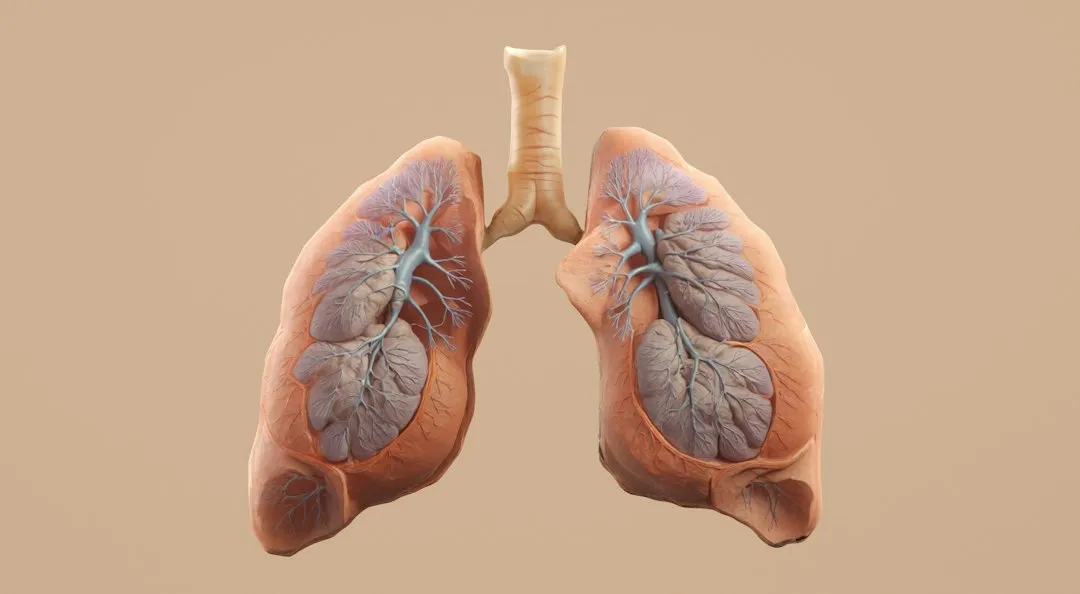
Most people picture breathing as a single, simple action. In reality, there are two meaningfully different ways the body can move air. Diaphragmatic breathing uses the diaphragm as the primary respiratory muscle, expanding the abdomen on the inhale and slowing the breath cycle. Shallow chest breathing, by contrast, relies on the smaller muscles of the upper chest, neck, and shoulders, producing quicker, shorter breaths that exchange less air with each cycle.
Diaphragmatic breathing pulls air into the lower lobes of the lungs where oxygen absorption is most efficient, while chest breathing delivers shallower breaths with less gas exchange efficiency and greater sympathetic nervous system activation. It’s a meaningful physiological difference, not just a matter of style.
Why Your Body Defaults to Chest Breathing Under Stress

Chest breathing often becomes the body’s default breathing pattern during stress or anxiety. The problem is that the body can get stuck in this breathing mode all day long without realizing it, and over time, it can leave the nervous system in a constant fight-or-flight mode.
One of the primary responses to chronic stress is activating the fight-or-flight system, known as the sympathetic nervous reaction, which leads to increased heart rate, heightened senses, and rapid, shallow breathing. The catch is that the relationship goes both ways: stress causes shallow breathing, and shallow breathing reinforces stress.
The Feedback Loop Nobody Talks About
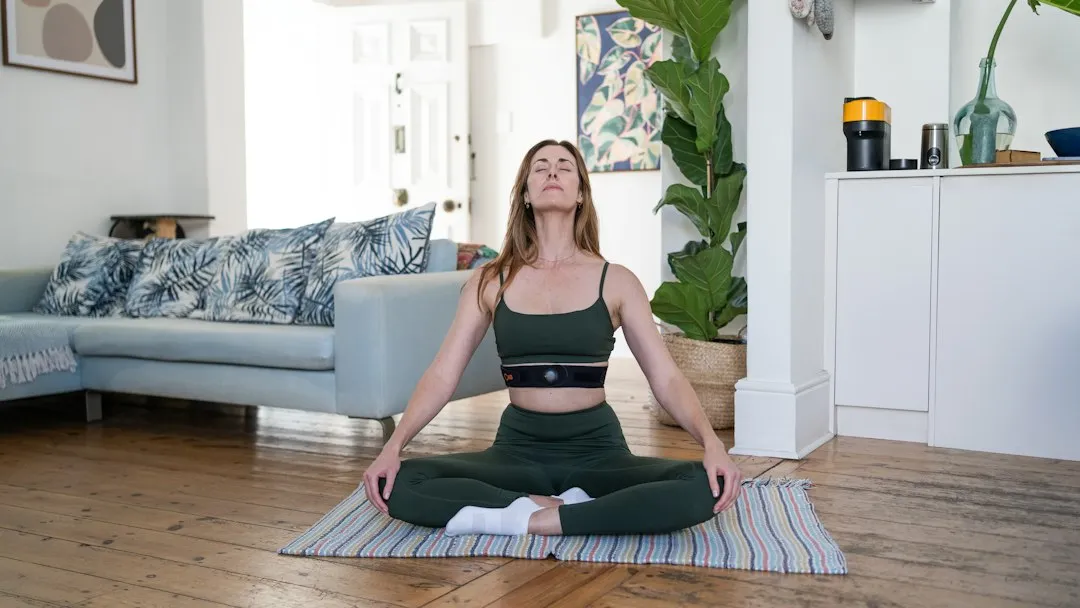
Chest breathing is closely tied to the body’s stress response. When stress or anxiety arises, the sympathetic nervous system becomes active, leading to shallow, chest-oriented breathing, which in turn can heighten stress and anxiety, creating a vicious cycle.
When stress becomes chronic, shallow breathing can become a permanent habit, and that’s when it becomes a vicious cycle. Stress causes shallow chest breathing, and chest breathing adds more stress to the body. Few people ever recognize this loop is operating, because both halves of it feel completely automatic.
What Happens in Your Nervous System

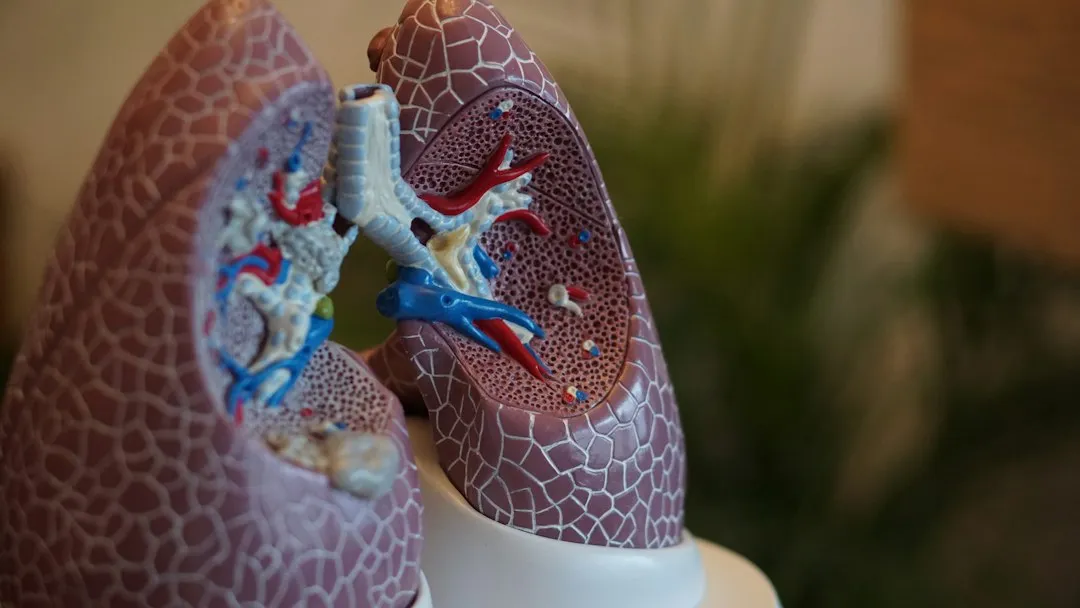
Chest breathing is shallow and limits thoracic space for lung expansion, ultimately reducing the amount of oxygen entering the body and increasing levels of carbon dioxide. Rapid chest breathing increases activity of the sympathetic nervous system, resulting in what feels like a stress response.
Chest breathing activates the sympathetic nervous system, the one for alertness and fight-or-flight, while diaphragmatic breathing activates the parasympathetic system for rest, recovery, and digestion. This means that if you breathe with your chest all day, your body stays in alert mode all day, even when there’s nothing to be alert about. That persistent low-grade activation is what accumulates into chronic stress over time.
The CO2 Imbalance You Probably Haven’t Considered

Hyperventilation can decrease the blood’s carbon dioxide levels, leading to dizziness, light-headedness, and feeling out of breath. This is counterintuitive, since most people assume breathing more means getting more oxygen, but breathing too fast actually strips the blood of the CO2 it needs to function well.
Normally, as CO2 levels rise, the brain receives signals to breathe more deeply. In anxiety disorders, this detection system becomes hypersensitive, and the brain perceives normal CO2 fluctuations as threatening, triggering an exaggerated respiratory response. Breathing faster and deeper than necessary actually decreases CO2 levels further and creates more uncomfortable sensations. For habitual shallow breathers, this process can occur in a mild form throughout the day.
How Your Brain Responds to Fast Breathing

Your respiratory rate doesn’t just affect your body. It directly influences your brain wave patterns and emotional processing centers. When you breathe slowly, you shift your brain toward alpha wave activity, the pattern associated with calm alertness and relaxation. Fast, shallow breathing does the opposite, promoting beta waves linked to anxiety and hypervigilance.
The amygdala, the brain’s threat detection center, is particularly responsive to breathing patterns. Slow breathing reduces amygdala reactivity, which helps explain why breathwork can interrupt anxiety spirals and panic responses. Your breath essentially tells your amygdala whether to stay on high alert or stand down. Chronic chest breathing, then, is like leaving a mild alarm running in the background of your mind all day.
The Cortisol Connection
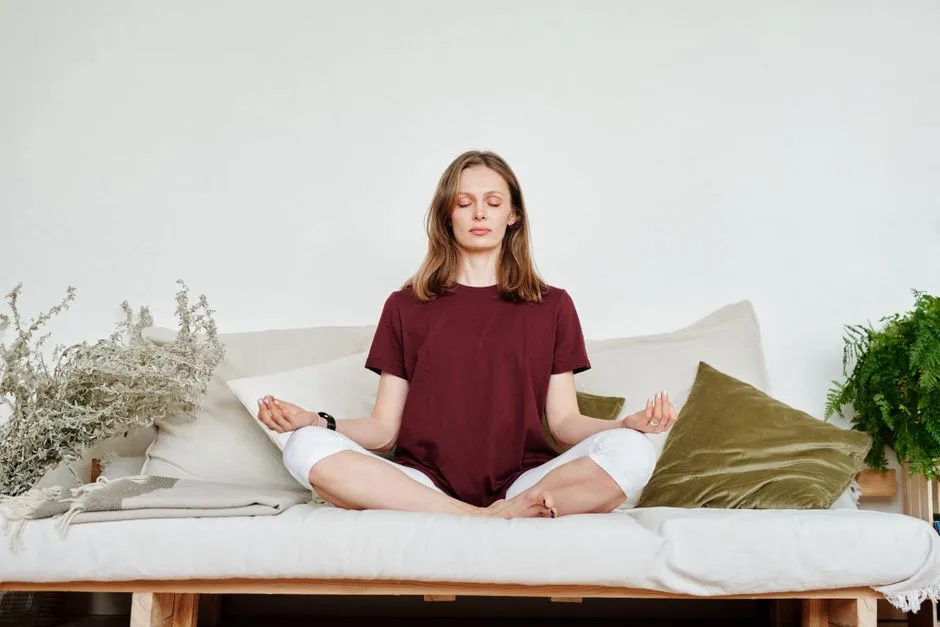
Research findings indicate that slow, nasal, diaphragmatic breathing significantly improves vagal tone, heart rate variability, parasympathetic activity, and emotional control, while reducing cortisol, anxiety, stress, and PTSD. The inverse is also true: breathing patterns that keep the sympathetic system activated tend to sustain elevated cortisol rather than allowing it to return to baseline.
Studies have shown that following experiences of life stress, cortisol levels increase while cognitive function in patients declines, and there exists a significant relationship between cortisol and cognitive function after stressful life events. The implication is that a breathing habit that keeps the body in a mild stress state could be chipping away at mental clarity over the course of a day, not just in moments of acute pressure.
Posture Makes It Worse
The diaphragm is a later mammalian upgrade, and most adults today default to shallow chest breathing due to chronic stress and sedentary lifestyles, a behavioral regression now supported by hard fossil evidence. Hours spent at a desk, looking at a screen with rounded shoulders, compress the abdomen and physically reduce the room the diaphragm needs to descend properly.
In stressed chest breathing, the accessory muscles of the neck and shoulders do more of the work, breaths get shorter and faster, and the mechanical rhythm shifts. Over the course of a workday, this creates a quiet accumulation of tension in the upper body, the kind that people often chalk up to “sitting wrong” rather than breathing wrong.
What the Research Says About Reversing It
Emerging evidence suggests that slow, intentional breathing can influence the autonomic nervous system through vagal innervation that leads to fluctuations in heart rate variability, cortisol, and emotional states. The vagus nerve is the key pathway here, and diaphragmatic breathing is one of the most direct ways to stimulate it.
Diaphragmatic breathing allows the body to trade more incoming oxygen for outgoing carbon dioxide, causing the heart rate to slow and helping lower or stabilize blood pressure. Using the diaphragm also activates the vagus nerve, which triggers the body’s relaxation response and lowers the stress response. Research published by Little (2025) in the journal Stress and Health found that regular breathwork practice was associated with cortisol reductions of roughly 20 to 32 percent, though the emphasis was on consistency of practice rather than a single session.
Small Shifts That Carry Through the Day

Research shows that slow breathing effectively reduces anxiety, with lower valence and arousal scores observed under slow breathing conditions. The practical takeaway is that you don’t need a dedicated meditation session to shift your baseline. Awareness of how you’re breathing at any given moment is itself a starting point.
Research on slow breathing and the autonomic nervous system shows that breathing at around six breaths per minute optimizes what scientists call sympathovagal balance, essentially shifting the nervous system away from stress mode. That rate is slower than most adults breathe by default, but it’s approachable with even a few minutes of practice. Occasional breathing exercises help in the moment; daily practice changes your baseline.
The Takeaway
There’s something quietly significant about the idea that a source of daily stress could be built into the very act of breathing. It isn’t dramatic, and it doesn’t announce itself. It just hums along in the background, nudging the nervous system toward tension hour after hour.
The good news is that breathing is one of the few automatic body functions you can consciously redirect at any moment. It doesn’t require a device, a subscription, or a schedule. Diaphragmatic breathing allows the body to use oxygen more efficiently and helps activate the parasympathetic nervous system, the rest-and-reset system. In short, it tells the body it’s safe to relax. That signal, sent consistently throughout the day, may be one of the simplest and most underused tools for managing stress that most people already carry with them.
AI Disclaimer: This article was created with the assistance of AI tools and reviewed by a human editor.