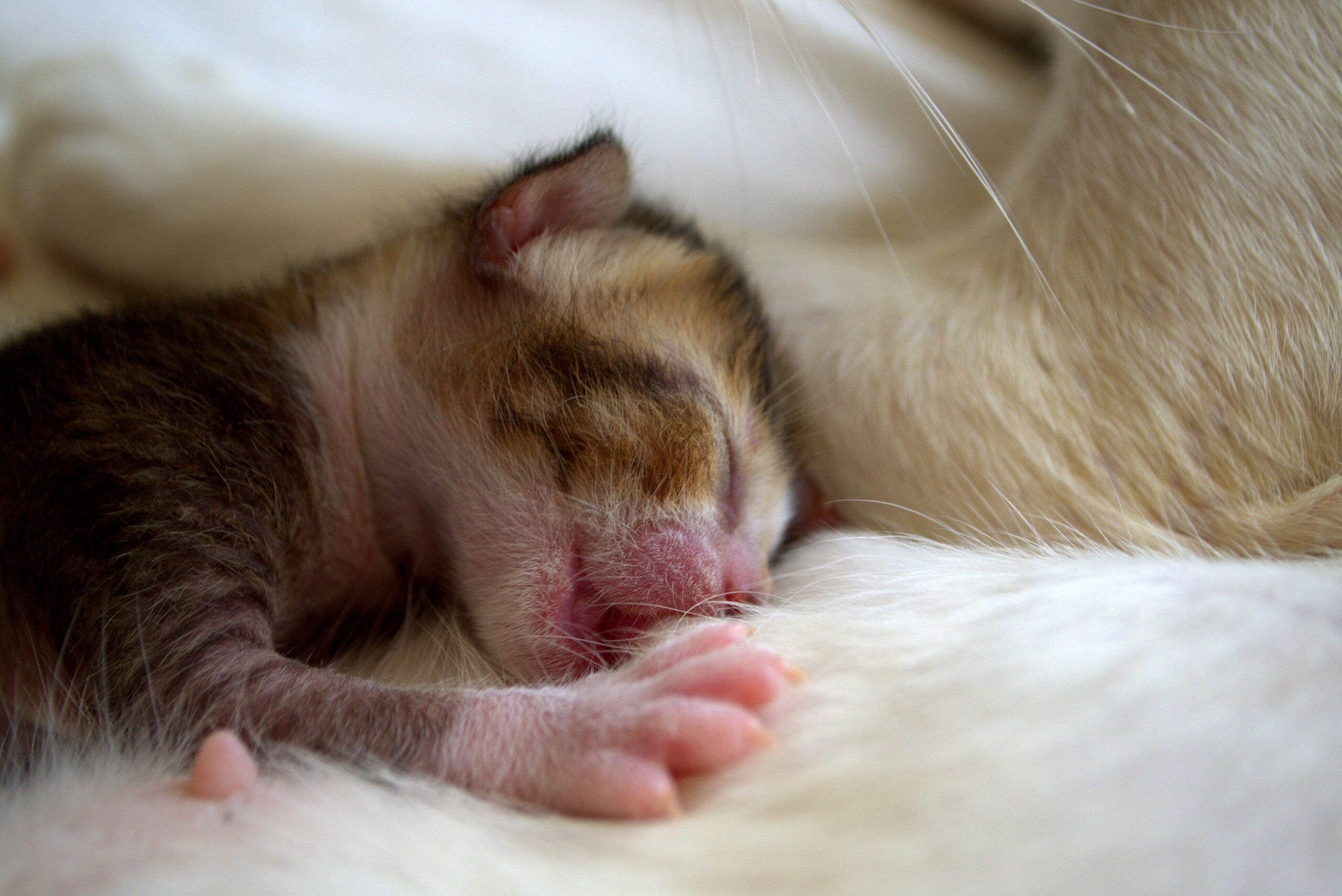

It’s Rooted in Kitten Instinct
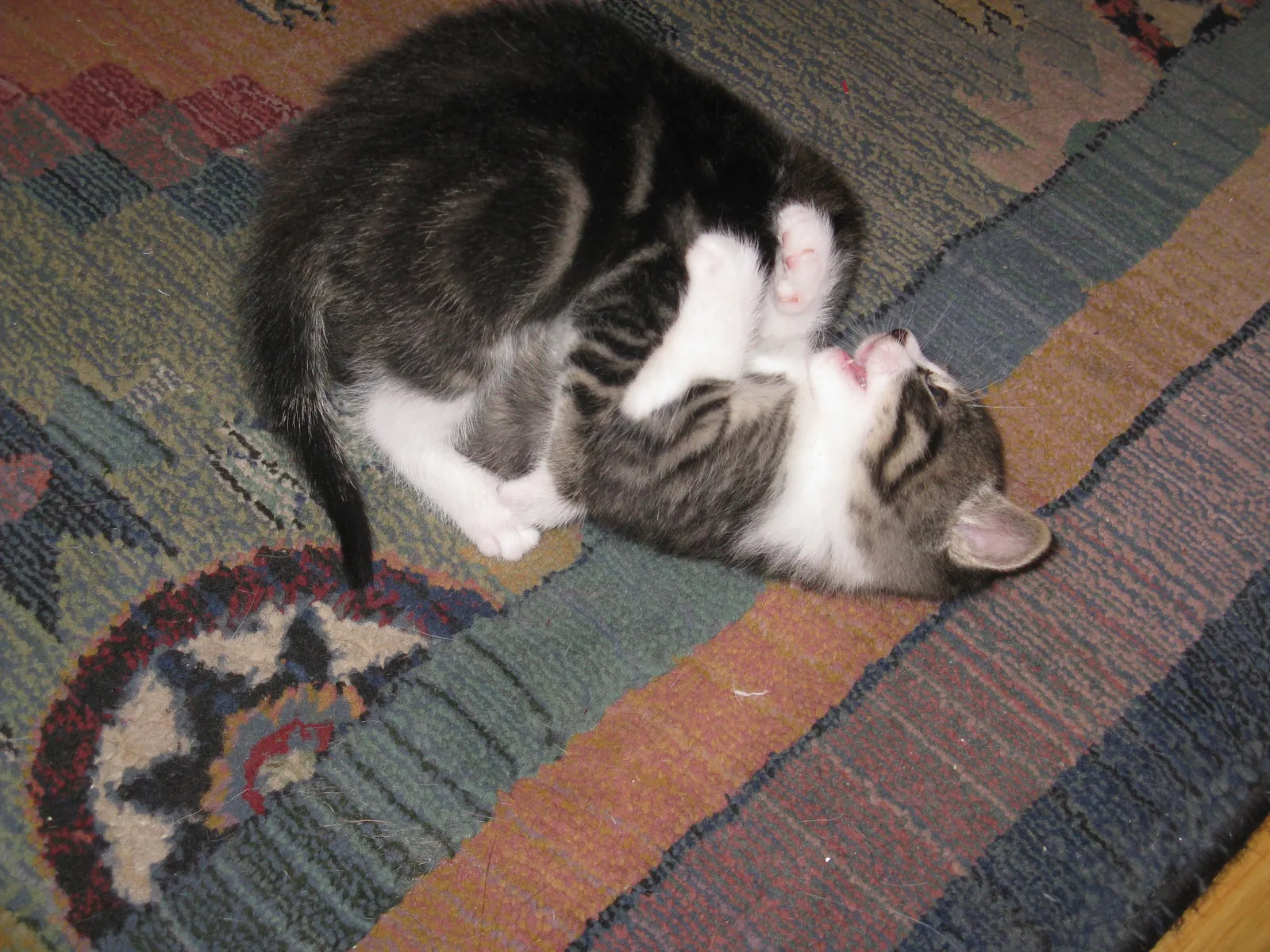
The instinct to suckle is very strong in young kittens, and they may try to suckle anything soft, warm, and fuzzy, especially if it resembles a mother cat. This behavior can last into adulthood, with a cat suckling on objects like a blanket, a fuzzy toy, or a piece of clothing, often wool or a similar texture.
Sucking on blankets is a behavior from kittenhood when nursing from their mother released feel-good hormones. Most of the time, cats sucking on blankets is a self-soothing behavior that is mostly harmless.
Many kittens will grow out of blanket-sucking as they mature, but some cats continue the behavior into adulthood. Think of it less as a developmental failure and more as a deeply wired comfort mechanism that some cats simply never put down.
Early Weaning Plays a Big Role
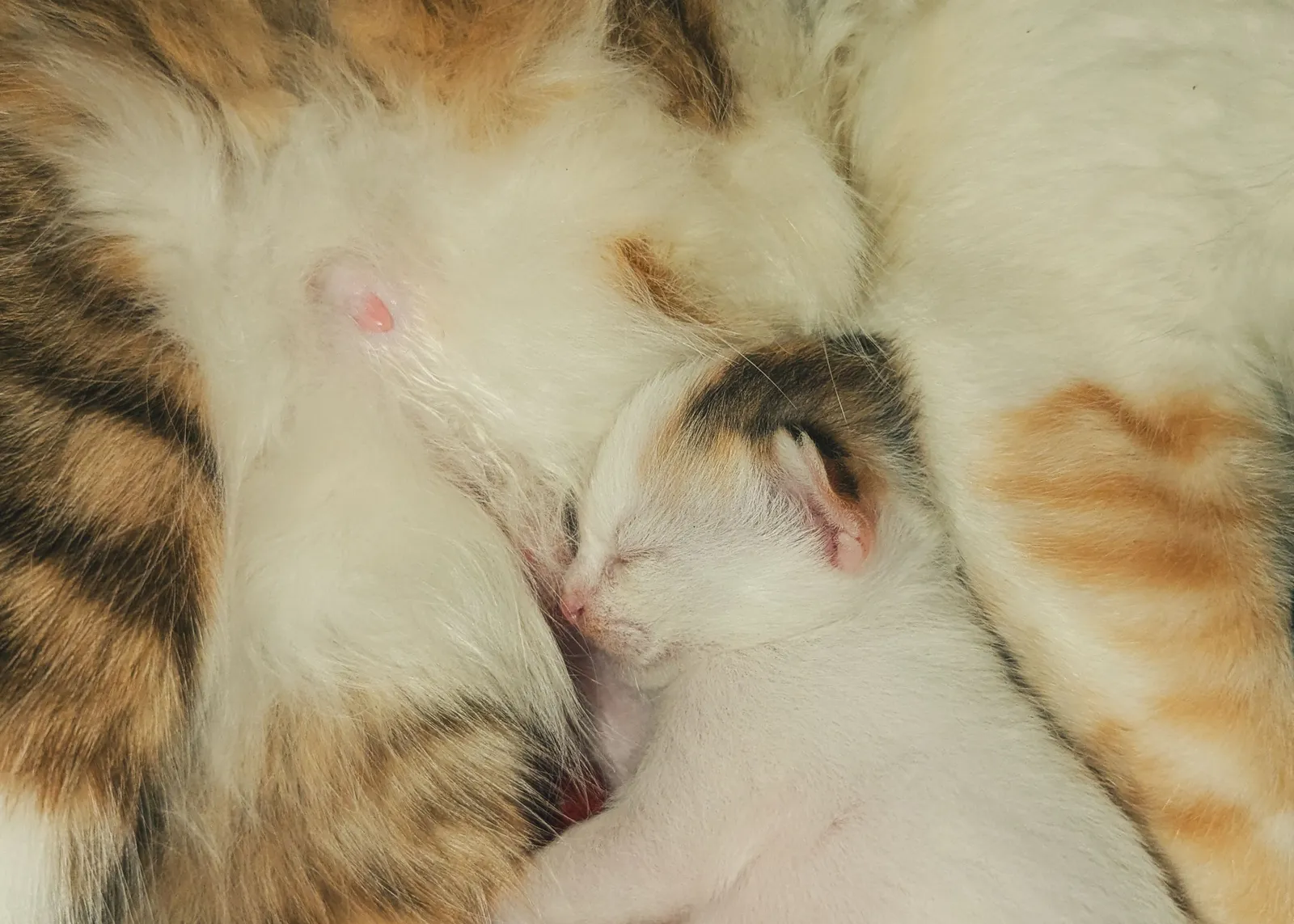
Cats suck on blankets because they were taken away from their moms too early, according to Kristiina Wilson, an animal behaviorist specializing in cats at Cattitude Adjustment.
Kittens that were weaned from their mother too early may be more likely to suckle on items like blankets. The thinking is that because they were stopped abruptly, before they were ready, they are more likely to hold on to this behavior later in life.
Some cats were taken from their mother too early, before 8 to 12 weeks, and did not fully wean. The younger the kitten, the greater the urge to nurse and the more likely she will suck on wool. This means fuzzy items such as sweaters, stuffed animals, towels, and fleece will often fall victim to this behavior.
It’s a Genuine Self-Soothing Mechanism
Chewing or sucking on objects is believed to release endorphins, which are pain-relieving hormones that lead to warm feelings of well-being and comfort. This is also a reason why some children suck their thumbs.
The act of suckling, especially accompanied by kneading and purring, releases calming hormones like oxytocin. That’s not a trivial detail. It means the behavior is genuinely rewarding for the cat at a neurochemical level, not simply a meaningless quirk.
This can be self-soothing behavior, like when humans twirl their hair around their fingers or hug a stuffed animal. Framed that way, it becomes a lot easier to understand why a cat keeps coming back to that same worn corner of the couch blanket.
Stress and Anxiety Can Trigger It
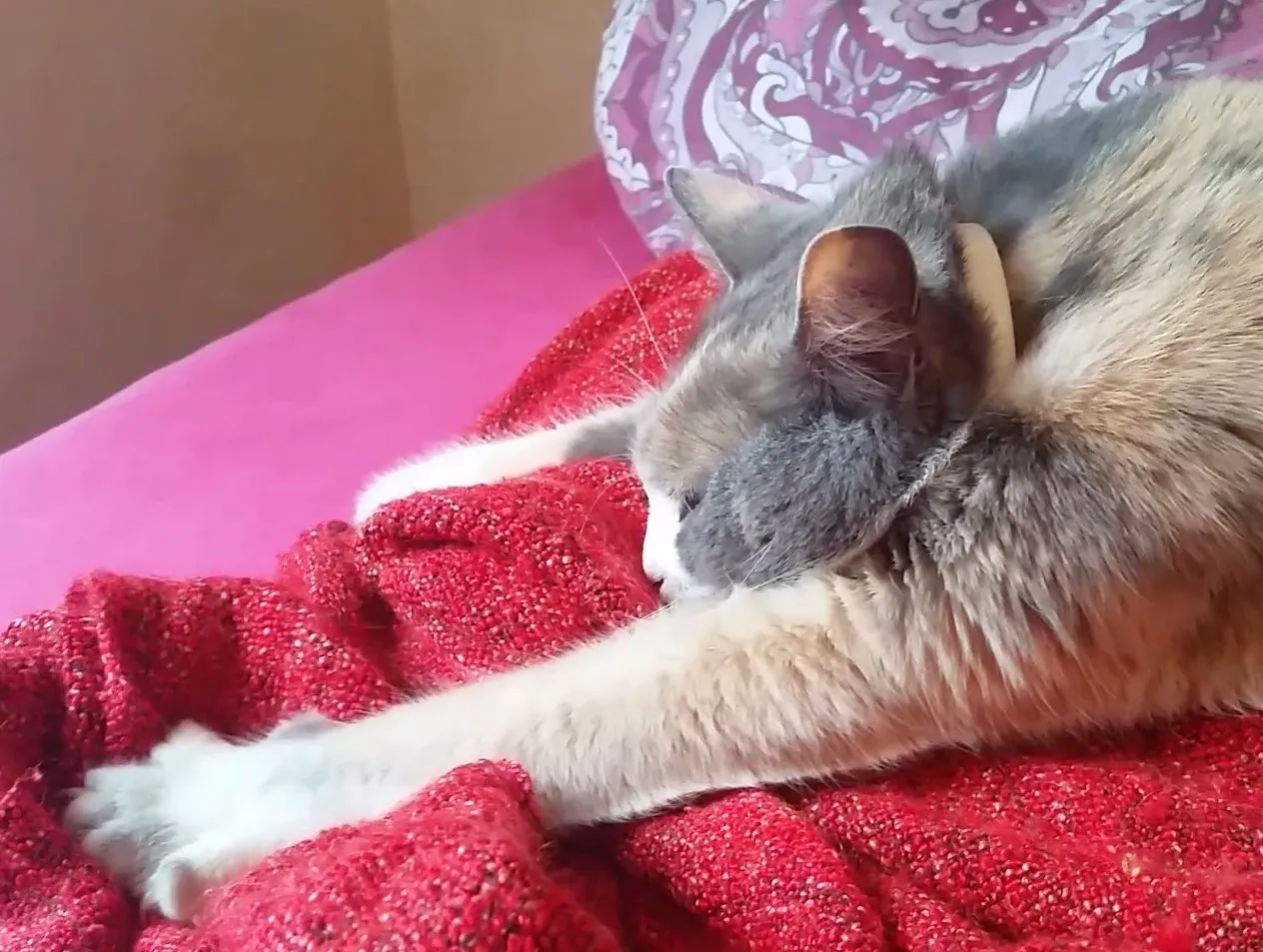
Cats may suck on blankets when they’re feeling stressed. When stressed, cats will seek comfort and may instinctively suck on blankets since it reminds them of their mother’s fur.
Even minor changes can send ripples through a cat’s world. Moving furniture, bringing home a new pet, or the sound of a doorbell may overwhelm cats. Sucking on a blanket gives them a sense of control in a chaotic moment.
In some anxious cats, chewing behaviors serve as coping mechanisms, with the resulting endorphin rush becoming addictive and potentially developing into an obsessive-compulsive pattern. When the behavior becomes compulsive rather than occasional, that’s a signal worth paying attention to.
Boredom Is More of a Factor Than You’d Think
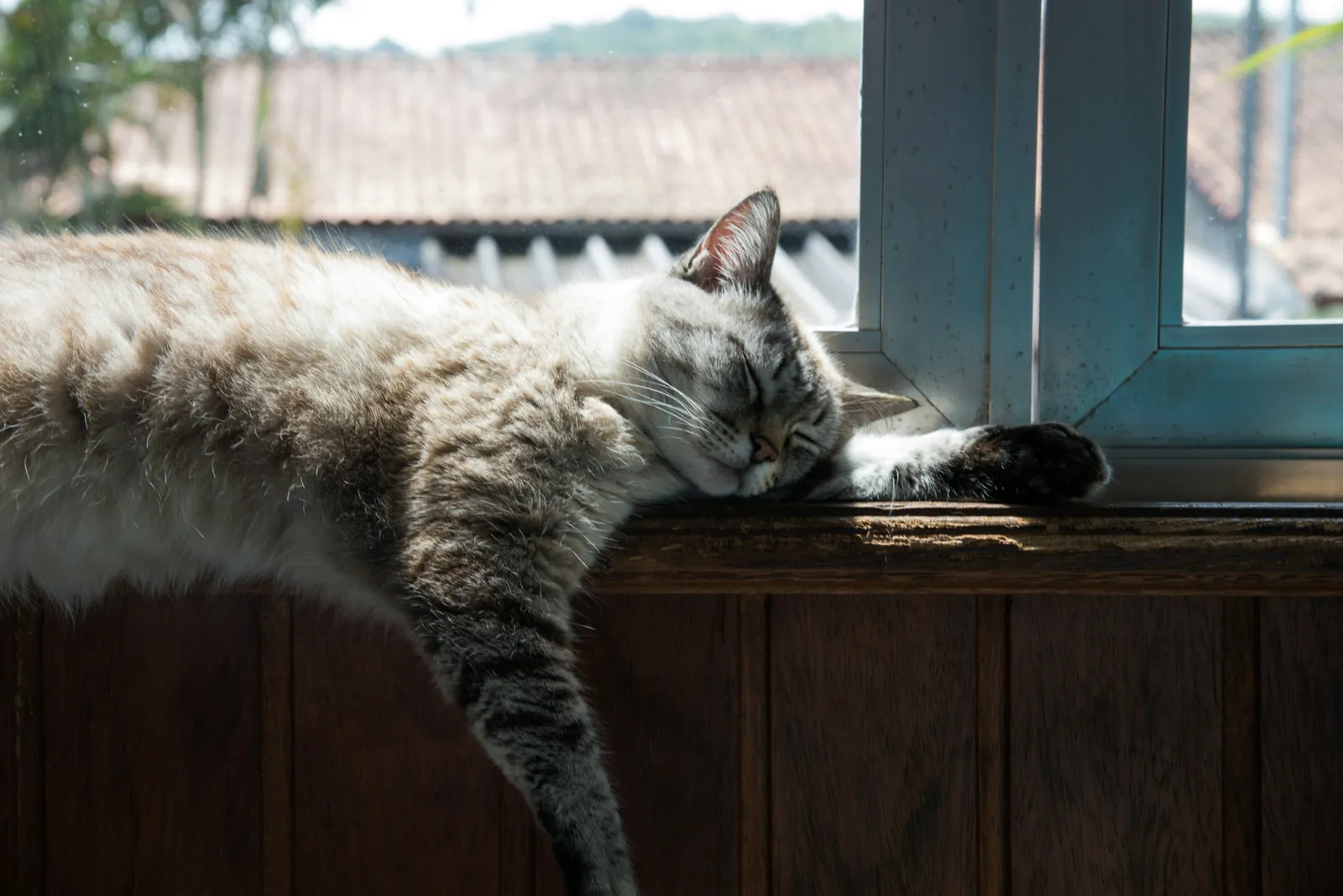
Is your cat bored? If they’re sucking on blankets, they may well be. While you wouldn’t necessarily associate boredom with blanket sucking, cats that are under-stimulated may resort to this behavior.
The prevalence of pica-related behaviors is reported to be higher in cats housed strictly indoors. It is therefore hypothesized that boredom and lack of social contact are contributing factors. Redirected hunting behavior is another suggested explanation.
Boredom can be a part of the suckling, so trying playtime, exercise, puzzle toys, or cat treats to redirect the behavior and satisfy some of their natural predation urges can help. A cat that has outlets for its instincts is less likely to fixate on the blanket.
Genetics and Breed Predisposition
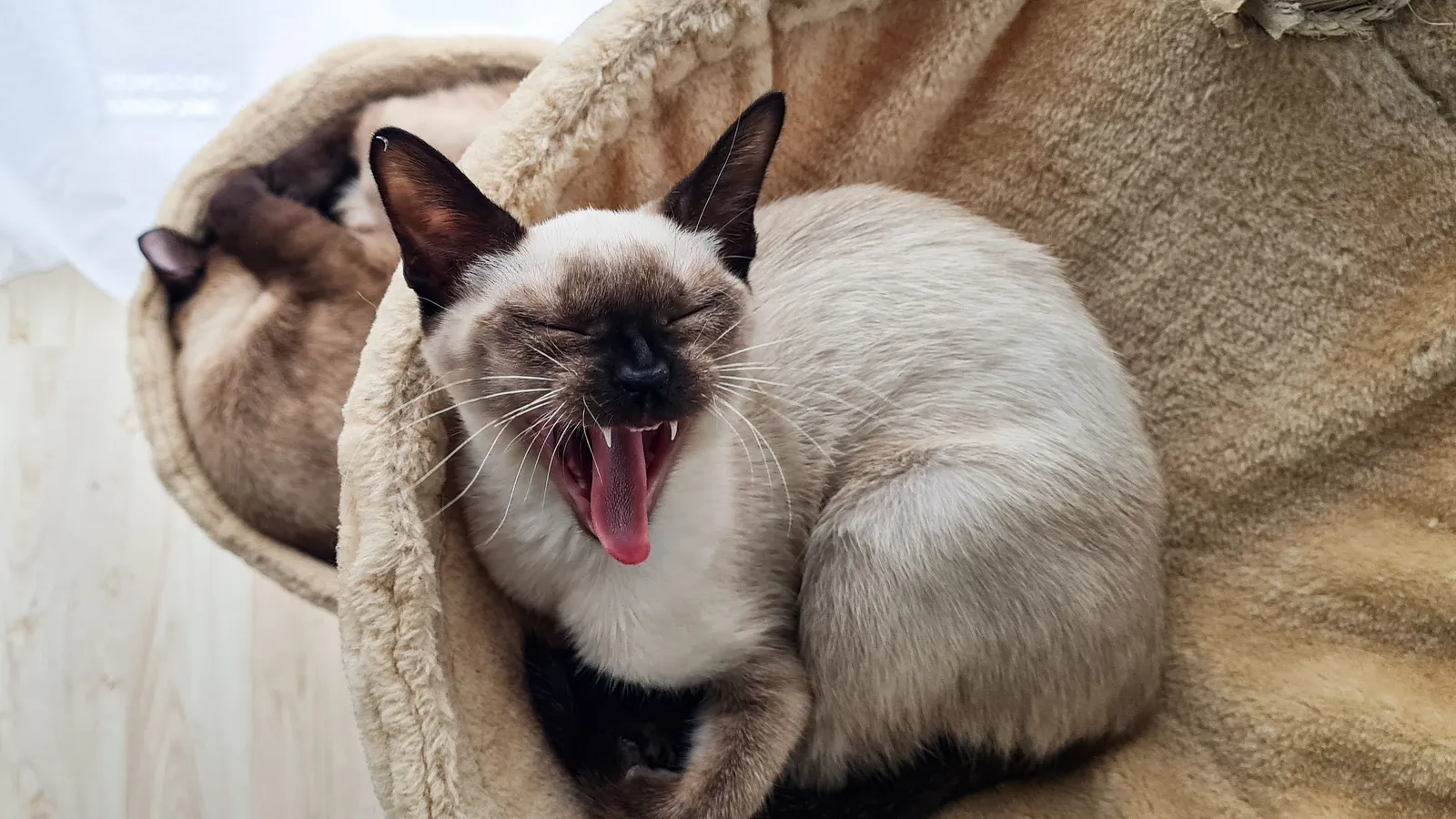
It is possible that some breeds are more likely to blanket suck than others. Burmese and Siamese cats are said to demonstrate sucking behavior more frequently than other types of cats, which suggests there is a genetic component.
In a case study on compulsive wool sucking published in the Journal of Veterinary Behavior, two hundred and four Siamese and Birman cats were tracked for various physical characteristics, medical conditions, appetite intensity, and environmental factors. The research ultimately showed that early weaning and small litter size were associated with increased risk of wool-sucking in Birmans specifically.
The presence of a medical condition was associated with increased risk of wool-sucking in Siamese cats. The presence of an abnormally intense appetite was seen in all affected cats. However, no relationship was found between physical characteristics and wool-sucking in either Siamese or Birman cats.
The Scent-Marking Connection
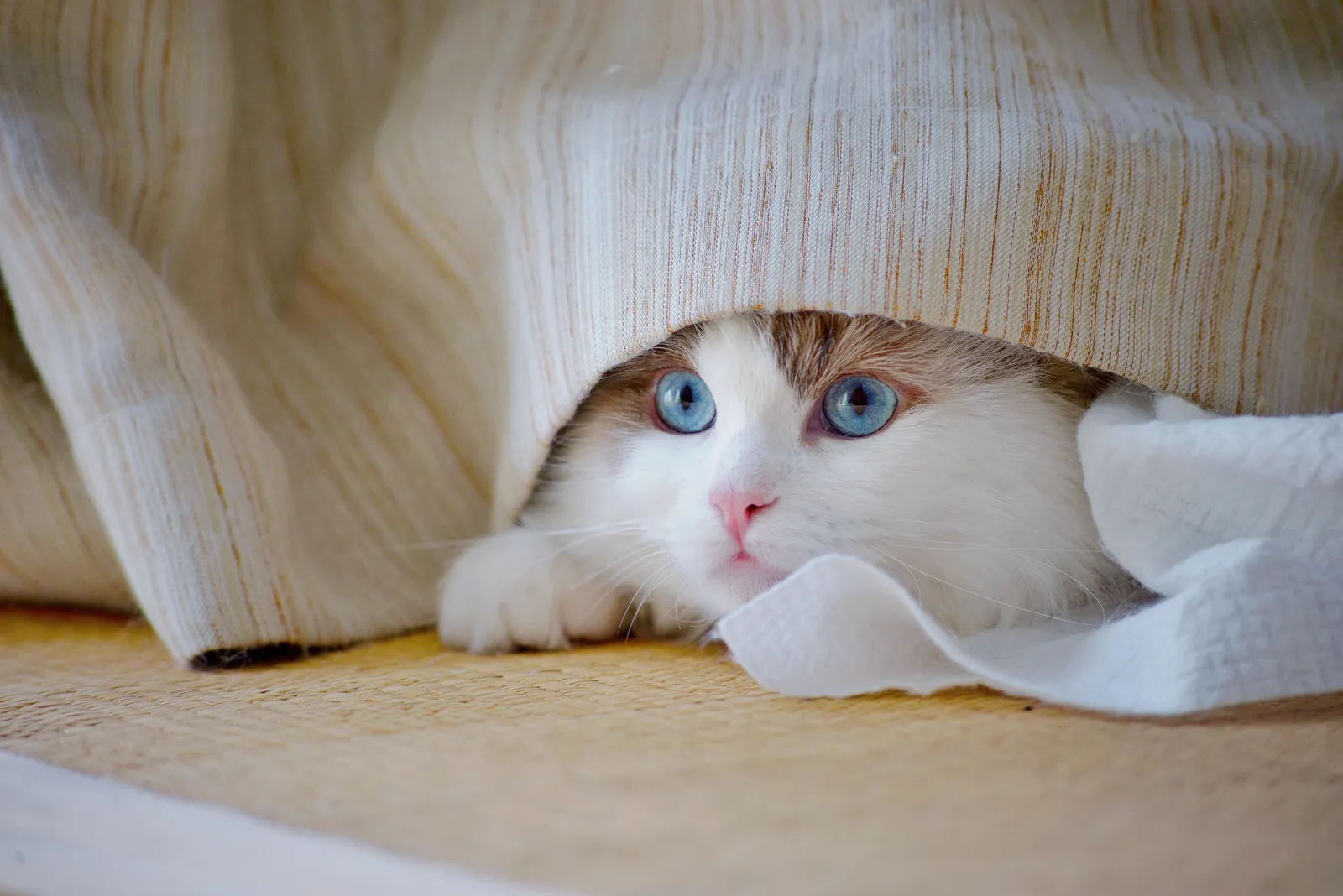
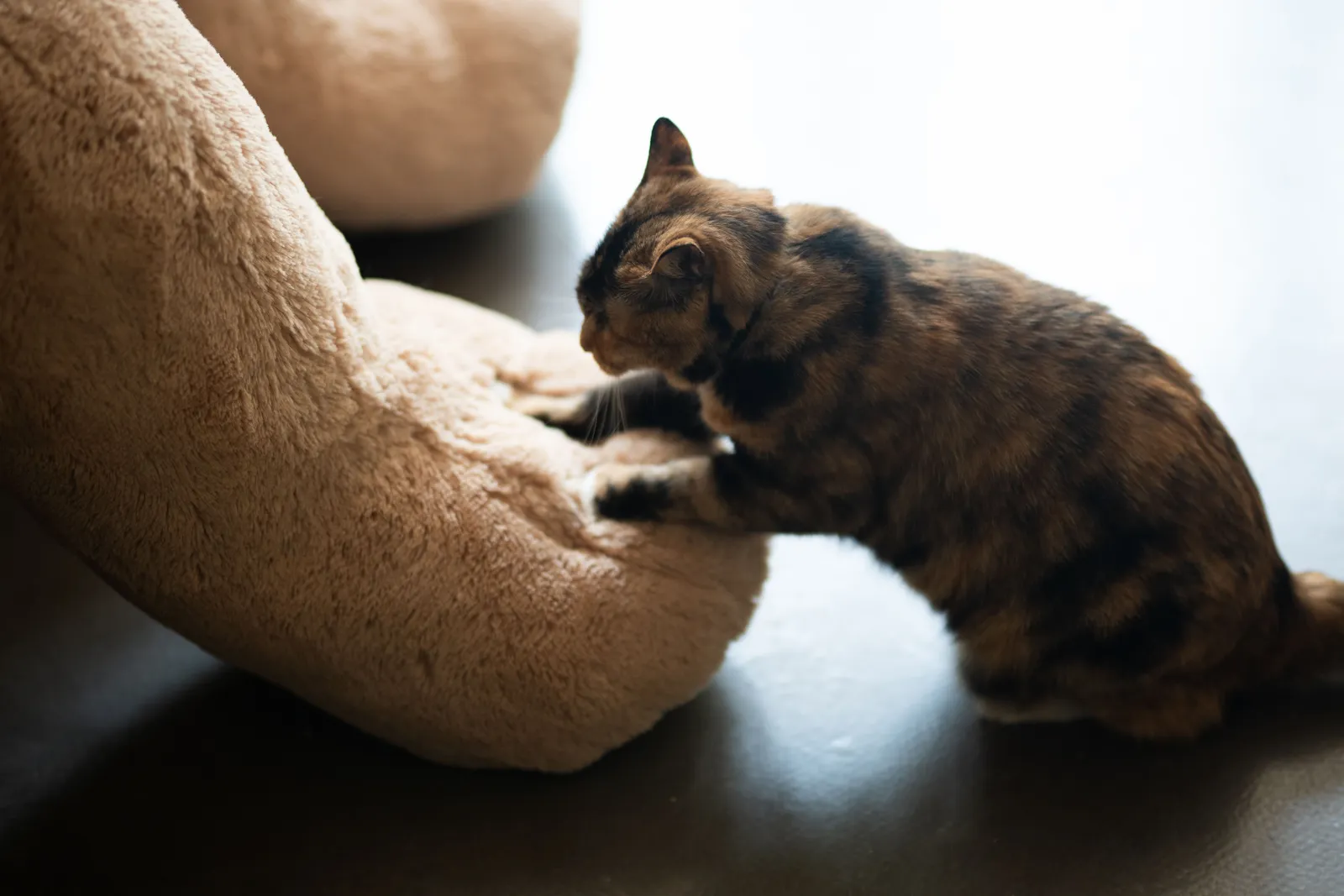
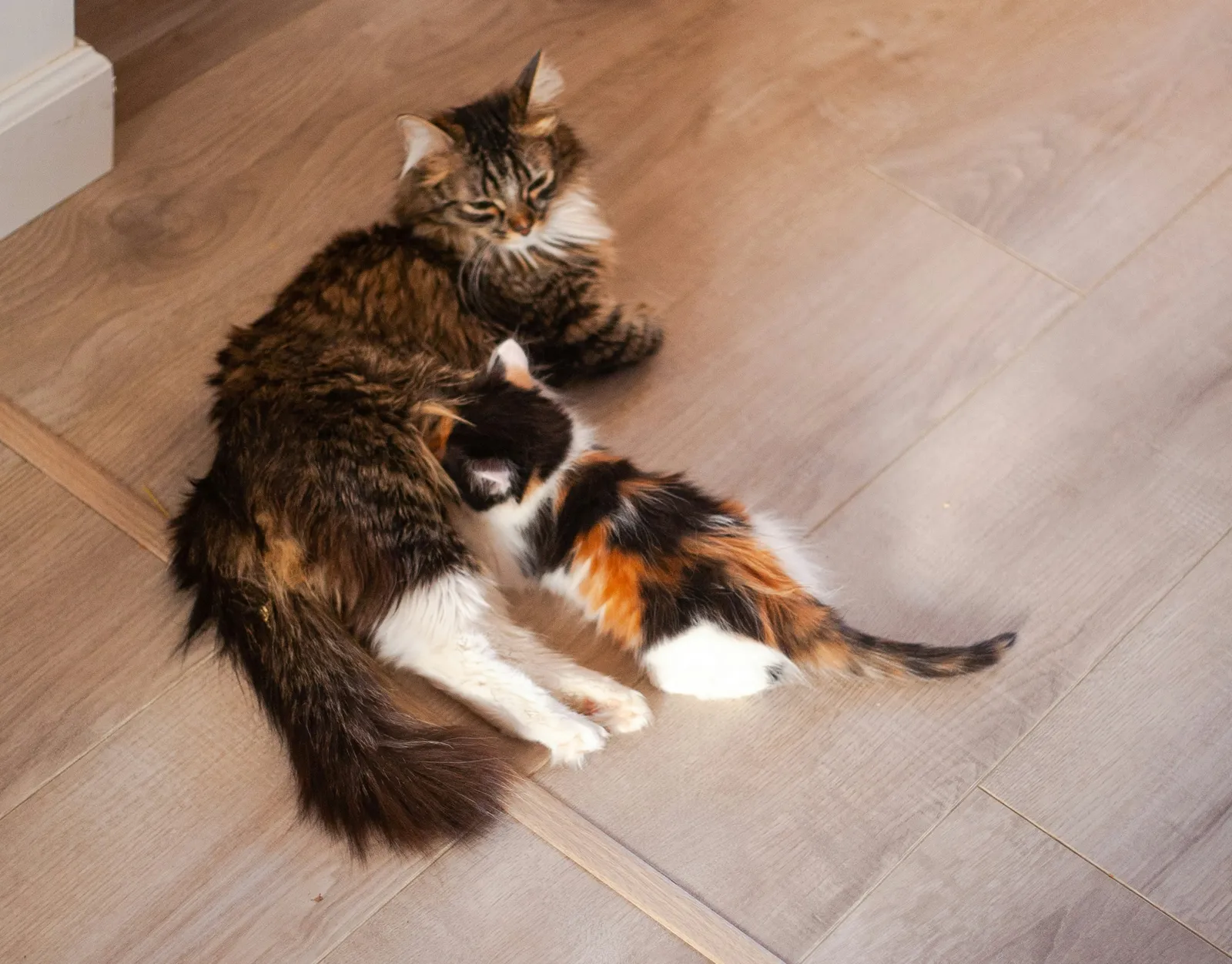
Wool sucking is normally accompanied by a cat kneading with their claws. This may be because kittens knead on their mothers’ bellies while nursing to stimulate milk production. While kneading and nursing on a blanket, they are also transferring their scent onto the blanket.
Cats have many scent glands, especially around their face and paws. So this behavior also serves the purpose of marking their territory and comforting them with their familiar scent.
This layering of behaviors makes the act of blanket sucking richer than it first appears. It’s not just nursing nostalgia. It’s also claiming something, building familiarity, and reinforcing a sense of safety in the cat’s environment.
When It Crosses into Pica Territory
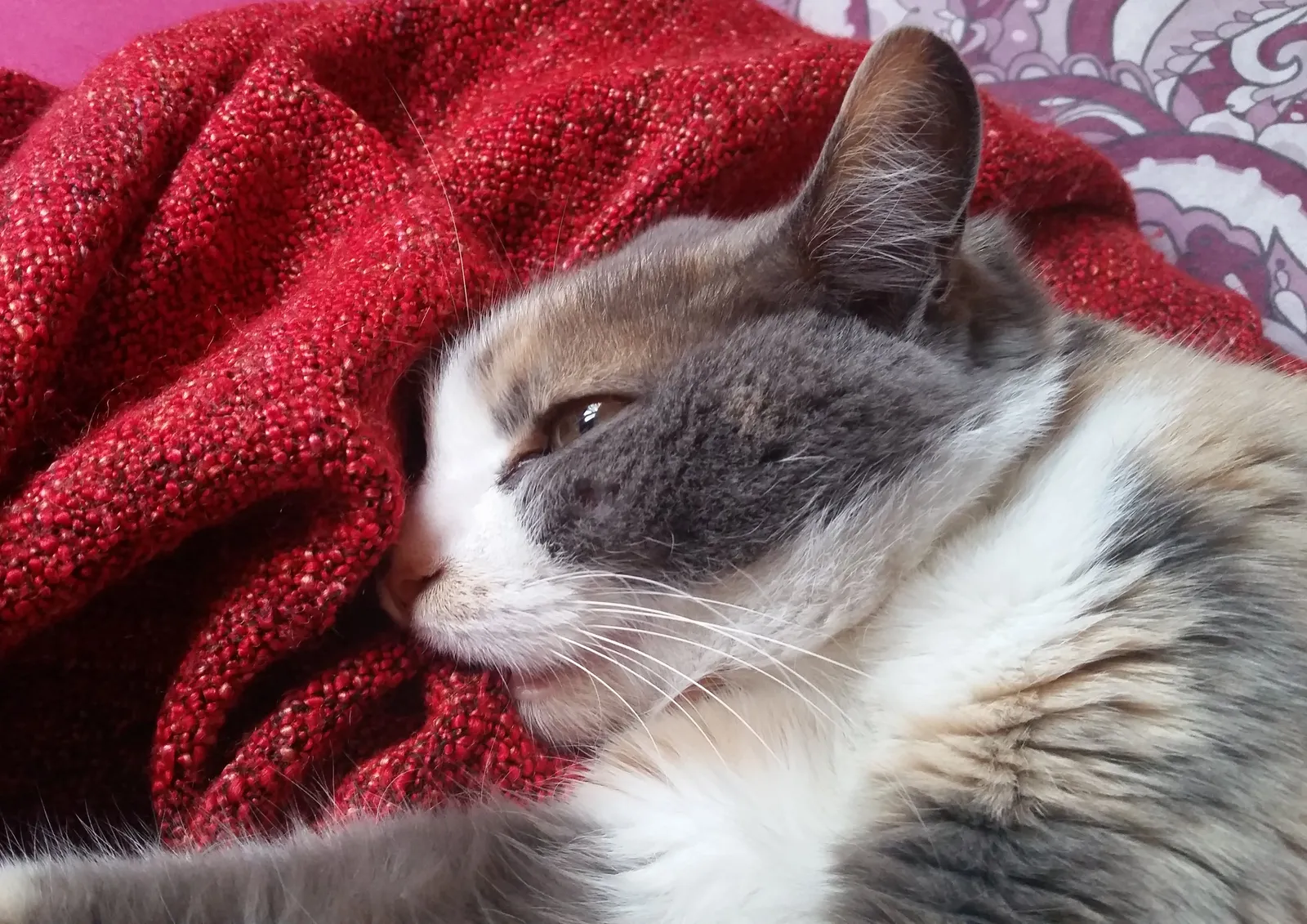
Pica in cats is characterized by eating or chewing non-food items. Wool-sucking, where cats suck on blankets, clothing, or fabrics, is also related to this condition.
As a cat matures, sucking may progress to pica, which is the consumption of inedible material, and the range of materials ingested may broaden to include fabrics, shower curtains, rubber bands, shoelaces, and plastic bags. Damage can be quite extensive and can impose serious health risks including intestinal blockage. Consequently, wool sucking can be dangerous when it escalates.
A study from the United Kingdom found that the most common material cats sucked or chewed was wool, at roughly 93 percent, followed by cotton, man-made fabrics, rubber, plastic, paper, and cardboard. If your cat is occasionally mouthing a blanket, that’s one thing. If fibers are being swallowed regularly, it warrants a vet conversation.
Could It Be a Medical Issue?
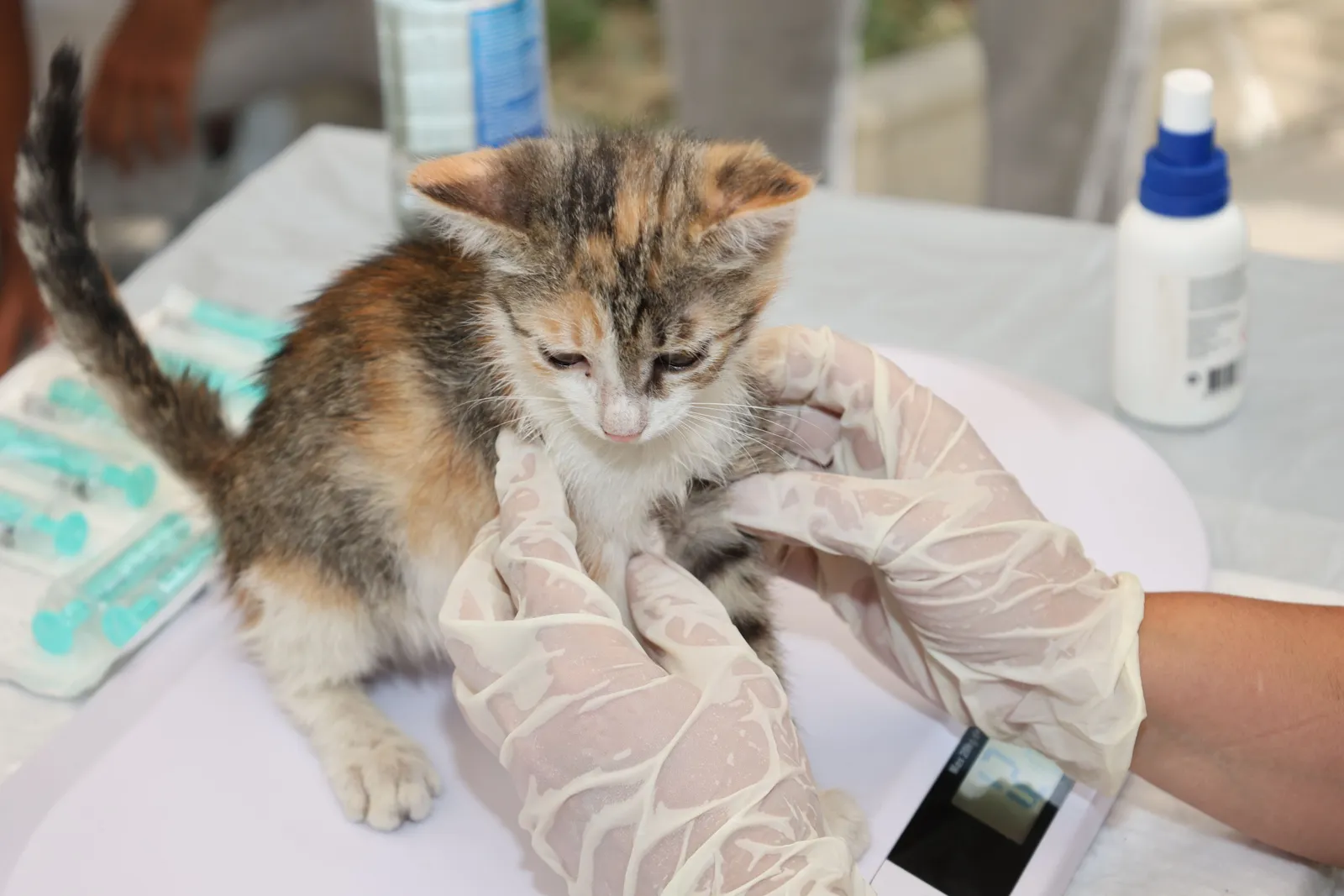
The diseases that would be direct causes of adult cat suckling are behavioral disorders. These include a lack of environmental stimulation, various anxiety disorders, and environmental stress or conflict.
A large and relatively recent study points toward an additional dimension: among 133 dogs and cats presented for endoscopic removal of a gastric foreign body, around two-thirds had chronic gastrointestinal signs, and of those biopsied, all had histological chronic enteritis, leading researchers to frame pica as a possible sign of underlying chronic enteropathy.
Sometimes adult cats start sucking on blankets suddenly. If this happens, taking your cat to the vet to check for a possible health issue is the right move. A sudden onset in an older cat that never showed this behavior before deserves more scrutiny than a lifelong habit.
What You Can Actually Do About It
Because it’s a soothing, calming, and instinctual response for the cat, it’s probably best to just accept cat suckling as a normal behavior. However, if your cat’s sucking is causing excessive stress or is leading to ingestion of foreign material resulting in vomiting or gastric upset, try to redirect the behavior. For example, give your cat a designated blanket they are allowed to suck on so they leave your clothing and pillows alone.
A key rule when managing this behavior: do not punish your cat. Punishment only increases anxiety, which is often the problem in the first place. The goal is redirection and enrichment.
Creating a stimulating environment with toys, scratching posts, and climbing structures helps. Interactive playtime and puzzle feeders can mentally engage your cat, reducing the likelihood of boredom-related behaviors. If nothing helps, discussing options with a vet, including whether medication is appropriate, may be the best path forward.
The Takeaway
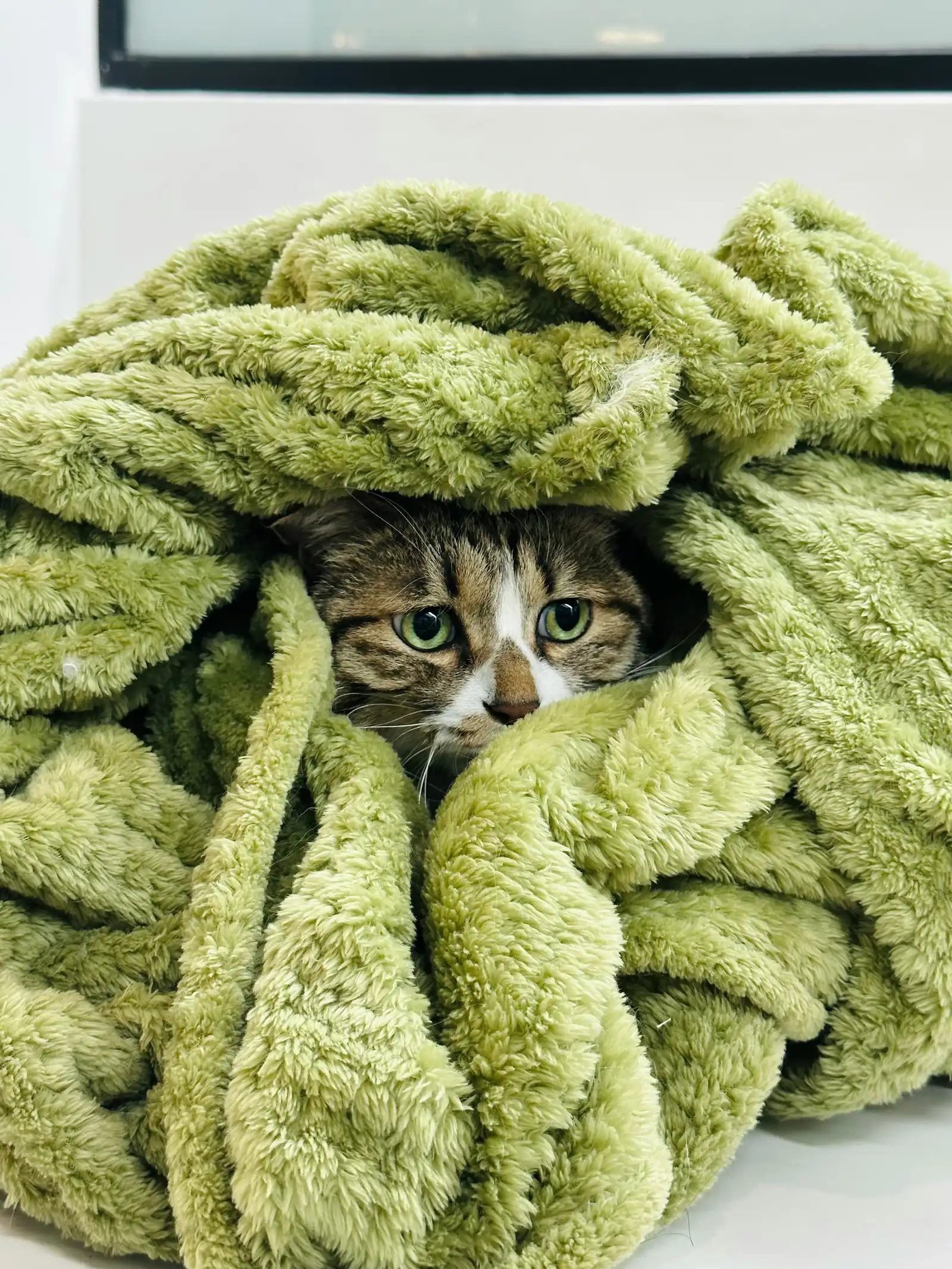
Blanket sucking in adult cats is one of those behaviors that looks strange on the surface but makes complete sense once you understand the biology and emotional landscape behind it. It’s rooted in nursing instinct, shaped by early experience, influenced by genetics, and reinforced by the simple fact that it feels good.
For most cats, it’s harmless. The behavior only becomes a genuine concern when it tips into compulsive territory, when fabric is being swallowed, or when it appears suddenly in a cat that has never done it before. In those cases, a vet visit is the sensible next step.
Otherwise, that cat kneading your blanket and purring with half-closed eyes is probably doing exactly what it needs to do. Sometimes comfort takes an unusual shape, and that’s fine.
AI Disclaimer: This article was created with the assistance of AI tools and reviewed by a human editor.