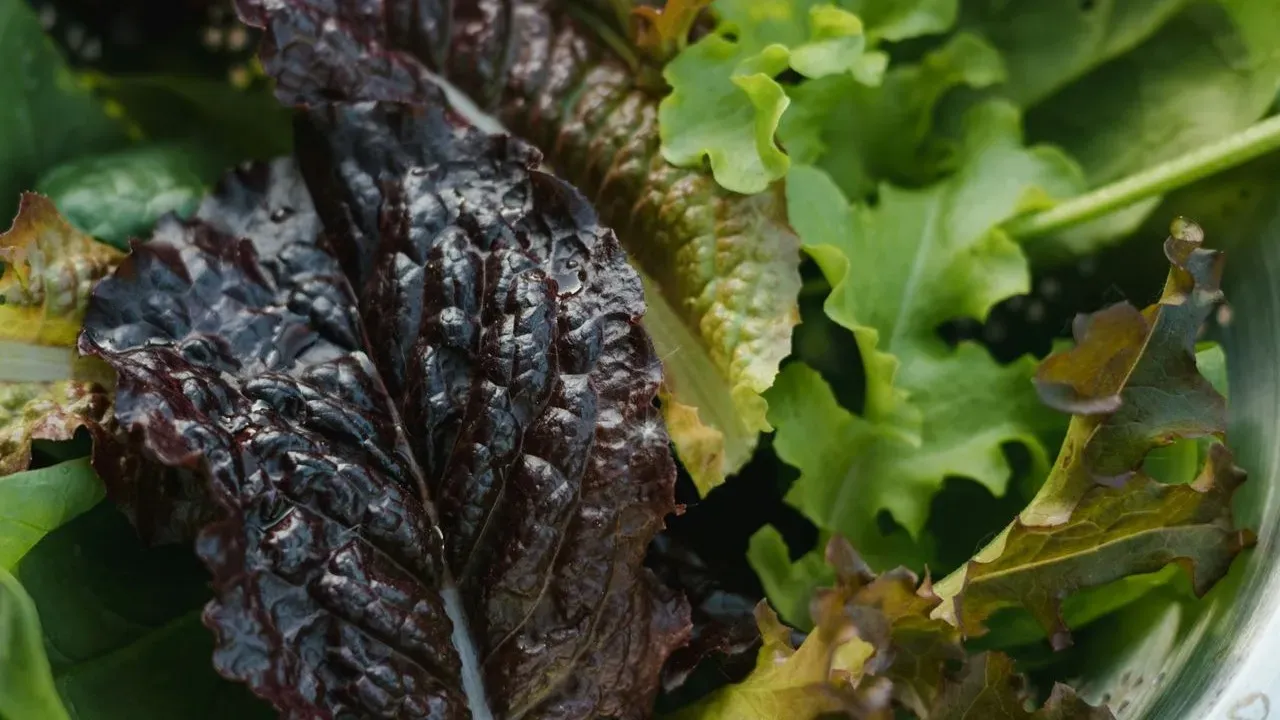

Gardeners preparing beds in late fall often assume the season ends with the first hard freeze. Yet several leafy greens continue to produce well into winter, and many develop noticeably better flavor once temperatures drop. The key lies in selecting varieties that tolerate frost and understanding how cold affects both growth and taste.
Why Cold Weather Changes the Harvest
Lower temperatures trigger a natural response in certain plants. They convert starches into sugars to protect cells from freezing, which results in milder, sweeter leaves. This process gives winter-grown greens an edge over their summer counterparts, turning what might seem like a limitation into an advantage for fresh salads. ([1])
Home gardeners who extend the season gain more than flavor. They reduce reliance on imported produce during months when local options shrink. The practical payoff appears on the plate and in the budget, especially for those who already maintain raised beds or simple cold frames.
Timing and Site Choices That Matter
Success begins with planting several weeks before the first expected frost. Seeds or transplants need time to establish roots while soil remains workable. In many regions this window falls in early to mid-autumn, giving plants a head start before daylight shortens dramatically.
Choose a sheltered spot that receives at least four hours of sun on clear days. Windbreaks, south-facing walls, or low tunnels add protection without complex equipment. Soil that drains well prevents rot during wet winter periods, while consistent moisture supports steady leaf production.
Protecting Plants Through the Coldest Weeks
Row covers and cloches provide enough insulation for many varieties to survive nights below freezing. These lightweight barriers trap daytime warmth and can be removed on milder days for ventilation. Regular checks prevent overheating or excess moisture buildup that invites disease.
Harvest timing also shifts in winter. Leaves often taste best after a light frost rather than during a prolonged thaw. Picking in the morning, when plants are still crisp, preserves quality for immediate use or short-term storage.
Looking Ahead to Spring Regrowth
Many of these greens remain productive into early spring if protected through the worst of winter. Established plants resume growth as days lengthen, offering an early harvest before new sowings mature. This continuity rewards gardeners who plan beyond a single season.
The approach requires modest effort compared with starting entirely new beds each year. Those who experiment with cold-hardy options often find the extended harvest becomes a reliable part of their annual routine.
AI Disclaimer: This article was created with the assistance of AI tools and reviewed by a human editor.