
It Has an Official Name: Non-Recognition Aggression
Feline non-recognition aggression occurs when one cat suddenly becomes aggressive toward a companion cat they are normally friendly with, often after the other cat has been away. The term sounds clinical, but the experience for a cat owner can feel genuinely alarming, especially the first time it happens.
This can happen to cats of any age or breed and regardless of the relationship they have. Even cats who adore each other have been parties to non-recognition aggression. It’s not about the bond breaking down. It’s about something far more primal, tied entirely to smell.
Cats Identify Each Other Almost Entirely by Scent
A cat’s olfactory system is highly developed to process both familiar and unfamiliar scents. They rely on this sense, rather than sight or sound, to recognize familiar animals. This is a key detail that most people don’t fully appreciate. Your cats do not primarily recognize each other by looking at each other’s face or hearing a familiar meow.
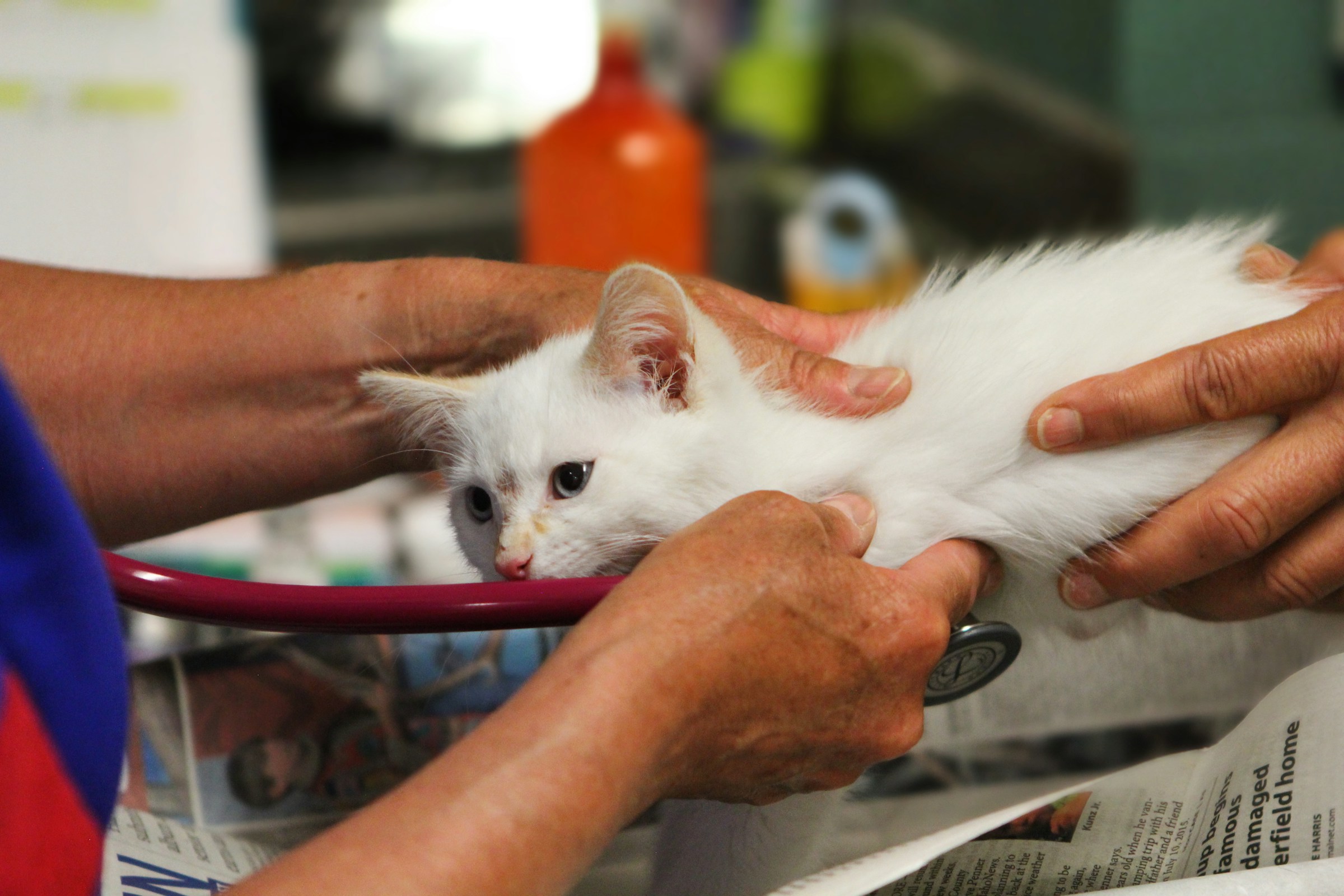
Cats rely heavily on scent for identification and social cohesion. When one cat returns from the vet, it carries a cocktail of strange odors, including the scent of the clinic, other animals, cleaning products, and potentially medication. From the stay-at-home cat’s perspective, that carrier just released a stranger.
The Vet Clinic Overwrites the Shared “Group Scent”
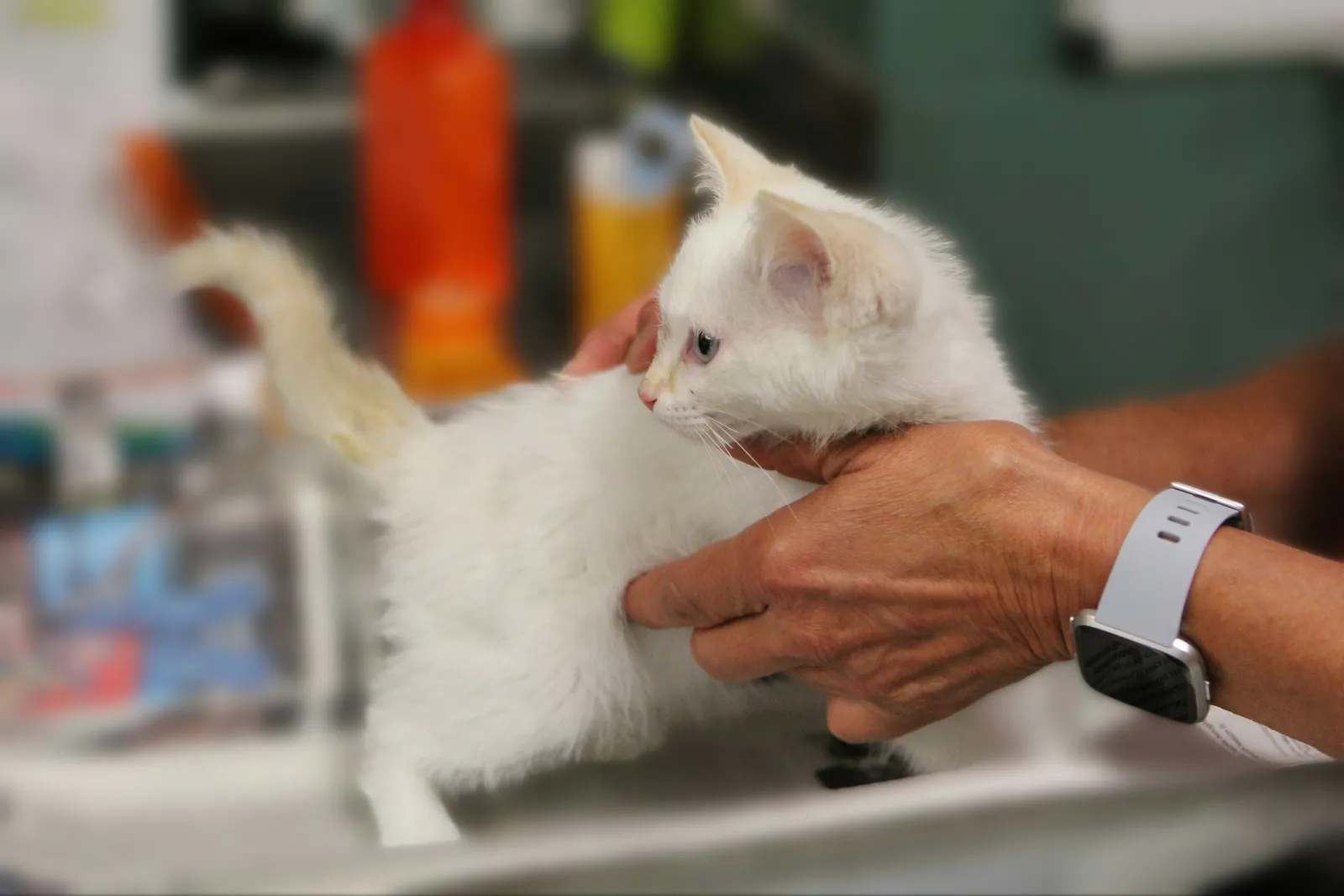
The aggression usually occurs because the returning cat has lost the group scent and may have taken on the scent of other humans, other animals, or even the vet or groomer. Cats that live together build up a communal scent over time, a shared identity that signals “we are family, we are safe.” One trip to the clinic can disrupt that completely.
Your cat will have picked up unfamiliar scents whilst at the veterinary clinic. These smells may cause anxiety in other cats in your home because they smell strange and mask your cat’s natural scent, making identifying your cat as part of the group difficult. The longer the visit, the more intense the disruption can be.
The Stay-at-Home Cat Reads It as a Threat
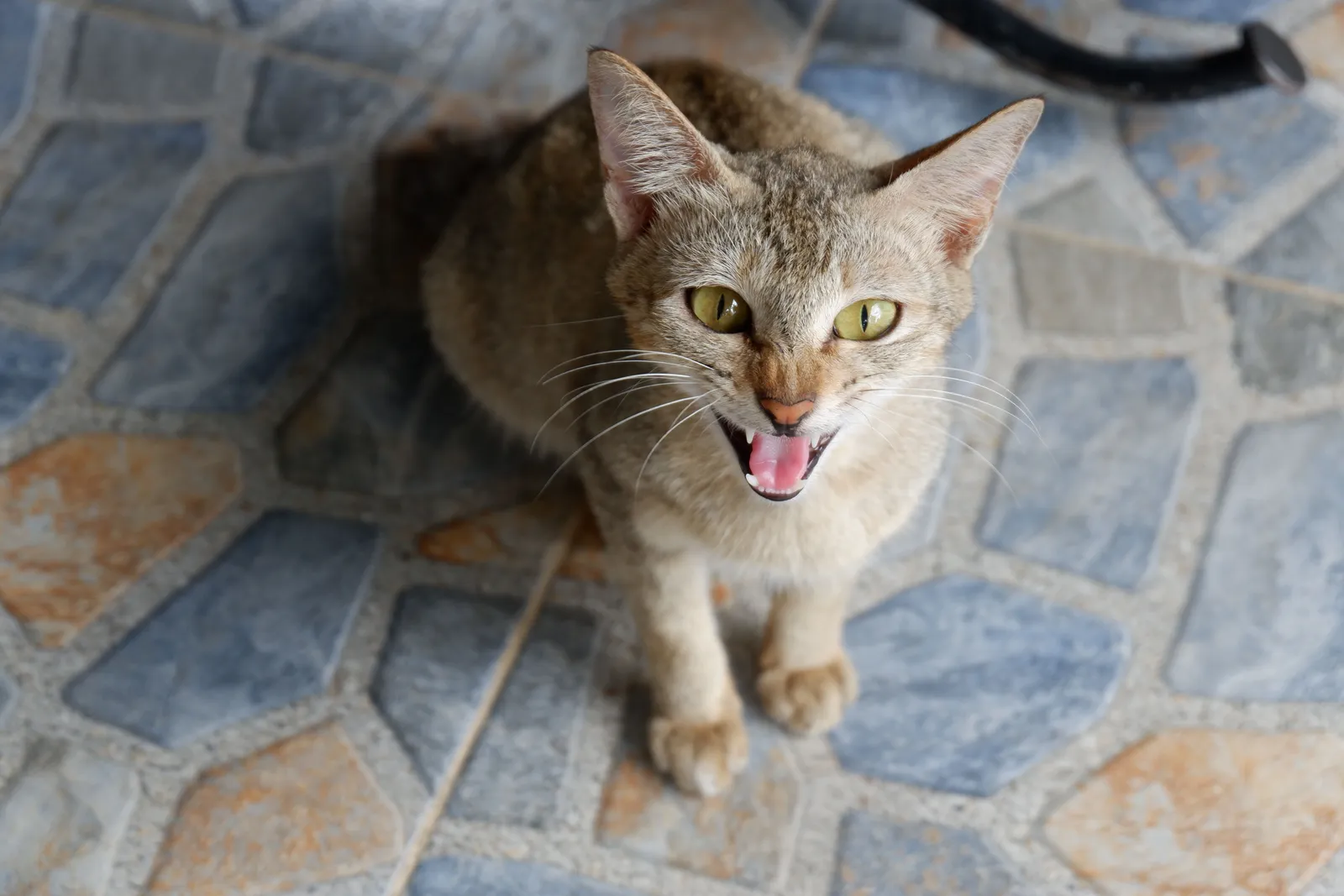
When one of your cats comes home smelling like something other than their normal selves, it can set off a “stranger danger” alarm in the other cat that stayed home, which can lead to aggression. This is not the resident cat being difficult. It’s a genuine defensive response rooted in survival instincts.
These foreign scents disrupt the returning cat’s familiar scent profile, making it unrecognizable to its housemate. The housemate, perceiving this unfamiliar scent as a threat, reacts defensively, resulting in hissing, growling, or even physical attacks. The reaction can look dramatic, but it follows a clear internal logic for the cat doing the hissing.
How Quickly and How Severely Can It Happen?
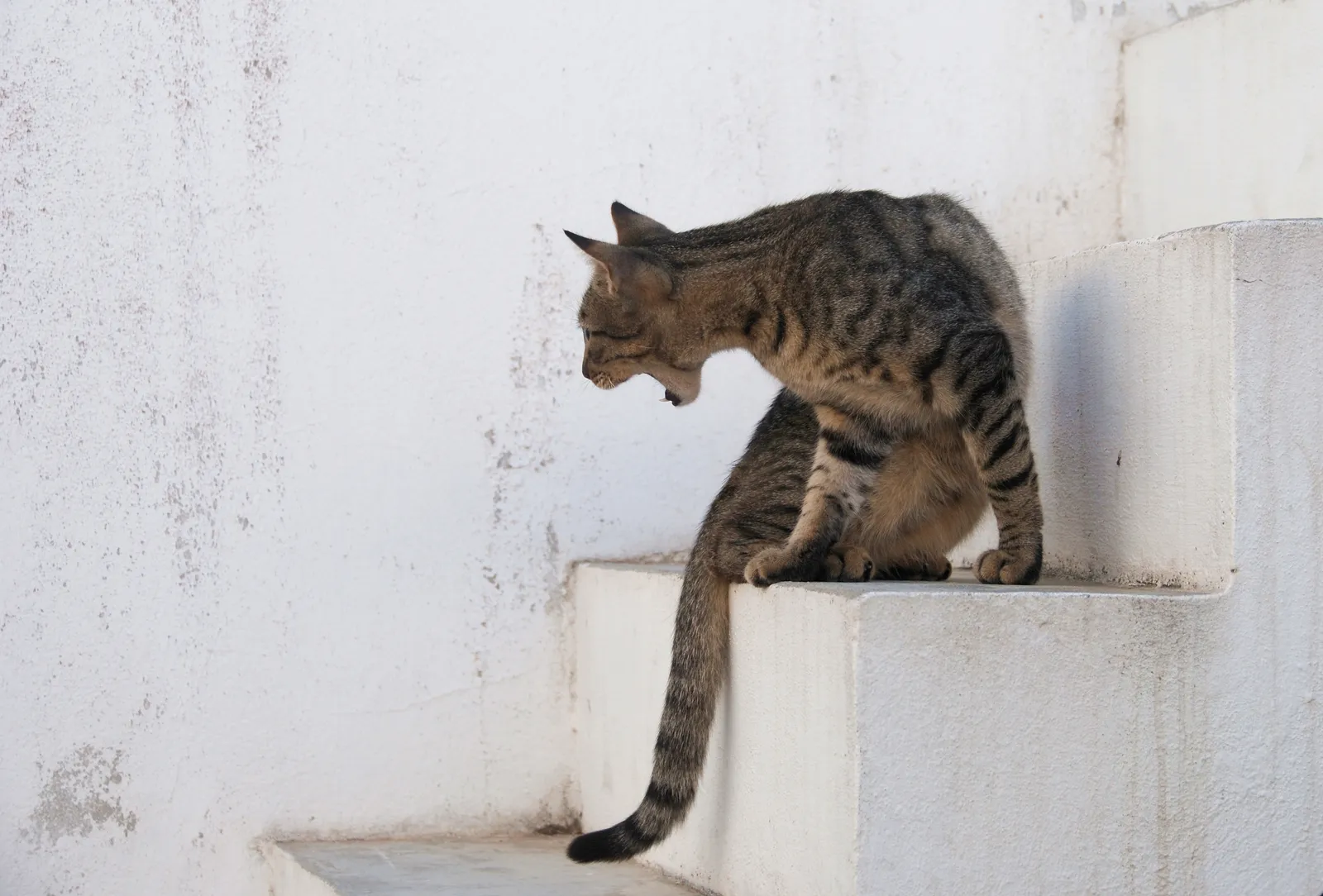
Non-recognition aggression can occur when a cat is away from the home for just a couple of hours, and even after the cats have spent years living together. That detail tends to surprise people. A two-hour checkup is enough to undo years of familiarity.
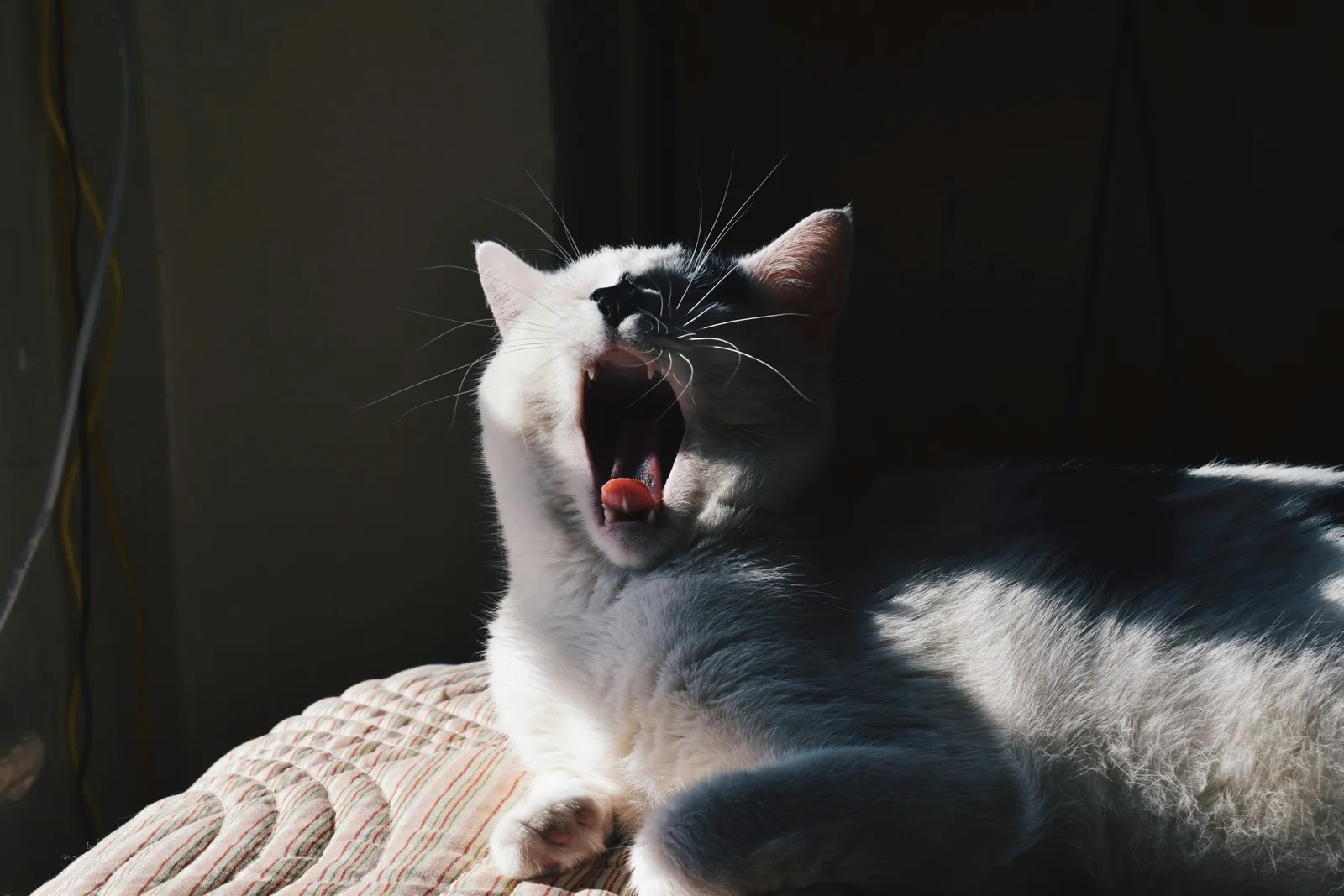
Signs of aggression include arching the back and hair standing on end, but this can progress to hissing, scratching, and biting. The returning cat will usually act defensively when the other cat becomes aggressive, and it can result in serious cat fights, although if you’re lucky, one or the other cat will retreat to a safe place. In short, if you see it escalating, separating the cats right away is the right move.
Stress Hormones Make the Situation Worse
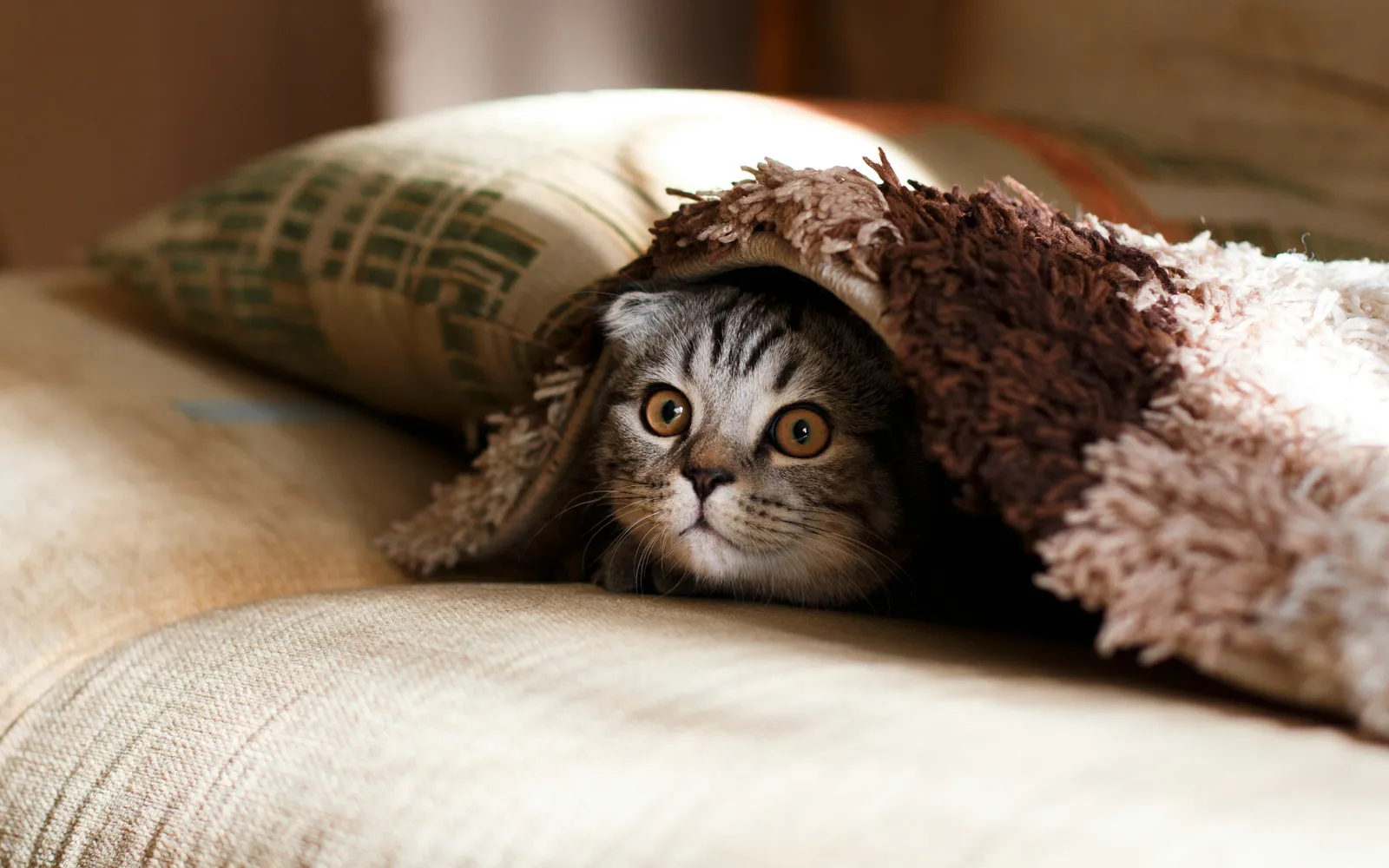
A vet visit is rarely a relaxing experience for a cat, and that stress leaves a physical trace. Choosing veterinarians and groomers who have Fear Free or Low-Stress Handling certification helps, because a cat whose normal smell is not affected by high levels of stress hormones is more likely to be recognized by the other cat. In other words, the calmer the vet visit, the smaller the scent disruption.
Surveys of cat owners show that cats remain remote and unfriendly for several days after the clinic visit, with fewer than half of cats showing a rapid recovery after returning home from a clinic appointment, suggesting that veterinary visits result in prolonged stress in cats. That lingering stress compounds the scent changes and can delay the peace-making process at home.
Research Confirms the Link Between Clinic Aggression and Home Behavior
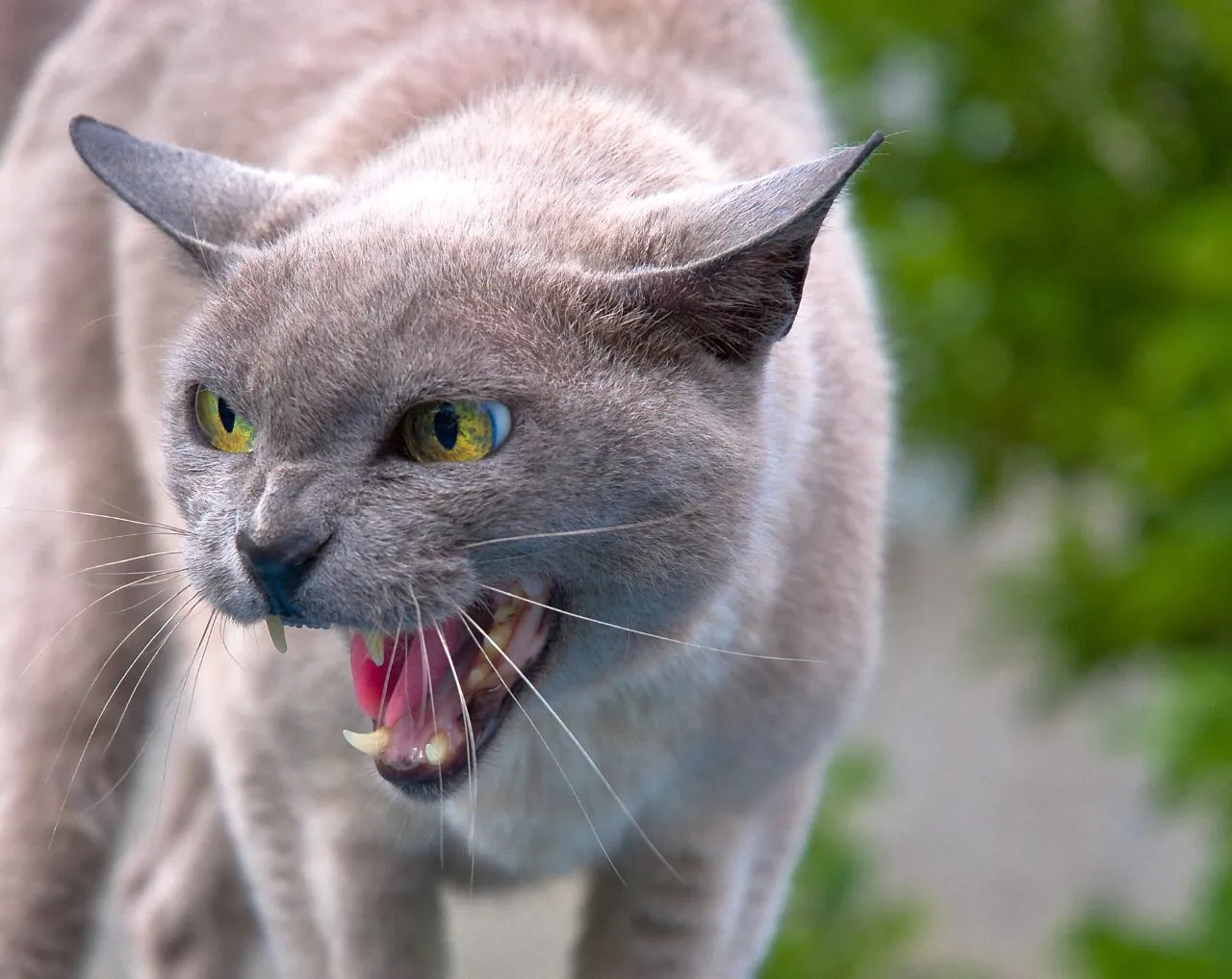
A 2024 study published in the Journal of Feline Medicine and Surgery found that aggression at the veterinary clinic was reported in roughly 42 out of every 100 cats studied. That’s a substantial proportion, suggesting the clinic environment is a real stressor for a large share of the cat population.
In a study conducted on indoor domestic cats in 2024, a positive correlation between aggression displayed during veterinary examinations and the presence of behavioral problems at home was identified, including aggression toward owners and unfamiliar individuals. This association indicates that stress-related reactivity in clinical settings may reflect broader behavioral dysregulation. For cats already prone to anxiety, a vet visit can amplify reactivity for days after returning home.
Separating the Cats Is the Right First Step
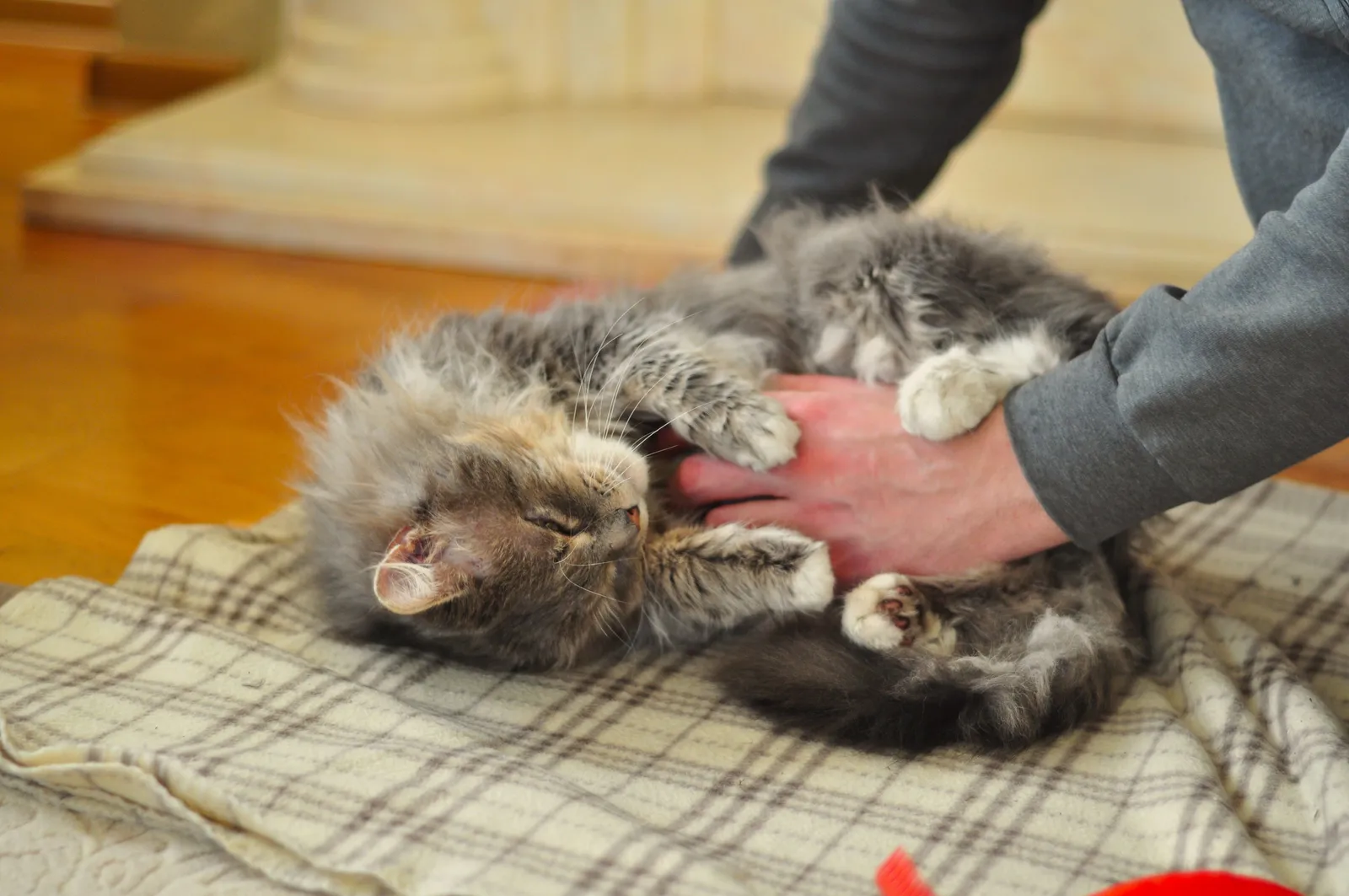
Some cats do best in a quiet room with a calming pheromone diffuser, away from other pets and family members while shaking off the stress of the visit. This is especially true if you have other cats. The smell of the vet clinic on one cat can cause stress and aggression in the cat who stayed home. Giving the returning cat a decompression room is one of the most effective things you can do immediately.
Setting up a quiet room for your returning cat with food, water, and a litter tray allows them to decompress and settle without immediate contact with other pets. Rushing a reunion, no matter how tempting, typically makes things worse rather than better.
Scent Swapping Is the Core Reintroduction Tool
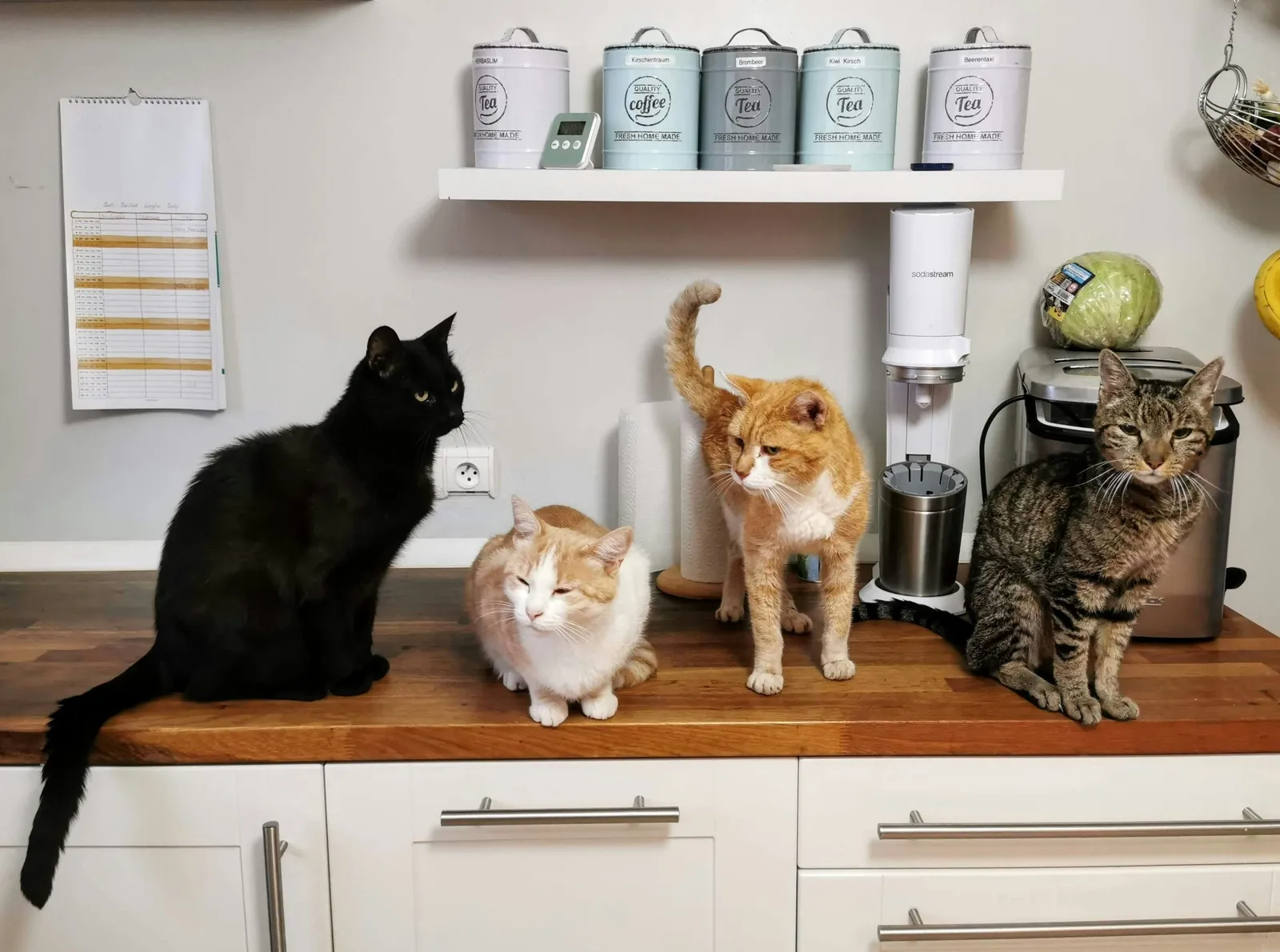
You should gradually reintroduce your cats by swapping scents. This can be done simply by wiping a towel or cloth around a cat’s cheek and then placing that material in the other cat’s space so they can investigate it in their own time. The cheek area is where cats naturally deposit friendly pheromones, making it the most productive spot to focus on.
Offer the cloth to the other cat paired with their favorite treat to create a positive association. Pairing the new scent with something pleasant helps shift the emotional response from alarm to curiosity. When reintroducing your cat to other cats in the household, keep them separated if you notice signs of conflict. Try scent swapping first and then try again a few hours later.
Pheromone Diffusers Can Support the Process
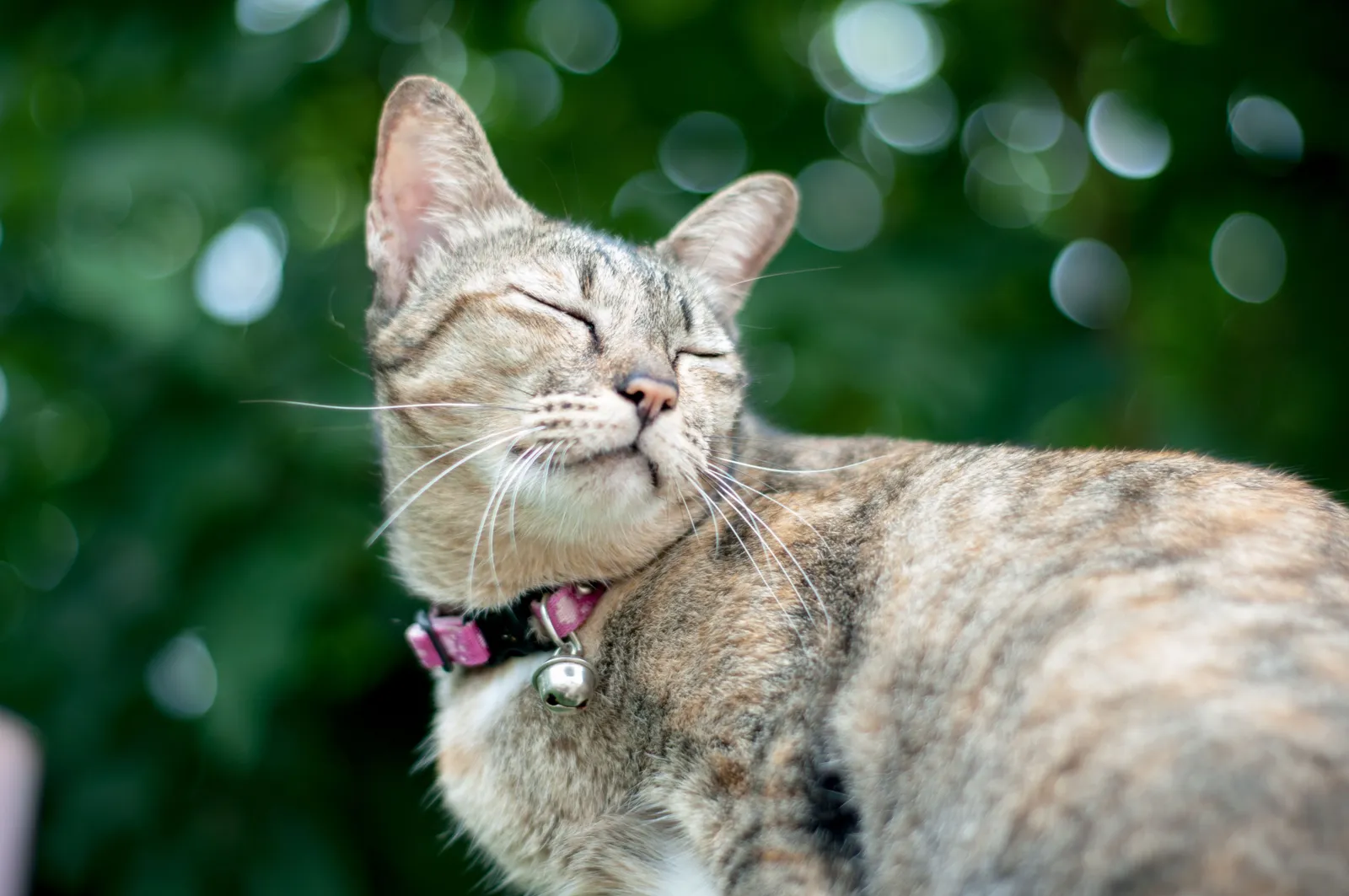
Spraying Feliway, a synthetic pheromone, before leaving with the cat and after returning can help. Spraying it both in the returning cat’s room and in the areas where the stay-at-home cat spends the most time addresses both sides of the tension. Pheromone diffusers are not a magic fix, but they reduce baseline anxiety enough to give the cats space to reorient to each other.
Calming pheromones can be very useful to help your cat re-acclimatize to your home environment and support their recovery. Some owners find it helpful to plug the diffuser in a day before a planned vet visit, not just after. If the hissing and aggression persist for more than a few days, or if the cats are engaging in physical altercations, it’s essential to seek professional help from a veterinary behaviorist.
A Final Thought
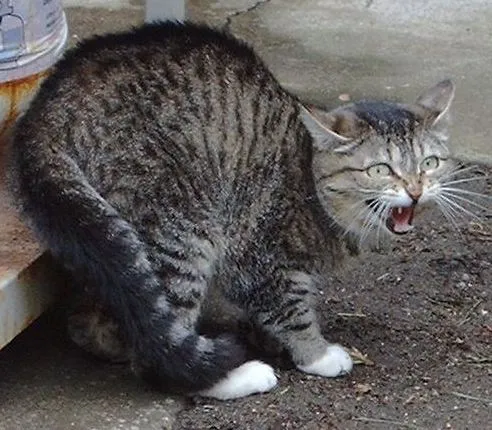
The hissing that greets your cat at the door after a vet visit is not a sign that something has gone permanently wrong between your cats. It’s a short-circuit in a scent-based recognition system that normally runs flawlessly. In many cases, the aggression resolves with time by allowing the cats to gradually re-familiarize themselves through supervised scent exchanges and controlled interactions.
The situation calls for patience more than anything else. Separation, gradual scent exposure, and a calm environment are tools that work. Your cats will recognize each other over time. The lingering smells from the vet’s office will gradually get lost and your cats will be friends again. Understanding why it happens in the first place is usually enough to keep the experience from feeling like a crisis.
AI Disclaimer: This article was created with the assistance of AI tools and reviewed by a human editor.