

The Sneeze Is a Defense System, Not an Accident
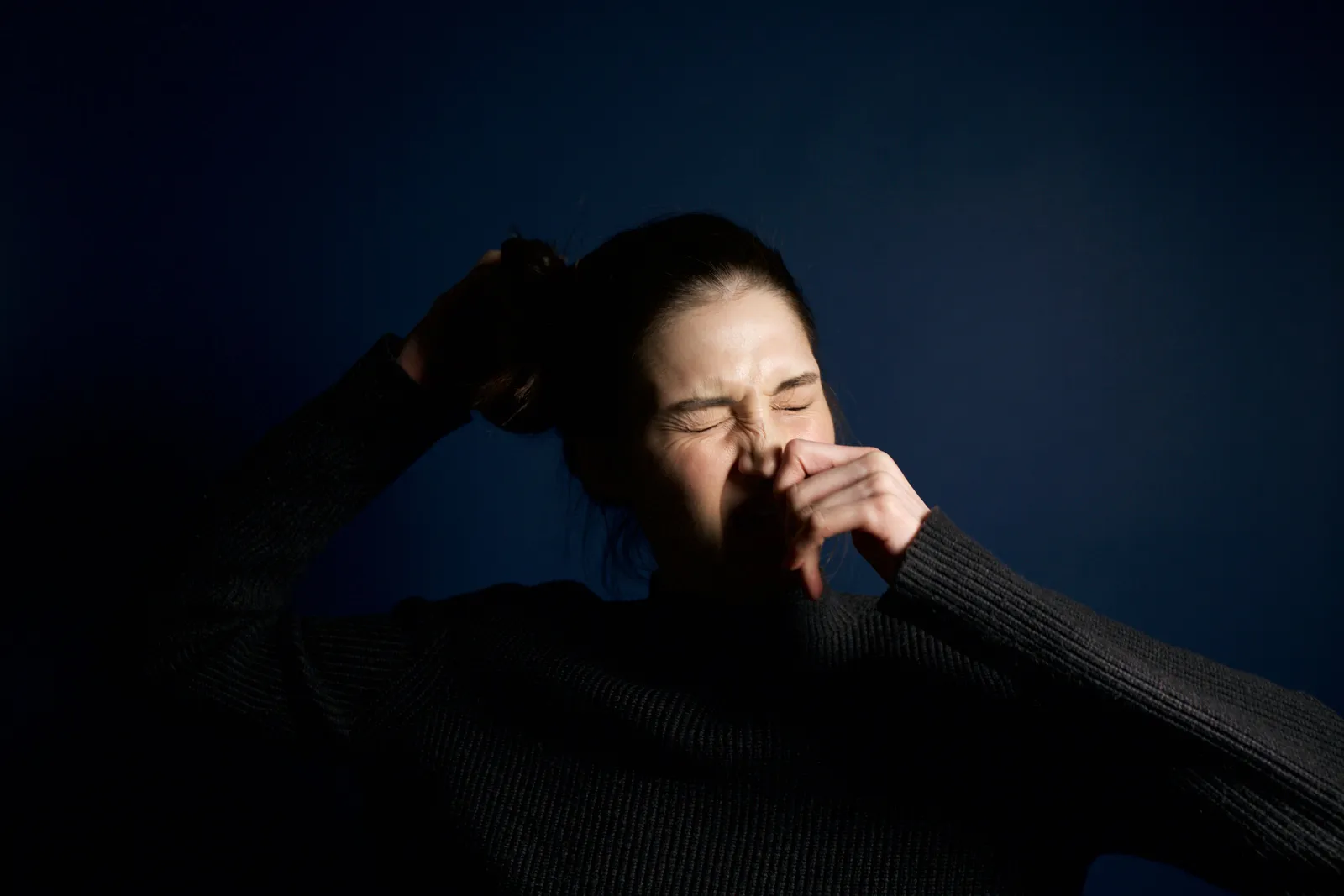
Sneezing is a reflexive action that plays a crucial role in the respiratory system’s defense against foreign particles. It occurs when the nasal lining is irritated by airborne contaminants such as dust or pollen, prompting the brain to activate the sneeze reflex, resulting in a powerful expulsion of air from the lungs through the nasal cavity. The whole point is removal. Your body treats an irritant in the nose roughly the same way you’d treat a bug on your arm.
When the receptors in the nasal cavity are stimulated, the sneeze reflex is quickly initiated, and through strong airflow, foreign particles and irritants are expelled from the body. This process not only helps remove harmful substances from the nasal cavity but also prevents those substances from entering the lower respiratory tract, thereby reducing the risk of infection.
How the Sneeze Reflex Actually Works
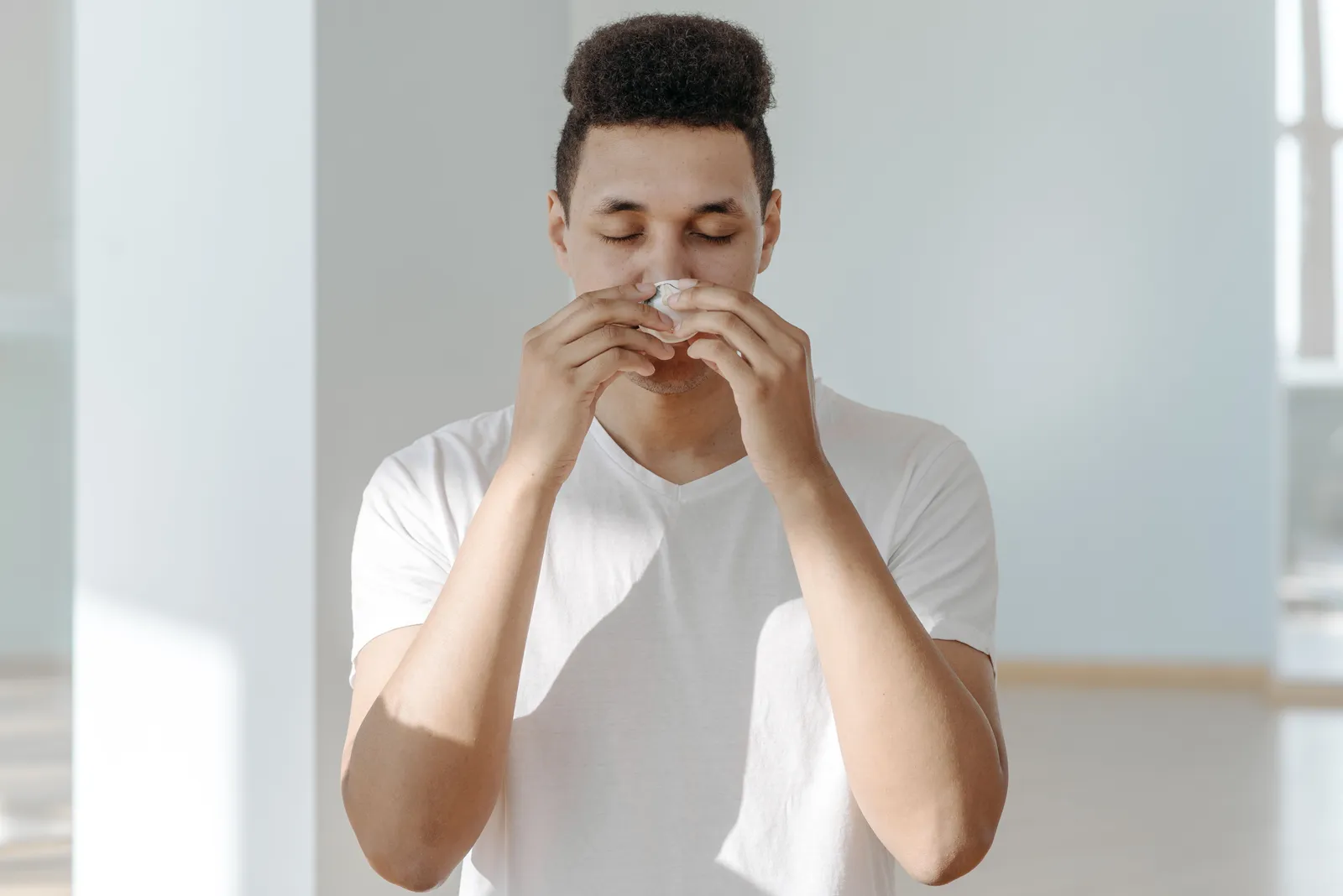
The process begins with sensory input from nasal mucosa receptors, which activate branches of the trigeminal nerve. These signals are relayed to the sneezing center in the brainstem, which then coordinates the response, leading to contraction of respiratory muscles and forceful air expulsion. It’s an elaborate chain of events, not a simple on-off switch.
Your “sneeze center,” located in the lower brain stem, is triggered and sends out a signal to tightly close your throat, eyes, and mouth. Your chest muscles contract and compress your lungs while your throat muscles relax. Suddenly, air, saliva, and mucus are forced out of your nose and mouth. The whole sequence takes only a second or two, but involves a remarkable number of muscles working in sync.
Why One Sneeze Is Often Not Enough

When the first sneeze fails to remove the offending particle or allergen, the irritation persists. The nerve endings remain stimulated, prompting the brain to initiate another sneeze. This cycle continues until the trigger is expelled or desensitized. Think of it like a reset that keeps running until the problem is actually solved.
For people who sneeze three times in quick succession, one sneeze probably loosens the irritant up, the second sneeze gets it to the front of the nose, and the third sneeze gets it out. That three-step model, described by sinus specialist Dr. Jordan Josephson of Lenox Hill Hospital, is a tidy way to understand what your body is doing with each burst.
The Role of the Brainstem’s “Sneeze Center”
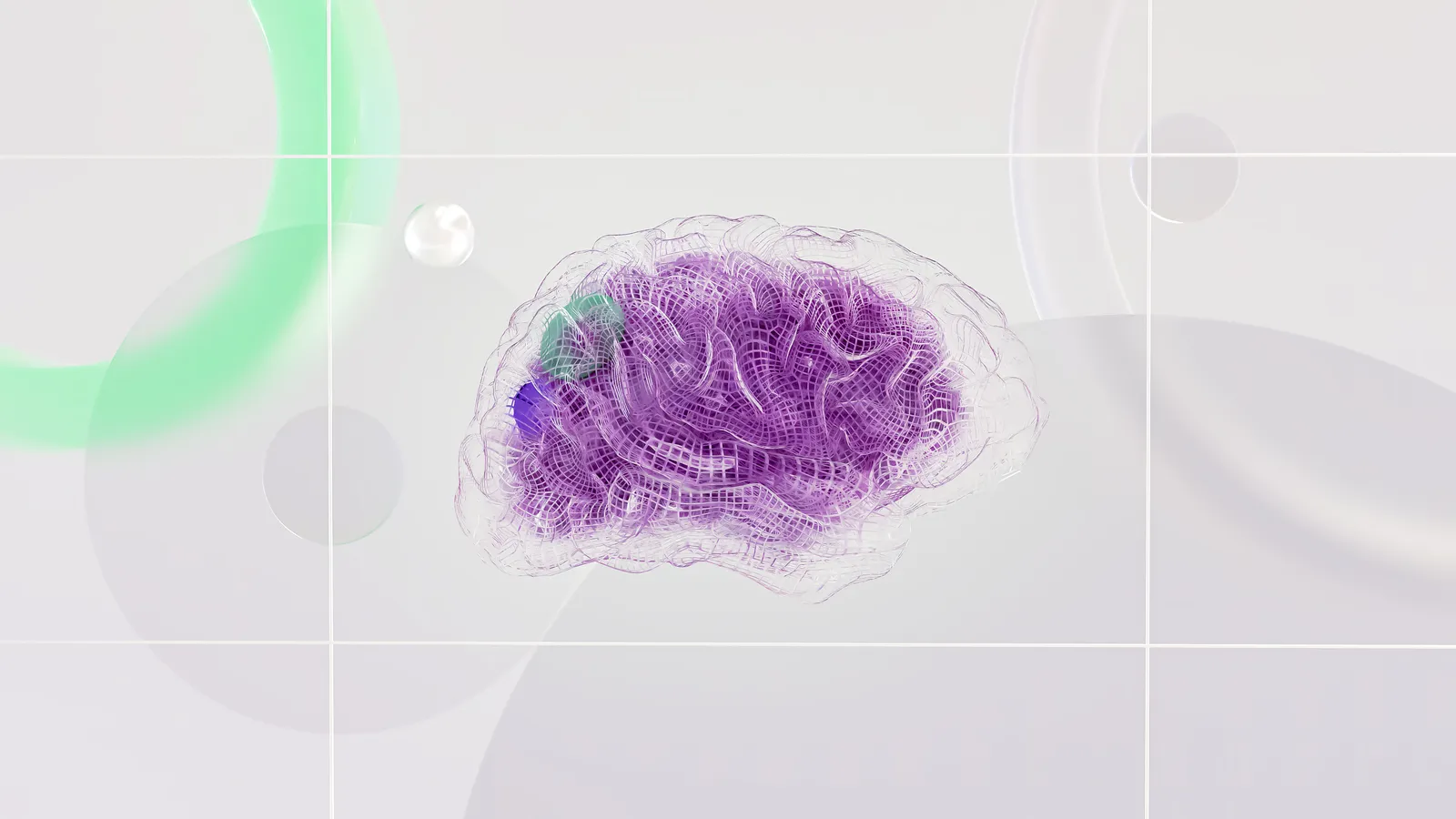
A sneeze, medically known as sternutation, is a complex neuromuscular reflex coordinated by the brainstem’s “sneeze center.” When sensory nerves in the nasal mucosa detect an irritant, such as pollen, dust, smoke, or viral particles, they send signals to the brain. This sneeze center is not a single spot but a network of neurons in the medulla oblongata that coordinates the whole event.
In the nasal region, receptors receive signals from stimuli and initiate the sneezing response via incoming C-type neurons and cholinergic neurons. Although this process appears to be a simple physiological response, it actually involves the integration and regulation of the more complex central nervous system. That complexity is precisely why sneezing can vary so much from person to person.
Individual Patterns: Why Some People Always Sneeze Three Times

Some people sneeze once and move on with their day. Others sneeze in a long chain that seems to follow a personal pattern. Many people notice they reliably sneeze the same number of times, which raises the question of whether there’s something wired into each individual.
Some people simply have nerves in the nose that react faster and keep reacting until the irritation settles. That can mean several sneezes in a row. Researchers also point out that people may not remember the times they only sneeze once, so the pattern may feel more fixed than it actually is. Memory bias plays a role in how consistent we perceive our own sneezing habits to be.
Allergies and Histamine: A Major Driver

When allergens such as pollen, pet dander, mold, or dust enter the body, the body responds by releasing histamine to attack the invading allergens. Histamine triggers an allergic reaction, and symptoms include sneezing, runny eyes, coughing, and a runny nose. The more allergen present, the more histamine released, and often the more sneezes follow.
During allergy season, second-generation antihistamines work well because allergic sneezing is driven largely by histamine released in the nasal tissues, a peripheral target these drugs reach effectively. Certain conditions, like nasal congestion from infections or allergies, can enhance the frequency of sneezing. So if your sneezes multiply in spring, your histamine response is working exactly as intended.
Sneezing and the Immune System

It is tempting to think of a sneeze as a purely mechanical event, a blast of air that ejects particles. The reflex is also woven into the immune response. The nasal mucus expelled during a sneeze contains antibodies, antimicrobial enzymes, and trapped pathogens. Multiple sneezes can therefore increase the amount of immunologically active material cleared from the nasal passage.
In some infectious diseases, the primary cause of sneezing is the presence of inflammatory reactions. These inflammatory reactions directly stimulate the receptors in the body, triggering a strong reflexive sneeze that causes air to burst out rapidly. Therefore, sneezing is not only a response to local stimulation but is also associated with the body’s overall immune response, aiding in the management of infections and inflammation.
The Photic Sneeze Reflex: When Light Makes You Sneeze

The photic sneeze reflex is a reflexive sneezing triggered by exposure to bright light. Despite having an autosomal dominant inheritance pattern affecting approximately eighteen to thirty-five percent of the population, it remains poorly recognized in clinical practice, and was designated as ACHOO syndrome. ACHOO stands for Autosomal Dominant Compelling Helio-Ophthalmic Outburst, which is possibly the most committed acronym in all of medicine.
In individuals carrying the ACHOO trait, an intense neural impulse traveling through the optic pathways inadvertently cross-stimulates adjacent sensory divisions of the trigeminal nerve. This aberrant sensory signal tricks the brainstem sneeze center into interpreting intense ocular luminescence as a foreign physical irritant within the nasal mucosal lining, triggering a sudden sternutatory reflex. The reflex follows an autosomal dominant inheritance pattern, and the key genetic marker identified in genome-wide association studies is rs10427255, near the ZEB2 gene on chromosome 2.
Suppressing a Sneeze: What Happens When You Try to Stop It

Sneezing cannot be performed voluntarily, and attempts to suppress it may lead to increased pressure in the body. There have been documented medical cases of injury from forcefully stifled sneezes, including damage to the Eustachian tube and, in rare instances, pressure-related injury to the throat. The advice from most ear, nose, and throat specialists is simple: let it out.
A sneeze is essentially a nasal restart. Whatever irritated the nose to create the sneeze overwhelmed the nasal system, so much like shutting down a computer to restart the system, the sneeze resets the nasal environment. That’s why it’s common to sneeze several times in a row if the irritant hasn’t cleared out. Blocking that process means the reset never completes.
Other Unusual Triggers for Multiple Sneezes
Not all sneezing is irritant-related. Some people sneeze when they go out into the sun, a condition known as photic sneezing. Other people sneeze when their stomach is full, a condition known as snatiation. Both are real, documented phenomena, though neither is fully understood at the neurological level.
Common external stimuli include odorants, dust, pollen, and smoke. When the nasal cavity comes into contact with irritating odorant molecules, such as capsaicin and ammonia, it primarily stimulates the trigeminal nerve, leading to sensations such as stinging, cooling, burning, or pain, which can induce sneezing. Spicy food, strong perfume, and sudden cold air can each set off a chain of sneezes in the right person under the right conditions.
The Takeaway

That second or third sneeze is not your body being theatrical. It’s persistence with a purpose. When the first blast doesn’t fully clear the irritant, the nervous system simply tries again, and again if necessary, until the job is done. It’s one of the more elegant defense mechanisms the body runs quietly in the background every day.
What’s genuinely remarkable is how much complexity hides behind something that lasts barely a second. Genetics, neurology, immune response, fluid dynamics, and even the angle of sunlight can all factor into how many times you sneeze. Next time you feel that familiar tickle building, you’ll know exactly why round two is already on the way.
AI Disclaimer: This article was created with the assistance of AI tools and reviewed by a human editor.