
1. No Visible Security System

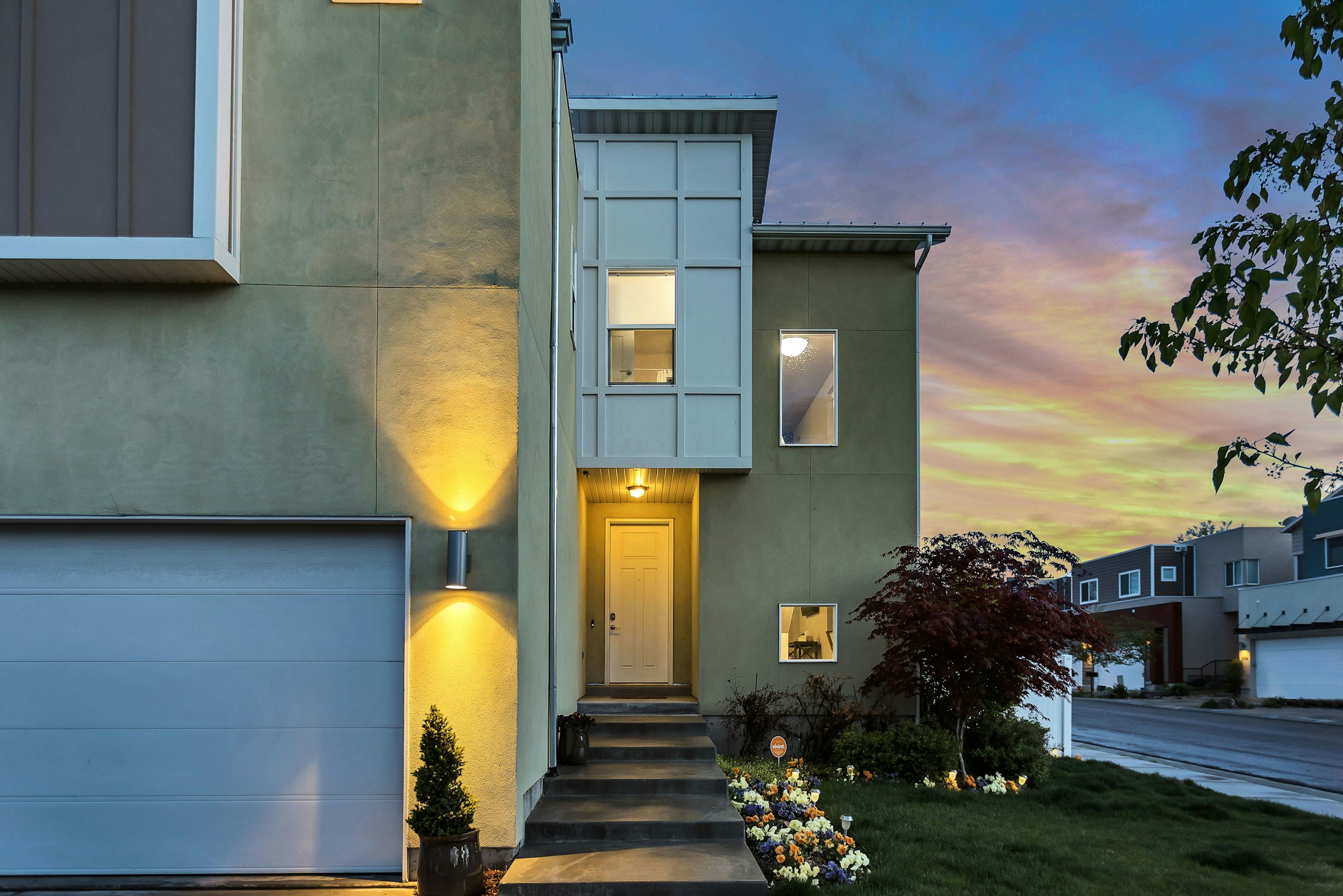
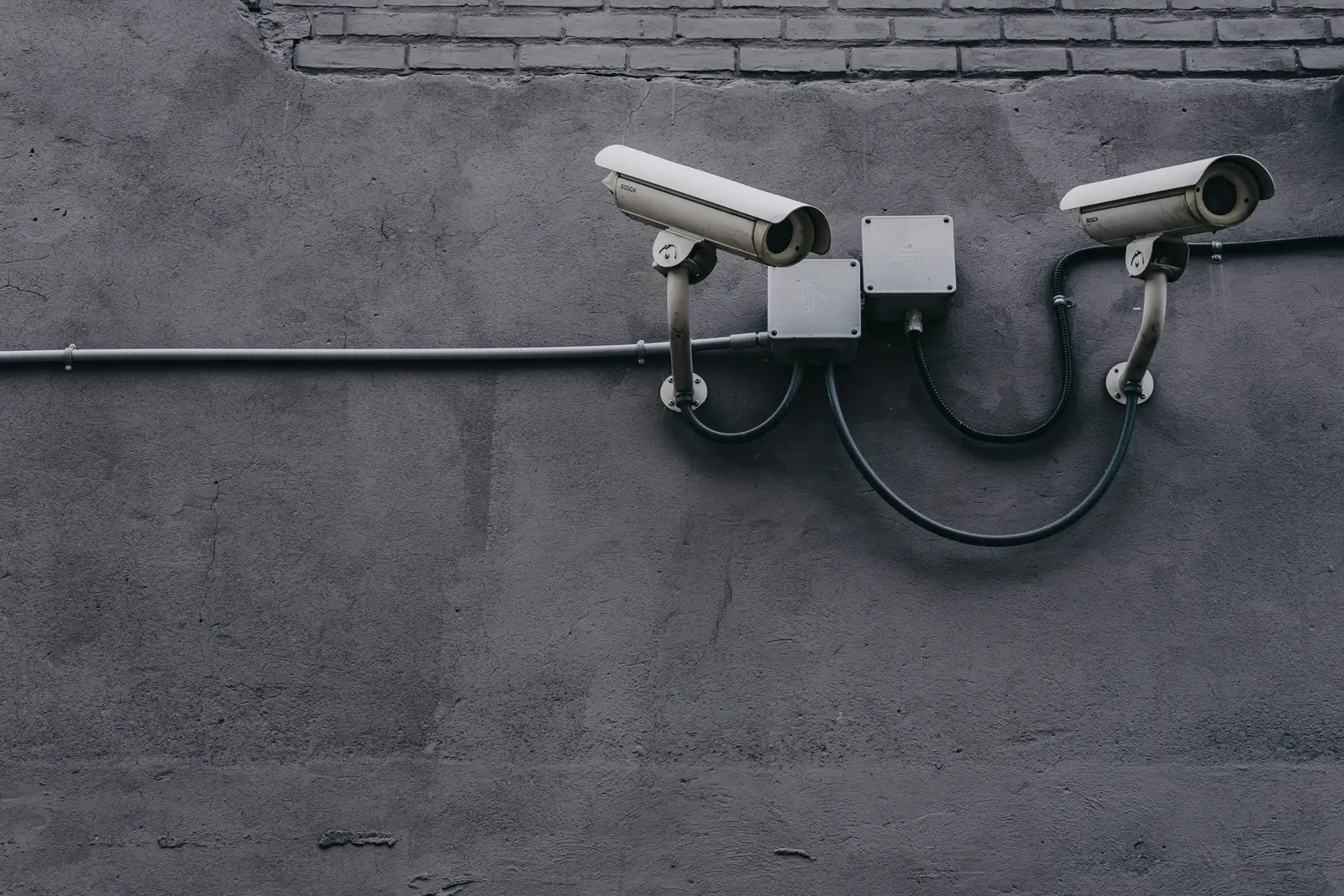
This one comes up again and again in research with convicted burglars, and the numbers are hard to ignore. Homes without security systems are three times more likely to be targeted, and a University of North Carolina study surveying convicted burglars found that roughly four out of five would avoid homes with visible security systems.
Approximately three out of five burglars said they would seek an alternative target if an alarm system were on-site at their initial target, according to UNC Charlotte research. The deterrence is not just about the alarm going off. It is about signaling that someone thought about security in the first place.
As of 2026, proprietary data from The Zebra found that nearly half of all people do not have a security system installed in their home. That gap between perceived safety and actual protection is exactly what burglars are counting on.
2. Unlocked Doors and Windows
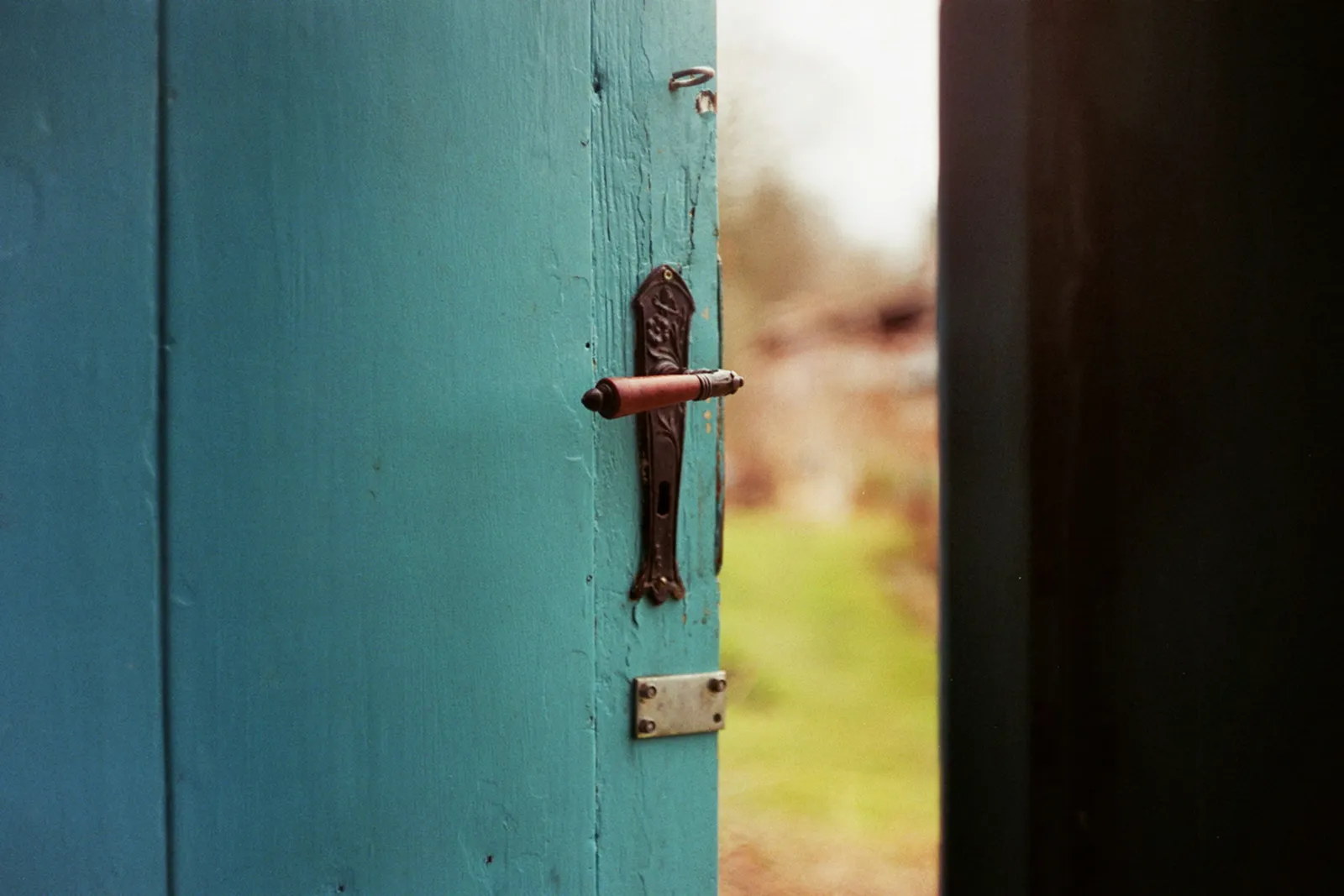
Home security company ADT reports that in roughly a third of burglaries, offenders simply turn the doorknob of their target house and walk inside, while another nearly a quarter access the home through an open first-floor window, pointing to many burglaries being a crime of convenience.
Data from The Zebra found that more than one in six people do not lock their front doors while at home, despite the front door being the access point for roughly a third of burglars. That combination is a quiet but serious vulnerability that most households never address.
Burglars often look for the easiest entry, and an unlocked door requires no effort at all. Many break-ins are not planned but happen when an intruder notices a quick opportunity, and it is exactly during those brief moments of inattention that homes are most vulnerable.
3. Overgrown Landscaping That Provides Cover

Burglars actively look for homes with poor outdoor visibility because it hides their movements, and if no one can see them, they have time to break in unnoticed. Dense bushes near windows and doorways are not just an aesthetic issue. They are a practical problem with real consequences.
Residences with fences, large trees, or bushes that block the view of doors or windows are considered more attractive to burglars. If your home is visually isolated from neighbors and passersby, burglars get more time to find an entry point, search through the home, and leave undetected.
First-floor windows and doors are highly targeted, especially when a burglar can be concealed behind overgrown vegetation. Keeping hedges trimmed below window height is a low-cost, high-impact change that most homeowners overlook entirely.
4. No Outdoor Lighting

Darkness makes it easier for criminals to strike. A home without lights is a prime target, and thieves use shadows and unlit yards to move unseen. This applies both during the night and, to a degree, during early morning hours before the neighborhood wakes up.
Dark or shadowy areas around a home can create the perfect hiding spots for burglars. Without proper lighting, intruders can approach undetected and take their time trying to enter. Motion sensor lights or well-placed outdoor fixtures make a meaningful difference in deterring suspicious activity, since burglars generally avoid homes where they risk being seen.
Dark entryways are consistently cited in research as an access invitation, whereas a lit porch signals that someone is home or watching. The fix is often cheaper than people assume. A few motion-activated lights near entry points can significantly shift how a burglar reads a property.
5. Obvious Signs That Nobody Is Home

Burglars are essentially reading the same signals you would notice if you were checking on a friend’s house. Unlit homes at night, uncollected mail, or overgrown gardens can all signify that a property is unoccupied. These details accumulate quickly and paint a clear picture to anyone paying attention.
An unoccupied home is an appealing target to a burglar, particularly if they sense the occupants will be away for hours or days. Some of the specific things they look for include no sound from a TV or radio, lights that never change, mail or packages piled up, and trash bins left on the street.
Contrary to popular belief, the majority of home invasions occur during the daytime. FBI 2024 data confirms that daytime residential burglaries significantly outnumber nighttime ones, showing that burglars strategically target typical work and school hours to reduce the risk of encountering occupants. An empty house during working hours is, in many ways, the ideal scenario for a burglar.
6. Hidden or Weak Entry Points at the Rear and Side
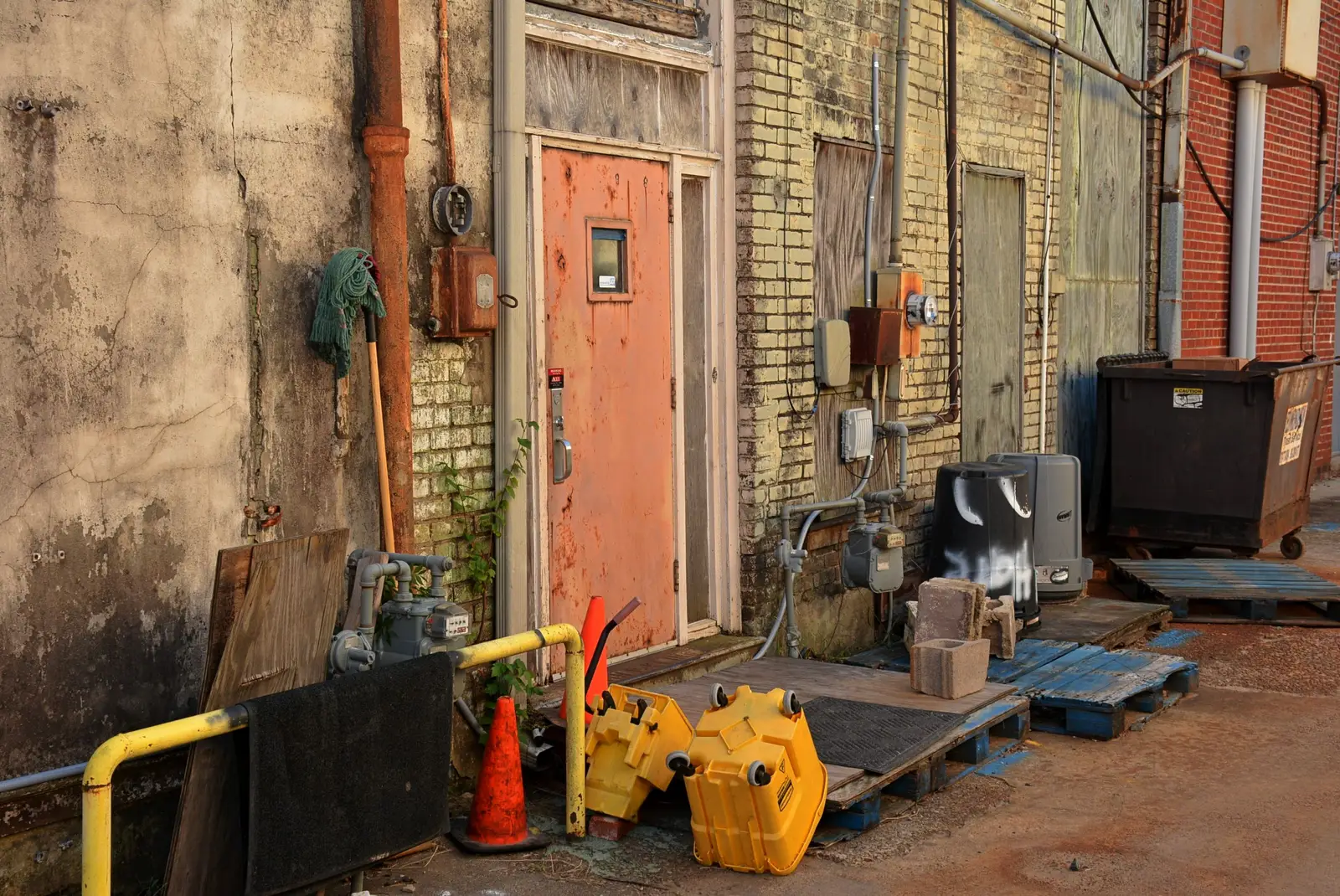
Back doors and patio doors deserve as much attention as the front entrance because they can offer access with less visibility from the street. Criminology research has repeatedly identified side and rear access as important burglary vulnerabilities.
Window air conditioners and sliding doors with flimsy locks are two specific features that burglars notice and exploit. These are the kinds of structural details that blend into the background for homeowners but stand out immediately to someone looking for a way in.
Most surveyed inmates reported breaking in through an unlocked door or window, while several described kicking the door open. Reinforced door frames and solid deadbolts address this directly. A door that cannot be kicked open in one attempt shifts the risk calculation almost immediately.
7. Spare Keys Hidden in Predictable Spots
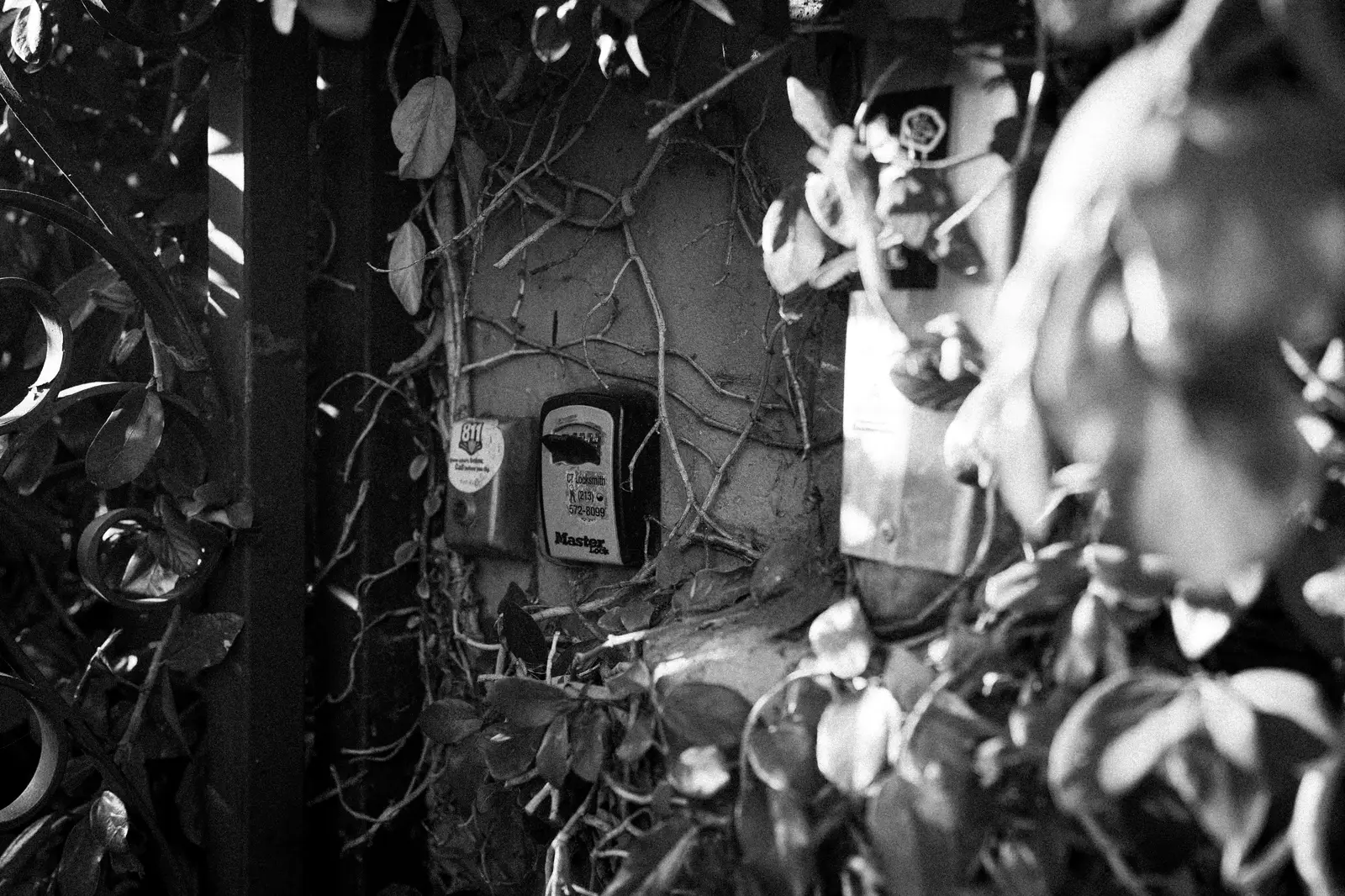
The under-the-mat key is almost a cultural joke at this point, except that it still happens constantly. You are not fooling anyone by stashing a key under the doormat or in that planter next to the front door. Burglars know every standard hiding spot and check them quickly.
Most experienced bad actors will typically take a quick glance around the door frame, under a mat, and inside a nearby mailbox. It takes seconds and costs them nothing. Giving them a key to the house without realizing it is about as direct an invitation as a homeowner can send.
A key lockbox with a combination code, kept in a less obvious location, is a far safer option for households that need outdoor key access. Telling a trusted neighbor rather than hiding a key outside eliminates the risk entirely.
A Few Bonus Vulnerabilities Worth Knowing
Burglars tend to live within two miles of the targeted home, and according to U.S. Department of Justice data, nearly two thirds of attackers knew their victim. This matters because it means the person assessing your home is often someone who has walked past it before, or knows your schedule from casual observation.
Almost all burglars knock on the front door or ring the bell before attempting entry. This “knock test” is how they confirm whether anyone is home before committing. A car in the driveway or a quickly answered door changes the risk calculation on the spot.
Being the victim of a home burglary can increase the risk of future victimization, as offenders often target the same residence more than once. After a break-in, upgrading security is not just smart. It is genuinely necessary.
The Financial Sting Is Real

According to 2024 FBI data, the average loss per residential burglary ranges from roughly $4,368 for nighttime incidents to nearly $5,000 for daytime ones, with these figures including stolen goods and property damage.
One home burglary takes place about every 25.7 seconds on average, with an average loss per case of around $2,661 based on some estimates. Another hard fact from the data: only about eleven percent of cases get solved, meaning most people never recover their belongings.
The average cost for monitored home security is just over $32 per month, working out to less than $400 per year. Compared to the financial and emotional cost of a break-in, the math is fairly straightforward.
What Actually Makes Burglars Walk Away
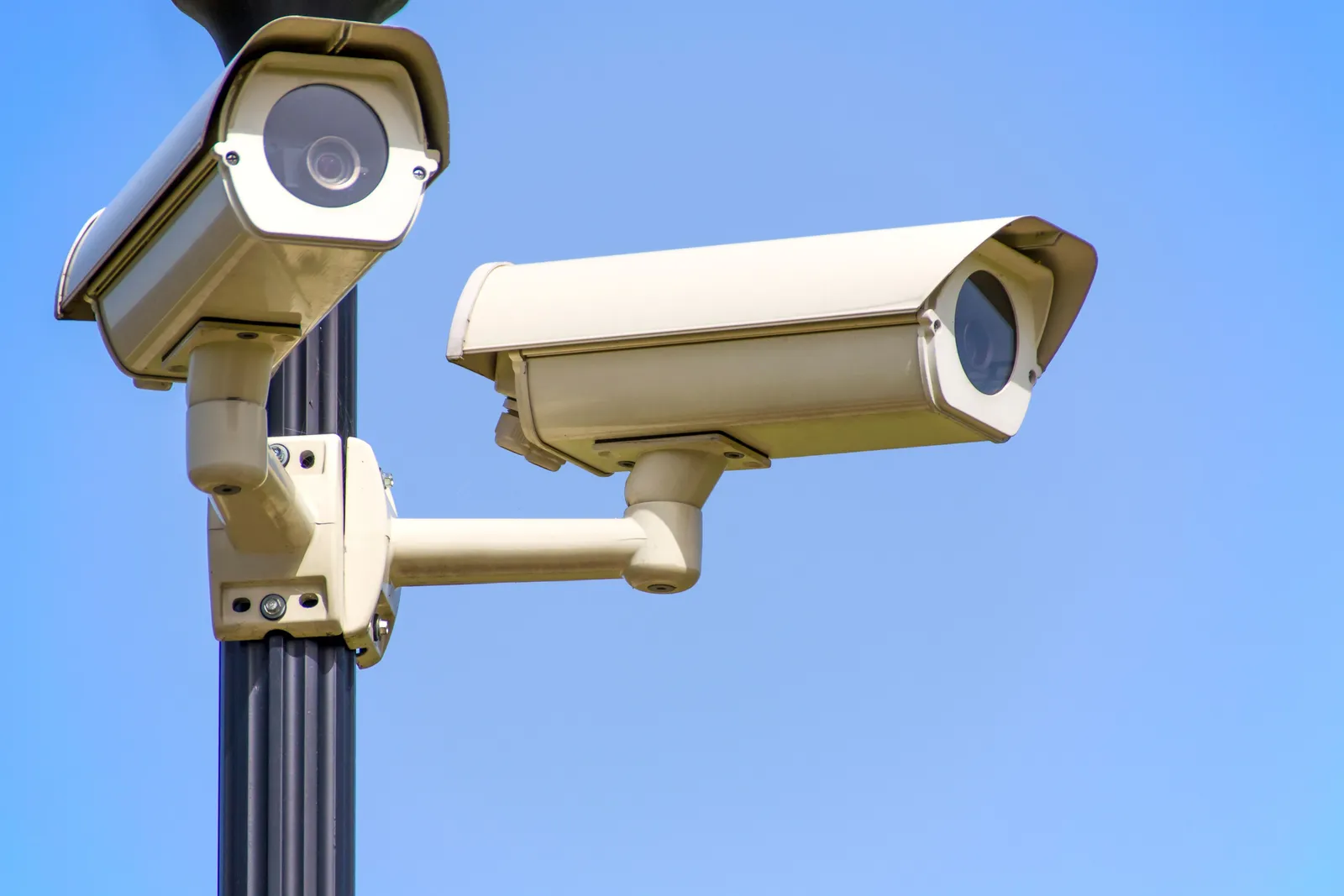
Burglars consistently report that a visible camera, even a basic one, triggers a reassessment of whether the property is worth the risk. About three out of five say they will move to a different target entirely.
Motion-activated lights, solid deadbolts, and visible signs of occupancy deter more burglars than alarm stickers or expensive landscaping alone. Research from the University of North Carolina found that the deterrent effect of cameras and alarms jumps significantly when combined with lighting and solid doors.
Police consistently note that burglars look for open or easily forced doors and windows, prefer not to be seen or heard, and often return to homes where security was never upgraded after a first break-in. Taken together, the deterrence strategy is clear: raise the perceived effort, raise the perceived risk of being seen, and remove the obvious signs of absence.
The Takeaway
Most of what makes a home an easy target is not expensive or complicated to fix. Unlocked doors, poor lighting, hidden keys, and overgrown bushes are all simple to address. The challenge is that these details fade into the background of daily life until something goes wrong.
The picture that emerges from years of research with convicted burglars is consistent: they are not looking for the richest home on the street. They are looking for the easiest one. The aim of basic burglary prevention is not to make a home impossible to enter, but to remove the obvious signs of an easy opportunity and make an intruder expect more time, noise, and risk.
A home does not need to be a fortress. It just needs to look like more trouble than the house next door.
AI Disclaimer: This article was created with the assistance of AI tools and reviewed by a human editor.