
It All Starts With Trust, Not Affection
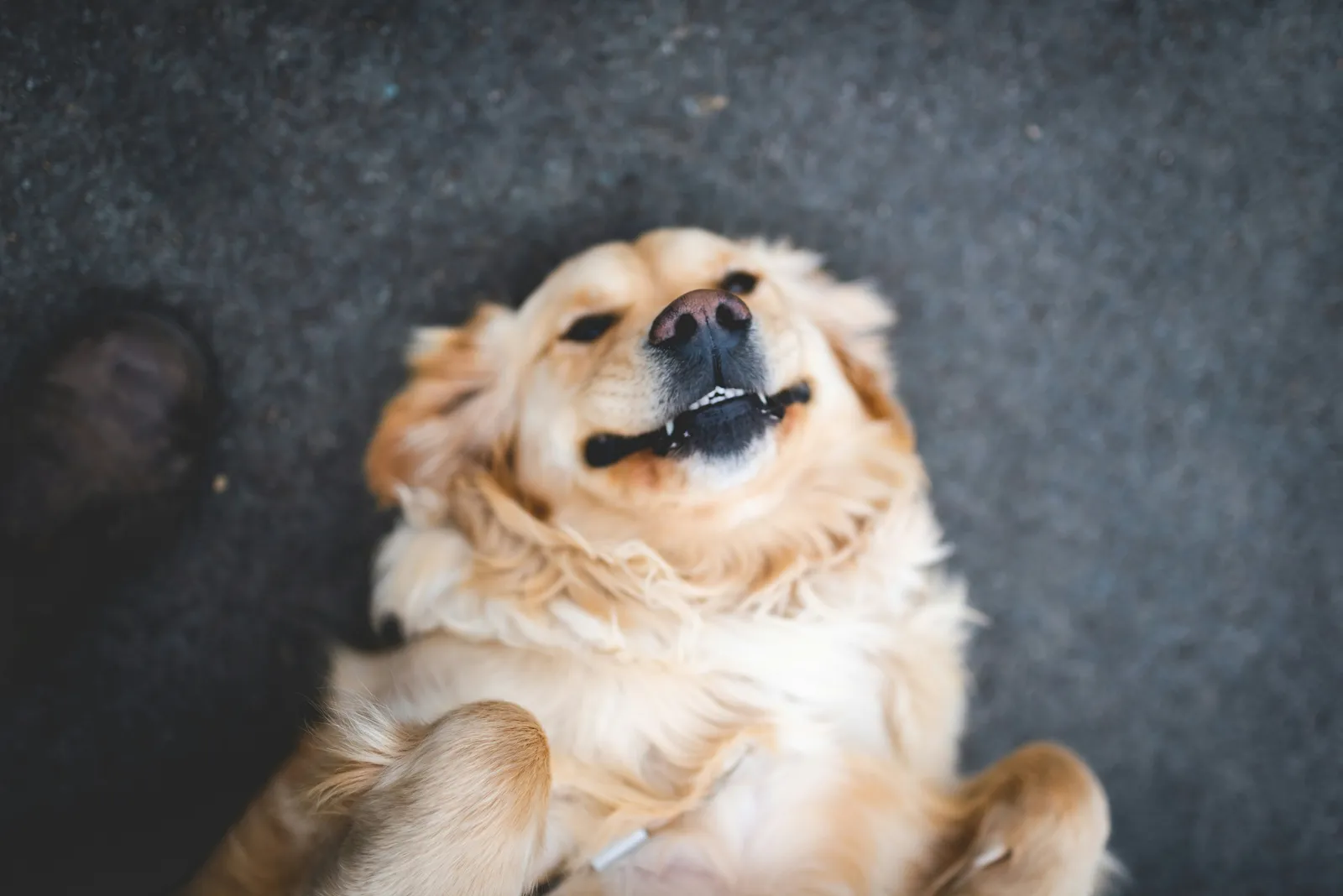
Exposing the belly is, at its core, a profound sign of trust. Dogs aren’t born to expose their underside for attention unless they feel completely safe. This is why a dog that’s perfectly happy to sit beside a stranger won’t necessarily roll over for them.
When a dog rolls over and exposes its belly, it’s making itself completely vulnerable on purpose. This is one of the deepest signs of trust a dog can offer, an invitation for affection, or sometimes just a way of saying “you’re in charge here.”
The key word is “selective.” Dogs are reading the entire social situation constantly, and only a specific combination of cues from a specific person adds up to a green light. Trust isn’t automatic, and it isn’t given to everyone equally.
Dogs Pick Up on Your Scent Before You Even Touch Them
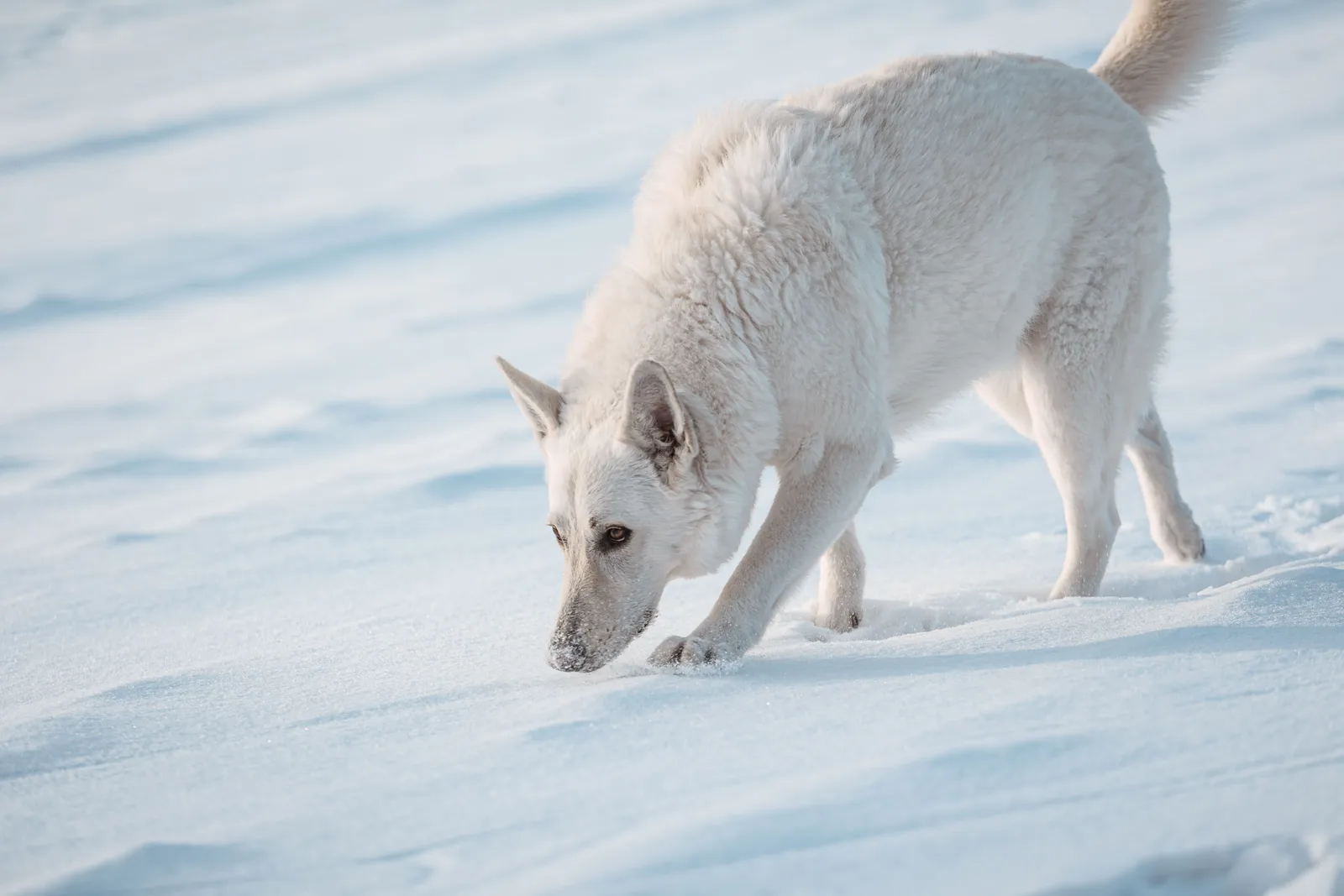
Dogs have an incredible sense of smell. Humans have around six million smell receptors, and dogs have an astounding 300 million. That disparity is hard to fully appreciate, but it means a dog has a chemical read on you before you’ve said a single word.
Research published in 2024 found that dogs experience emotional contagion from the smell of human stress, leading them to make more pessimistic choices. The University of Bristol-led study was the first to test how human stress odours affect dogs’ learning and emotional state.
Dogs are highly attuned to human emotions and changes in body chemistry. With around 300 million olfactory receptors compared to just 6 million in humans, dogs can sense even the most subtle shifts in scent, including those caused by hormonal changes. If you’re anxious, distracted, or trying too hard, a dog may sense that chemistry before you’ve made a move.
The Belly-Up Position Is Not Always an Invitation
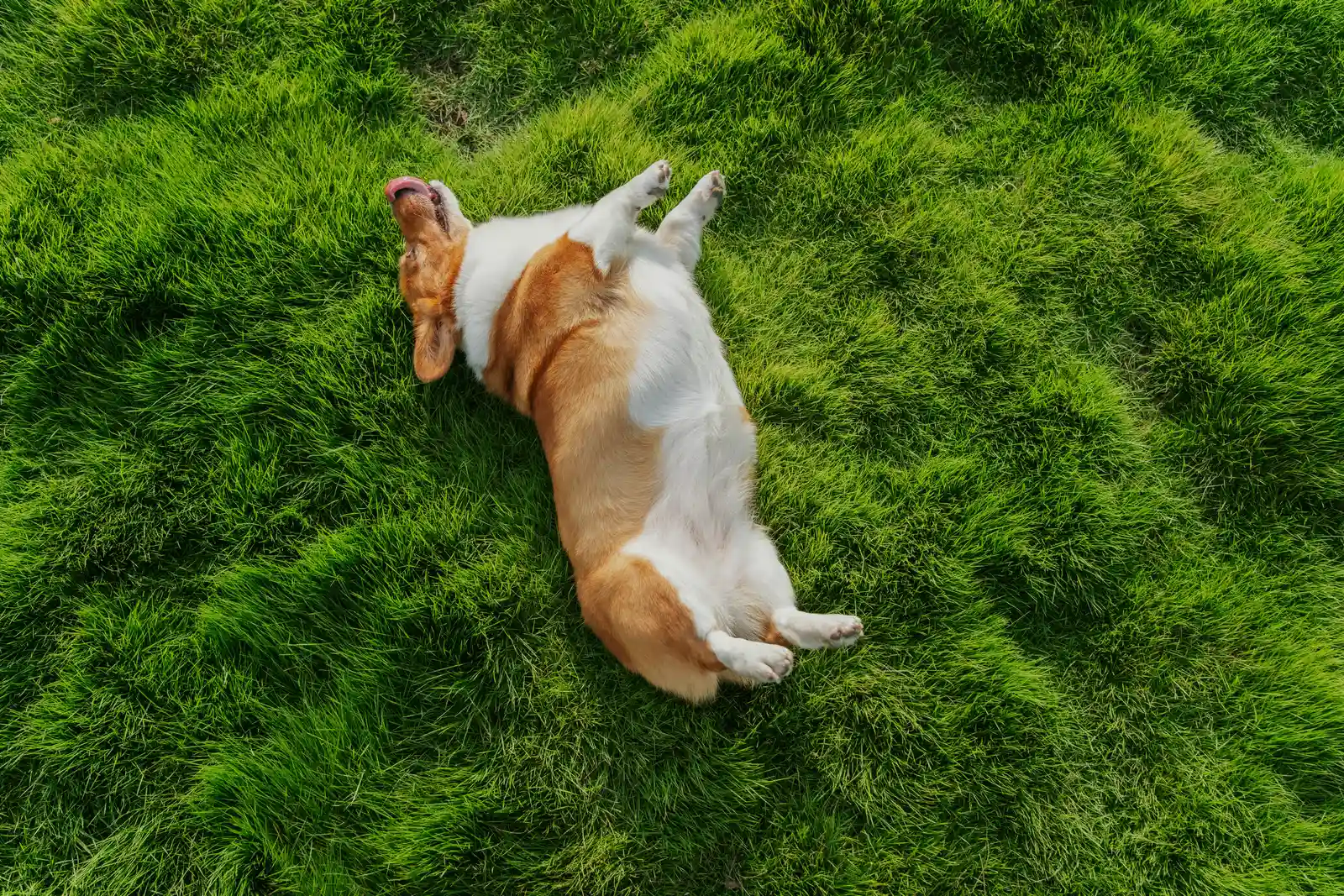
The belly-up posture is probably the most commonly misinterpreted one. People have been taught that if a dog rolls over, they must want a belly rub. In reality, many dogs will expose their belly as an appeasement behavior, essentially asking for space, trying to communicate they’re unsure.
While some dogs are asking for a belly rub, others may be inviting play, trying to cool off, scratching an itch, or communicating how they feel. To understand what your dog is trying to tell you, it’s important to consider both the situation and their overall body language.
This is where misreading a dog’s signals can actually do damage to the relationship. When humans reach out to touch a dog that rolled over out of discomfort rather than delight, they confirm the dog’s unease rather than ease it.
Rolling Over During Play Is a Tactical Move, Not Submission
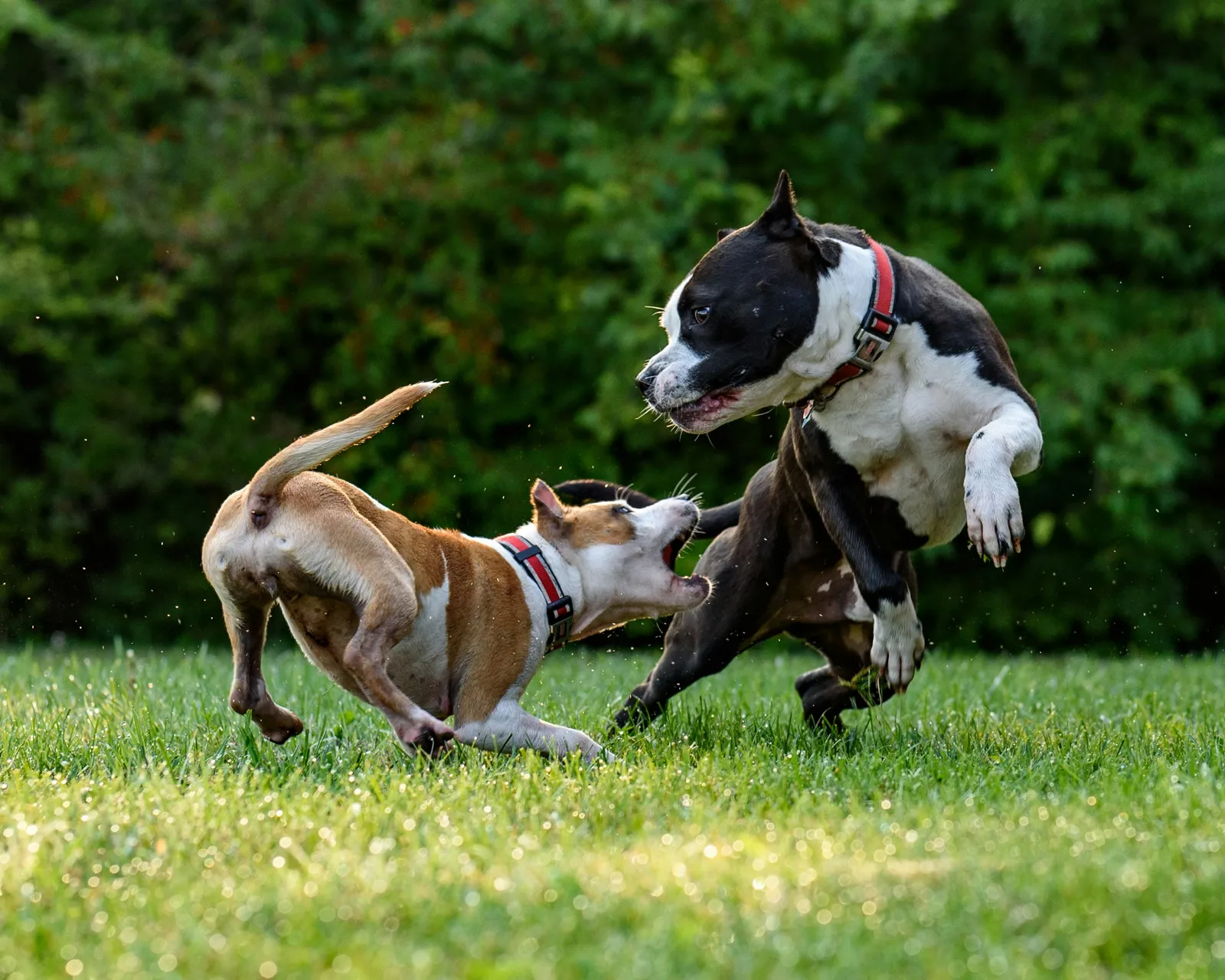
Researchers used two sets of videotaped data of playing domestic dog pairs to determine whether rolling over during play served as a signal of submission or a combat maneuver. In dog play, rolling over is a combat tactic, not an act of submission. Rolling over allows a dog to deliver or avoid bites to the neck.
A study by researchers at the University of Lethbridge in Canada and the University of South Africa shows that rolling over may be more of a combat maneuver than an act of submission. This finding surprised many in the canine behavior community, because the submissive interpretation had been repeated for decades.
In none of the 40 interactions subjected to analysis did any dog roll over in a manner consistent with submission. That’s a remarkable result, and it reinforces just how much the meaning of the roll-over depends entirely on context and the individual dog’s state of mind.
Early Life Experiences Shape Who Gets the Roll-Over
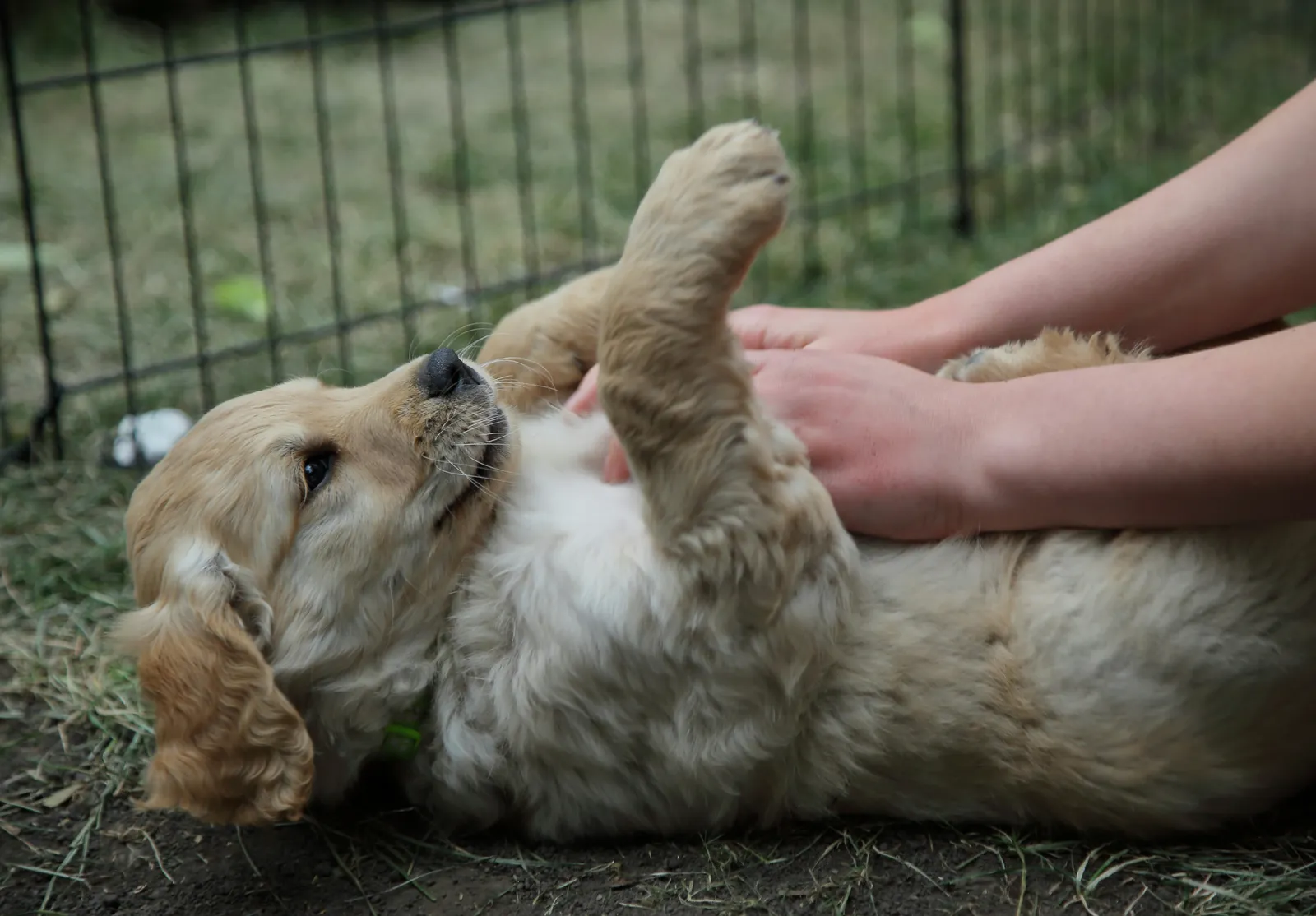
The belly-up behavior, just like face licking, originates from early puppyhood. It’s one of those species-specific behaviors that are deeply ingrained and hold special purposes for a dog’s survival. What happens during those early weeks leaves a lasting imprint on how a dog reads and responds to people later in life.
Not all dogs enjoy belly rubs equally, and that’s completely normal. Personality, past experiences, and even physical comfort play a role. Some dogs prefer chest scratches or ear rubs instead.
A dog that was handled gently and consistently during puppyhood tends to feel safer in close physical contact with humans. Conversely, a dog with early trauma or minimal socialization may only extend that trust to one or two very specific people, if anyone at all.
Learned Behavior and Positive Reinforcement Play a Big Role
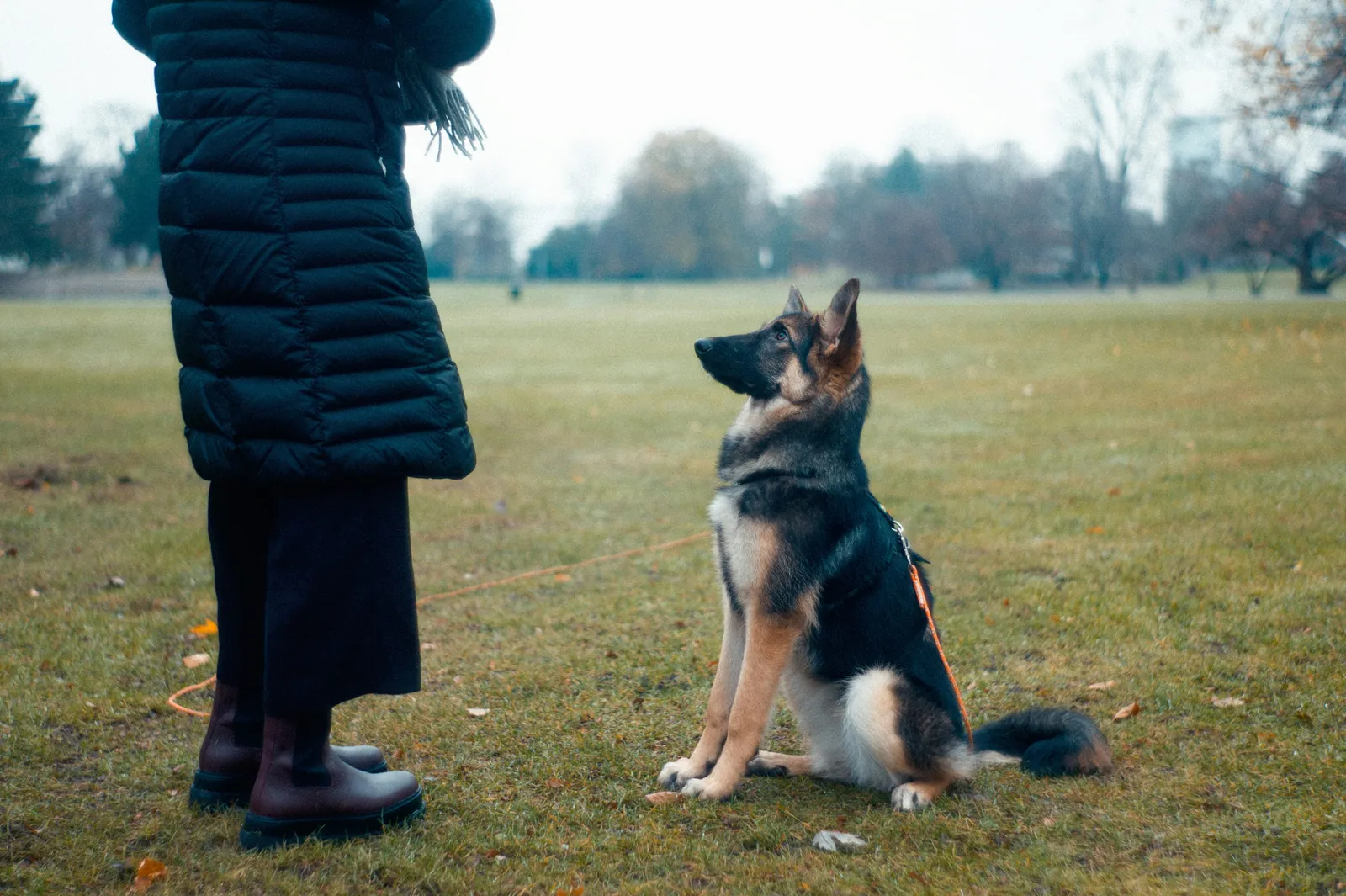
Dogs can learn that rolling onto their backs often elicits positive responses from their owners, like belly rubs or cuddles. This behavior allows dogs to receive the interaction they enjoy while strengthening the bond between you, promoting a deeper social connection.
If rolling over results in belly rubs, praise, smiles, and sometimes treats, they will absolutely repeat it. Over time, belly exposure becomes a reliable way for dogs to ask for love and interaction.
The pattern becomes self-reinforcing over time. The people who respond warmly and consistently to a dog’s overtures become the people the dog seeks out. Those who ignore or misread the signals, even unintentionally, gradually get filtered out of that inner circle.
How You Approach a Dog Matters Enormously

You do not need to stick your hand into a dog’s face for them to smell you. By doing so, if the dog is afraid, you’re just confirming that, because you’ve invaded the dog’s personal space. Many people unknowingly make this mistake when trying to be friendly with a dog they’ve just met.
A relaxed dog who wants a belly rub will have loose, wiggly body language, with tail wagging, eyes soft, and mouth slightly open. A dog showing submission or stress will look tense, with a stiff body, tight mouth, and possibly avoidant eyes. The key is to read the full picture, not just the pose.
Speed and posture also matter. Leaning over a dog directly, making strong eye contact, and moving quickly are all signals that can put a dog on alert rather than at ease. People who naturally crouch down, move slowly, and wait for the dog to close the gap tend to earn trust faster.
Some Breeds Are Simply Less Inclined to Roll Over
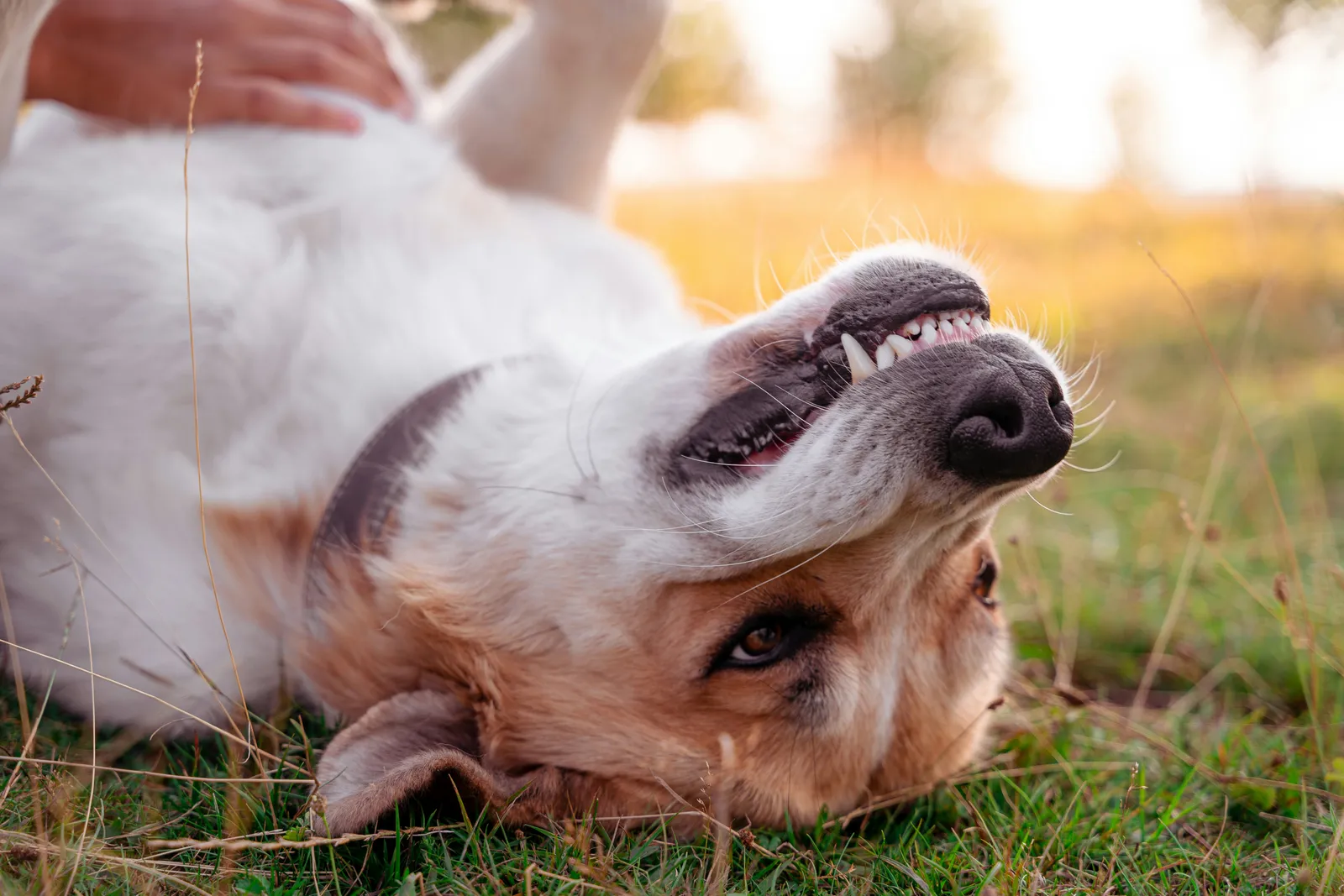
Dr. Stanley Coren, Professor Emeritus of Psychology at the University of British Columbia, says it’s a myth that dogs across the board love belly rubs. Even if they enjoy other forms of pats and cuddles, belly rubs can rub some dogs the wrong way.
More dominant breeds, especially those that have been bred to be guard dogs, are apt to view attempts to rub their bellies as aggression. For these dogs, the belly-up position carries a very different charge, and it may never appear as a casual request for affection.
There is research about how breed-specific traits might correlate with a dog’s affection-seeking behaviors. This doesn’t mean guard breeds are incapable of forming deep bonds. It simply means they often express trust in other ways, through proximity, sustained eye contact, or leaning rather than rolling.
The Oxytocin Connection: Why Belly Rubs Feel Good to Both of You
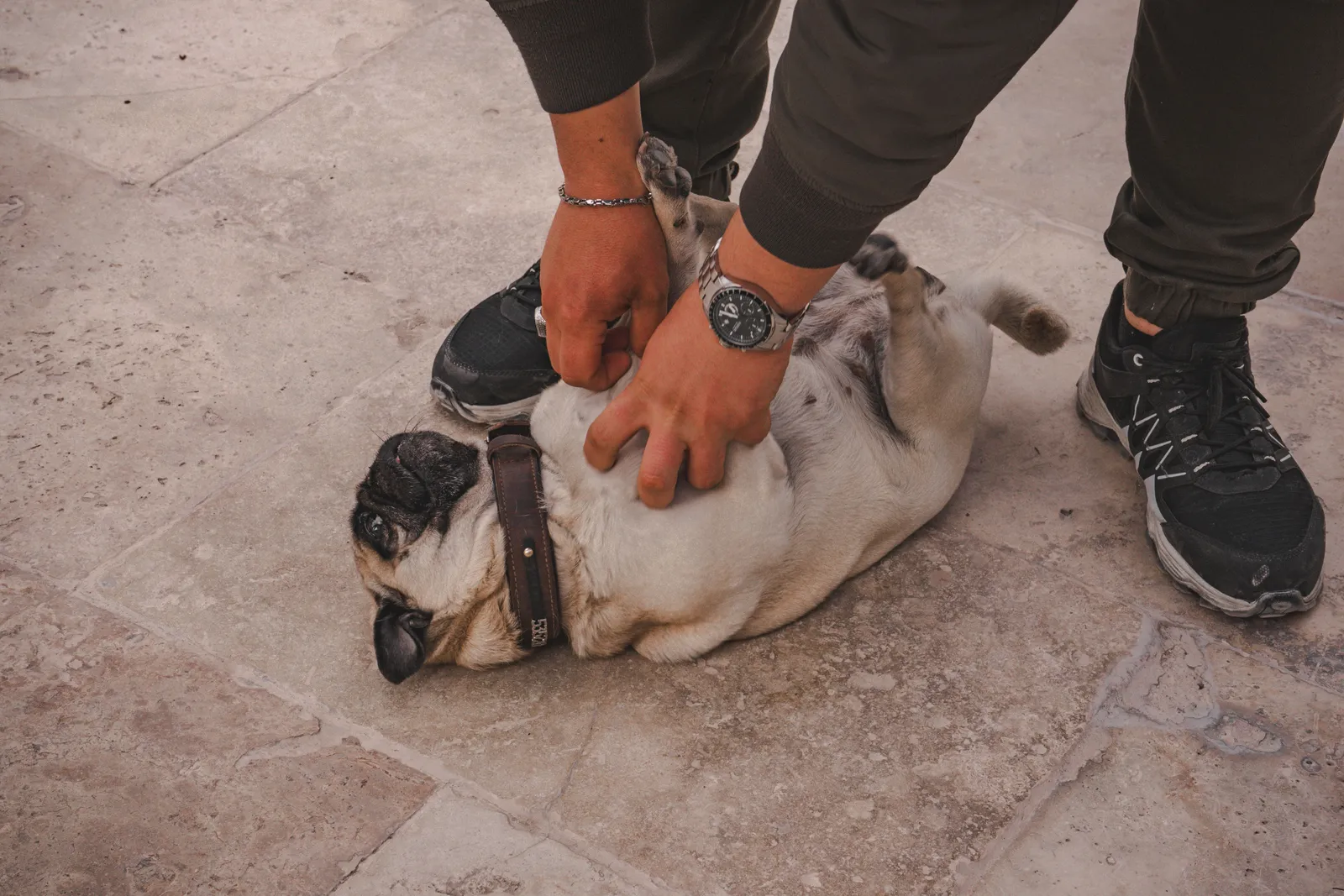
When you rub your dog’s belly, they often release oxytocin and endorphins, creating physical comfort and emotional closeness. Studies demonstrate increased oxytocin and lowered cortisol after gentle interaction.
During the long domestication process, humans and dogs built a strong bond. Attachment in the human-dog relationship is characterized by successful communication and cooperation involving olfactory signals. This mutual neurochemical response is part of what makes the belly rub moment feel so significant for both species.
Belly rubs release oxytocin in both parties, building trust and emotional connection. When delivered with consent and attention, they become powerful touchpoints in the relationship. A dog that rolls over for you isn’t just being cute. It’s engaging in a real, biochemical exchange of trust.
When a Dog Never Rolls Over for Belly Rubs
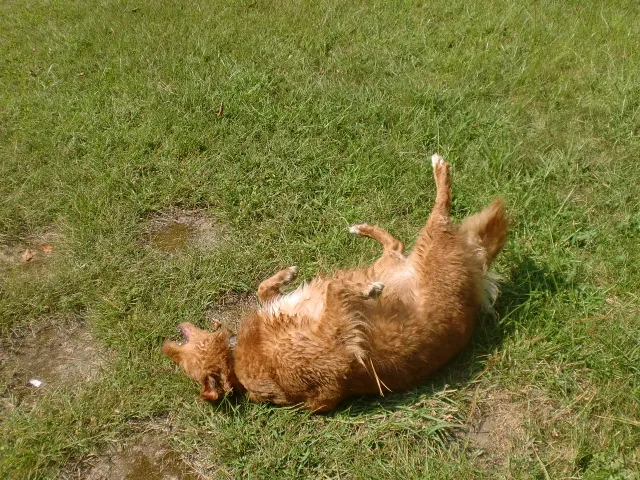
If your dog never rolls over for a belly rub, it’s not a reflection of how much they love you. Some animals simply express trust in quieter ways, like choosing to sit beside you or gently pressing their head against your hand. What matters most is learning to read their signals and honoring what they’re telling you.
Training advice that treats every roll-over as submission misses the mark, and can unintentionally dismiss moments of trust, bonding, and emotional expression. The same logic applies in reverse. A dog that never rolls over isn’t withholding love. It may simply be communicating differently.
Some dogs enjoy belly rubs and may roll onto their backs to request one. However, not all dogs want to be touched when exposing their belly, so it’s important to watch for relaxed and comfortable body language before petting them. Respecting that boundary, rather than pushing past it, is often what earns deeper trust in the long run.
What It All Comes Down To
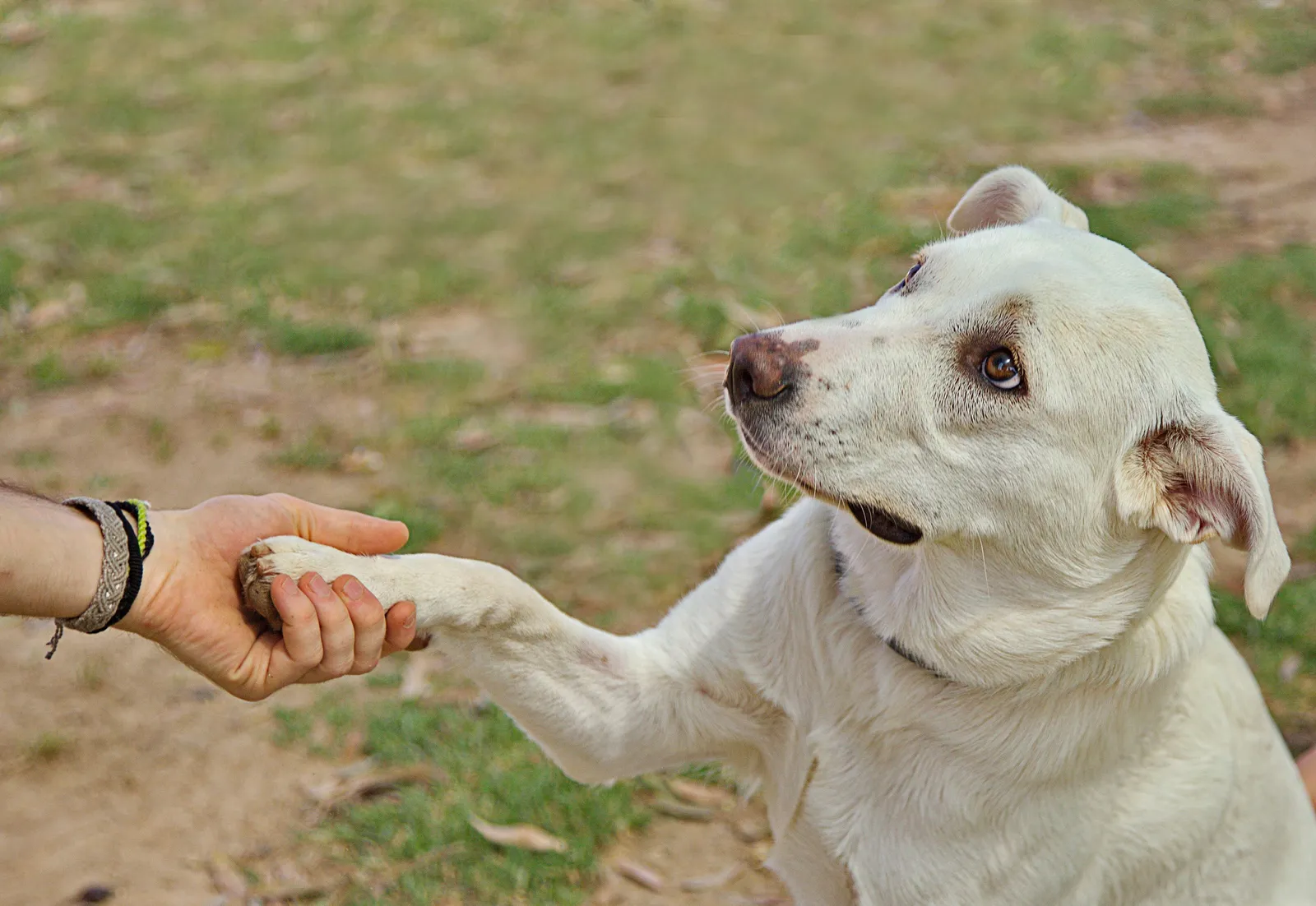
Dogs are not random in their affections. The person who gets the belly roll has almost certainly done a dozen small things right, often without knowing it. They moved calmly. They didn’t loom. They gave the dog space to approach. They responded warmly when the dog made the first move.
The science behind it is layered, touching on scent chemistry, early developmental history, neurohormonal bonding, breed temperament, and learned association. None of those forces work in isolation. They combine into a very personal calculation that a dog runs faster than any human can consciously track.
If a dog has never rolled over for you, that’s not the end of the story. It may just mean the timing wasn’t right, the setting felt uncertain, or the relationship simply needs more quiet, patient time. Dogs extend their deepest trust slowly, and on their own schedule. That’s not a flaw. That’s the whole point.
AI Disclaimer: This article was created with the assistance of AI tools and reviewed by a human editor.