
Many people feel unsettled by rapid advances in artificial intelligence and what it might mean for daily work and routines. In response, some turn to the garden as a steady counterpoint, where natural rhythms continue without algorithms or screens. This autumn in the Pacific Northwest, the shift in daylight and the presence of local birds highlight patterns that operate on their own terms.
Time That Refuses to Be Rewritten
Clocks across much of the country will soon move back an hour, a collective decision that underscores how humans try to manage something fundamentally outside their control. The author notes the oddity of this annual adjustment, recalling childhood skepticism about altering time by agreement alone. Recent legislative efforts to lock in permanent daylight time reveal similar attempts to bend schedules to preference, yet the garden follows its own calendar. Witch hazel blooms appear in January regardless of official dates, while sweet peas mark the start of summer and Osage oranges signal October. These markers persist even when the current season feels unusually warm and dry. The result is a quiet reminder that living systems answer to sunlight and temperature, not policy or code.
Birds That Carry Their Own Records
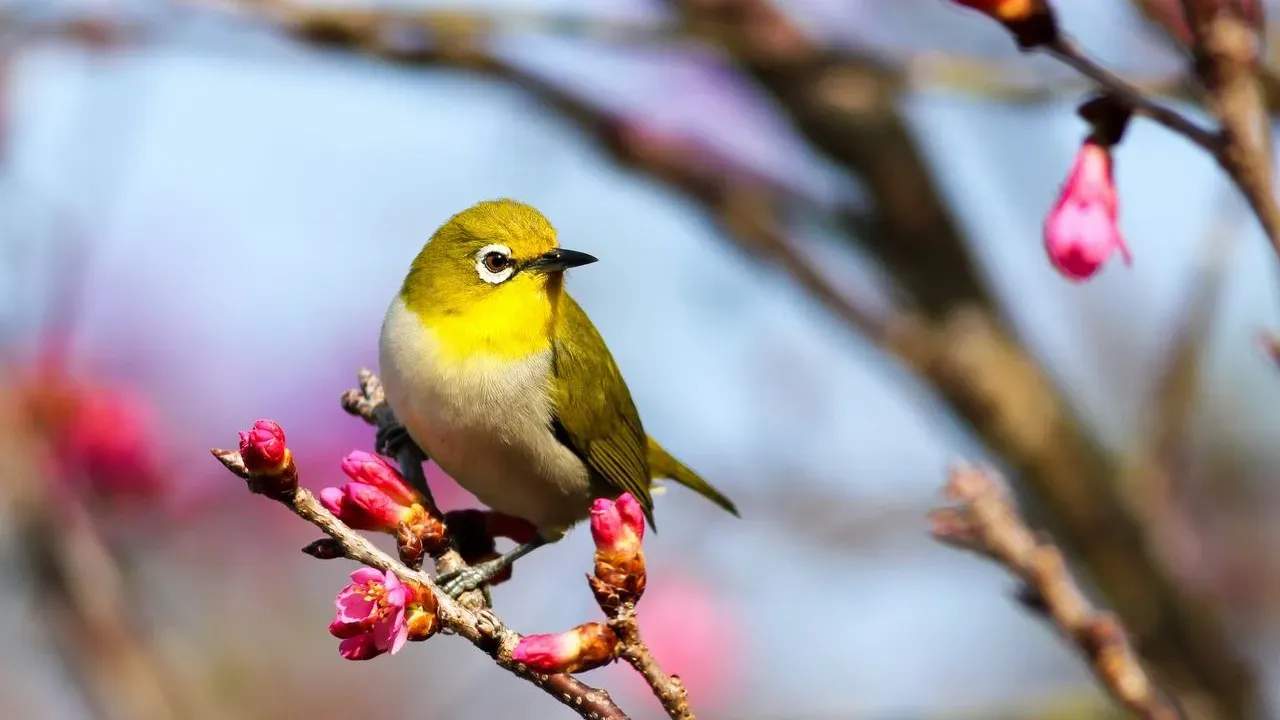
Bald eagles appear regularly in West Seattle neighborhoods, and the distinctive call of a great blue heron echoes at dusk as it returns to a tall cedar. Crows deliver sharp reminders of past encounters, drawing on memory that needs no external storage. Hummingbirds dart through the same spaces day after day, their movements shaped by seasons rather than schedules. Starling murmurations still draw the eye when they occur overhead, a display that stops traffic in the Skagit Valley without any digital prompt. These encounters unfold in real time and space, offering direct observation instead of recorded clips. The garden becomes the setting where such events remain ordinary and unmediated.
Practical Tools That Stay Grounded
Gardeners continue to rely on gloves that protect against rugosa rose thorns and pruners kept sharp for clean cuts. A simple battery-powered drip timer installed in one backyard represents a modest step forward that still requires human oversight. Slugs and snails remain persistent challenges that no current system fully resolves on its own. The soil after rain carries a scent that virtual environments cannot replicate, and fresh raspberries deliver flavor tied to the current harvest. These sensory details anchor attention in the present moment rather than simulated versions of it. The garden therefore functions as a place where direct contact with living material continues to matter.
Seeds That Hold Forward Momentum
Each seed contains the record of prior growing cycles and the potential for the next. Planting sweet peas or milkweed starts a sequence powered by sunlight that repeats without external data centers. The process moves from bloom to pollination and back to seed in a loop that renews itself. This cycle operates independently of any single season’s quirks, including the current warm stretch and its effect on future snowpack. Gardeners who watch these steps see continuity that outlasts individual concerns about technology. The work stays rooted in observable growth rather than abstract projections.
AI Disclaimer: This article was created with the assistance of AI tools and reviewed by a human editor.