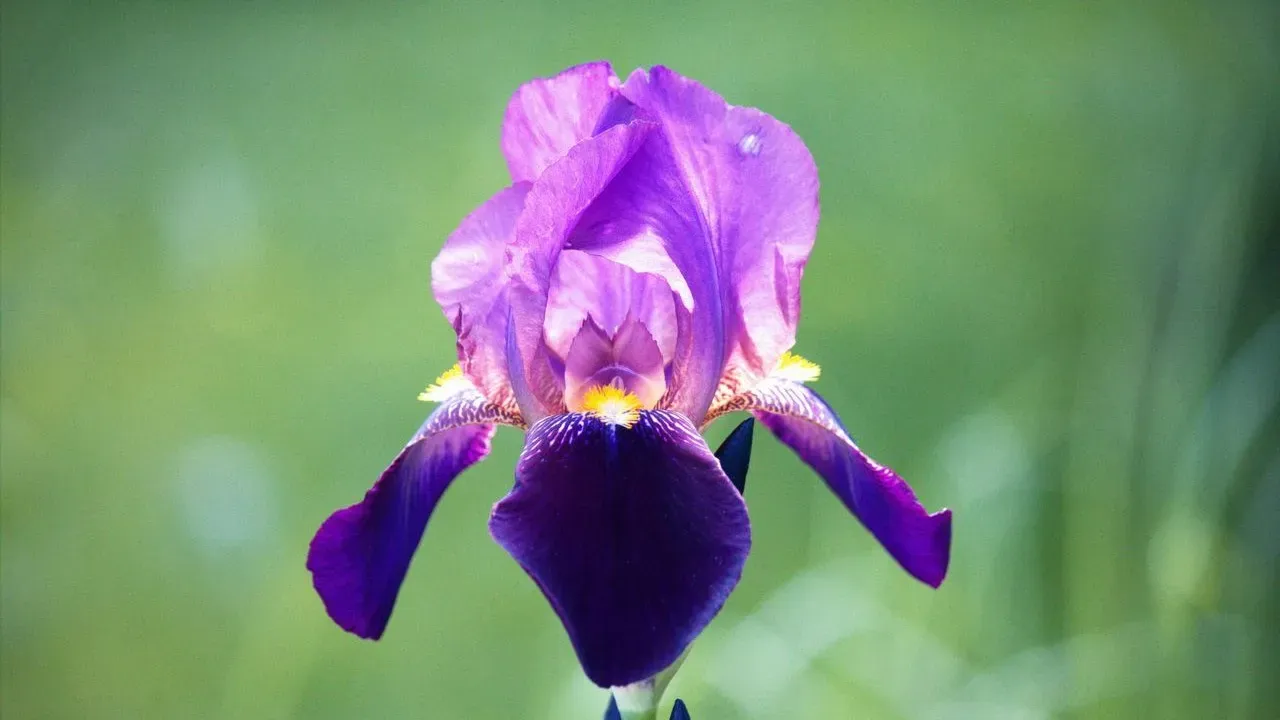

Walking irises stand out among perennials for their unusual method of expansion. Flower stalks produce small plantlets that bend downward and root in nearby soil, allowing the plants to fill beds and borders gradually without extra effort from the gardener. These plants thrive in warmer regions and deliver intermittent color from spring into fall. The source material highlights their appeal for Zones 10 and 11, where they function as reliable, low-maintenance additions to landscapes.
The Plant That Moves on Its Own
The name “walking iris” comes directly from the way new growth travels. After flowering, offsets form along the stems and reach the ground, establishing fresh roots and new clumps. Over seasons this process creates denser patches that soften edges of paths or fill open spaces in a garden bed. Gardeners in suitable climates often notice the steady outward creep without any need for division or replanting. The habit gives the plants a dynamic quality that static perennials lack.
Striking Flowers in Multiple Hues
Each bloom displays bold petals in blue, purple, white, or yellow. The colors stand out against green foliage and provide seasonal interest that changes with the light. Because flowering occurs on and off throughout the warm months, the display remains fresh rather than concentrated in a single brief period. This extended season suits gardeners who want consistent color without rotating annuals. The flowers also attract attention from visitors who may not expect such variety from a single species.
Best Conditions for Success
Walking irises perform best in the warmest USDA zones. In Zones 10 and 11 they remain evergreen and continue their spreading pattern year after year. Cooler areas may require winter protection or indoor overwintering, though the source focuses on their natural range. Well-drained soil and consistent moisture support steady growth and the formation of those signature plantlets. Full sun to light shade keeps the blooms vibrant and encourages the walking habit to continue across the planting area.
Practical Uses in the Landscape
Because the plants expand on their own, they work well as ground-cover accents or border fillers. A few initial specimens can eventually cover larger sections of a bed, reducing the need for additional purchases. Their evergreen foliage in warm climates also provides winter structure where other plants go dormant. Homeowners and designers value the combination of easy spread and repeated flowering. The result is a living element that evolves over time rather than remaining static. The walking iris offers both visual interest and a self-sustaining quality that rewards patience. In the right climate it becomes a quiet, reliable presence that rewards observation as new plantlets take root and extend the display.
AI Disclaimer: This article was created with the assistance of AI tools and reviewed by a human editor.