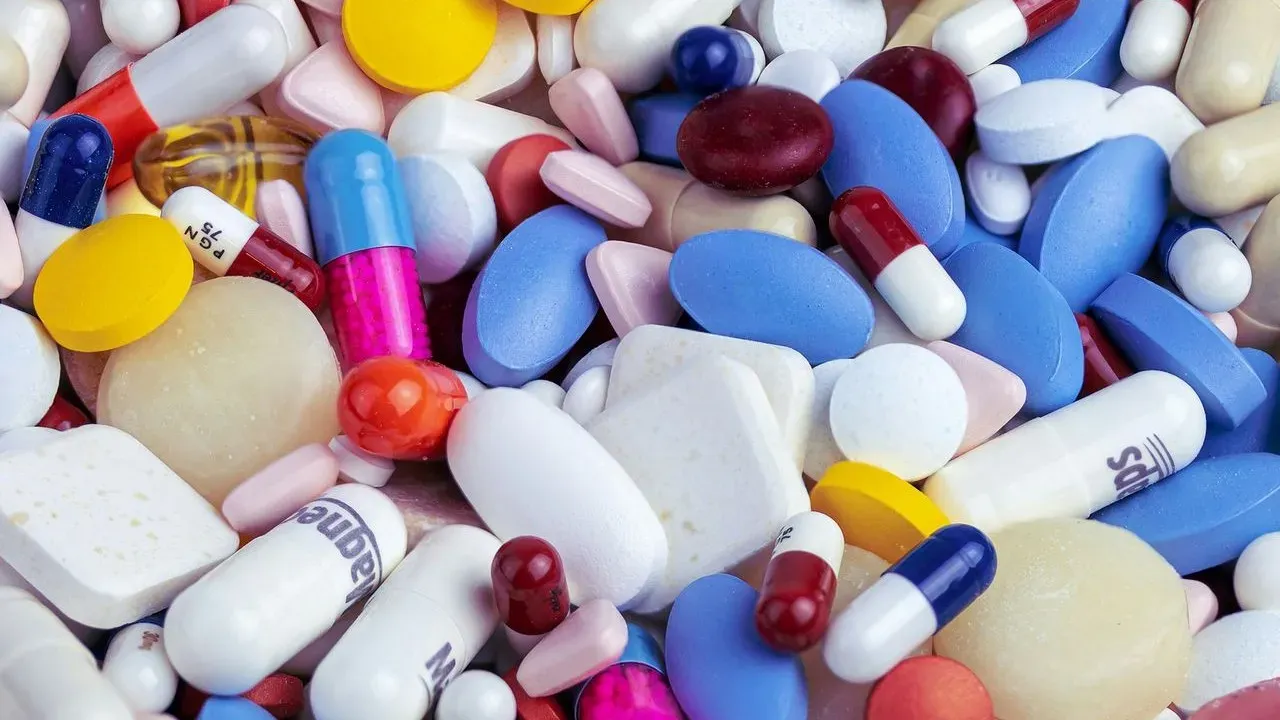

Shoppers across the United States often encounter brightly packaged sexual enhancement pills near the checkout counters of gas stations and convenience stores. These products promise quick results yet carry a warning that their actual contents may differ sharply from what the labels claim. Recent reports highlight the risk that some of these supplements contain undeclared pharmaceutical ingredients. ([1])
Everyday Availability Raises Questions
Gas stations and similar retail outlets stock these supplements because they sell well and require little shelf space. The packaging typically features bold colors and bold claims about performance. Customers may pick them up on impulse without much thought about quality control or regulatory oversight. The products often sit alongside snacks and beverages, blending into the routine of a quick stop.
Manufacturers market many of these items as dietary supplements rather than medications. That classification means they face fewer pre-market checks than prescription drugs. As a result, the gap between label and contents can widen without immediate detection. Public health officials have noted this pattern in multiple states.
Label Accuracy Comes Under Scrutiny
Testing by regulators has revealed cases where the listed ingredients do not match laboratory findings. Some pills contain hidden compounds that act like prescription medications. Others include substances never mentioned on the package at all. The discrepancy turns an over-the-counter purchase into an unintended exposure to stronger or untested chemicals.
Authorities emphasize that the problem stems from inconsistent manufacturing and weak enforcement in the supplement category. A single batch may vary from the next even under the same brand name. Consumers therefore cannot rely on appearance or price as indicators of safety. The Food and Drug Administration has issued alerts about specific products in the past, though new versions continue to appear on shelves.
Health Risks Prompt Caution
Unexpected ingredients can trigger serious side effects, especially when mixed with other medications or alcohol. Blood pressure changes, allergic reactions, and interactions with heart conditions rank among the documented concerns. Individuals with existing medical issues face heightened vulnerability because they may not anticipate the true potency inside the capsule.
Medical professionals advise against self-medicating with these products. They recommend consulting a doctor before trying any supplement that claims to affect sexual function. The absence of clear labeling removes the ability to make an informed choice about dosage or contraindications.
Practical Steps for Shoppers
Consumers who still consider these products can reduce exposure by checking for third-party testing seals and avoiding items with vague ingredient lists. Reading the fine print on the back of the package sometimes reveals disclaimers about variable results. Reporting suspicious products to the FDA helps track emerging issues across the market.
Retailers occasionally remove flagged items after warnings circulate. Shoppers can also ask store managers about the sourcing of supplements on display. Greater awareness at the point of purchase remains the most direct way to limit unintended encounters with mislabeled goods.
AI Disclaimer: This article was created with the assistance of AI tools and reviewed by a human editor.