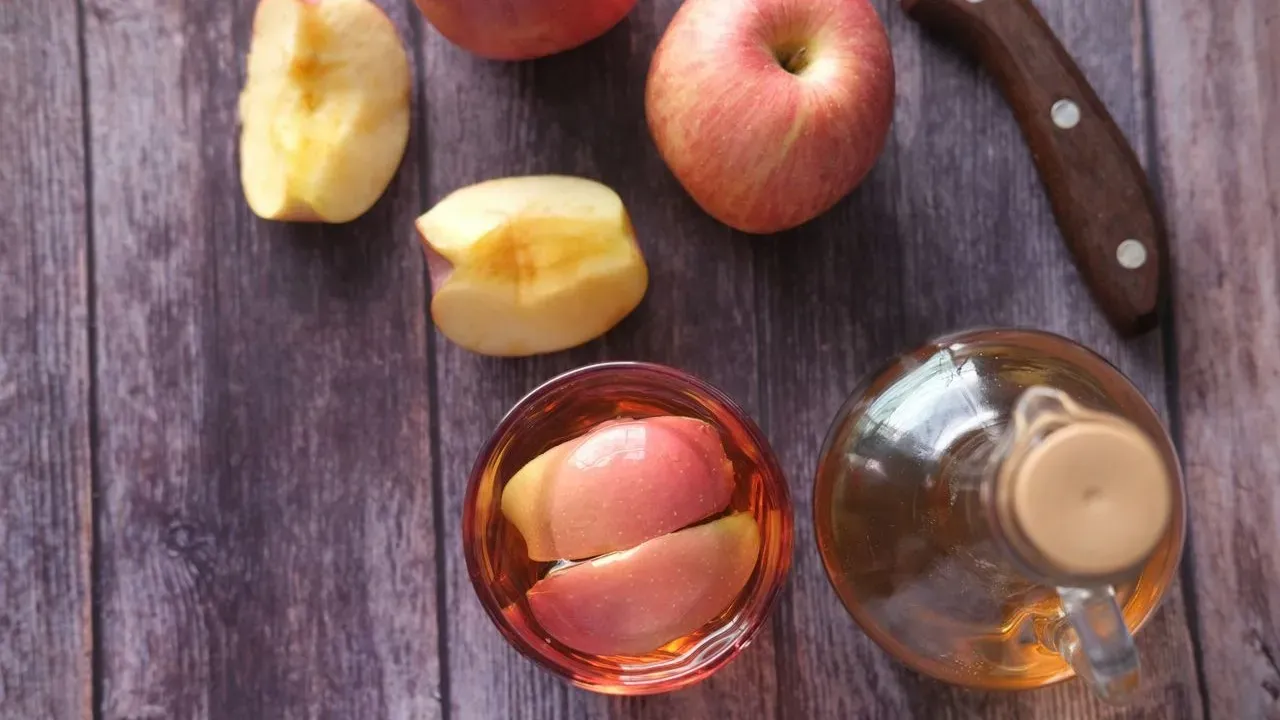

Apple season brings jugs of cloudy cider from orchards and clear bottles from store shelves, yet the two require very different handling. Fresh, unpasteurized cider must stay cold from the moment of purchase, while sealed shelf-stable versions can wait in a pantry. The distinction matters most in fall when many households stock up on the seasonal drink. ([1])
The Type Determines Storage Needs
Untreated juice carries a higher risk because it may contain harmful bacteria, which is why regulators require refrigeration for fresh varieties. Iowa State University notes that traditional cider should always remain chilled. In contrast, products that have undergone treatment for safety can remain stable at room temperature until opened. Checking the label or asking the seller clarifies which category applies.
Many orchard stands sell cider by the glass without a warning label, so direct questions help confirm treatment status. Grocery shelves mix both kinds, with some treated options appearing in refrigerated cases anyway. A cool, dry spot works for unopened shelf-stable bottles, according to producers like Martinelli’s.
Handling Fresh and Unpasteurized Cider
Keep fresh cider at 40°F or below right after purchase, treating it much like milk. Producers such as Ritter’s Cider Mill and Cold Hollow Cider Mill emphasize this step because their products remain unpasteurized. University of Maine Extension guidance reinforces storage at or below that temperature to maintain safety.
Once home, place the jug on a refrigerator shelf rather than the door, where temperatures fluctuate more. The same cold rule applies even when a small amount of preservative like potassium sorbate has been added. Any cider left on a counter, porch, or in a warm car trunk quickly moves past safe limits set by the USDA for perishable foods.
Opened Bottles and Serving Practices
Every type of cider requires refrigeration after opening, with producers recommending tight covers and use within days. Martinelli’s states that opened products stay good for five to ten days under those conditions. Ohio State University Extension offers a similar window of about six days for bottled juice stored cold.
When serving, limit time at room temperature to two hours, or one hour if the space exceeds 90°F. For parties or tailgates, keep the main container in the refrigerator and refill a smaller pitcher as needed. Bowls of ice can help maintain safe temperatures outdoors, though a thermometer provides the surest check.
When to Discard Cider
Throw out fresh or opened cider that sat out beyond the two-hour window or shows clear signs of spoilage. Fizzing, foaming, sour smells, mold, or swelling containers all indicate it should go. A normal appearance alone does not guarantee safety, especially with untreated juice.
Cloudiness and sediment remain typical for fresh cider and do not signal a problem on their own. Frozen cider thaws best in the refrigerator, though some producers allow a partial counter thaw until only a small ice ball remains. In every case, the safest approach follows the label and basic perishable-food rules.
| Type | Before Opening | After Opening |
|---|---|---|
| Fresh, unpasteurized | Refrigerate immediately | Refrigerate, use within 1-2 weeks |
| Shelf-stable bottle | Cool, dry place | Refrigerate, use within 5-10 days |
| Any cider on the table | – | Limit to 2 hours (1 hour above 90°F) |
Understanding these differences lets households enjoy cider safely through the season without unnecessary waste or risk. The rules stay straightforward once the type is identified.
AI Disclaimer: This article was created with the assistance of AI tools and reviewed by a human editor.