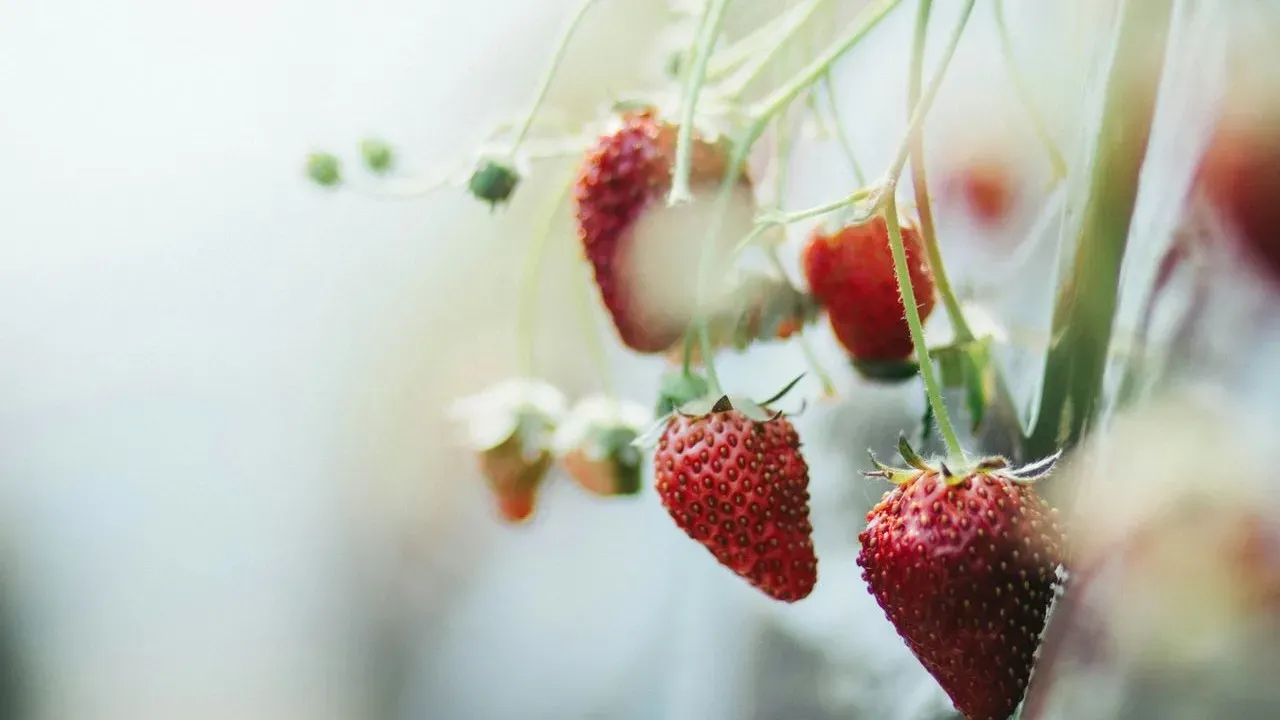

Many gardeners prepare their strawberry beds for winter well before the plants are ready, a step that can reduce next season’s yield. The key lies in watching for natural dormancy rather than following a calendar date. Acting too soon leaves plants vulnerable to early cold snaps without proper protection, while waiting ensures they enter the season in the best condition. This approach applies to both in-ground beds and container-grown strawberries across many regions.
Why the Timing Matters for Next Year’s Harvest
Strawberry plants need a period of cold to set fruit the following spring, yet they must reach full dormancy before any covering goes on. Premature winterizing can trap moisture or encourage rot if the plants are still actively growing. Gardeners who wait see stronger crowns and better root systems come spring. The difference often shows up in the size and quantity of berries the next summer. The process also protects against fluctuating winter temperatures that can heave plants out of the soil. Proper timing reduces stress on the crowns and helps them survive freeze-thaw cycles. Many experienced growers note that strawberries left uncovered until dormancy sets in require less intervention later. This measured approach saves time and materials while supporting healthier plants overall.
Recognizing When Plants Have Entered Dormancy
Dormancy in strawberries appears as slowed or stopped leaf growth, with older leaves turning brown or red. New growth ceases, and the plants take on a more compact, resting appearance. Checking the center of the crown for any signs of active green tissue helps confirm the shift. Once these changes are clear, the window for winterizing opens. Temperature plays a supporting role, but visual cues remain the most reliable guide. In many areas this occurs after the first hard frost but before sustained deep freezes. Observing the plants over several days rather than rushing after one cold night prevents mistakes. The goal is to cover them only when they have naturally slowed their metabolism.
Preparing the Bed and Protecting Container Plants
Once dormancy is confirmed, the first step is tidying the bed by removing dead or diseased foliage. This reduces overwintering pests and improves air circulation around the crowns. A light layer of mulch, such as straw or pine needles, can then be applied to insulate the soil without smothering the plants. The mulch should be loose enough to allow some airflow while protecting roots from extreme cold. Potted strawberries require extra attention because containers lose heat faster than ground soil. Moving pots to a sheltered spot against a south-facing wall or into an unheated garage offers additional protection. Wrapping the pots in burlap or insulating material helps maintain more stable root temperatures. Checking drainage before covering prevents water from freezing and damaging the roots.
Uncovering Plants at the Right Moment in Spring
In spring, the same dormancy signals work in reverse. New green growth emerging from the crown indicates it is time to remove winter coverings gradually. Pulling mulch away too early can expose plants to late frosts, while leaving it on too long may encourage rot or delay growth. Monitoring local weather and plant response allows for a careful transition. A staged removal over several days or weeks often works best. Start by thinning the mulch layer, then clear it fully once daytime temperatures remain consistently above freezing. This method supports steady recovery and helps the plants resume photosynthesis without shock. The result is a stronger start to the growing season. The right winterizing schedule ultimately depends on watching the plants themselves rather than the calendar. Gardeners who follow dormancy cues tend to see more reliable results year after year. This simple adjustment in timing protects the investment of the previous season and sets the stage for a productive harvest ahead.
AI Disclaimer: This article was created with the assistance of AI tools and reviewed by a human editor.