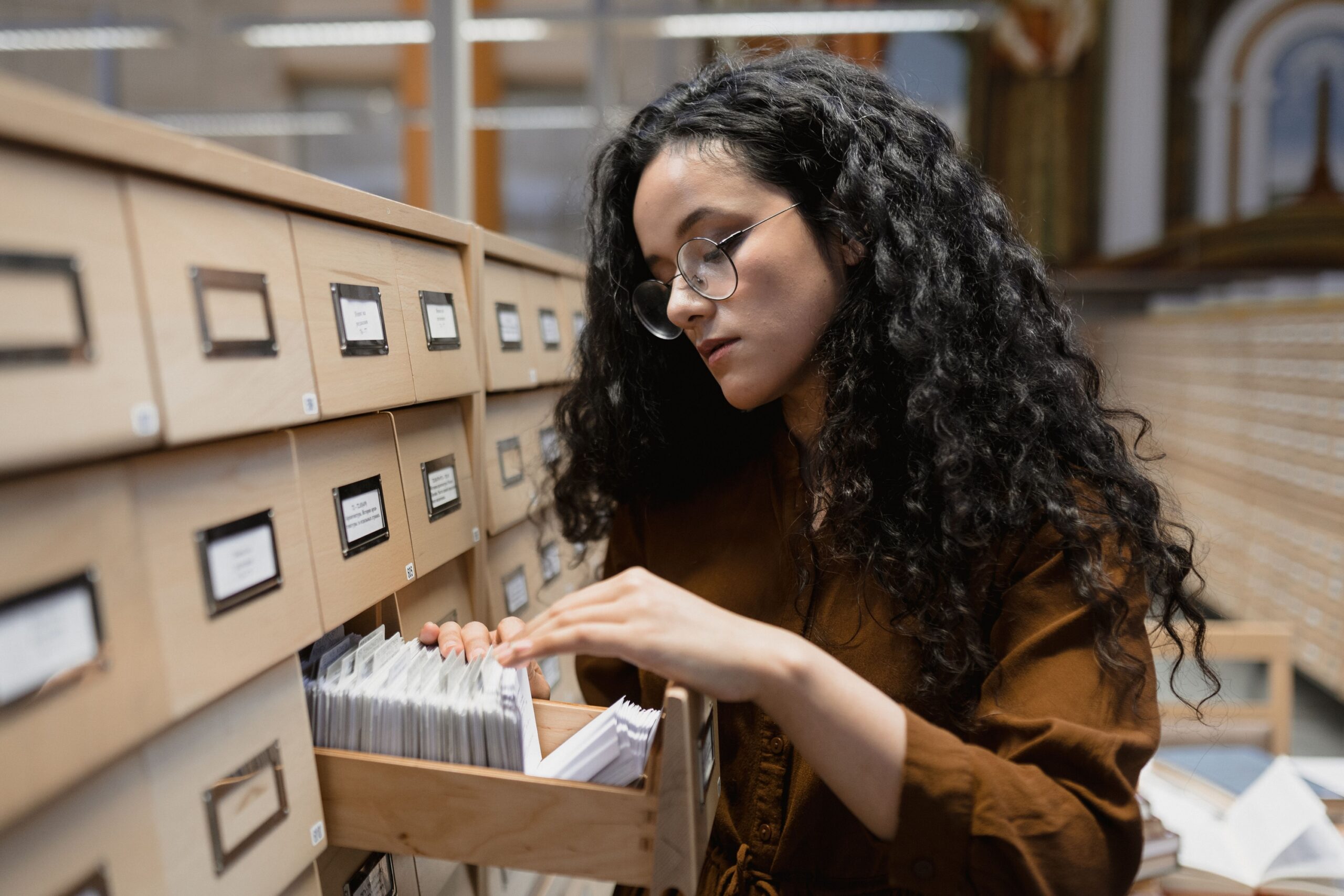

Most people picture quiet aisles and checkout desks when they think about the public library. That image, while not wrong, is dramatically incomplete. Today’s public library is more like a community hub with a surprisingly broad menu of free services tucked behind its walls, many of which adults never discover simply because no one tells them about it.
With over 800 million visits recorded in a single year, along with millions of programs offered and a steady rise in both physical and digital circulation, libraries continue to demonstrate their enduring relevance in communities nationwide. The gap isn’t in what libraries offer. It’s in what most cardholders actually know they can access.
1. Free Streaming of Movies, Music, and Audiobooks

Libraries offer free, ad-free streaming content through platforms like Freegal for music, Kanopy for movies, Libby for ebooks and audiobooks, and Hoopla for a broader mix of movies, television, digital comics, and more. These aren’t small, obscure catalogs either. Kanopy alone carries thousands of films, including independent cinema and documentaries that never make it to mainstream platforms.
Since its launch, Libby has continued to evolve, and in September 2025 it introduced a feature called Inspire Me, which uses artificial intelligence to provide book recommendations based on user prompts or previously saved titles. All of it is free with a library card.
2. The “Library of Things”: Tools, Instruments, and More
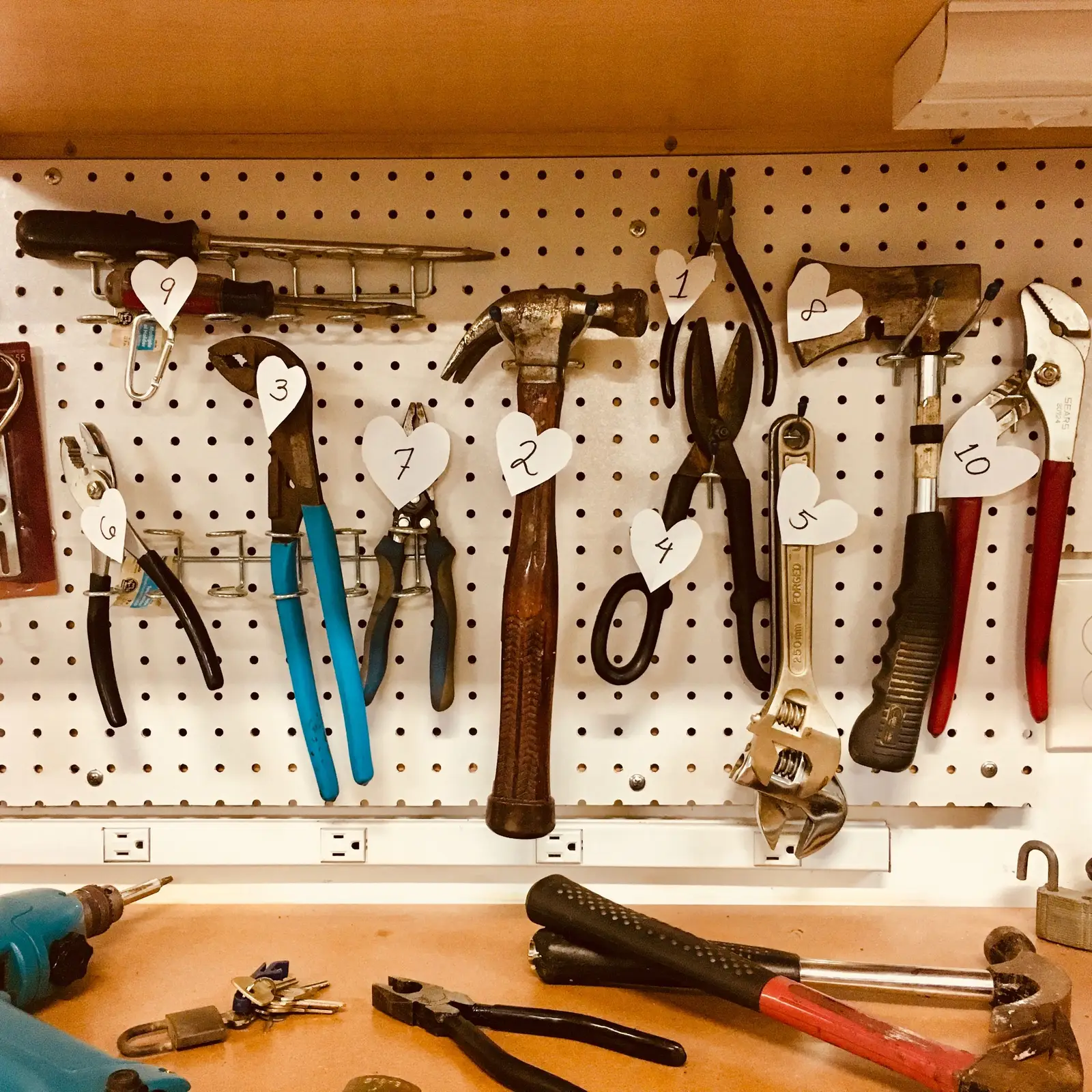
Not all library offerings are media-related. Many branches nationwide are now offering Libraries of Things, where patrons can borrow physical objects. The range of what’s available is genuinely surprising. From museum passes and induction cooktops to cordless drills, ukuleles, and sewing machines, the Library of Things allows people to explore and experiment without the commitment of buying.
Tool libraries have gained popularity as borrowing centers in many cities, with hand and power tools for home improvement, construction, and fine woodworking among the most popular additions, often accompanied by programming and educational opportunities. The Denver Public Library, for example, offers access to everything from ladders and power tools to lawn mowers and post hole diggers, with a one-week membership permitting up to ten tools including up to three power tools.
3. Free Online Courses Through LinkedIn Learning and More

Online learning platforms like Udemy, Coursera, and LinkedIn Learning offer tons of classes on a wide range of subjects, and many libraries provide access to these for free. This is one of the most underused perks in the entire library system. Access to more than 16,000 free courses on LinkedIn Learning is a significant benefit, since specific courses can be expensive, and the platform covers not only business topics but also creative writing, photography, and graphic design.
The best part is that availability varies by library, so it’s worth checking your local branch’s digital resources page directly. To find out what your library offers, log into your library’s website and look for the digital resources section, since even small-town libraries sometimes carry LinkedIn Learning and other platforms.
4. Free Museum and Zoo Passes

Visiting a museum, aquarium, or other cultural establishment often isn’t cheap, but your local library may have you covered, as many offer free museum passes for art, history, and children’s museums. This perk is available in cities of all sizes, not just major metropolitan areas. Many cities including New York, Los Angeles, Chicago, and Seattle offer free admission tickets to area museums, parks, gardens, and zoos, with most library systems providing a certain number of tickets per month.
Instead of checking out books, cardholders can reserve passes to participating museums and attractions for free, and depending on the attraction, passes may admit multiple guests or an entire family. For families looking to cut costs on weekend outings, this is one of the most immediately useful library perks available.
5. Free Notary Services

If you need something notarized, your public library might be able to help out, as library staff sometimes double as certified notaries who can provide the service for free. Notarization typically costs money at banks or shipping stores, and scheduling an appointment can feel like a hassle. The library removes both friction points.
It’s worth calling ahead, since not every branch offers this and availability depends on staff certifications. Still, for routine documents like affidavits, letters of authorization, or power of attorney forms, checking with the library first can save both time and money.
6. Free Tax Preparation Assistance

Many organizations offer free help with tax preparation, and one of the best places to organize these services is at local libraries, given their strong connection to their communities. Libraries frequently host VITA (Volunteer Income Tax Assistance) programs, where trained and IRS-certified volunteers help eligible community members file their taxes at no cost.
This service tends to be most relevant for adults with modest incomes or straightforward tax situations, but it’s genuinely free and conducted by people who know what they’re doing. In one year, over 155 million people across the country accessed job hunt support, early childhood education, and countless other services at their local libraries, and tax help is a regular part of that picture, particularly in the first quarter of the year.
7. Free Access to Premium Newspapers and Databases
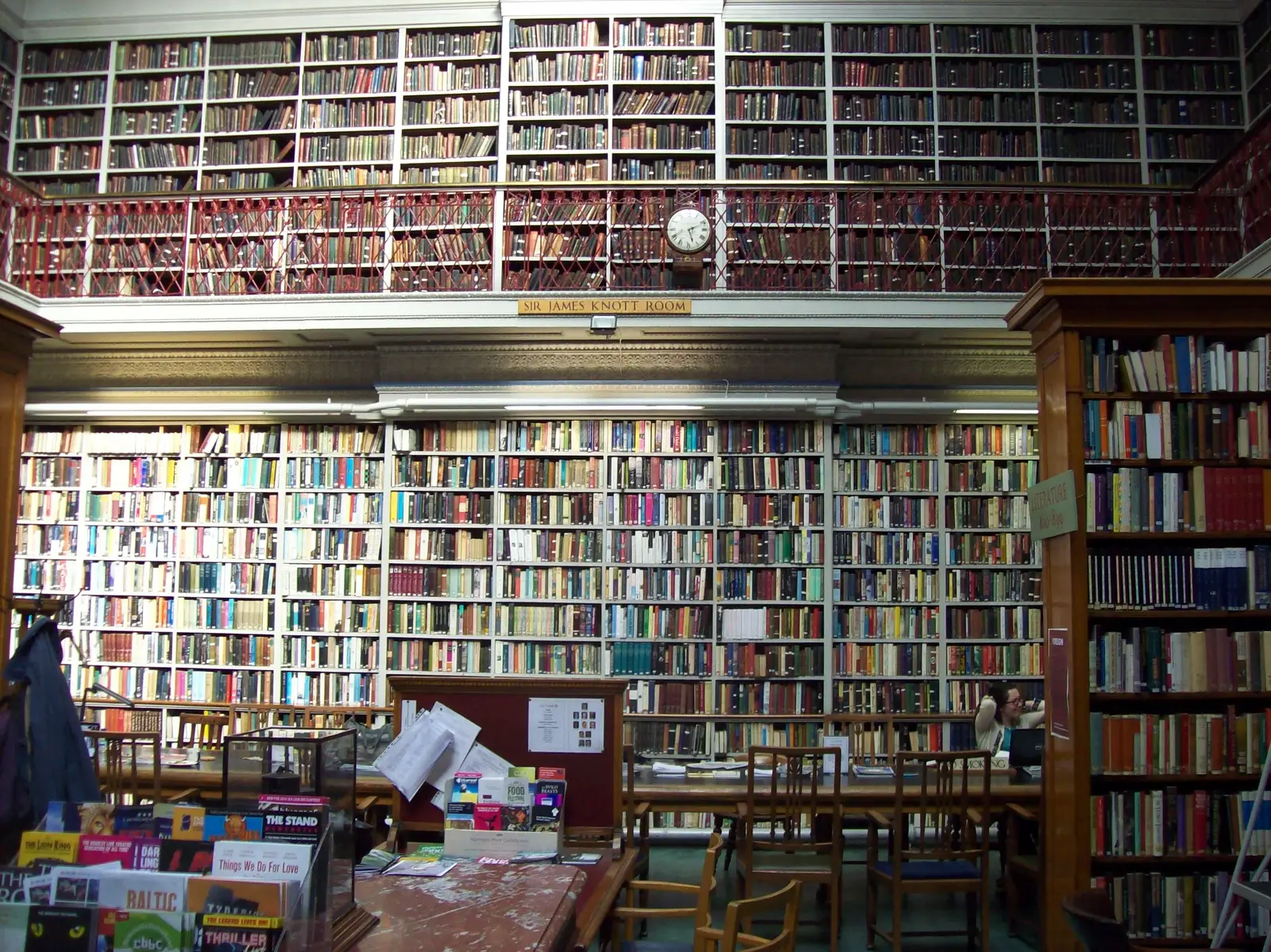
Many libraries have deals with national newspapers that let you read online articles for free with your card, and you may also have access to local or regional publications, depending on what your library provides. The New York Times is among the publications commonly available. Access to new and archived New York Times content is one of the resources available through many library cards.
Beyond newspapers, libraries also provide access to research databases that would cost individuals or small businesses hundreds of dollars per year to subscribe to independently. Academic journals, legal databases, genealogy records, and market research tools are all examples of what’s potentially sitting behind your library login, unused.
8. Free Memory Cafés and Wellness Programs for Older Adults

To provide support for the nearly one-third of Americans aged 65 and older suffering from cognitive impairment, a growing number of libraries are operating memory cafés, which are free programs for individuals with Alzheimer’s, dementia, or other brain disorders. These sessions are structured to be welcoming and low-pressure, often taking place in familiar, comfortable library settings.
This is one of the library services that tends to surprise people most, perhaps because it sits so far outside the traditional idea of what a library does. Yet it reflects something important about what public libraries have become: community anchors that respond to real needs. Data makes clear that public libraries remain one of the most trusted and utilized institutions in American life, and programs like memory cafés are a big reason why.
The Takeaway

The American Library Association estimates that about two-thirds of Americans have a library card. Far fewer know what that card actually unlocks. Streaming services, professional development courses, tool lending, museum passes, notary services, tax prep, free newspaper access, and wellness programs are all sitting there, available and funded, waiting to be used.
The library card in your wallet is one of the most underutilized financial tools most Americans own. Spending ten minutes on your local library’s website might genuinely change how you think about it. Libraries in the United States serve purposes across education, information, self-improvement, and recreation, and while they were originally established as book-lending centers, their role has changed and expanded considerably over the years. That expansion is still happening, quietly, in branches across the country.
AI Disclaimer: This article was created with the assistance of AI tools and reviewed by a human editor.