

What Atrial Fibrillation Actually Is

Your heart works on an electrical system that controls both the rate and the rhythm of your heartbeat. Heart rate is simply how many times your heart beats per minute, while heart rhythm describes the pattern of those beats. An electrical problem can cause the heart to beat too fast, too slow, or in an uneven pattern.
AFib is sometimes described as “irregularly irregular” because the condition affects both the heart rhythm and rate, causing a rapid heart rate with an irregular beat. The upper chambers of the heart fire chaotically instead of in a coordinated sequence. That chaos doesn’t always hurt in an obvious way, which is precisely what makes it so hard to catch without actively looking for it.
The Scale of the Problem
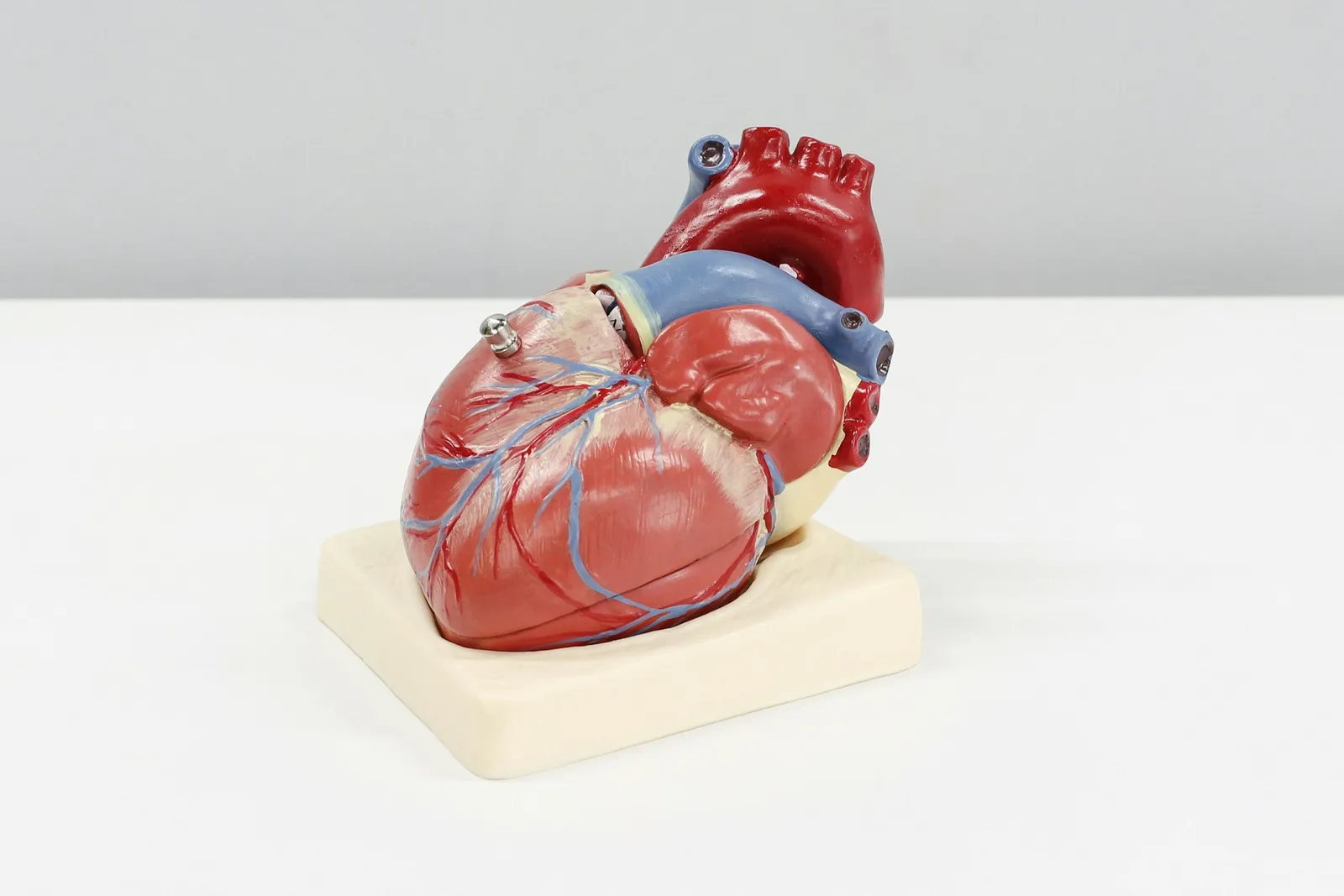
Atrial fibrillation, a rapid, irregular heartbeat that can lead to stroke or sudden death, is three times more common than previously thought, affecting nearly five percent of the population, or 10.5 million U.S. adults, according to new estimates from UC San Francisco.
According to the latest statistics from the American Heart Association, the heart rhythm disorder affects over 6 million people in the U.S., and that number is expected to double by 2030. Globally, about 59 million people worldwide had atrial fibrillation in 2019, making it the most common type of cardiac arrhythmia. The numbers point to a condition that is quietly becoming one of the defining cardiovascular challenges of this decade.
Why It Goes Undetected for So Long

The diagnosis of AFib often represents a clinical challenge, especially in its early stages, owing to its paroxysmal and sometimes asymptomatic nature. In plain terms, many people simply feel fine – or attribute vague symptoms like tiredness or mild breathlessness to aging or stress.
Silent AFib can occur without any noticeable symptoms, leaving the heart to beat irregularly for months or years. When left undetected, this irregular rhythm allows blood to pool in the heart, which can form clots that travel to the brain and cause a stroke. One in five AFib patients present with stroke as their first manifestation of the arrhythmia.
The Stroke Risk That Drives Urgency
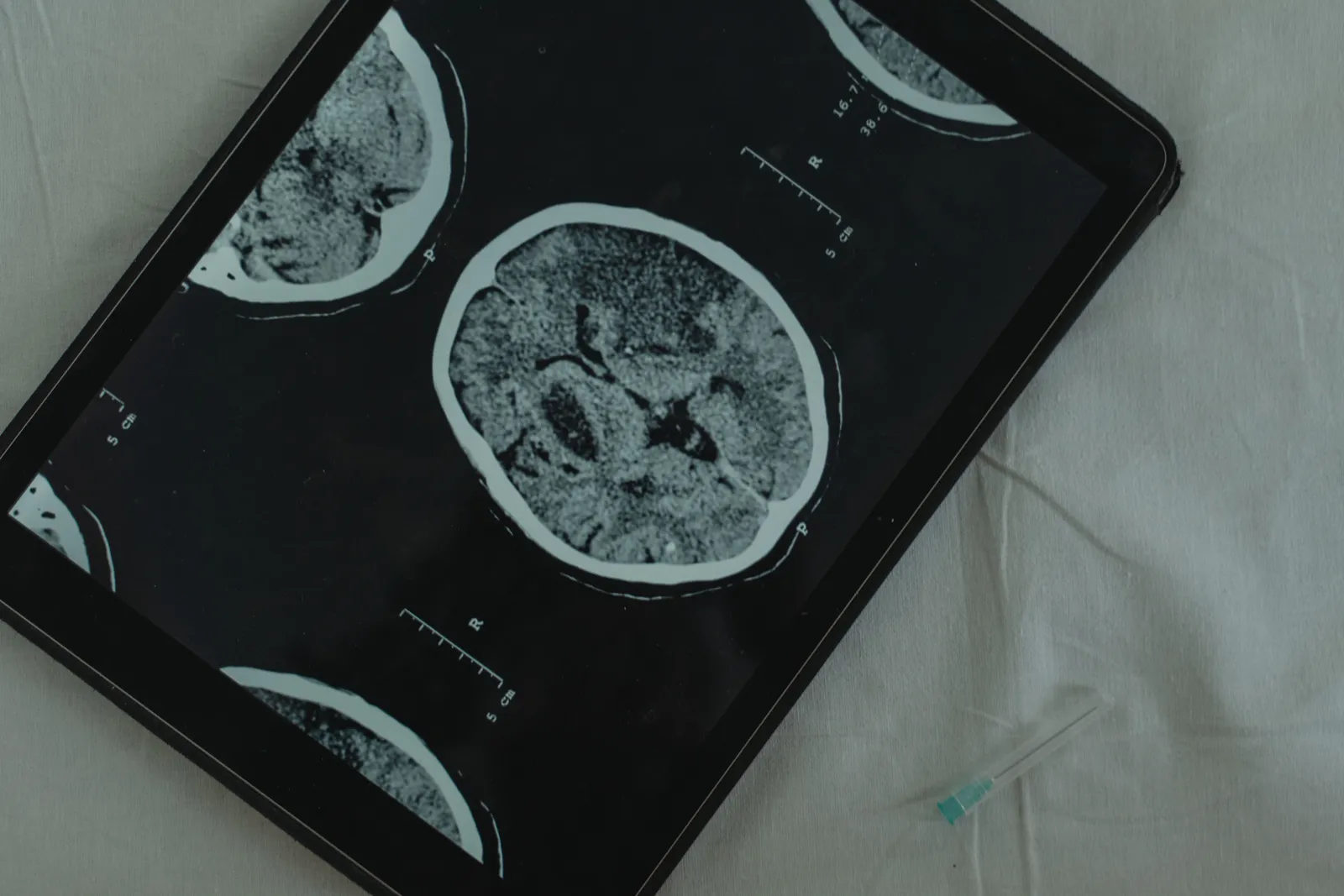
The most significant danger associated with AFib is an increased risk of stroke. Individuals with AFib are five times more likely to experience a stroke compared to those without AFib. That figure alone helps explain why early detection is treated as a clinical priority rather than a routine formality.
AFib is a major cause of ischemic stroke, a type of stroke caused by a blood clot that blocks blood flow to the brain. The American Heart Association reports that fifteen percent of all strokes in the U.S. are due to AFib. Treatment of AFib with oral anticoagulation drastically reduces the risk for stroke by up to seventy percent, but many patients escape detection until after a serious complication.
How the 30-Second Radial Pulse Check Works

Pulse palpation of the radial pulse for 30 seconds is performed by healthcare professionals and recorded as either regular or irregular. The radial artery runs along the inside of the wrist at the base of the thumb, and it’s accessible without any device or training beyond basic instruction.
To do it yourself, take one hand out with the palm facing up and the elbow bent slightly. With the other hand, use the index and middle fingers and place them on the wrist at the base of the thumb. Move the fingers slightly if needed to find the pulse, and keep firm pressure to feel it clearly. For 30 seconds, using a clock, count the pulse beats. What you’re really listening for is not just speed, but rhythm. A pulse that feels erratic or skipping, rather than steady, is the signal worth investigating.
What the Research Says About Its Accuracy
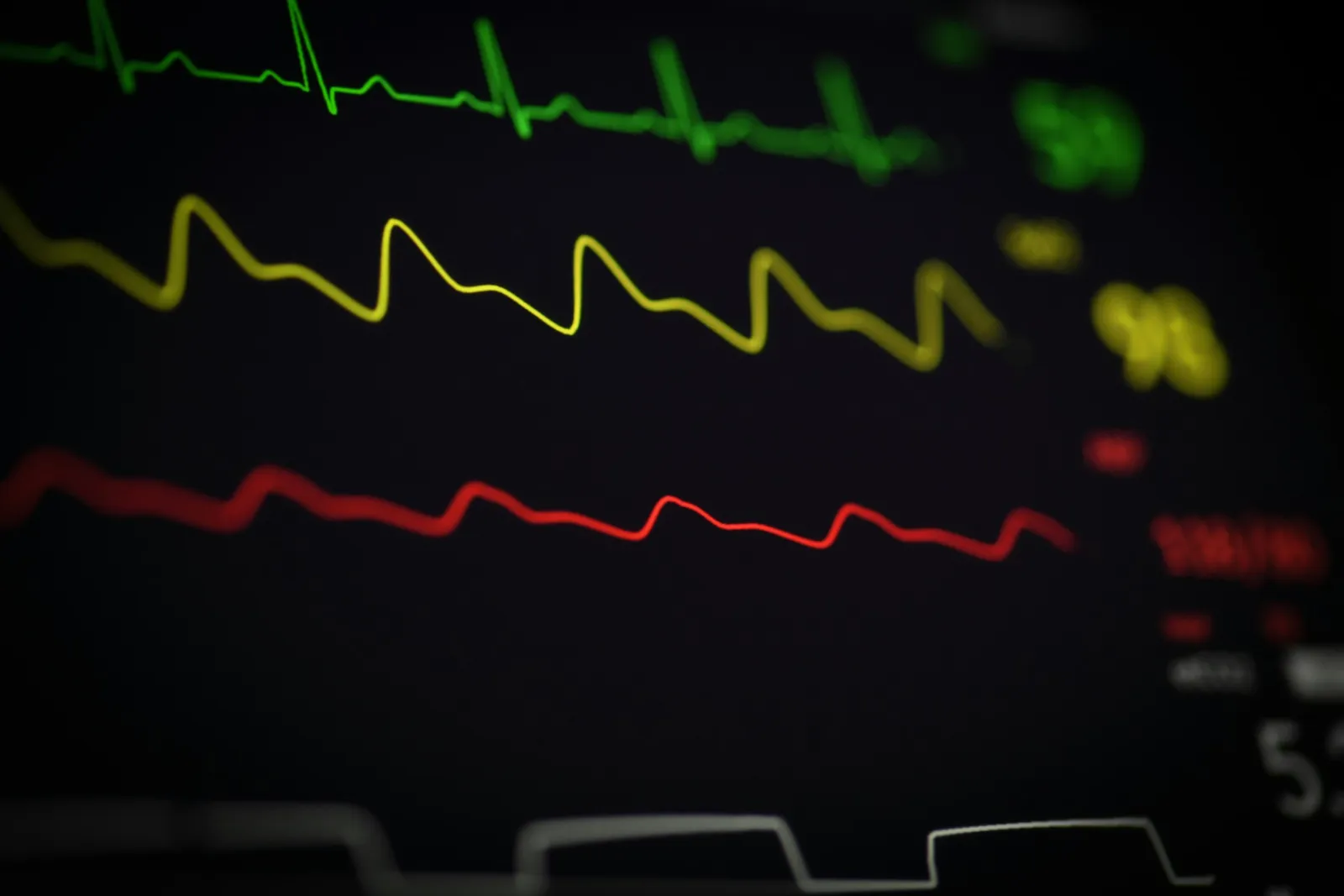
The parameters associated with the highest diagnostic accuracy were palpation of the radial artery and classifying as irregular those palpations in which the nurse was uncertain about pulse regularity or unable to palpate the pulse, achieving a sensitivity of seventy-nine percent and a specificity of eighty-six percent.
Of 6,159 participants in the STROKESTOP II Swedish screening study, 461 had an irregular pulse. Twenty-two of those with an irregular pulse were diagnosed with atrial fibrillation on a single-lead ECG rhythm strip. Among those with a regular pulse, only six cases of new atrial fibrillation were found. That data suggests a normal-feeling pulse offers meaningful reassurance, while an irregular one is a clear prompt to go further.
Why the Radial Artery Is the Preferred Site

Opportunistic screening by radial pulse palpation is the method that offers the best accuracy to detect AF when compared to other arterial sites such as the carotid. Research involving nearly 7,500 pulse palpations across cardiology outpatient clinics confirmed this consistently.
Neither the nurse’s experience nor any investigated clinical factor influenced diagnostic accuracy, which is an important finding. It means that this technique doesn’t require years of clinical training to perform with reasonable reliability. That opens the door to meaningful community-level and at-home screening.
When Irregular Means You Need an ECG
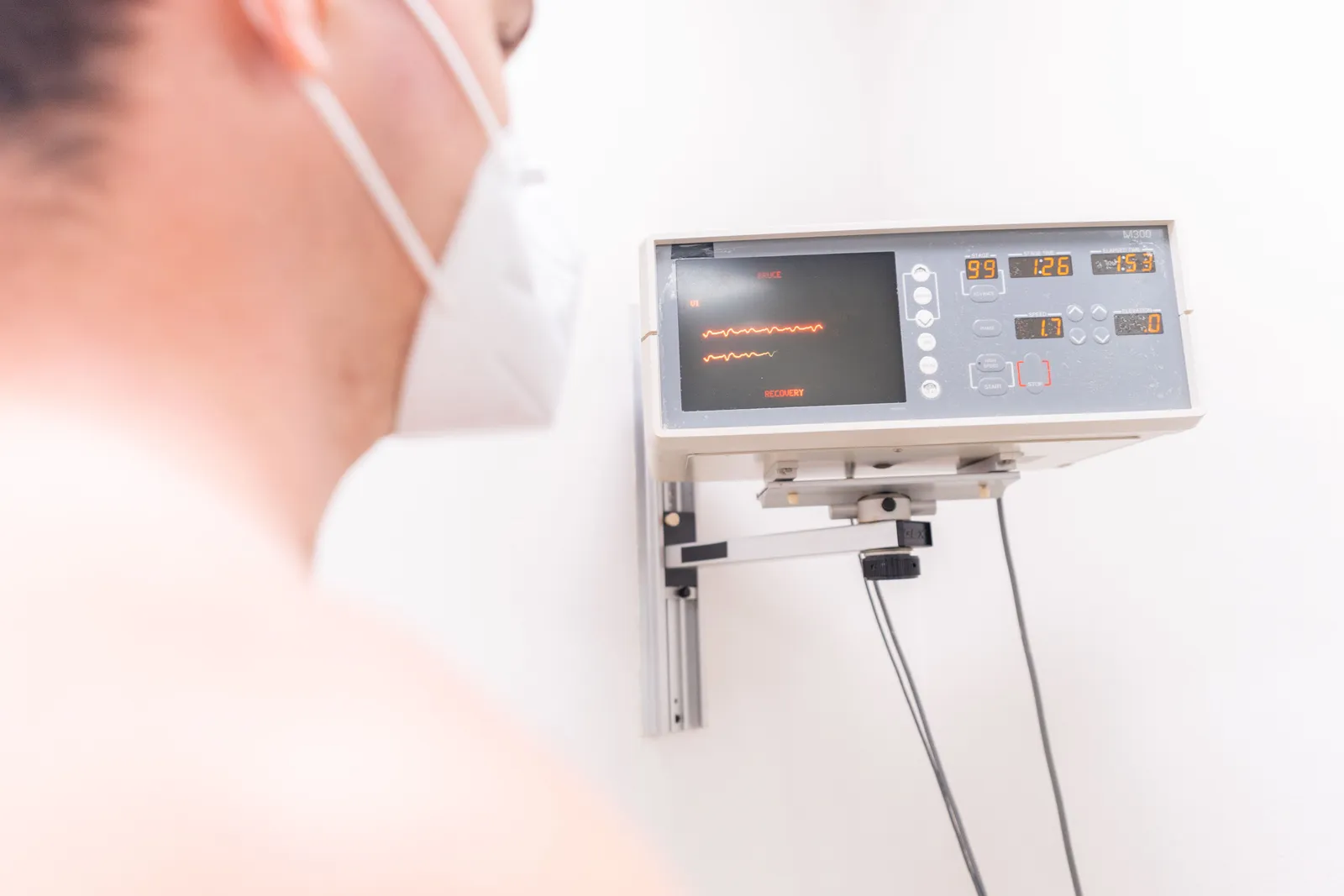
A pulse check is a triage step, not a diagnosis. The tests for detecting irregular pulse can be considered triage tests, and ECG confirmation is necessary for AF diagnosis. If you feel something irregular, the next step is a formal electrocardiogram, not a self-diagnosis.
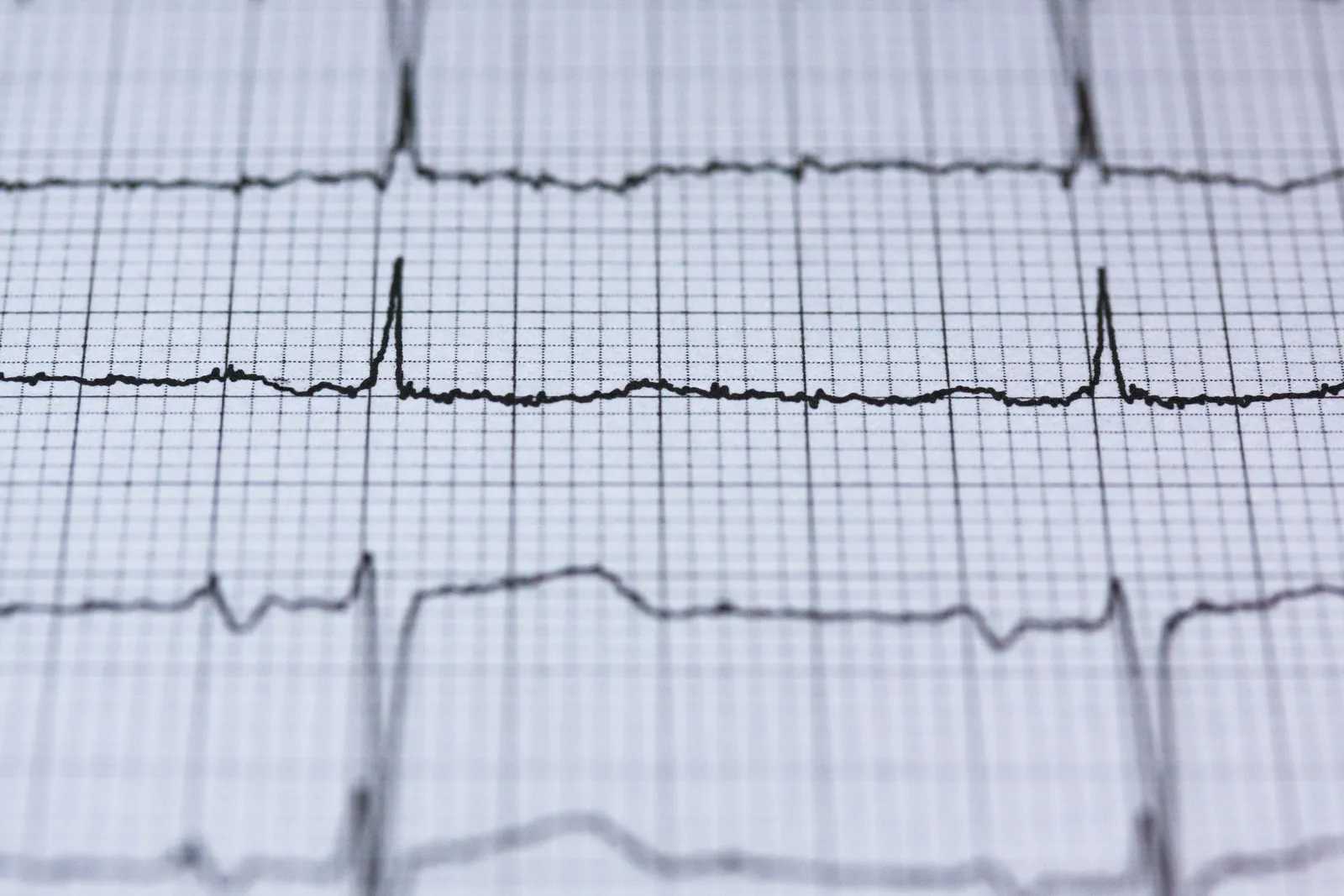
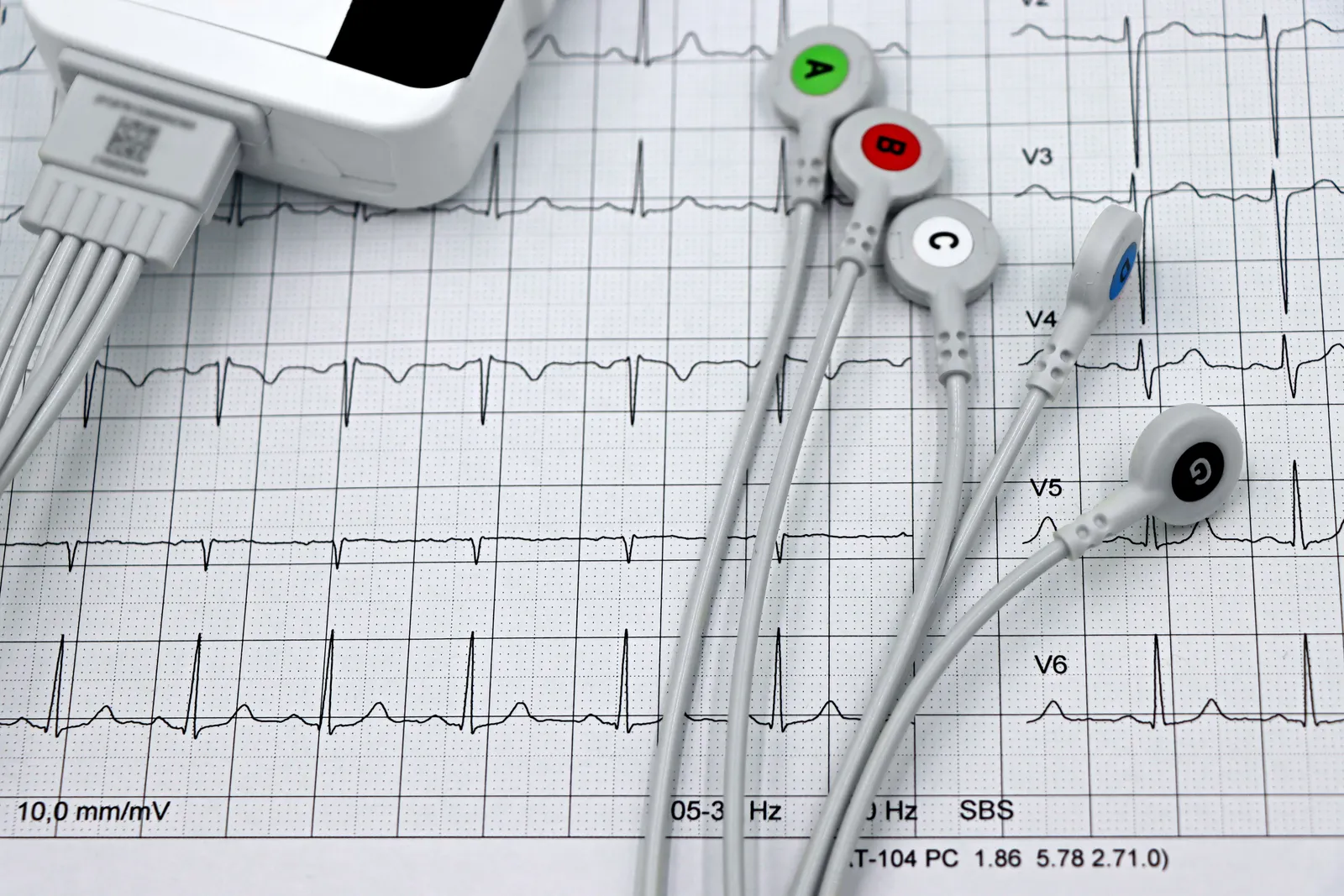
The diagnosis of atrial fibrillation is made from an electrocardiogram showing AF lasting for at least 30 seconds, with characteristics including irregularly irregular R-R intervals, absence of distinct repeating P-waves, and irregular atrial activations. An electrocardiogram is the definitive clinical test for diagnosing atrial fibrillation, measuring the heart’s electrical activity and identifying AFib’s signature irregularities.
Who Should Be Checking Most Regularly
Opportunistic screening for early AF detection by pulse palpation in subjects 65 years of age or older is recommended by the European Society of Cardiology guidelines. Age is the single strongest risk factor for developing AFib, with prevalence rising sharply beyond that threshold.
The prevalence of AF rises with age, from about two percent in the whole population to about ten to seventeen percent in individuals aged 80 years or older. Beyond age, some risk factors are related to health history while others are lifestyle-related, including diabetes, high blood pressure, prior heart attack or heart disease, sleep apnea, excessive alcohol consumption, and smoking.
What Technology Adds – and What It Doesn’t Replace
When testing the WARN AI model, researchers found it was able to predict the transition from normal cardiac rhythm to atrial fibrillation with an average warning of 30 minutes before onset with about eighty percent accuracy. Wearable-based detection continues to improve, though it still has real limitations in daily use.
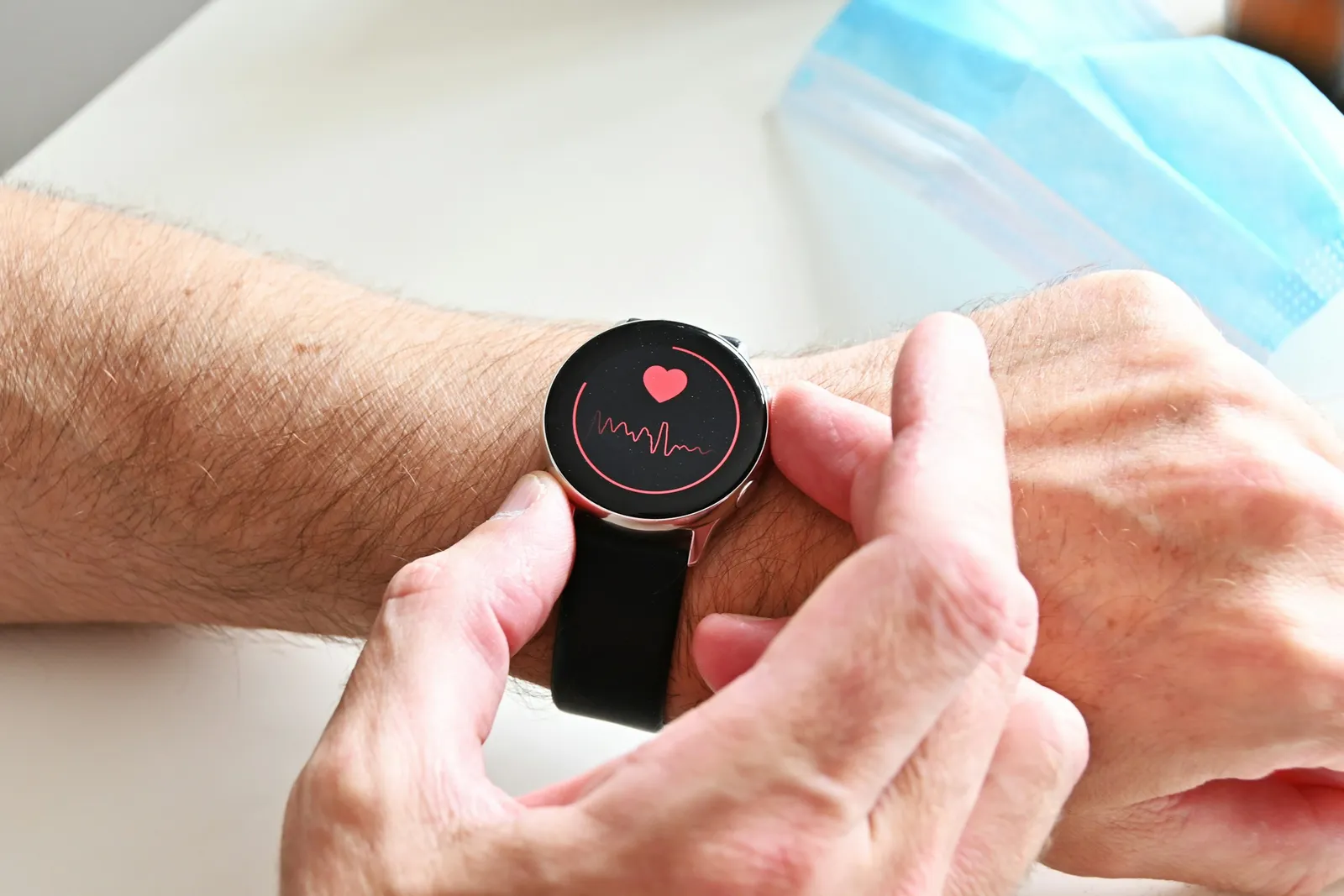
Real clinical studies found smartwatch AFib detection sensitivity ranges from sixty-two to eighty-eight percent, depending on the device and population tested. That means roughly one in five cases gets missed. Apple Watch Series 9 achieved FDA clearance for irregular rhythm detection, but it’s designed to flag potential AFib rather than diagnose it. A device catches a suspicious rhythm, but you still need an ECG and a cardiologist. The manual pulse check and the wearable device are not rivals – they’re complementary layers of awareness.
The Takeaway
Half a minute, two fingers, and a basic awareness of what “irregular” feels like: that is genuinely all the 30-second pulse check requires. It won’t replace a cardiologist or an ECG, and it shouldn’t. What it does is create a low-barrier first alert system that can prompt someone to seek care before a stroke, rather than after one.
Testing for an irregular heart rhythm is important because it helps identify potential cases of AFib earlier so that people can seek treatment, which may include medication such as anticoagulants to reduce the risk of stroke. In a condition where silence is the primary symptom, a habit as simple as checking your own pulse may be the most practical thing you can do for your long-term heart health.
AI Disclaimer: This article was created with the assistance of AI tools and reviewed by a human editor.