

How a Low Temperature Can Still Cause a Serious Burn
Most people picture burns as sudden, painful, and obvious. Heating pad injuries work on a completely different principle. Low-temperature burns are caused by prolonged contact of skin with a heat source of moderate temperature, often around 44 to 51 degrees Celsius, for an extended period rather than brief contact with very high heat.
Studies have shown that severe burns can occur at skin temperatures of 47 degrees Celsius without a person experiencing discomfort as the burn occurs. That’s the core of the danger. The body’s pain signal simply doesn’t fire fast enough to warn you in time.
The temperature is low enough that your skin tolerates it for a while, but prolonged contact gradually damages tissue. After about 45 to 60 minutes, the heat starts to overwhelm your skin’s ability to disperse it, and tissue damage can progress deeper without you noticing, especially if you’ve fallen asleep or become accustomed to the warmth.
The Falling Asleep Problem

A study of heating pads reported that roughly four in ten admissions to the hospital related to heating pad burns were a consequence of the patient falling asleep on or in contact with the device. It’s one of the most frequently documented causes of this type of injury.
Since the pad heats by conduction from the heating coils to the skin, use must be limited or the skin can be burned, particularly if the user falls asleep on the pad. The problem intensifies when the pad is trapped between the body and a mattress or cushion, where heat has nowhere to escape.
While heating pads generally utilize thermostats to control the amount of heat generated, use in a confined space, such as under the patient, generally causes a buildup of heat on the skin which is conducted directly from the heating coils. The thermostat, in other words, can’t fully compensate for that trapped-heat scenario.
Why People with Neuropathy Face the Greatest Risk
Patients with sensory deficits are especially prone to heating pad burns. Cases have been reported of patients with reduced skin sensation who received partial and full-thickness burns from an electric heating pad.
Diabetics are at increased risk for burn injury due to peripheral neuropathy, which is associated with decreased sensory and motor function and leads to the inability to quickly withdraw extremities from a heat source. The feet are particularly vulnerable during colder months when heating pads are used most heavily.
The peripheral neuropathy associated with diabetes, dampening sensation, largely contributes to lower extremity burns during colder months when patients are using heating pads or warm compresses. Even mild burns can lead to infections and slow-healing ulcers in someone with diabetes.
Elderly Adults Are Also Disproportionately Vulnerable

Aging naturally thins the skin and can reduce temperature sensitivity, making burns more likely at lower temperatures. This means that a setting which feels comfortable to an older adult may already be causing subcutaneous damage.
In a multivariate analysis, those more than 60 years old were more than twice as likely to have a burn resulting from a therapeutic modality, while those with diabetes had four times the risk. These numbers reflect a population that relies heavily on heat for chronic pain management, often daily.
These burns may appear superficially mild but often involve deeper dermal or subcutaneous tissue. That’s the part that makes them genuinely dangerous – the surface of the skin can look almost normal while the real damage is happening further down.
Toasted Skin Syndrome: The Condition Nobody Talks About
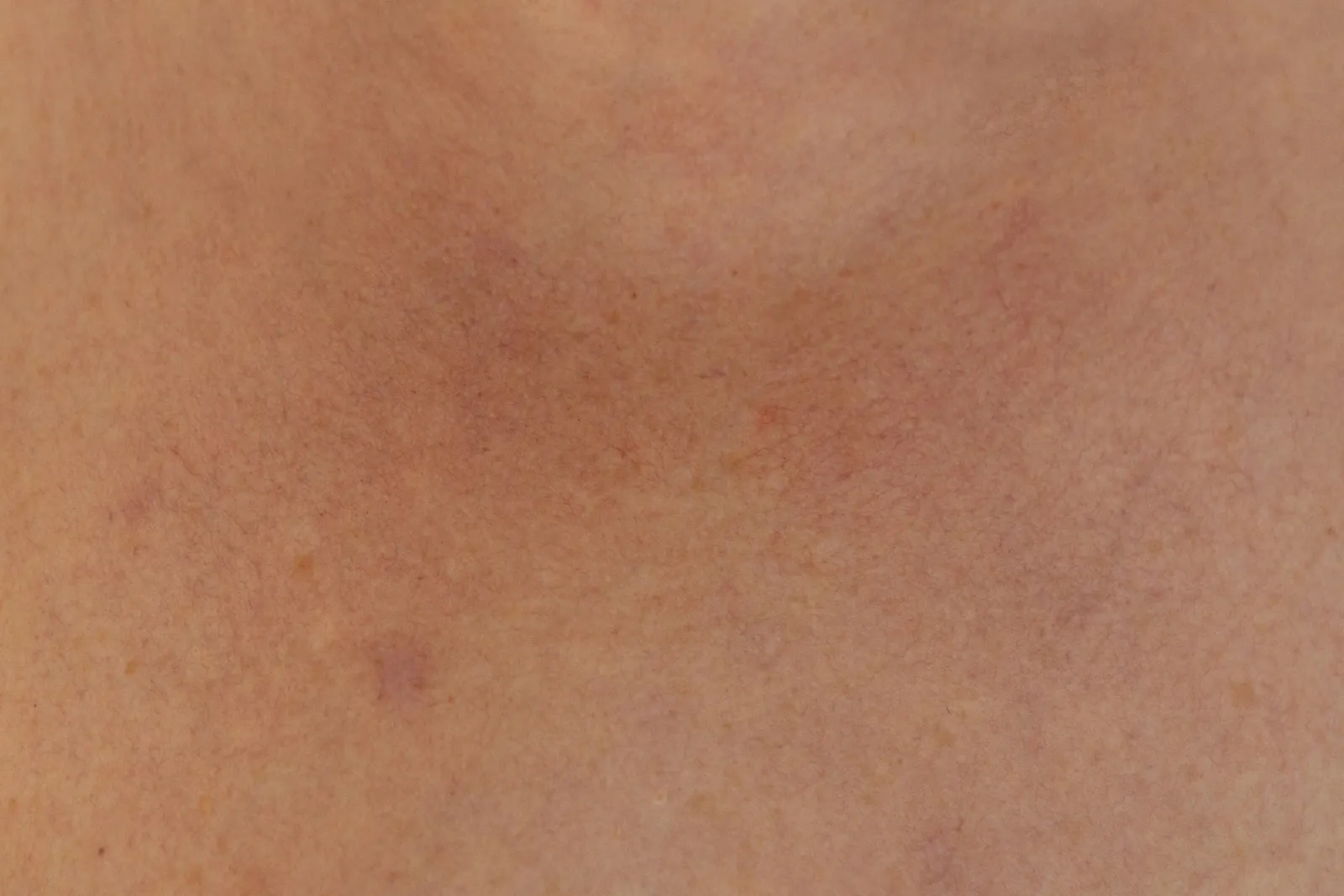
There’s a separate type of harm that doesn’t look like a burn at all, and it can develop slowly over weeks without any pain. Erythema ab igne, sometimes called toasted skin syndrome, develops from chronic, repeated exposure to heat that stays below the threshold for a traditional burn. If you use a heating pad on the same area daily for weeks or months, you can develop a distinctive net-like pattern of reddish or brownish discoloration on your skin.
Erythema ab igne is an acquired asymmetric hyperpigmented dermatosis caused by repeated exposure to moderate heat or infrared radiation. The condition typically arises from repeated exposure to heat sources that are not hot enough to burn the skin but are sufficient to cause cumulative thermal damage over time.
While this condition can resolve spontaneously after removal of heat exposure, delay in diagnosis and persistent exposure can lead to permanent pigmentation or progression to Merkel cell carcinoma, basal cell carcinoma, and squamous cell carcinoma. That escalation is rare but real, and it underscores why this seemingly mild skin change deserves attention.
Where on the Body Burns Most Often Occur

Emergency department admissions for burns secondary to heating pad use were mostly localized to the lower trunk, the upper trunk, and the shoulders. These are exactly the areas where people tend to place heating pads for back and neck pain, often for extended sessions.
Feet are another high-risk location, particularly for people with diabetes. Skin on the soles of the feet is relatively thin and vulnerable. Signs of damage such as redness and blistering may not appear until after you’ve already been injured.
Severe burn injuries have been documented in patients due to heat application for the treatment of diabetic neuropathy. What began as an attempt to soothe discomfort ended in hospital admissions, debridement, and in some cases skin grafting.
The Problem with Packaging Warnings
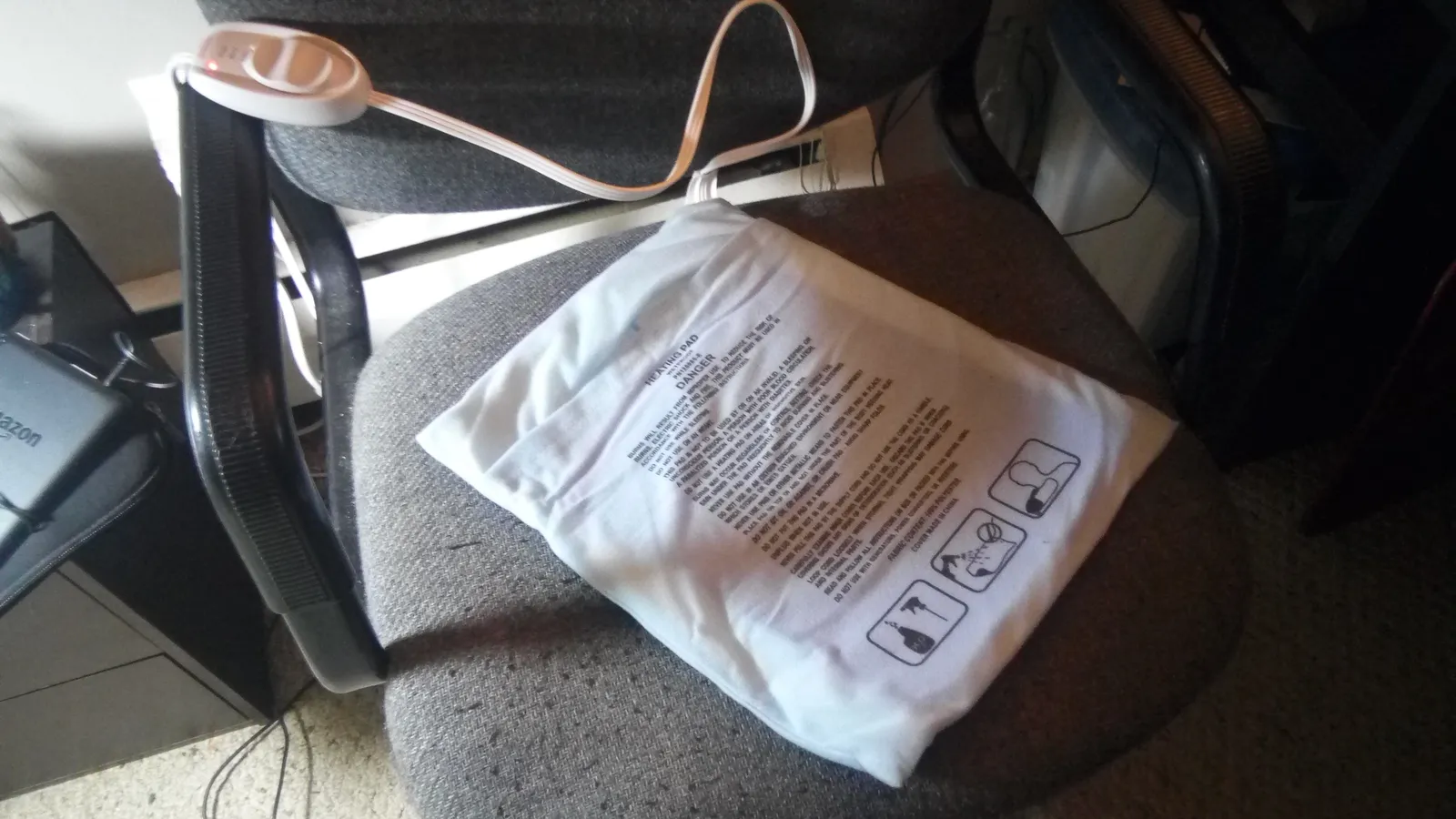
Certain heating pads can reach temperatures of 150 to 160 degrees Fahrenheit, yet packaging instructions often fail to warn consumers of this danger and the potential for burns. The gap between what a pad can do and what the label says is surprisingly large.
A manufacturer may warn a consumer to check the skin underneath the heating pad while in use, but these warnings may not instruct consumers as to what to look for during these checks, including changes to the skin, and when to stop using the pad.
The CPSC estimated that the annual number of skin burns due to electric heating pads increased by roughly a third from 1995 to 2008. Furthermore, as the number of required admonitions increases, the effectiveness of the warnings decreases as users become overwhelmed. More warning text on the label doesn’t always translate to safer behavior.
Common Misuse Habits That Increase the Risk
Most heating pad burns aren’t freak accidents. Most skin burn accidents can be attributed to three foreseeable misuses: covering both faces of the pad, which increases contact temperature; falling asleep during use, which increases exposure time; and omitting the cloth cover, which increases both the contact temperature and the rate of heat energy transfer to the body.
Consumers may suffer second and third-degree burns due to the lack of a timely automatic shut-off device and from inadequate user instructions. Not all heating pads on the market include an auto shut-off feature, and even those that do may allow long enough sessions to cause harm.
It’s also worth noting that the absence of pain is not confirmation that everything is fine. The temporary relief causes unseen damage. Many times burning under the skin can occur without seeing the visible signs first.
What Happens to the Skin at a Cellular Level
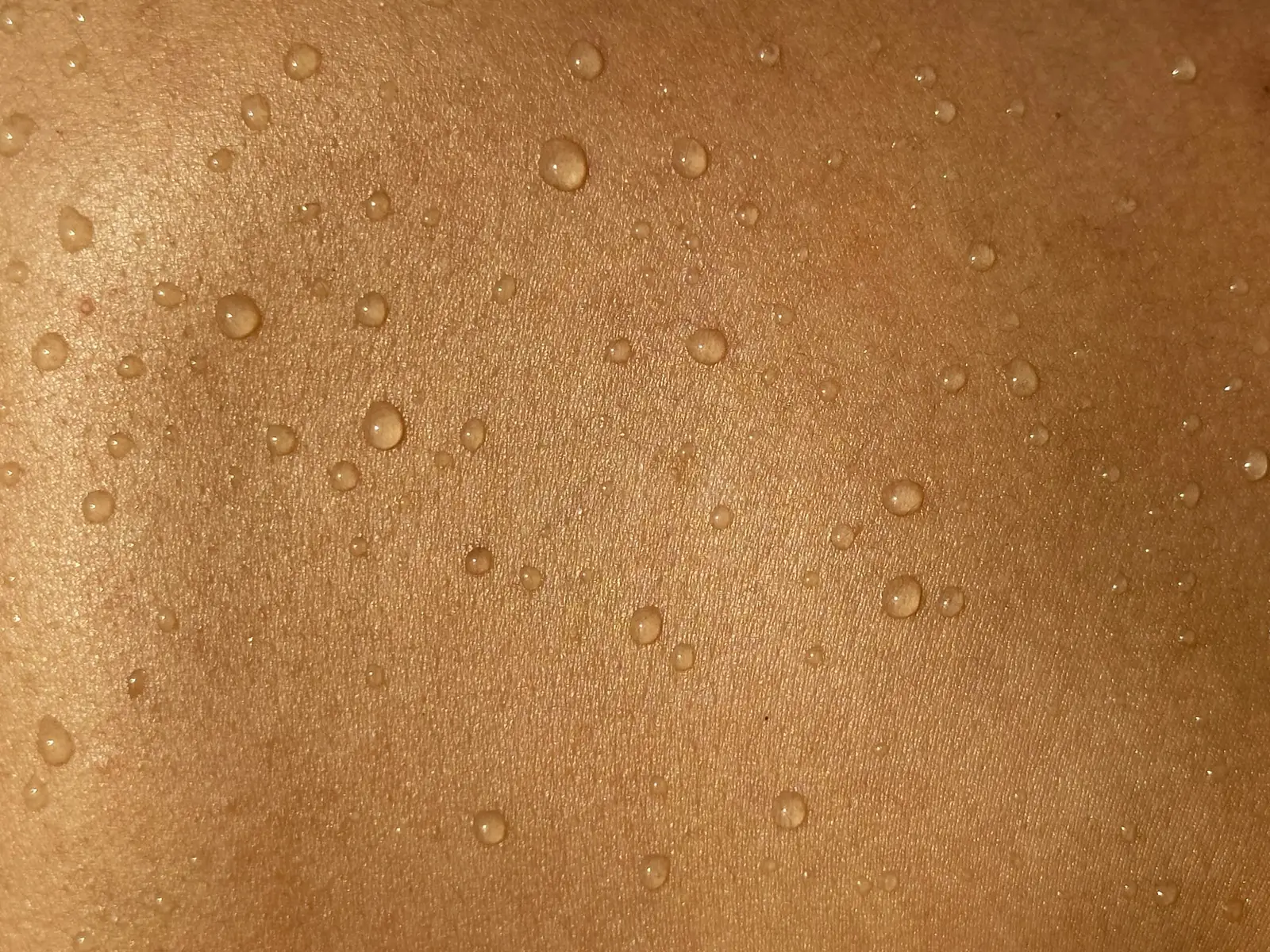
Repeated heat exposure breaks down elastic fibers and cells in the skin’s base layer, releasing pigment and iron deposits from damaged blood vessels. This is the mechanism behind the discoloration seen in toasted skin syndrome, and it’s entirely invisible while it’s happening.
The pathophysiology involves repeated heat exposure damaging superficial blood vessels leading to hemosiderin deposition and subsequent hyperpigmentation. The release of melanin from heat-induced damage to elastic fibers and basal cells imparts the characteristic reticular rash in a vascular pattern.
In the early stage, the skin looks mildly red and the discoloration fades when you press on it. Over time, it evolves into a darker, lace-like pigmentation that no longer blanches under pressure. Once that shift happens, the damage may be permanent even after the heat source is removed.
First Aid When a Heating Pad Burn Does Happen

Cool the burn with clean running water at 15 to 25 degrees Celsius for 5 to 20 minutes to limit tissue damage and reduce pain. Do not apply ice directly to the burn as it can cause further tissue damage. This guidance comes from the 2024 American Heart Association and American Red Cross guidelines for first aid.
Heating pads can cause first, second, and third-degree burns to the skin that may result in infection, discoloration, scarring, significant pain and discomfort, or the need for skin grafting. Knowing how serious the outcome can be should shape how quickly someone seeks care.
If the affected area shows blistering, deep redness, or signs of infection, medical evaluation shouldn’t be delayed. For people with diabetes or reduced sensation, even what looks like a minor mark warrants prompt attention from a healthcare provider.
Safer Habits That Reduce the Risk

The goal isn’t to stop using heating pads entirely. Used correctly, they offer genuine relief. The issue is the specific habits that quietly turn a helpful tool into a hazard. Never sleep with a heating pad on. Always use the protective cloth cover. Limit sessions to the time window recommended on the packaging, which is typically no more than 15 to 20 minutes at a time.
There is no definitive therapy for erythema ab igne. Elimination of the heat source may reverse the erythema and hyperpigmentation. Catching the pattern early, before it becomes permanent, depends entirely on checking the skin regularly during and after use.
People with diabetes, peripheral neuropathy, or reduced skin sensitivity should consult a doctor before using a heating pad at all. Infrared heating pads are generally safe for most people when used as directed, but they carry real risks that depend on how long you use them, how hot they get, and your underlying health. The most common problems are skin damage from prolonged or repeated use and burns in people who cannot feel heat normally.
The Quiet Takeaway

The heating pad mistake that burns skin without you feeling it isn’t dramatic. It’s slow, ordinary, and entirely preventable. The pad feels good, the pain fades, and you drift off to sleep – and that’s exactly where the problem begins.
Heat and time are the two variables that matter most. Control both, and the risk drops sharply. Ignore one of them, and the damage can go further than you’d ever expect from something as unremarkable as a warming device on your couch.
Understanding the mechanism is more useful than a list of warnings. When you know why the injury happens silently, you’re far more likely to take the small steps that actually prevent it.
AI Disclaimer: This article was created with the assistance of AI tools and reviewed by a human editor.