
Just How Common Is It, Really?

Déjà vu is far more widespread than most people assume. A 2024 systematic review published in Frontiers in Neurology pooled ten studies of healthy participants and estimated that roughly three quarters of people had experienced non-seizure-related déjà vu. That makes it one of the most common unusual mental experiences a healthy person can have.
A separate 25-year cohort study tracking university students found that the prevalence of déjà vu climbed from about four in five respondents in 2001 to nearly universal levels by 2015, remaining at that level through 2025. Whether this reflects a genuine increase or simply greater awareness of the term is still being debated.
The sensation occurs in roughly sixty to ninety percent of people at least once in their lives and is typically sudden and fleeting, which makes it genuinely difficult to study under controlled conditions.
The French Word That Named a Universal Experience

Déjà vu, which translates to “already seen” in French, is a psychological phenomenon characterized by a feeling of familiarity when encountering a new person, place, or event, leading individuals to believe they have experienced the situation before. The term itself was coined by the French philosopher Émile Boirac in the late nineteenth century.
The formal study of déjà vu can be traced back to that late nineteenth century period, with early psychological perspectives often linking it to memory distortions or subconscious recollections. What began as philosophical curiosity eventually became a serious subject of neurological inquiry.
Over time, various theoretical frameworks have emerged, encompassing neurological, cognitive, and dual-processing explanations – each capturing a different piece of what is clearly a complex phenomenon.
Age and Déjà Vu: Why Young People Feel It More

Episodes are most frequent between the ages of fifteen and twenty-five, then become steadily rarer as people get older. This is one of the more consistent findings across the research literature, and it raises interesting questions about how memory systems change over a lifetime.
The frequency of déjà vu tends to be higher in younger individuals, particularly adolescents and young adults, and appears to decrease with age. One plausible explanation is that younger brains are still refining the coordination between memory systems, making brief signal mismatches more likely.
Rates also rise with more education, income, travel, and dream recall, and they fall with age. That last detail about travel is particularly interesting and worth returning to later.
The Role of the Hippocampus and Temporal Lobe
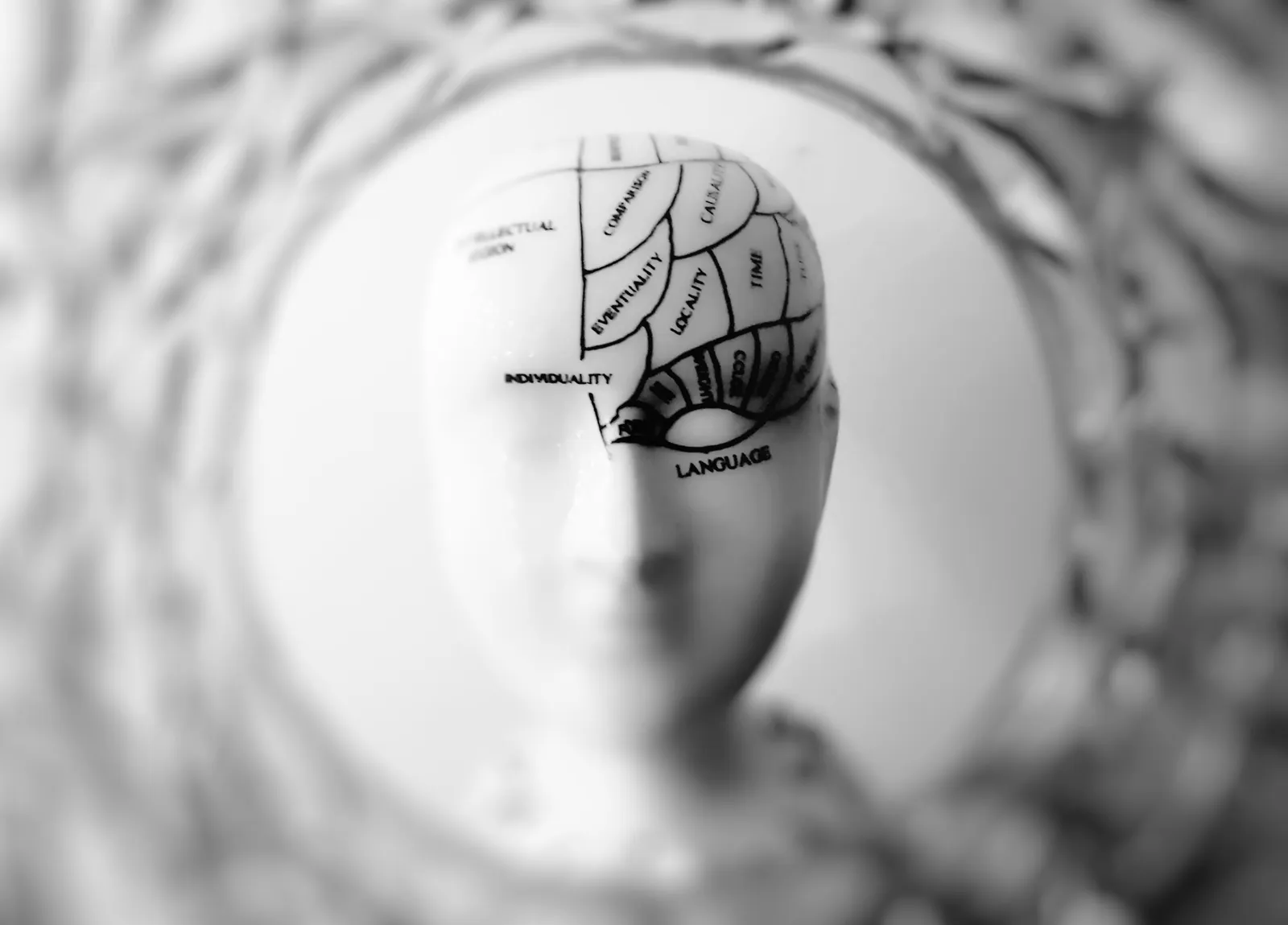
The medial temporal lobe houses the core machinery for memory recognition. The hippocampus encodes new memories and helps retrieve old ones, while the rhinal cortex acts as a gatekeeper, determining whether incoming information matches stored memories.
Brain imaging studies show that regions involved in memory and recognition, particularly the hippocampus and parts of the temporal lobe, become active during déjà vu episodes. These findings support the theory that what causes déjà vu is linked to brief timing mismatches within memory-processing circuits.
Research using functional magnetic resonance imaging has revealed that déjà vu involves unusual activity patterns in these regions, particularly increased activation in areas responsible for conflict detection and memory verification. This finding shifted how researchers think about the experience entirely.
The Conflict Theory: Your Brain Catching Its Own Mistake
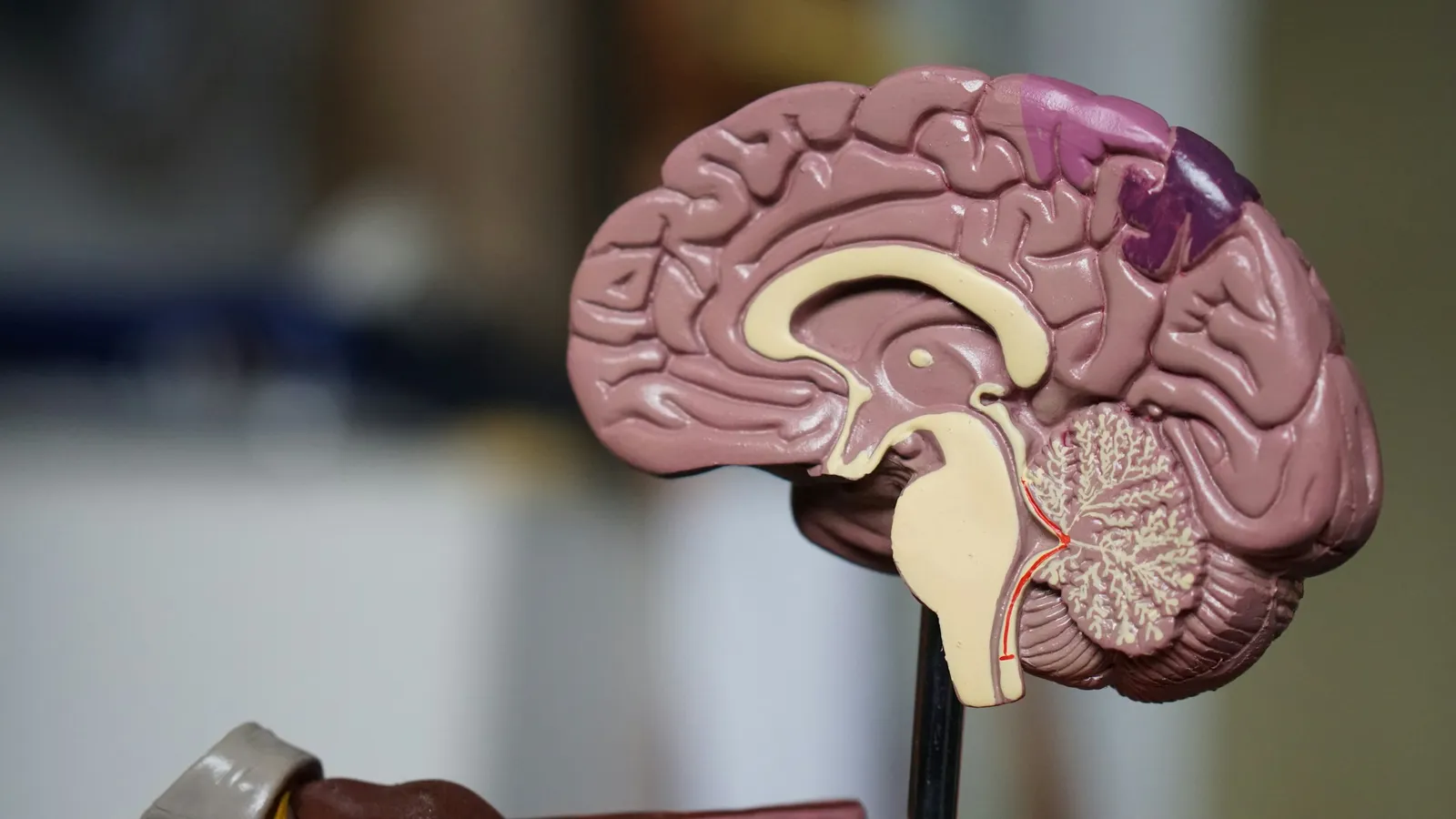
Déjà vu can be defined as a conflict between a subjective evaluation of familiarity and a concurrent evaluation of novelty. That tension, the simultaneous “I know this” and “I couldn’t possibly know this,” is actually the defining feature of the experience, not a side effect of it.
Research using functional MRI has shown that during experimentally induced déjà vu, the medial prefrontal cortex, an area known for conflict detection, becomes active, while brain regions typically associated with memory retrieval do not. This was a striking discovery. The brain is not retrieving a memory during déjà vu; it is flagging an error.
The latest research into déjà vu suggests it is nothing but the frontal regions of the brain attempting to correct an inaccurate memory signal. In a sense, déjà vu is evidence that your brain’s quality-control system is working.
The Dual-Processing Hypothesis Explained
The dual-process theory of recognition memory posits that recognition involves two distinct processes: familiarity and recollection. Familiarity is a sense of knowing something without recalling specific details, while recollection involves the retrieval of contextual information associated with a past event.
This theory suggests that déjà vu arises when the typically synchronized processes of familiarity and recollection become temporarily out of sync, leading to a feeling of familiarity in the absence of specific recall. Familiarity fires; recollection doesn’t follow. The result is a recognition signal with nothing to attach it to.
One processing pathway handles information quickly, below conscious awareness. The other is slower and handles conscious recognition. When the fast pathway gets a brief head start, the slower conscious system interprets the input as already processed, creating a sense of prior familiarity.
What Epilepsy Research Taught Scientists About Normal Brains
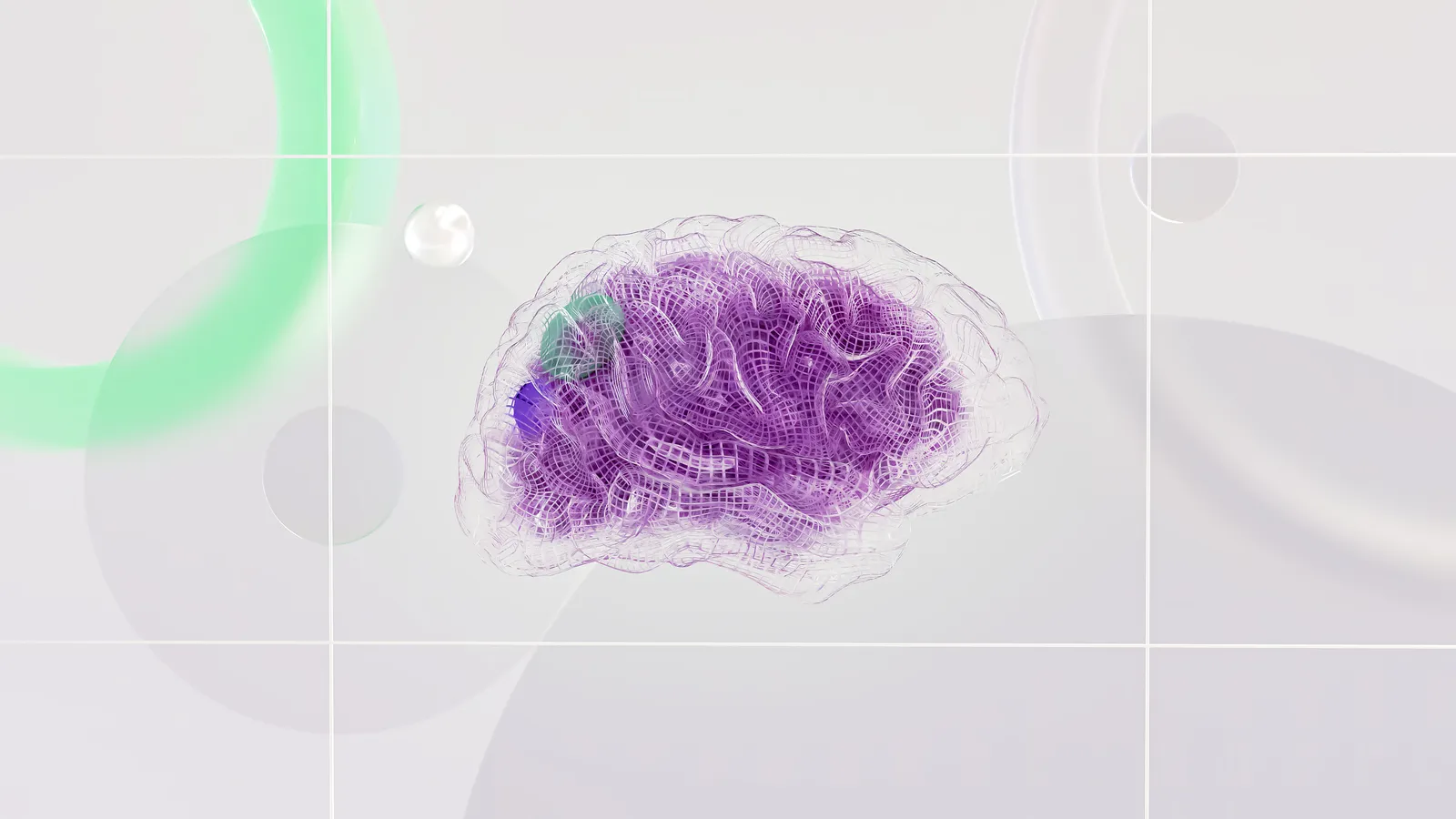
People with epilepsy can sometimes experience a heightened and extreme feeling of déjà vu at the onset of a seizure. This is often an indication of a discharge in the hippocampus, a structure deep in the temporal lobe that controls memory.
By studying patients with temporal lobe epilepsy and monitoring their brain activity during déjà vu episodes, neuroscientists have mapped the specific circuits involved. This research revealed that electrical stimulation of certain temporal lobe regions can reliably trigger déjà vu experiences, confirming the role of these brain areas in memory familiarity.
Crucially, this does not mean that ordinary déjà vu is caused by epilepsy. Most people who experience occasional déjà vu do not have temporal lobe epilepsy. The clinical connection is valuable because it shows that the feeling of familiarity has a biological basis and can be generated by changes in neural activity, providing researchers with an unusual window into the brain systems involved in recognition and memory.
Stress, Fatigue, and Why Context Triggers It

Mental and physical states significantly influence déjà vu occurrence rates. Fatigue and stress appear particularly potent triggers, likely because these conditions affect both short-term and long-term memory processing. When memory systems function suboptimally, the brain becomes more susceptible to processing errors that manifest as déjà vu experiences.
People who travel frequently or consume a lot of media, such as films and books, may experience it more often, possibly because they encounter more situations that partially overlap with past experiences. The more varied your experiences, the more chances your brain has to find partial matches.
Neurochemical factors may also play important roles. Some research points to dopamine, a neurotransmitter involved in reward, motivation, and memory, as potentially significant. One case study documented a patient experiencing multiple déjà vu episodes hourly after taking medications that affect dopamine systems, with the episodes ceasing when the medications were discontinued. That single documented case is suggestive, though not yet conclusive.
Spatial Memory and the Virtual Reality Evidence
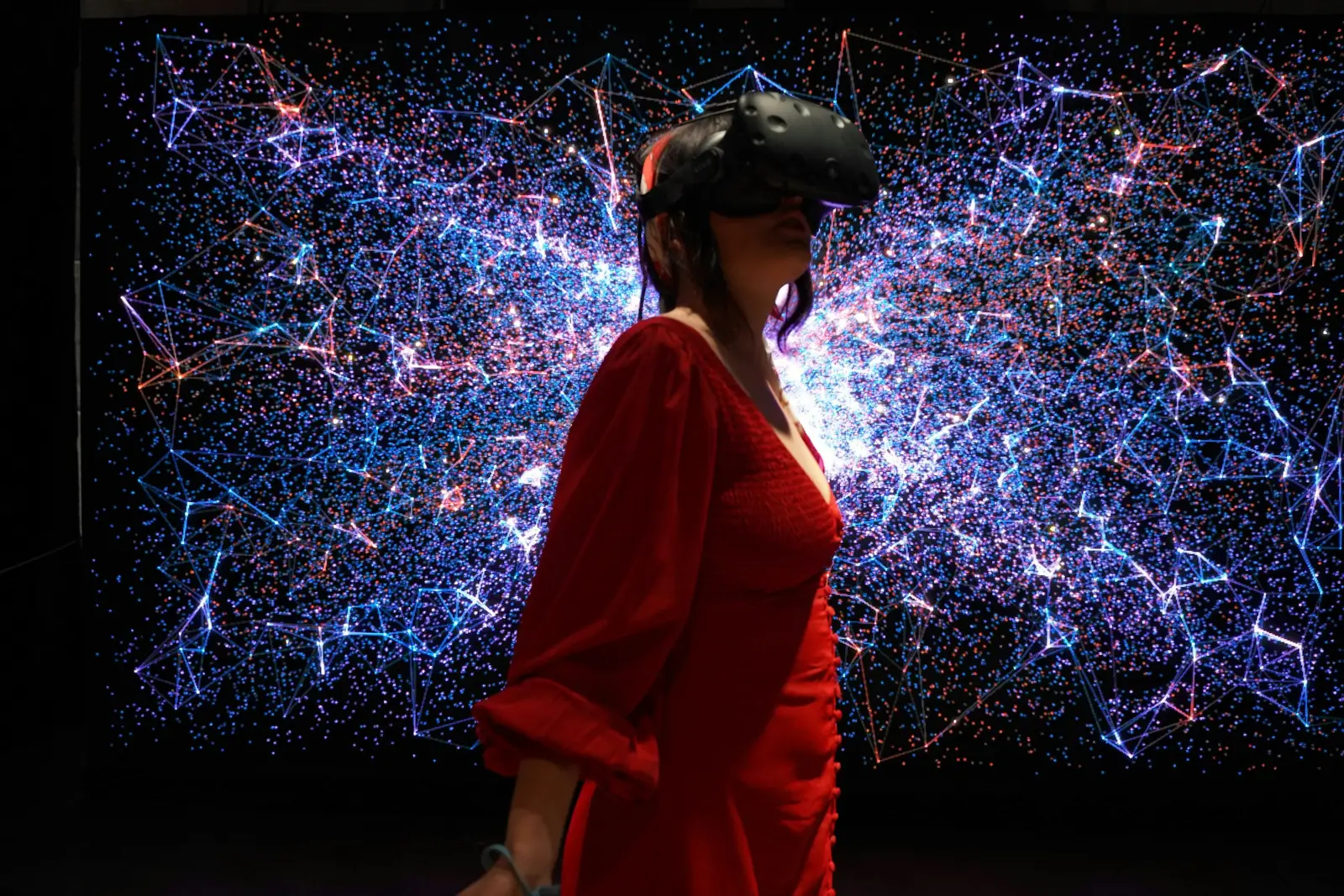
Research using virtual reality has provided empirical support for one hypothesis: participants are more likely to report feelings of déjà vu when they encounter a virtual scene that has the same spatial layout as a previously viewed scene, even if they do not explicitly remember the prior scene. The brain picks up structural similarities before conscious memory does.
This feeling of familiarity can sometimes be accompanied by an illusory sense of prediction about what might happen next in the familiar-feeling environment. That predictive quality is a telling detail. It suggests the brain is not just matching patterns; it is running forward simulations based on them.
The virtual reality studies matter because they give researchers a reproducible way to study something that, in everyday life, arrives without warning and vanishes before you can even describe it. Controlled environments are rare in déjà vu research, so this approach represents a meaningful step forward.
What Déjà Vu Reveals About the Architecture of Memory
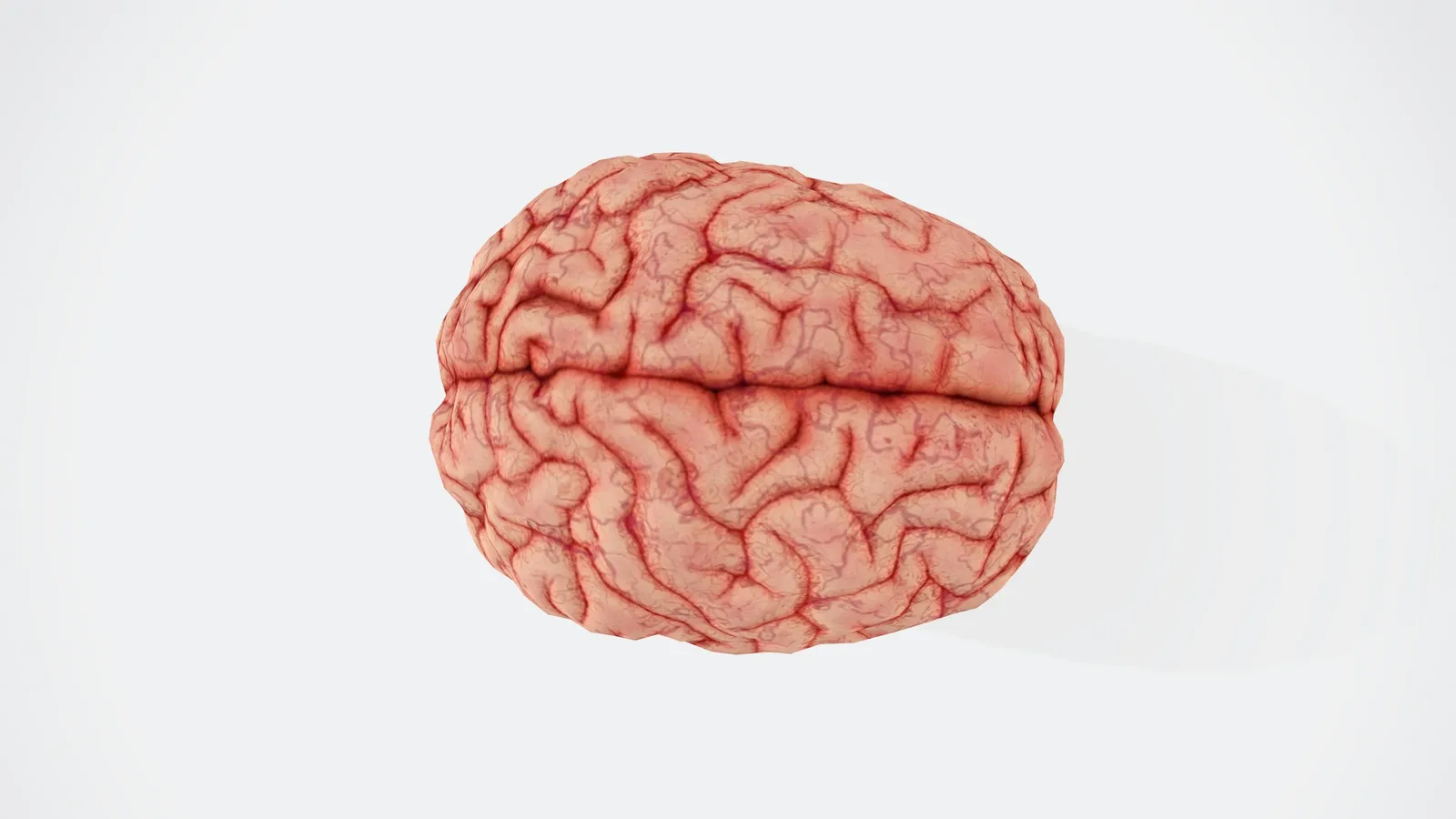
Neuroscientists now believe déjà vu is a normal brain glitch tied to how memory and perception interact. Far from being a sign of something going wrong, most researchers now view it as a byproduct of a memory system working at high resolution.
Neuroimaging suggests déjà vu is associated with activity in the frontal cortex, and it may be supported by neurocognitive functions integral to healthy cognition. In other words, people who experience déjà vu are not experiencing a failing system. They may be experiencing a particularly active one.
This subjective feeling of familiarity, often accompanied by a simultaneous awareness that the familiarity is misplaced, affects a significant portion of the population and is more prevalent in younger individuals, suggesting a potential link to developmental or cognitive processes. The brief flash of déjà vu, strange as it feels, is really just the brain doing its job: constantly comparing what is happening now with what has happened before.
The Takeaway
Déjà vu sits at a peculiar intersection of memory science, neurology, and ordinary human experience. It’s common enough that nearly everyone has felt it, yet fleeting enough that it remains genuinely hard to capture in a laboratory. What research has gradually established is that the sensation is not mystical, not a sign of disorder, and not a simple glitch. It’s a brief window into the way the brain continuously monitors, compares, and corrects its own perception of reality.
The fact that the frontal cortex lights up during these moments, flagging the conflict between familiarity and novelty, is actually reassuring. It means the sensation of déjà vu is, in its own way, evidence of an honest, working brain. A system that never generated false positives would also be a system far less capable of the rich, layered recognition that makes human memory remarkable.
For now, a fully satisfying explanation remains out of reach, and that’s worth acknowledging plainly. But the progress made over the past decade, from fMRI studies to virtual reality experiments to large-scale cohort data, has moved the science considerably closer to understanding one of the strangest few seconds the human mind can produce.
AI Disclaimer: This article was created with the assistance of AI tools and reviewed by a human editor.