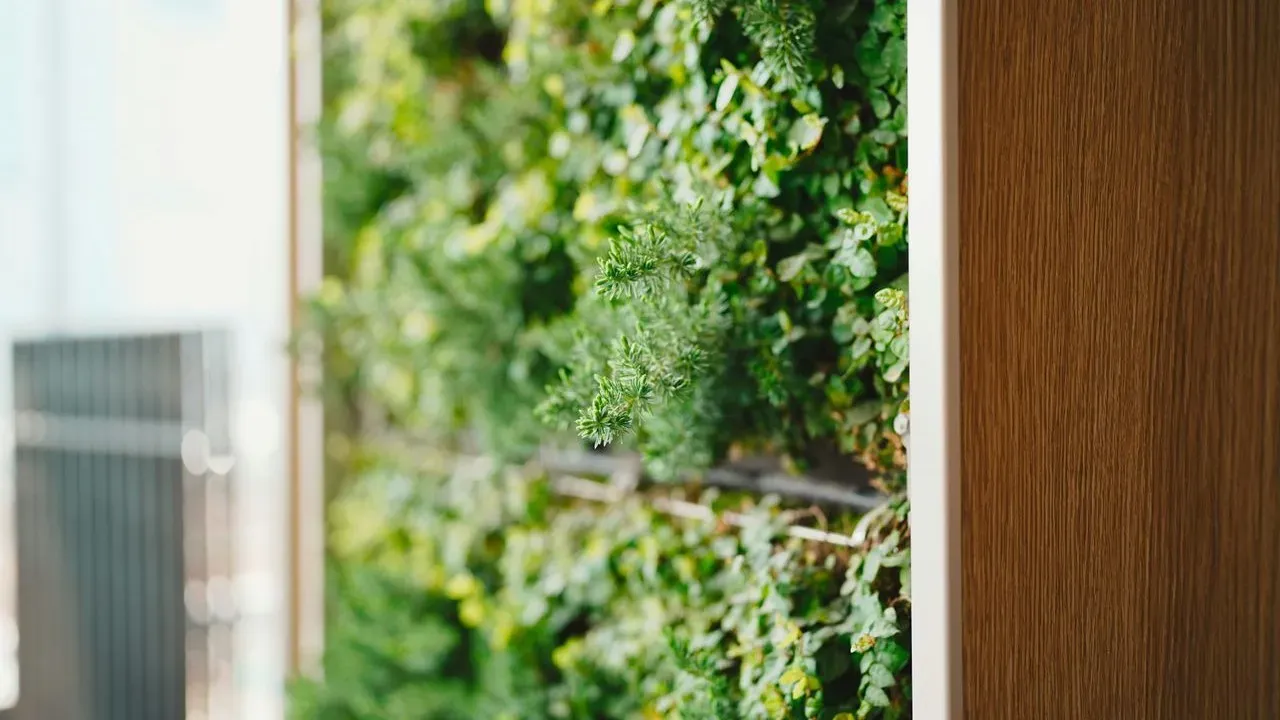

Many homeowners assume that creating a stronger link to nature requires filling rooms with dozens of plants or installing elaborate living walls. In reality, biophilic design relies on smaller, more practical choices that spread daylight, plants, natural materials, outdoor views, and varied textures throughout a living space. These elements work together to make interiors feel calmer and more grounded without demanding major renovations or a complete overhaul of personal style. The approach proves especially relevant for anyone seeking everyday connections to the outdoors rather than a dramatic statement piece.
Letting Daylight Shape Daily Life
Natural light stands out as one of the simplest yet most powerful ways to bring the outdoors inside. It changes how a room feels from morning through evening and influences everything from mood to how furniture gets used. Blocking that light with heavy drapes, bulky cabinets, or awkward layouts wastes an opportunity that already exists in most homes. Strategic adjustments make a noticeable difference. Keeping tall pieces away from windows preserves the flow of light, while sheer panels maintain privacy without darkening a space. Mirrors positioned to bounce sunlight deeper into rooms extend the effect even further. When strong outdoor views are available, arranging seating and work areas to face those windows turns passive light into an active connection with the surrounding environment.
Choosing Materials That Add Texture and Warmth
Wood, stone, linen, wool, and clay introduce organic variation that synthetic surfaces often lack. A hardwood table can anchor a dining area, while linen curtains or woven baskets add subtle layers without forcing a themed look. These materials do not need to match exactly; the natural differences in grain and tone help spaces feel less uniform and more alive. The same principle applies during construction or remodeling. Buyers evaluating new homes can weigh window placement, access to patios, and interior finishes alongside floor plans. Stone countertops or wood shelving bring lasting texture that ages gracefully, supporting a sense of continuity with the natural world rather than competing with it.
Positioning Plants Where They Thrive
A few well-chosen plants often deliver more impact than a crowded collection. Success depends on matching each plant to the actual conditions in a room, including available light, humidity levels, and the time a household can devote to care. Kitchens with sunny windowsills suit herbs, while bathrooms with proper ventilation can support humidity-tolerant varieties. Larger floor plants soften empty corners in living areas without overwhelming the space. Households with children or pets benefit from confirming safety before adding greenery. Thoughtful placement prevents frequent replacements and keeps maintenance manageable, turning plants into reliable companions rather than ongoing chores.
Creating Transitions That Extend the Home Outdoors
Biophilic design gains strength near the boundaries between inside and outside. A kitchen window overlooking a garden, a reading chair next to a clear view, or an easy path from the living room to a patio makes outdoor areas feel like natural extensions of daily life. Even modest balconies or small patios contribute when container plants and seating create visual links visible from indoors. These connections do not require large yards. Simple additions such as comfortable outdoor chairs or greenery seen through glass strengthen the overall effect. The result is a home that feels more expansive and restorative without additional square footage. The most effective biophilic interiors treat nature as a series of quiet touchpoints rather than a single showcase. Daylight in the kitchen, wood underfoot at the table, greenery near a workspace, and an unobstructed view beyond the glass each reinforce a sense of balance. When these elements appear throughout the home instead of clustered in one area, the space supports both comfort and a lasting connection to the world outside.
AI Disclaimer: This article was created with the assistance of AI tools and reviewed by a human editor.