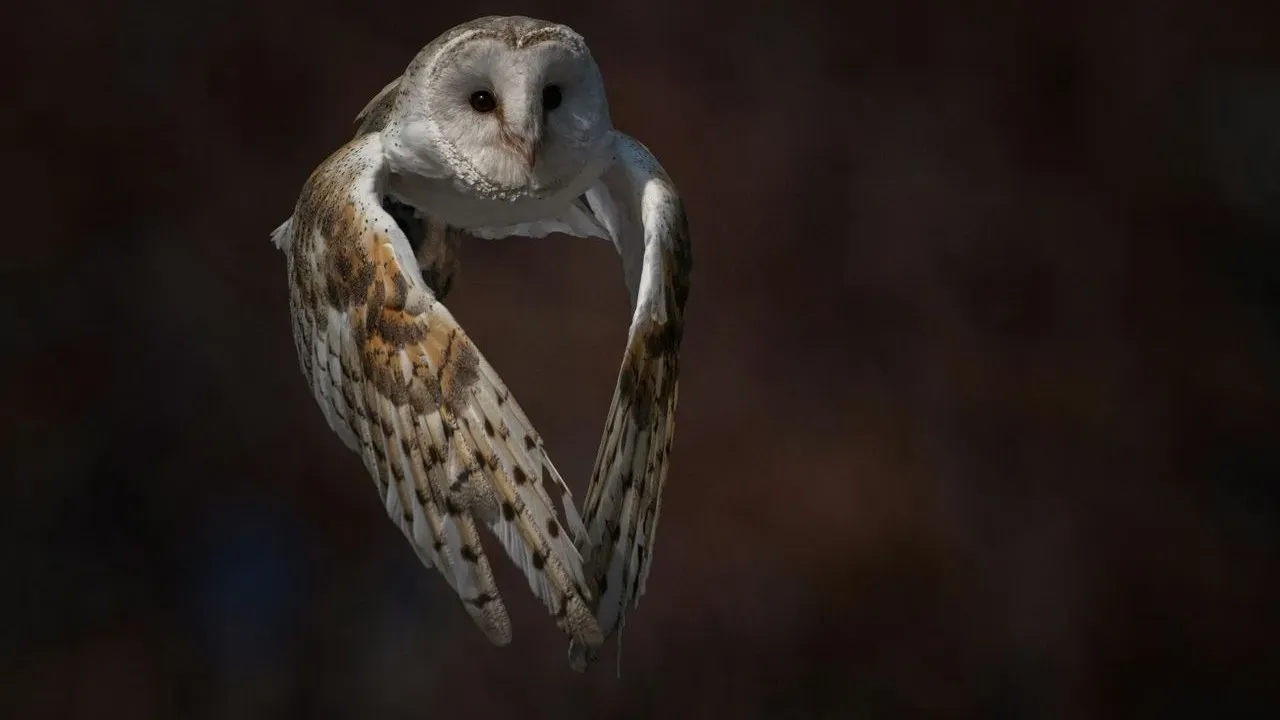

Manhattan’s Upper West Side has gained an unexpected set of residents this season. A family of barn owls has taken up residence in a water tower atop a building near Central Park, drawing attention from neighbors who now view the birds as local celebrities. The arrival marks a striking contrast between the species’ typical rural habitats and the dense urban landscape of New York City. ([1])
Why Barn Owls Stand Out in the City
Barn owls are known for their distinctive heart-shaped faces and silent flight, traits that help them hunt small rodents at night. Their presence in Manhattan is uncommon because the birds usually prefer open fields, barns, and woodlands where prey is abundant and nesting sites are plentiful. The water tower offers a high, sheltered perch that mimics some of those natural conditions while overlooking the green expanse of Central Park. Residents have noticed the owls’ activity at dusk, with sightings reported from nearby apartments and rooftops. The birds’ return to the same structure each evening has created a quiet routine that locals track with interest. This adaptation highlights how certain wildlife can find footholds even in heavily built environments when suitable structures remain available.
Local Reactions and Neighborhood Buzz
The Upper West Side community has responded with a mix of curiosity and quiet appreciation. People living in the building and surrounding blocks have shared observations about the owls’ comings and goings, turning the water tower into an informal point of conversation. The birds have quickly earned a reputation as the area’s newest celebrities, with residents expressing delight at the rare wildlife sighting so close to home. Such moments of urban nature often spark renewed interest in local biodiversity. Neighbors have begun paying closer attention to other birds and green spaces in the vicinity, recognizing how even small pockets of habitat can support unexpected visitors. The owls’ presence serves as a reminder that city environments can occasionally intersect with species more commonly associated with quieter countryside settings.
Looking Ahead for Urban Wildlife
The nesting choice raises questions about how cities can better accommodate wildlife that strays from traditional ranges. Water towers and similar elevated structures sometimes provide the height and seclusion that certain birds seek, yet they also face maintenance schedules that could affect future use. Observers note that continued sightings will depend on whether the family remains undisturbed through the coming months. As the story circulates, it underscores a broader pattern of wildlife adapting to human-dominated landscapes. The Upper West Side owls offer a small but vivid example of resilience, showing that even in one of the world’s busiest cities, nature can carve out space in unexpected places. Residents hope the family stays long enough for more people to appreciate the quiet spectacle above their heads.
AI Disclaimer: This article was created with the assistance of AI tools and reviewed by a human editor.