

Pull a vacuum out of the closet and your dog might sprint to the other side of the house, bark frantically, or pounce on the machine like it’s a mortal enemy. It happens in millions of households every single week, yet most owners chalk it up to simple quirk. The reality is considerably more interesting than that.
Behind the chaos is a mix of sensory biology, evolutionary wiring, learned behavior, and even a little bit of canine personality. Understanding each layer doesn’t just explain the meltdown; it also points toward what you can actually do about it.
The Sheer Volume Is the First Problem
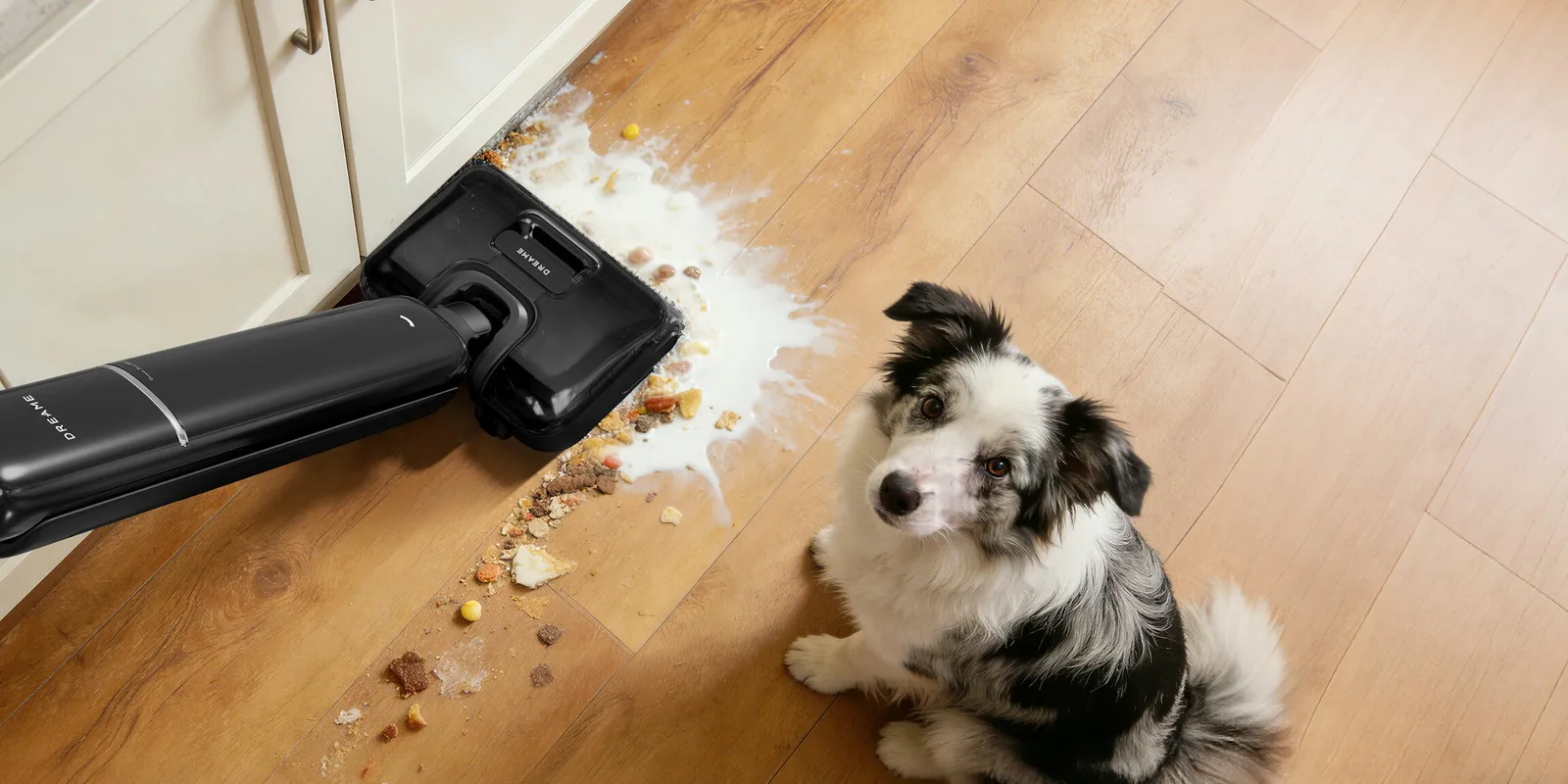
Vacuums are loud; the sound can reach 80 dB or more. To put that in perspective, the ambient noise in a room with conversation and activity is around 30 to 50 dB. So the moment you hit that power button, the sound level in the room roughly doubles or triples from your dog’s baseline comfort zone.
Humans start to experience non-auditory adverse health effects at 55 dB, so a vacuum blaring at 80 dB may become uncomfortable for dogs. That’s not a minor irritation. For a dog sitting close to the machine, it can feel genuinely overwhelming.
Dogs Hear a Completely Different Sound

Humans and dogs have different hearing ranges. We can detect sound between 64 and 23,000 Hz, while the range for dogs is between 67 and 45,000 Hz. Therefore, what may be merely annoying to us is quite loud from a canine perspective.
Dogs can perceive sounds as high as 47,000 to 65,000 Hz, and vacuums discharge many high-frequency sounds that can be too much for the dog to handle. In short, they’re not hearing the same machine you are. They’re hearing a considerably more aggressive version of it.
How Common Is This Fear, Really?

One study noted a prevalence between 20% and 50% of dogs displaying noise-sensitive behavior. That’s not a fringe issue. In a published survey on canine noise reactions, vacuum cleaners were reported by nearly half of owners as causing a negative reaction in dogs, making them the single most common environmental sound trigger, ahead of construction noise, rubbish trucks, and lawnmowers.
Some guardians reported their dogs reacted at the maximum severity level to everyday sounds such as vacuum cleaners, suggesting significant negative effects on welfare. So while the panicked sprint across the kitchen might look funny, it isn’t always a minor inconvenience for the dog experiencing it.
It’s Not Just Noise: The Body Feels It Too
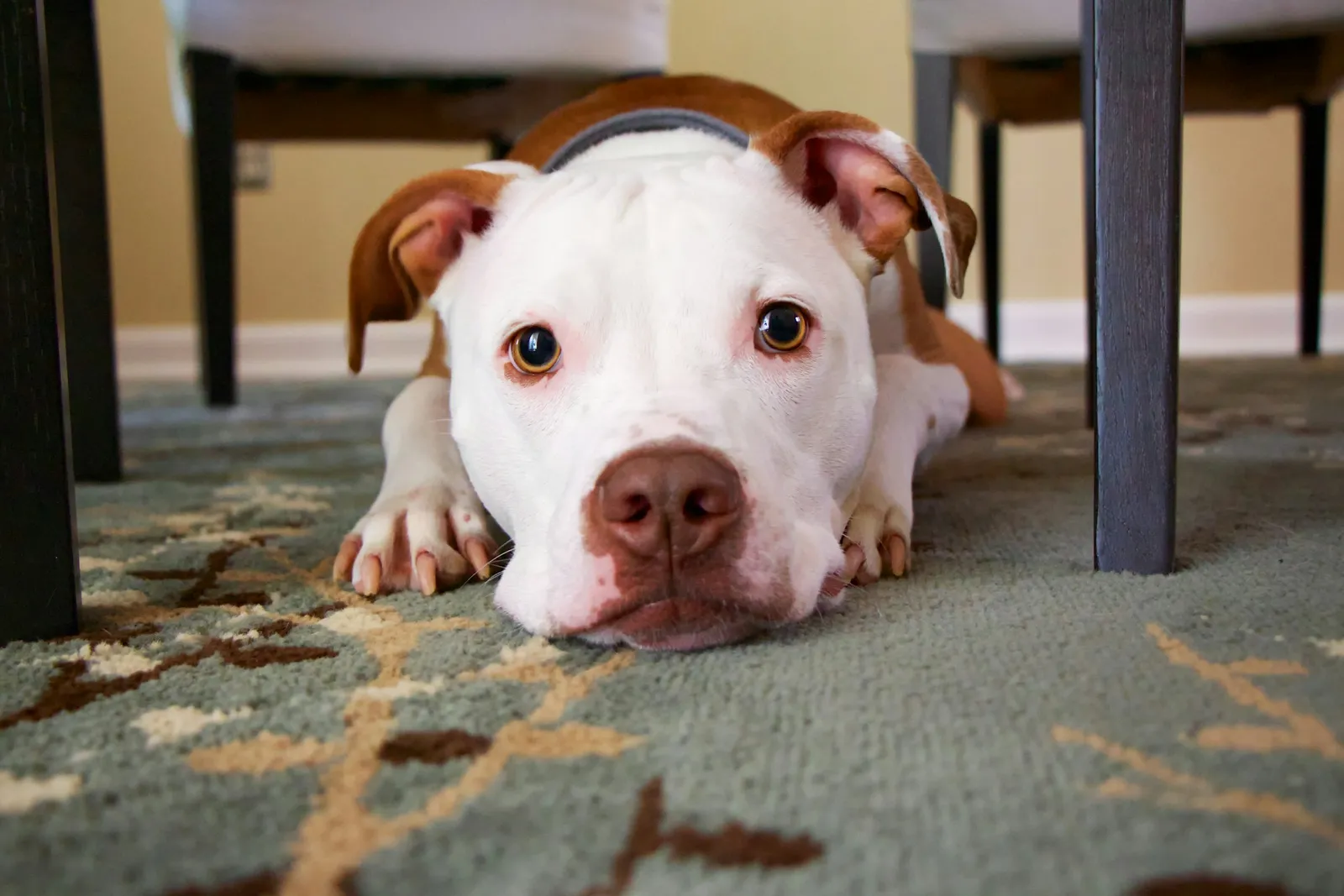
Vacuums also create vibrations that dogs can feel through the floor. This adds a physical dimension to the sensory assault that most owners never consider. The sound hits their ears, and the floor hums beneath their paws at the same time.
Underlying these fear behaviors is a set of physiological responses, including tachycardia, hypertension, and increased secretion of epinephrine and norepinephrine. The stress hormone cortisol may also rise rapidly. The dog isn’t just annoyed. Their body is running a genuine stress response.
Evolutionary Wiring Plays a Bigger Role Than You’d Think
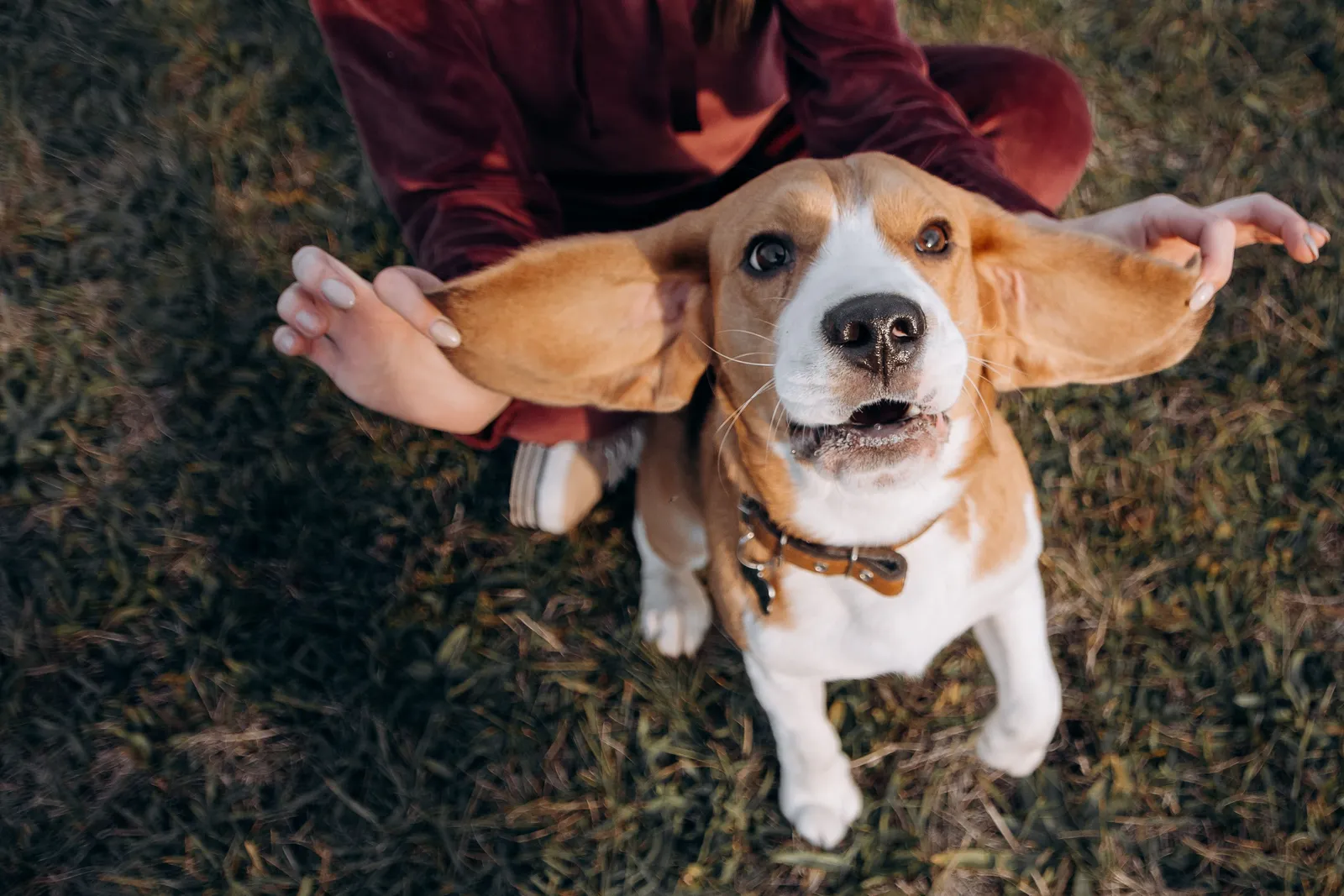
Dogs have inherited acute hearing abilities from their ancestors, wolves, who relied on sharp senses to survive in the wild. In nature, loud noises often signal danger. A rustling bush could mean a predator is nearby, and sudden sounds trigger instinctual flight responses. Even though domestic dogs are far removed from these primal instincts, they still react with fear when faced with unexpected auditory stimuli like vacuums.
That ancient threat-detection system doesn’t know it’s 2026 and the noise is just a Dyson. It fires regardless.
Unpredictable Movement Reads as a Threat
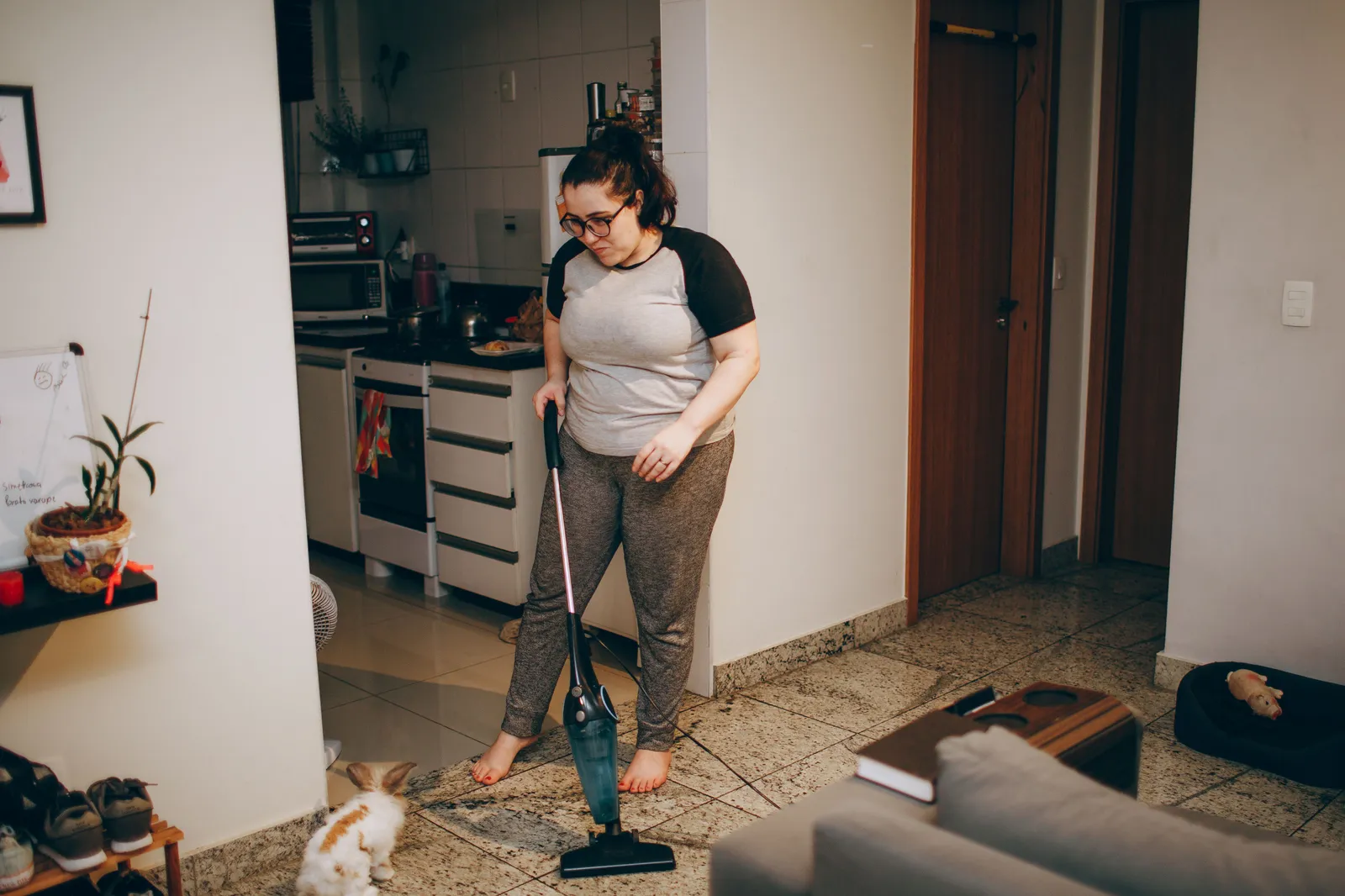
Vacuum cleaners are large, moving gadgets invading a dog’s personal space with unpredictable motions. Their sudden changes in direction and loud, unfamiliar sounds can make them appear as threatening intruders disrupting the household. From a dog’s point of view, it really does look like something alive and aggressive is charging around.
The way vacuums move can trigger a dog’s prey drive and barking, and some dogs, especially herding breeds like Border Collies or Australian Shepherds, may attempt to move the vacuum to where they think it should be. So the barking and chasing isn’t always fear. Sometimes it’s a job application.
The Smell Factor Is Frequently Overlooked
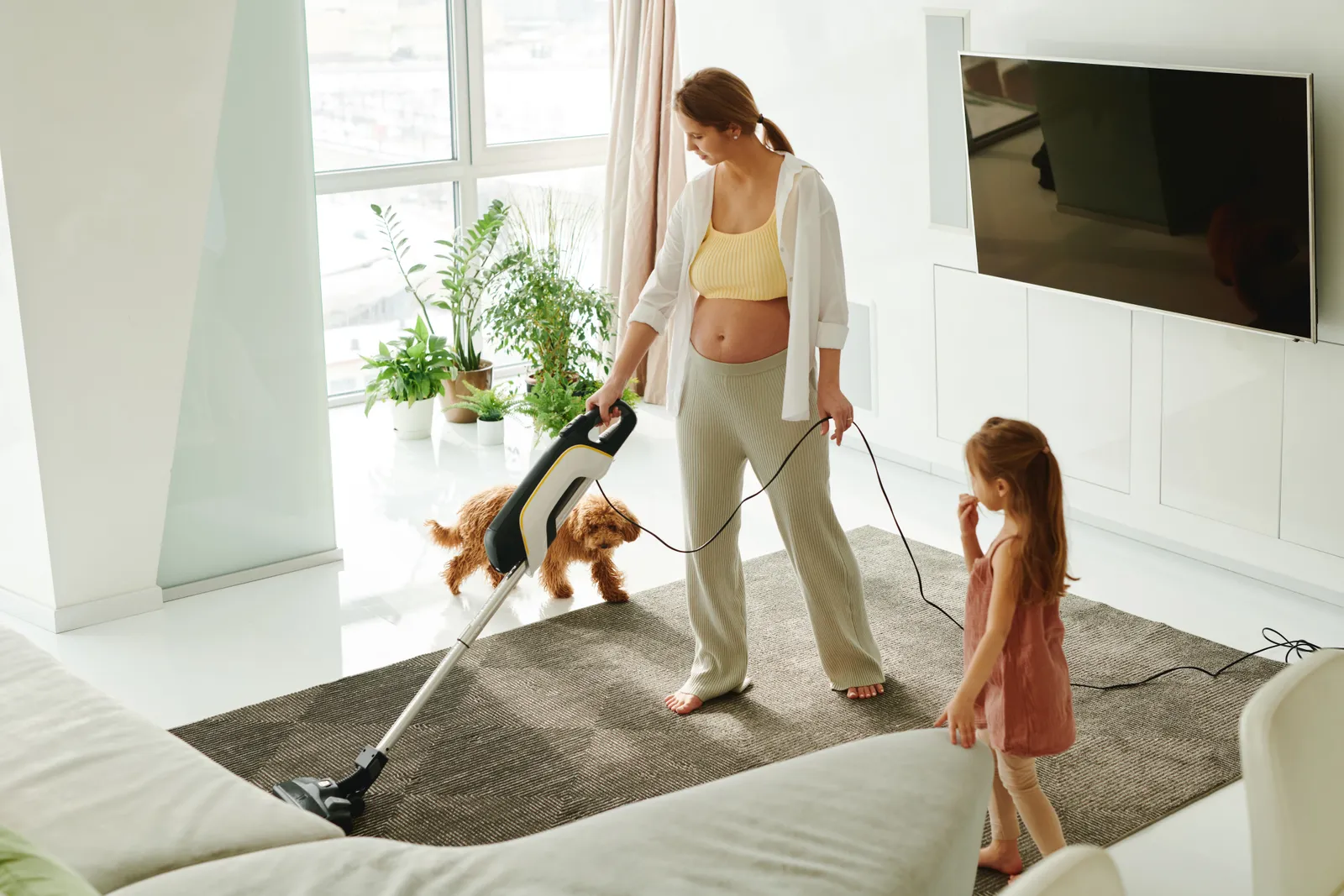
A vacuum kicks up a lot of unusual smells that a dog can detect. While you might only smell the warm scent of a freshly vacuumed living room, your dog will sense dust and old particles that had long since settled under your couch. These aren’t scents they encounter every day, which makes them strange and potentially alarming.
A vacuum tends to blow out hot air, which carries smells with it. It can carry lots of cleaning product debris and dust, which can irritate a dog’s nose. The nose, even more than the ears, is a dog’s primary sense. Disrupting it with a sudden rush of unfamiliar particles adds another layer of distress.
Breed, Sex, and Genetics All Factor In

Some studies suggest certain breeds are more sensitive to noise levels. In one study that looked at noise sensitivity in 17 different breeds, Boxers, Great Danes, and Chinese Crested dogs had lower frequencies of fear caused by noise. So breed genuinely matters when predicting how a dog will respond to the vacuum.
Noises were more likely to scare female dogs than male dogs, and neutered dogs also had higher odds of being afraid of noises than intact dogs. Research has also shown a genetic link to noise sensitivity more broadly. There’s a real biological component here that goes beyond individual experience.
Early Socialization Makes a Lasting Difference
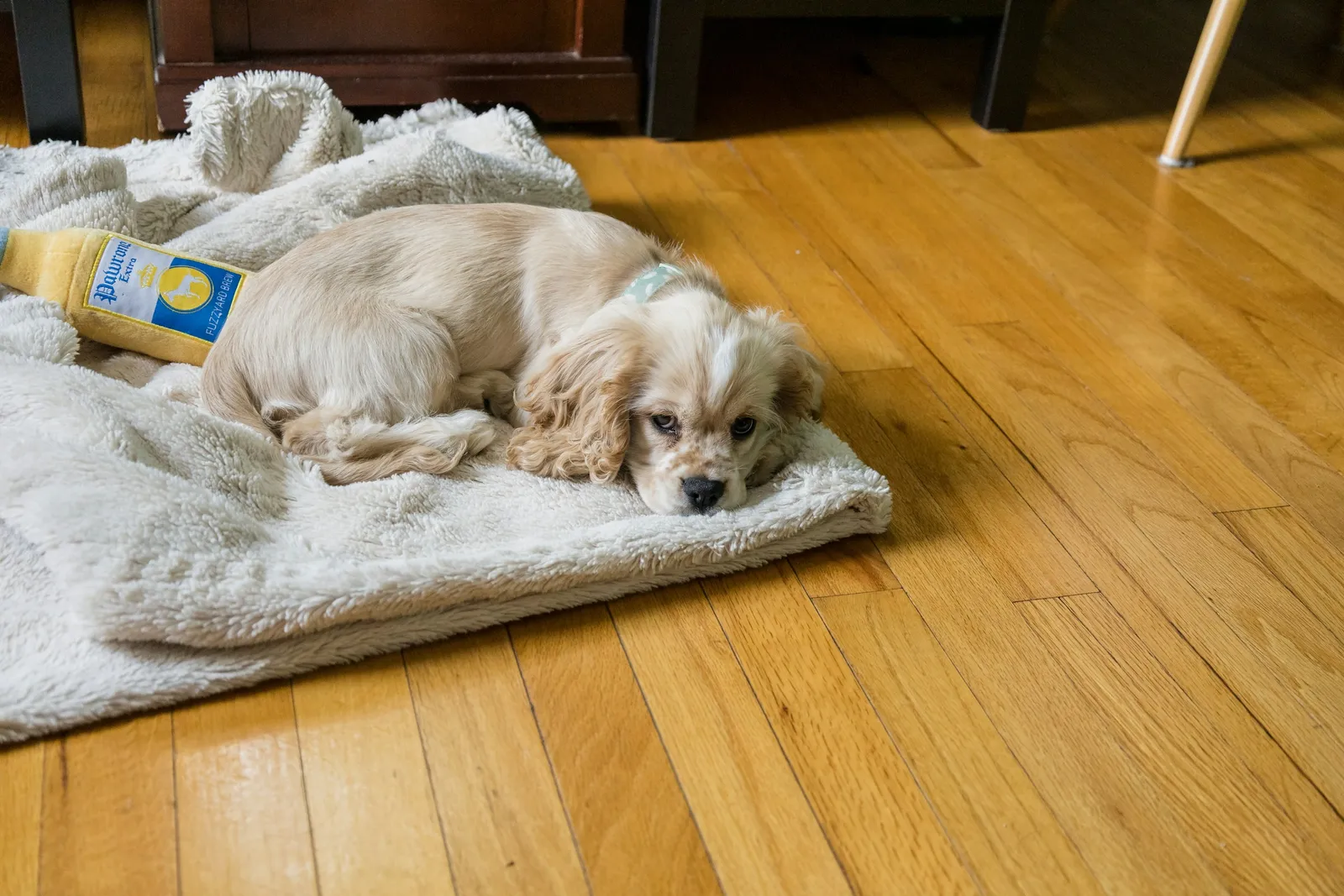
Not introducing a vacuum to a dog early on and in a positive way can lead to fear around it later in life. It sounds odd, but you need to “socialize” your puppy with the vacuum during their socialization stage. That critical window, typically in the first few months of life, shapes how a dog reads ambiguous or novel things for years afterward.
Dogs can hear at much higher pitches than the average human ear, which can increase that fear. Over time, even the presence of the vacuum when it is turned off and making no sound can induce a dog to bark. Once the association is established, the machine doesn’t even need to be running to trigger a reaction.
What Actually Helps: Desensitization and Counterconditioning
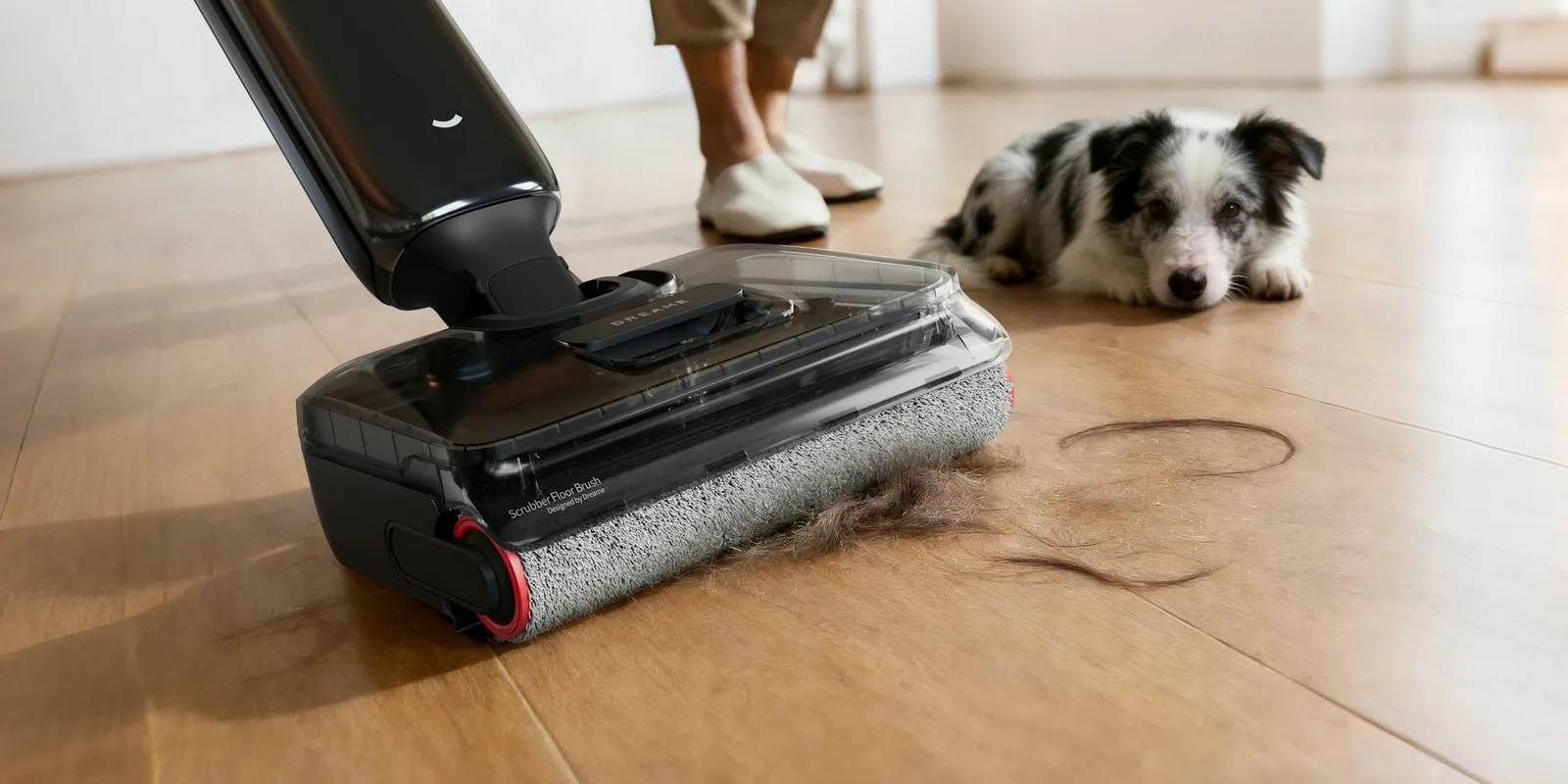
Desensitization and counterconditioning can help dogs learn to stay calm around vacuums. The approach is methodical rather than dramatic. If a dog is scared of vacuum cleaners, start by placing the vacuum in a room with the dog while it’s turned off. Reward the dog for remaining calm near it and repeat until the dog becomes indifferent to its presence.
It’s important not to scold or punish a dog for their reactions to the vacuum. Instead, use positive reinforcement training approaches to help dogs develop new reactions to its presence. Counterconditioning and desensitization are training techniques that help a dog shift their relationship to something they initially find uncomfortable.
If you move too quickly or increase the intensity too soon, you can overwhelm your dog, which might make the problem worse. Start slow and work at your dog’s pace. Patience here isn’t optional. It’s the method itself.
Final Thoughts

What looks like drama is actually a genuinely complex response rooted in biology, sensory experience, and the deep evolutionary past dogs carry with them into modern living rooms. Understanding the reasons behind a dog’s behavior around the vacuum can help manage it more effectively. Whether a dog hides at the first sound of the motor, treats the vacuum like prey, or curiously watches from a safe distance, their reaction is rooted in instinct and sensitivity to noise and movement.
The vacuum isn’t going anywhere, of course. Neither is your dog. The good news is that with consistent, patient training, most dogs can learn to tolerate cleaning day with something closer to calm than catastrophe.
AI Disclaimer: This article was created with the assistance of AI tools and reviewed by a human editor.