

What’s Actually Happening When Fingers Go White
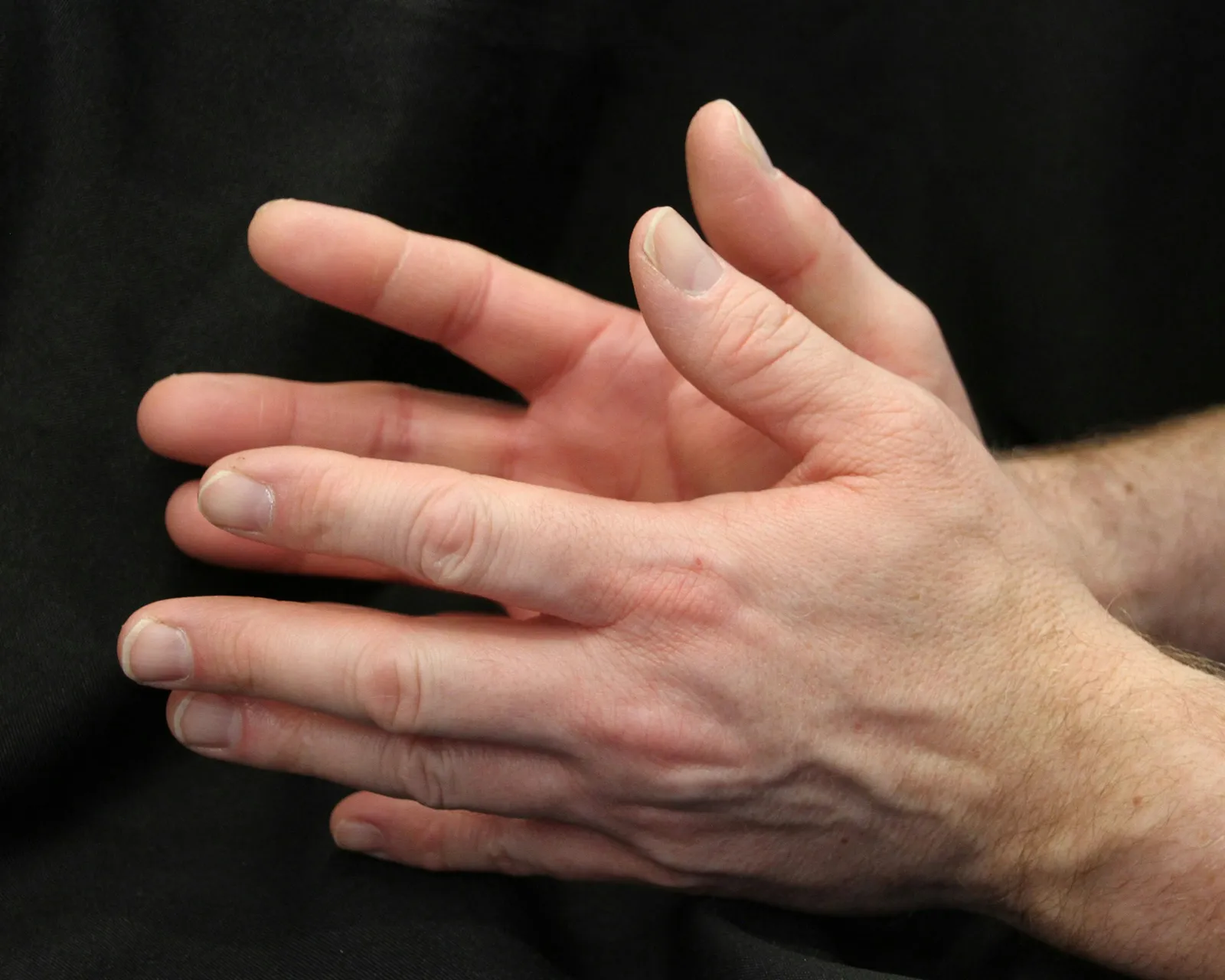
When you step into the cold, your body instinctively prioritizes keeping warm blood circulating to your vital organs. To do that, it narrows the small blood vessels in your extremities, a process called vasoconstriction. Raynaud’s disease causes smaller blood vessels that supply blood flow to the skin to narrow in response to cold or stress. The result is that white, almost bloodless look that can seem alarming at first glance.
Severe vasoconstriction reduces blood flow to the skin of the affected areas, causing the skin surface to feel cold to touch and to have a white color – the pale white color is due to virtually no blood flow reaching the skin. For most people, this is a normal and temporary response that corrects itself once the fingers warm up. The body’s thermoregulation system is simply doing its job.
The Three-Color Sequence That Signals Something More
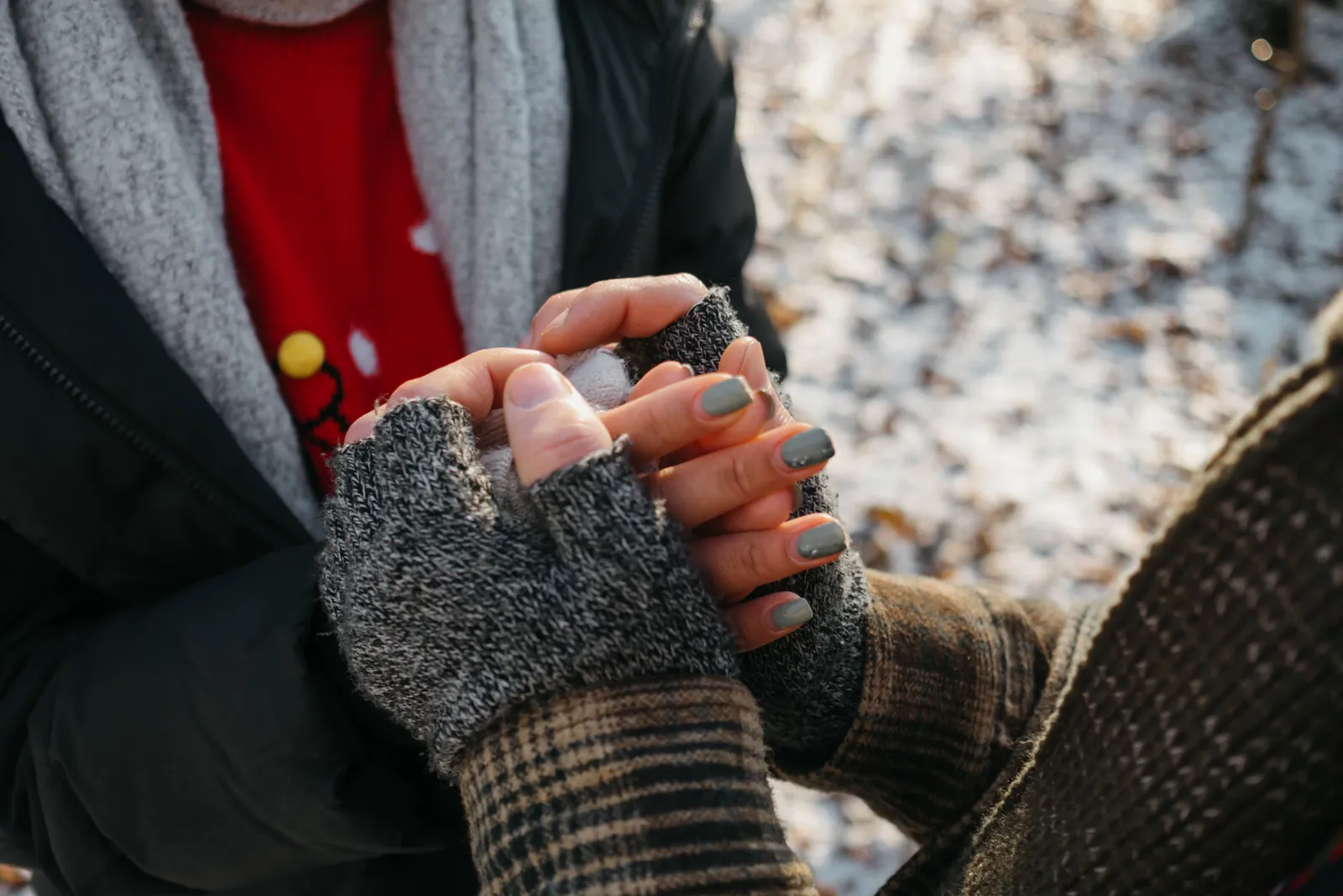
A normal cold response typically stays white and then fades back to your usual skin tone. But when fingers progress through a distinct three-phase color change, doctors pay closer attention. The classic three-phase color progression occurs over roughly 15 to 20 minutes: white from vessel constriction, blue from oxygen deprivation, then red with throbbing as blood flow returns.
At first, the affected areas may appear blue because of decreased oxygen, then turn white as the skin tissue uses up the remaining oxygen, and finally, the skin turns red once the vessels dilate and the blood rushes back. That final red flush can come with a burning or throbbing sensation that many people find more painful than the initial cold itself.
Raynaud’s Phenomenon: When the Body Overreacts
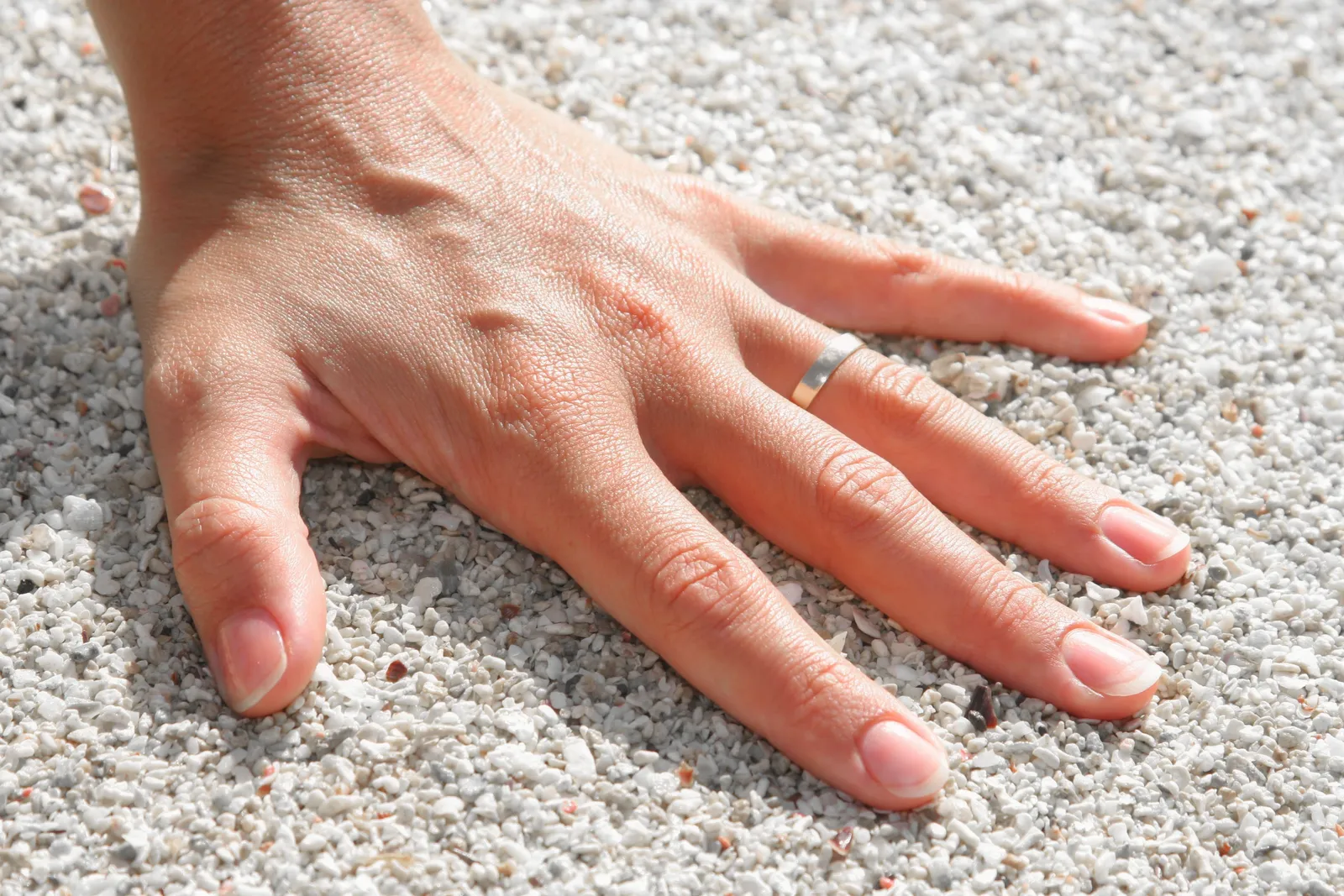
Raynaud’s phenomenon is a condition where small blood vessels overreact to cold temperatures by spasming and constricting, temporarily reducing blood flow. It’s not simply being cold-sensitive. The vascular response is exaggerated well beyond what the temperature actually demands, and it can be triggered even by mild chills or emotional stress.
This disorder causes exaggerated vasoconstriction in response to cold or stress, leading to episodes where fingers and sometimes toes, ears, or nose turn white, blue, and then red as blood flow returns. The most common skin finding is pallor of the distal fingers lasting approximately 20 minutes, which may lead to cyanosis, followed by reactive hyperemia presenting as erythematous areas. Usually these attacks begin with one finger and spread to the others but spare the thumb.
How Common Is It, Really?
Also known as Raynaud’s syndrome or Raynaud’s phenomenon, the condition is common, affecting roughly 3% to 5% of adults worldwide, and it is more common in females than in males. In some community-based studies, the numbers run higher. Higher population estimates have been reported in some community-based studies, with figures reaching up to 14% in men and 20% in women.
Raynaud’s affects approximately 10 million people in the UK alone, and despite the number of people affected, not enough research has been done, and it is often dismissed as just “cold fingers.” A 2025 PubMed study using England’s Clinical Practice Research Datalink found 158,449 Raynaud’s cases recorded in 2023, with older individuals and females most likely to develop the condition.
The Gender and Age Picture

More women, especially teens through around age 30, experience Raynaud’s than men, which suggests that estrogen may play a role in the phenomenon. Research published in 2025 confirms this further. Estrogen upregulates the expression of the alpha-2C adrenergic receptor, which is the sole mediator of local cold-induced vasoconstriction, and this explains the higher incidence in females.
The prevalence of primary Raynaud’s ranges from 2 to 20% in women and 1 to 12% in men depending on geographic location. Primary Raynaud’s in women typically begins at an early age, with genetics, hormonal factors, and emotional stressors playing a potential role. Participants in a large 2024 survey first developed symptoms at a median age of 18, and many reported a family tendency toward the condition, with nearly two in five having an affected first-degree relative.
Primary vs. Secondary: A Critical Distinction
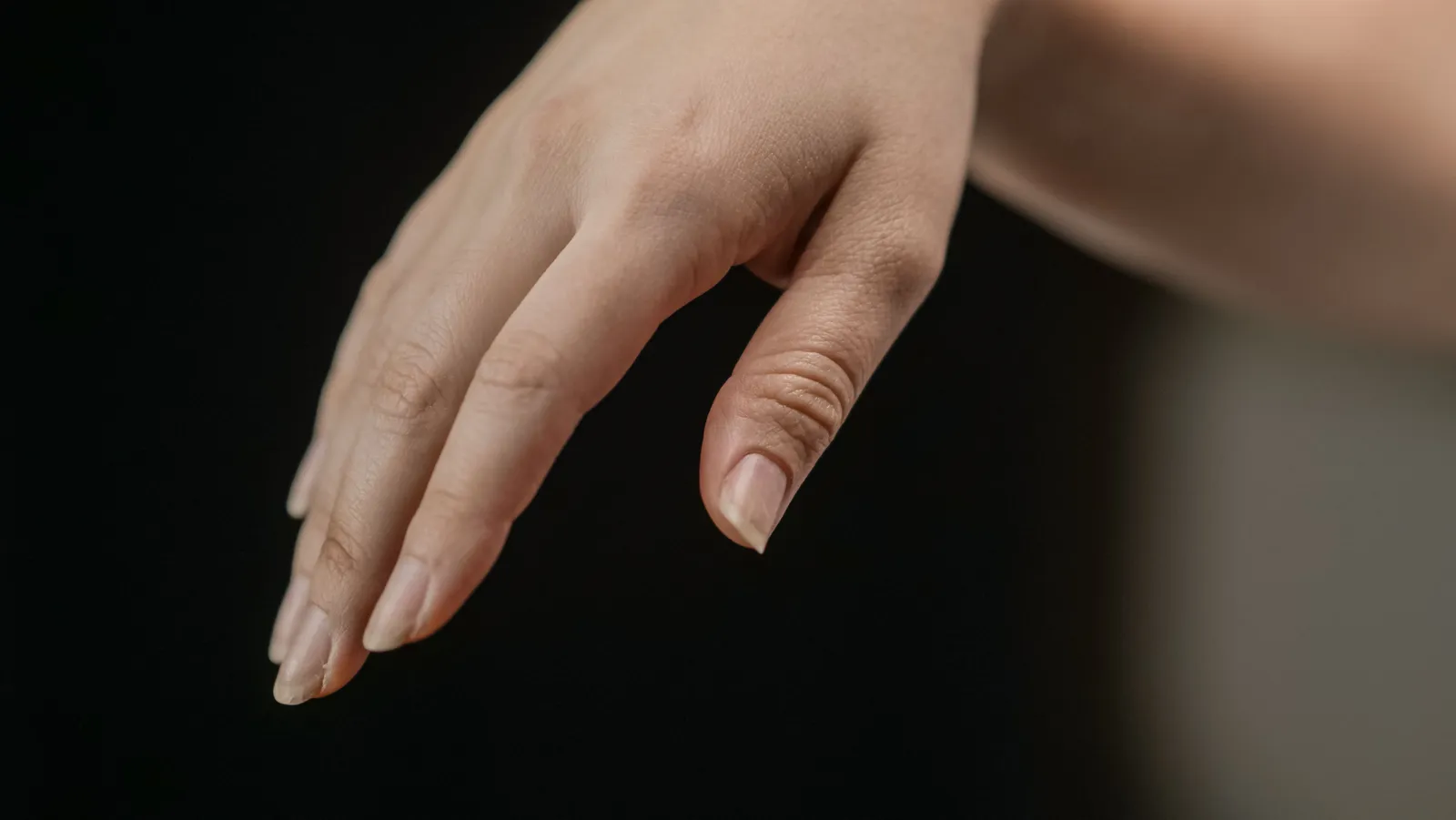
Primary Raynaud’s is the most common form, accounting for roughly 90% of those with symptoms, and isn’t linked to any underlying health issues. Although people might experience discomfort while their fingers are numb and cold, it’s fairly harmless. Doctors haven’t identified any particular reason why this happens.
Primary Raynaud’s, accounting for 80 to 90% of cases, is characterized by reversible vasospasm in peripheral arteries without underlying disease. Secondary Raynaud’s, by contrast, develops in association with an underlying disorder and often involves structural vascular abnormalities and irreversible vascular occlusion. That structural damage is what makes secondary Raynaud’s a genuinely different condition, not just a more severe version of the same thing.
The Autoimmune Connection
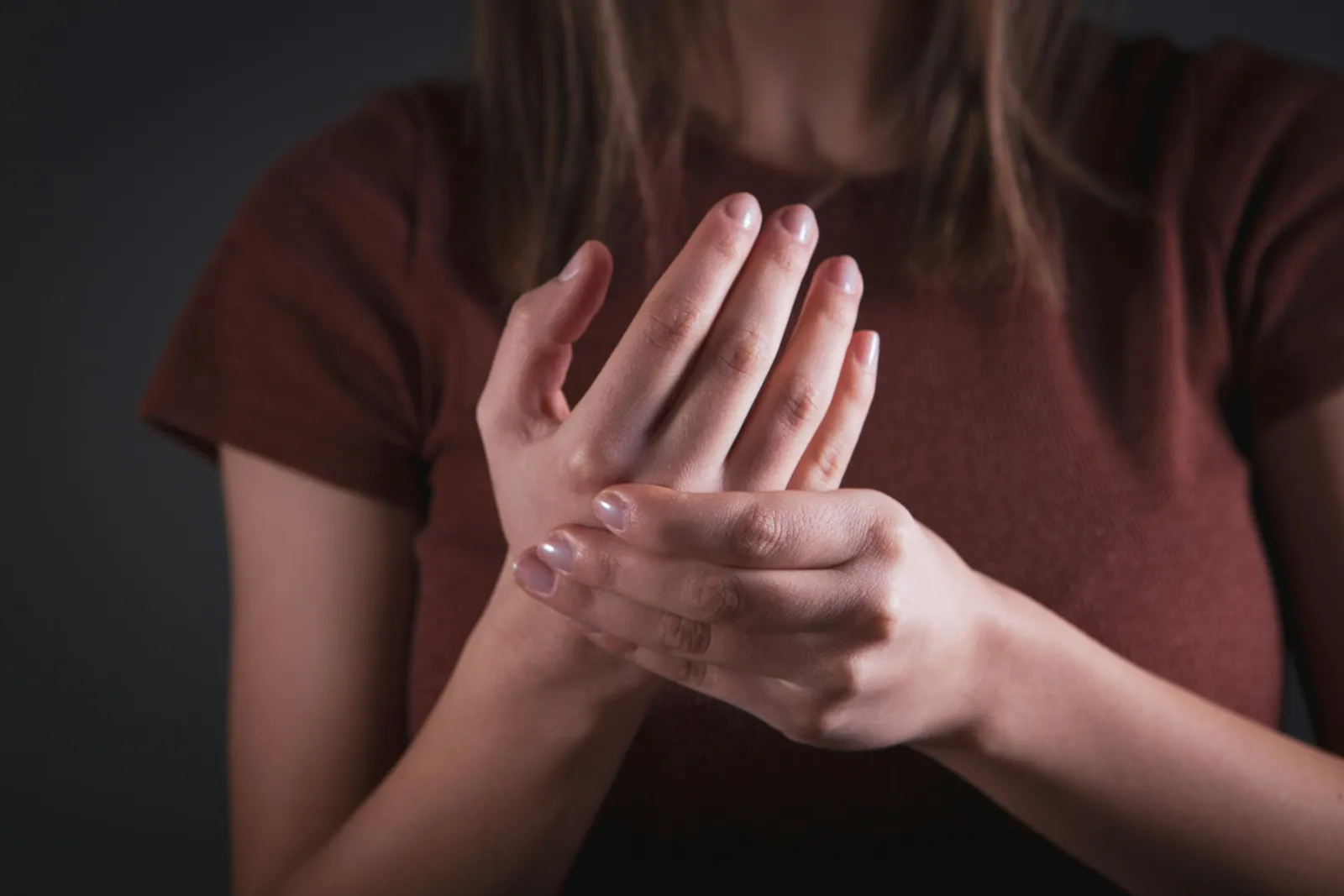
The most common autoimmune association with Raynaud’s is progressive systemic sclerosis, occurring in roughly 90% of individuals with scleroderma, and also mixed connective tissue disease, where prevalence reaches around 85%. Autoimmune conditions like lupus, Sjögren’s syndrome, and rheumatoid arthritis are also frequently linked to secondary Raynaud’s.
Progression to secondary Raynaud’s occurs in roughly 14 to 37% of subjects originally diagnosed with primary Raynaud’s. Almost 99% of patients who progress to secondary Raynaud’s develop an autoimmune disease, most commonly systemic sclerosis. Risk factors for progression include a positive antinuclear antibody test, SSc-specific autoantibodies, and abnormal nailfold capillaroscopy.
When Doctors Start to Worry: Red Flags to Know
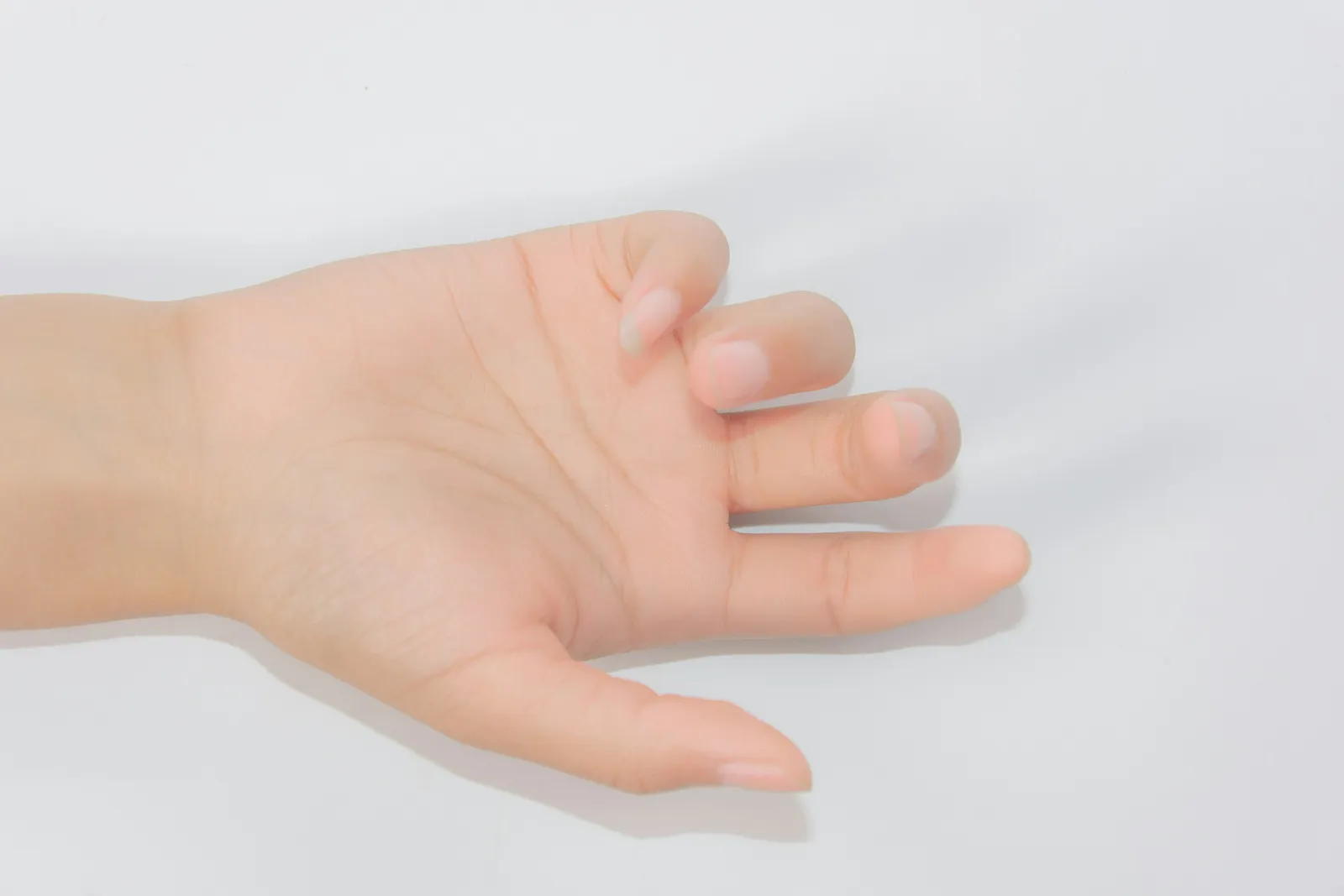
Secondary Raynaud’s phenomenon should be suspected in the presence of late onset, rapidly progressive or asymmetric symptoms, thumb involvement, abnormal pulses, digital ulcers, pitting scars, gangrene, puffy fingers, or other signs of systemic disease. These are not subtle signs. They push the conversation well beyond cold-weather sensitivity.
A doctor visit is warranted if symptoms are very bad or getting worse, if Raynaud’s is significantly affecting daily life, if symptoms appear only on one side of the body, if there is accompanying joint pain, skin rash or muscle weakness, or if someone is over 30 years old and is experiencing Raynaud’s symptoms for the first time. Persistent cyanosis, severe rest pain, a new ulcer, or gangrene are acute warning signs and must not be managed as uncomplicated Raynaud’s phenomenon.
What the 2024 Survey Revealed About Daily Life
In 2024, more than 4,200 people living with Raynaud’s shared their experiences through a survey as part of the SRUK Be Part Of The Answer Campaign. The findings painted a clear picture of how disruptive the condition can be in practice. Almost half of respondents reported having between two and five attacks per week, with the most common episode length being between five and 25 minutes, though for some people an attack can last over an hour.
Color changes, particularly the white, blue, and red sequence, were the most consistently reported symptoms, accompanied by numbness in nearly nine out of ten respondents and feeling cold in more than four out of five. Conditions commonly co-occurring with Raynaud’s included acid reflux and puffy fingers. These comorbidities matter clinically, as they may point toward an underlying connective tissue disorder that deserves investigation.
Treatment Options and What Actually Helps
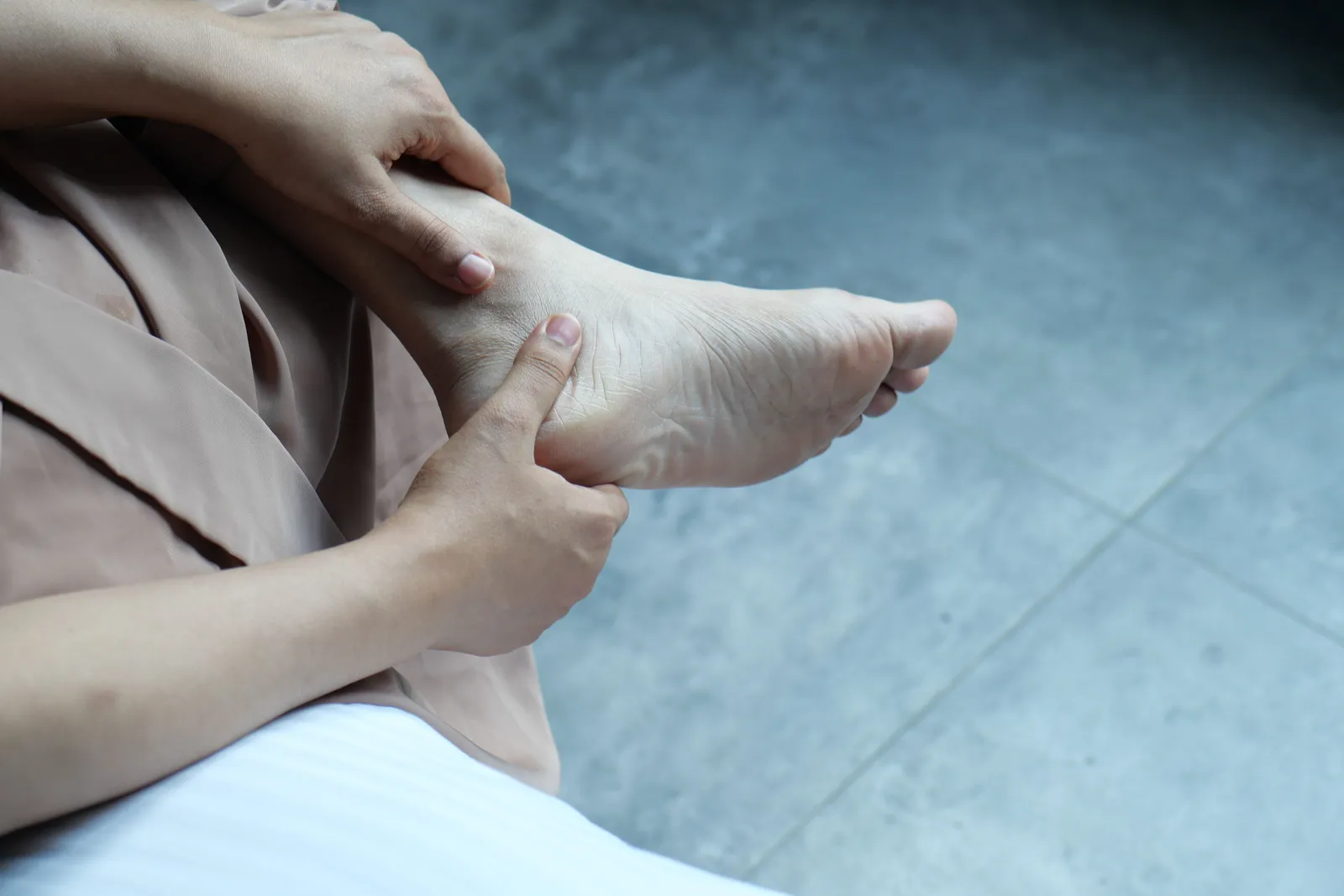
For primary Raynaud’s, management is mostly about smart habits. Practical steps include managing stress, wearing warmer clothes during cold weather, avoiding cold air conditioning or frozen areas such as the frozen food aisle at the grocery store, and avoiding touching cold surfaces. These adjustments, modest as they sound, genuinely reduce the frequency and severity of attacks for many people.
When symptoms are more serious, medications come into play. If someone has secondary Raynaud’s, a doctor might prescribe medicines to control blood pressure and relax blood vessels. Intravenous iloprost is recommended for severe secondary Raynaud’s that has not responded to oral treatment, and for digital ulcers or threatened ischaemia. In the most extreme cases, a doctor may recommend a procedure that cuts or blocks the tiny nerves near the affected blood vessels, preventing the blood constriction that causes symptoms.
The Takeaway
White fingers in the cold are, for most people, nothing more than a sharp reminder of how effectively the body guards its core temperature. The physiology is normal, the response is automatic, and warming up fixes it quickly. But when the pattern becomes frequent, dramatic, painful, or accompanied by other body-wide symptoms, it deserves a proper look.
Raynaud’s phenomenon sits in an interesting medical space: common enough to be easily dismissed, yet closely tied in some cases to serious underlying disease. The key is learning to read the signals your own body sends. Pale fingers that warm up in minutes after coming inside are rarely cause for alarm. Fingers that cycle through white, purple, and red on a daily basis, especially after age 30 or alongside joint pain and fatigue, are a reason to have a conversation with your doctor rather than simply add another layer of gloves.
AI Disclaimer: This article was created with the assistance of AI tools and reviewed by a human editor.