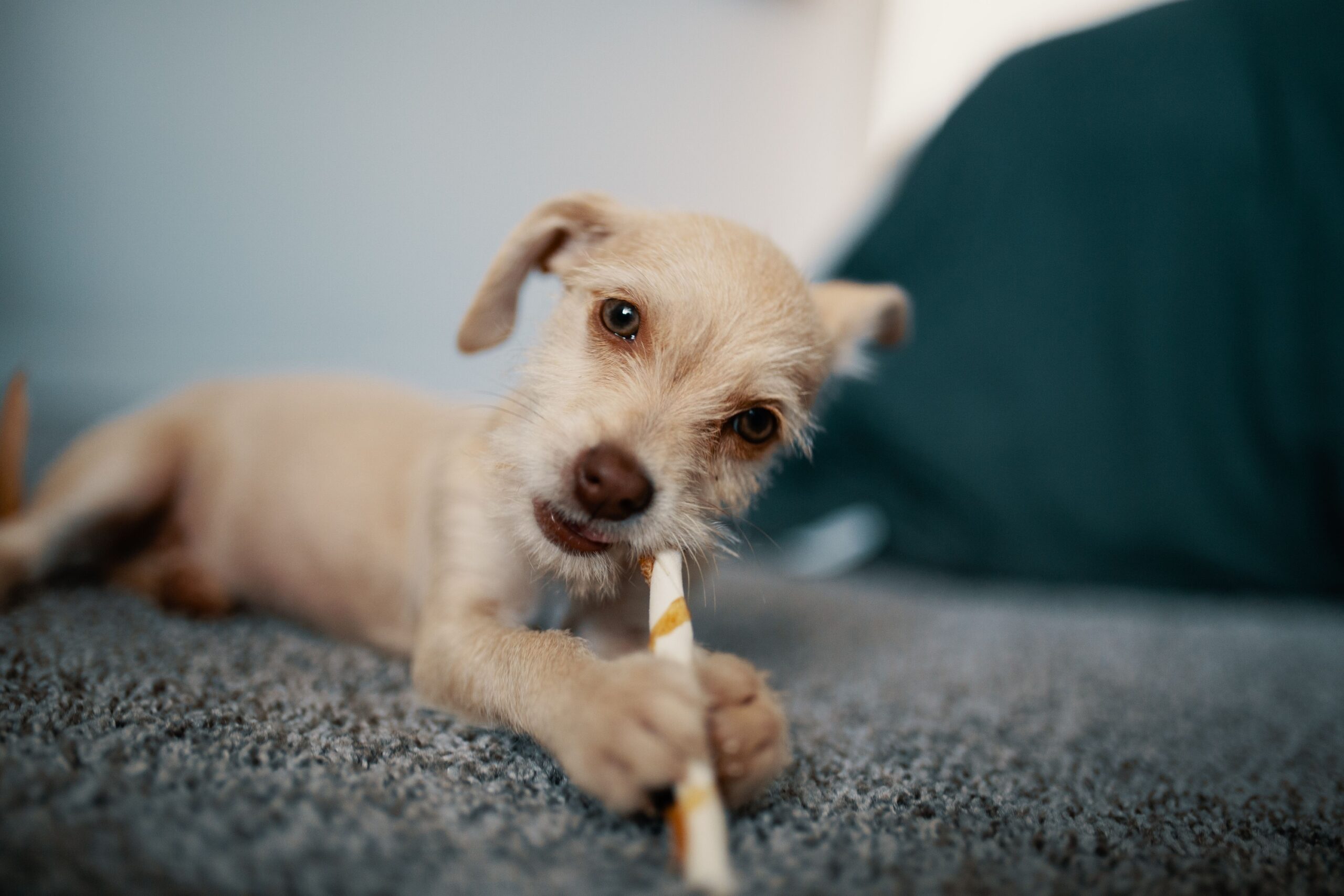

It’s Called “Cobbing” – and It Has a Name for a Reason
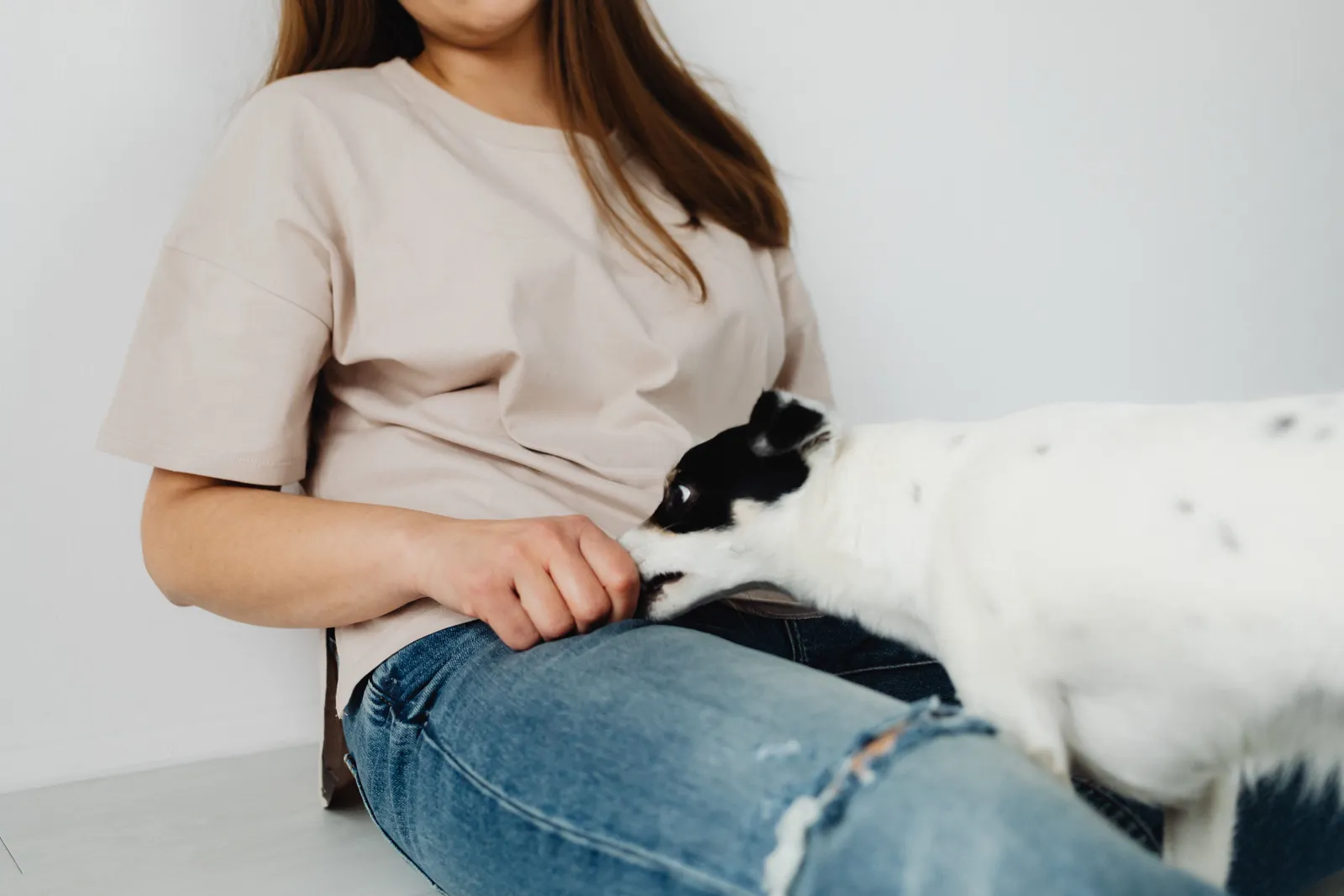
Nibbling, or “cobbing,” refers to a dog gently chewing with their front teeth. The term may have been coined because the dog’s nibbling resembles a human nibbling on a corn cob. It’s a specific, recognizable motion that’s distinct from anything aggressive.
Dog nibbling refers to light, repetitive contact using the front teeth rather than a full bite, and many owners describe it as a soft chewing or tiny pinching motion. Cobbing is generally harmless and often a form of communication or expression.
A Sign of Genuine Affection
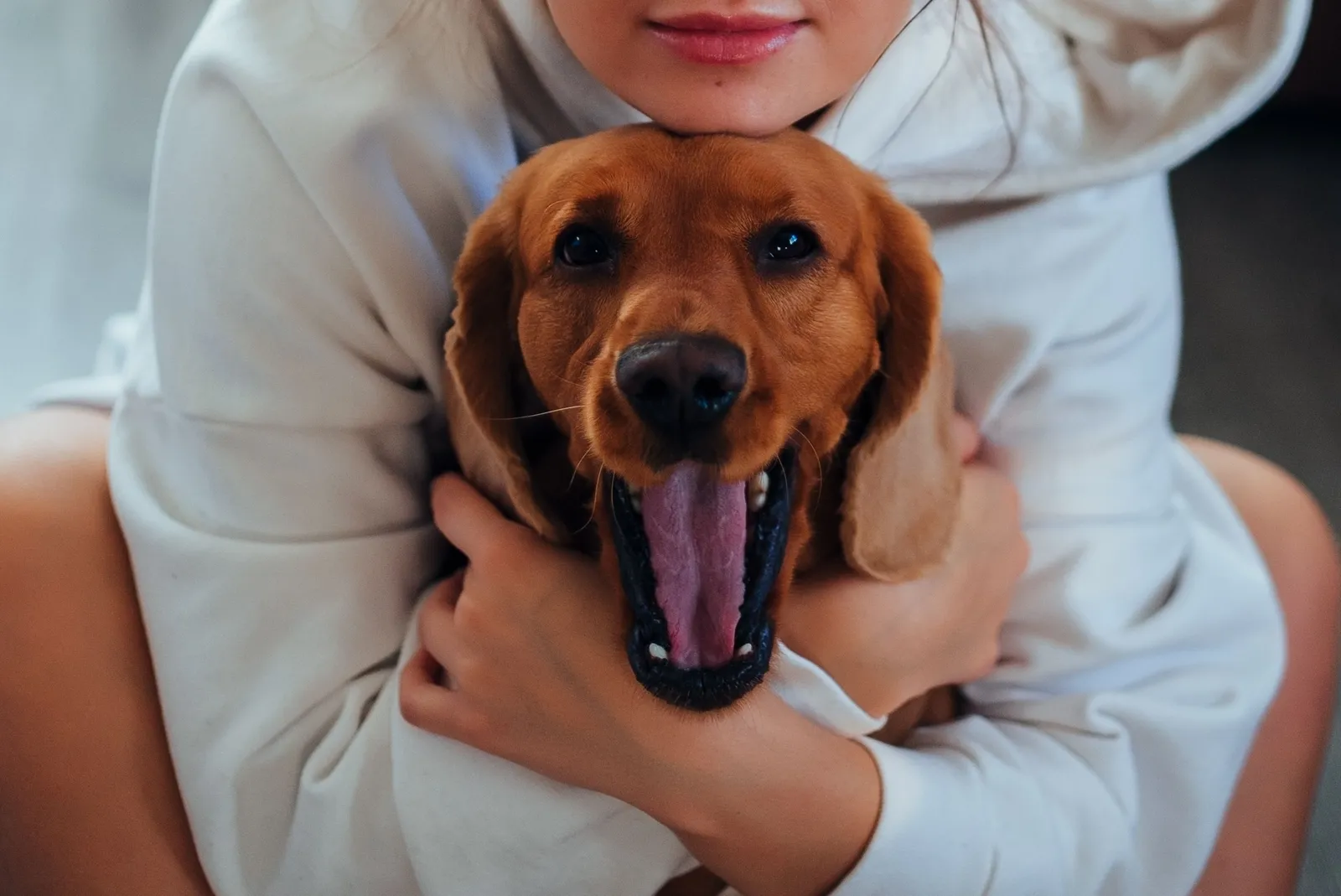
Sometimes dogs nibble with their front teeth as a way to show affection, similar to how humans might give a gentle hug, and this behavior is often seen when dogs are feeling particularly close to their owner or another dog.
Certified dog behavior consultants consider cobbing to be “perfectly normal” and suggest that it indicates your pup feels safe with you and sees you as part of their family. That kind of ease and comfort doesn’t come from a dog who is stressed or fearful. When your dog nibbles you gently, it’s a quiet vote of confidence.
Grooming You Like a Pack Member
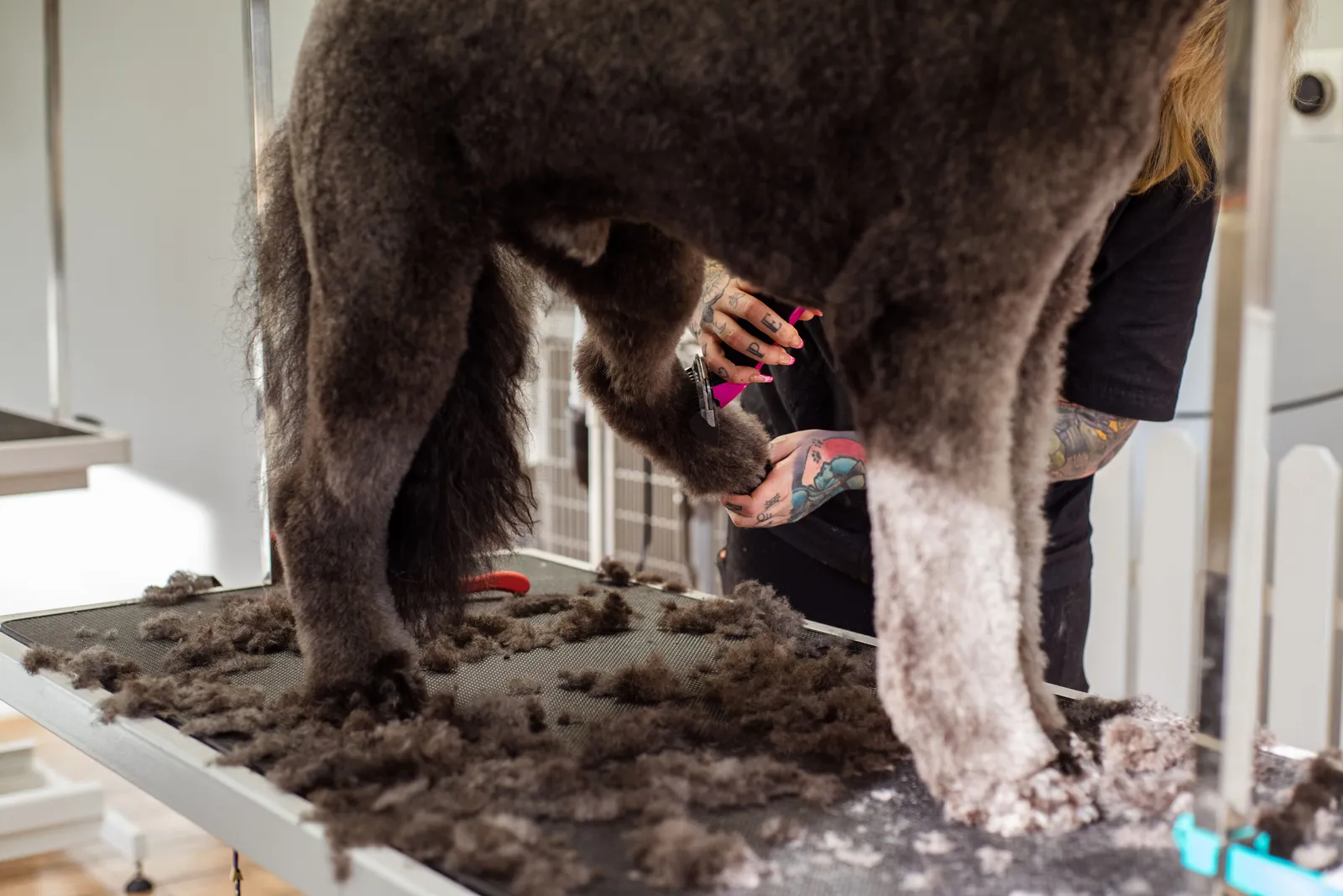
Dogs use their front teeth to nibble as a form of grooming, a behavior they’ve inherited from their ancestors. In the wild, dogs and wolves nibble on each other’s fur to remove dirt, debris, and parasites. When your dog gently nibbles on you, it can be a sign of affection and their way of “cleaning” you as part of their pack.
Some dogs see humans as part of their social group, so they may gently nibble with their front teeth to mimic the same grooming behavior they show toward animals they care about. Gentle nibbling mimics grooming behavior that dogs use with other pets in their pack, and this type of grooming is a form of communication that reflects trust and bonding.
Their Front Teeth Are Designed for Precision
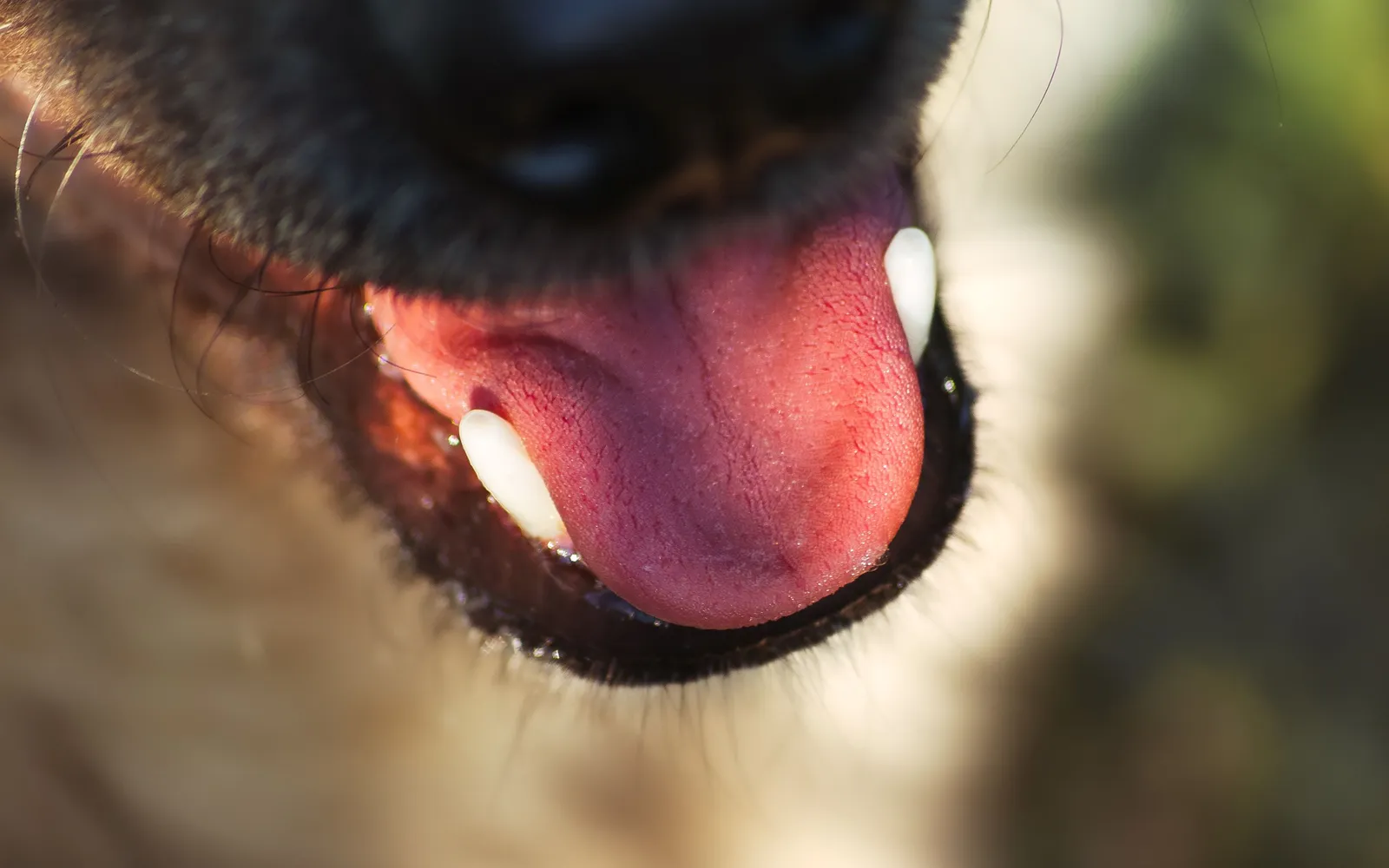
Why dogs nibble with their front teeth often comes down to precision and control. These teeth allow dogs to groom fur, remove debris, or gently interact without causing pain. The incisors are simply the right tool for the job.
Dogs use their mouths for more than eating and exploring the world. When your dog nibbles at you with its incisors, those small teeth at the front of its mouth, it’s often engaging in one of several instinctual activities. The fact that they choose those teeth specifically shows a level of deliberate gentleness.
Puppies Nibble to Cope With Teething
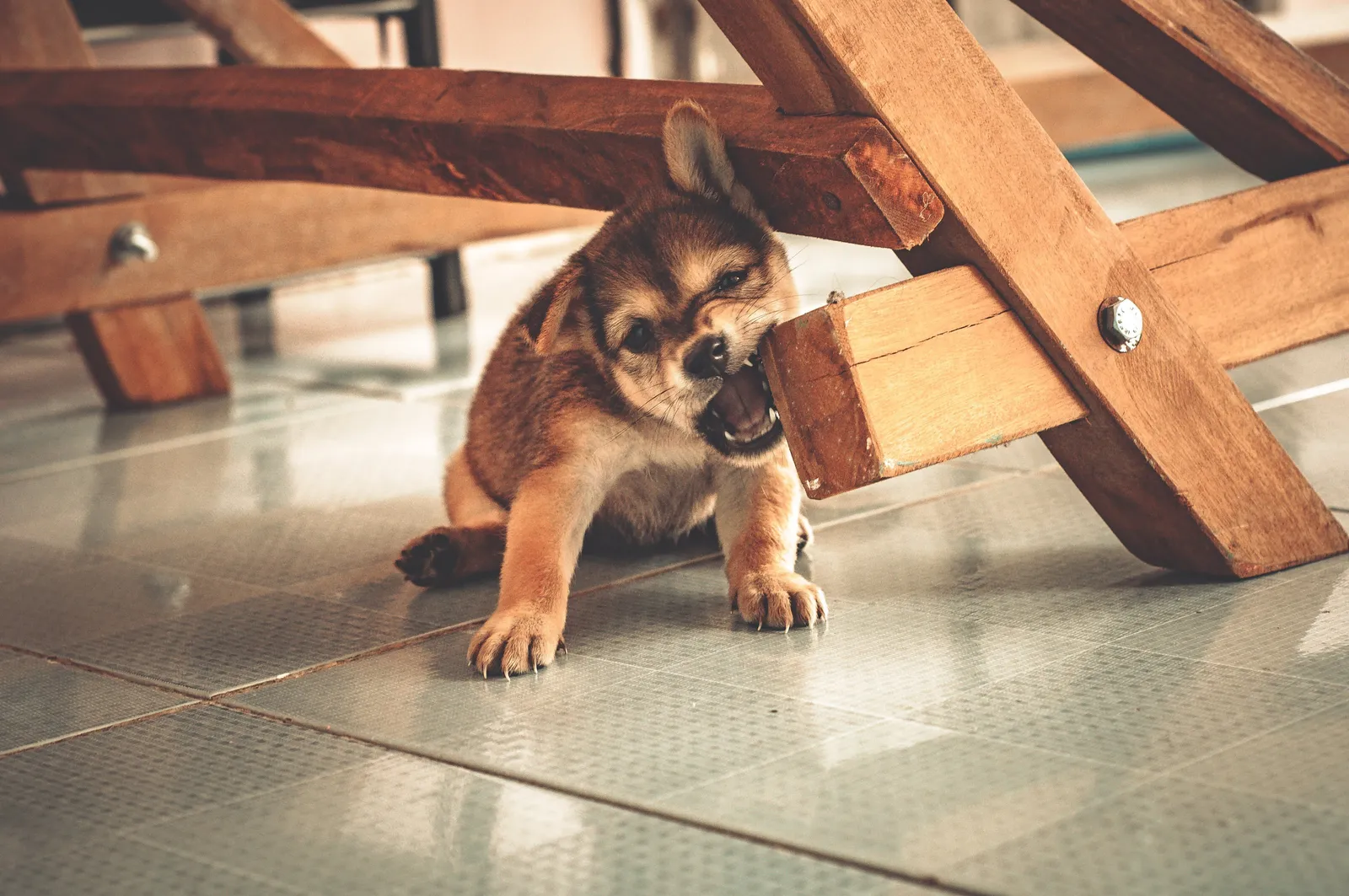
If you’ve had a puppy, you know how much they love to nibble on everything. This is often due to teething, which can be uncomfortable and even painful for young pups. Nibbling with their front teeth helps soothe their sore gums and relieve some of the discomfort.
For puppies, nibbling can relieve the discomfort caused by emerging teeth, and offering appropriate chew toys can help redirect this behavior. It’s worth remembering that this phase is temporary, though the gentle nibbling habit can persist well into adulthood if it earns positive attention.
It’s How They Invite You to Play
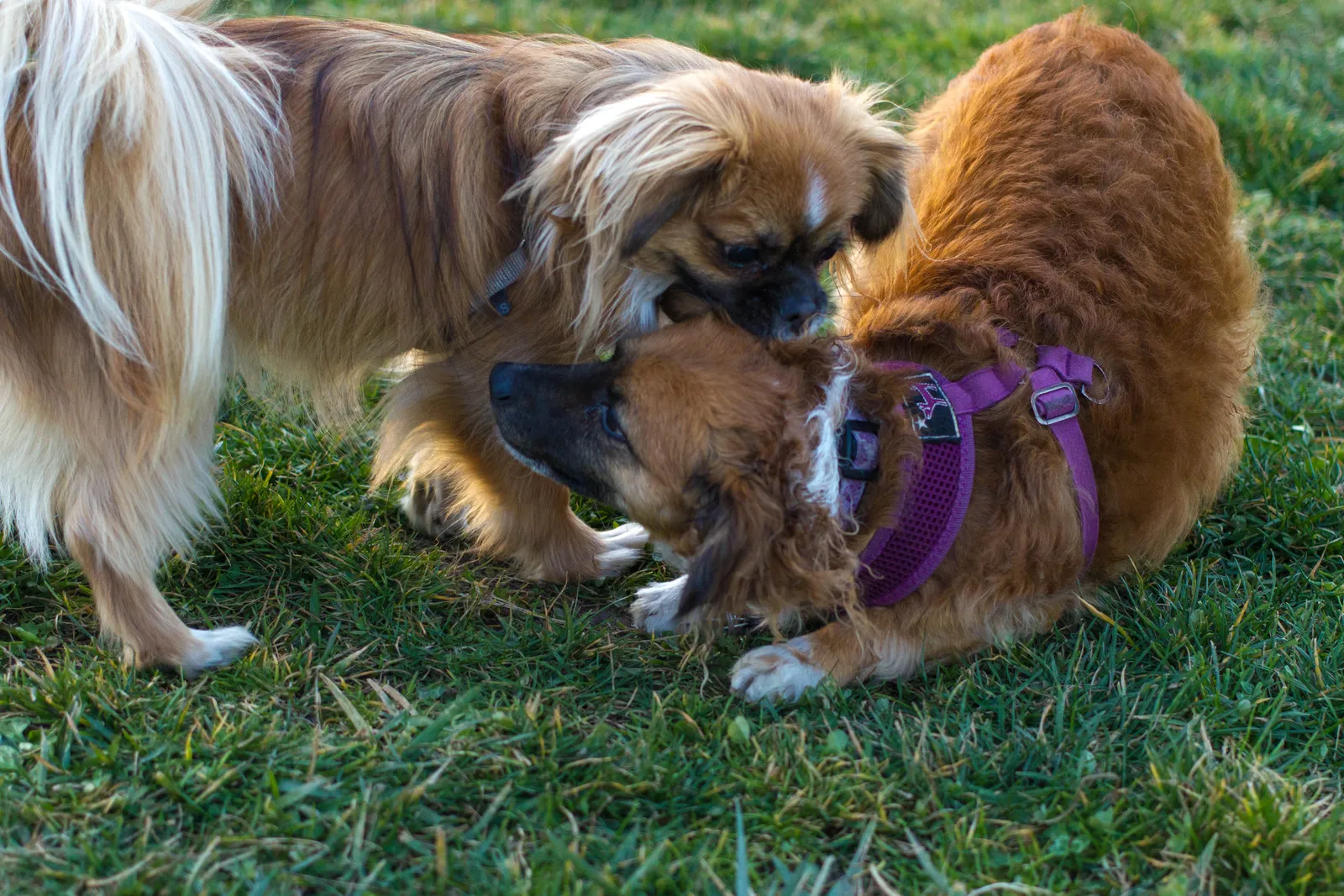
Dogs frequently nibble each other as part of play, and a giant breed puppy may gently nibble up and down the side of another dog’s body to invite play. When directed at a human, the same intention often applies.
During playful interaction, a dog may nibble you with their front teeth as a form of communication and affection, and this behavior is often seen during interactive play and is a natural instinct in dogs. If a dog nibbles gently during a play session, it’s likely a sign of enjoyment and a desire to continue the interaction.
Breed Instincts Play a Bigger Role Than Most Owners Realize
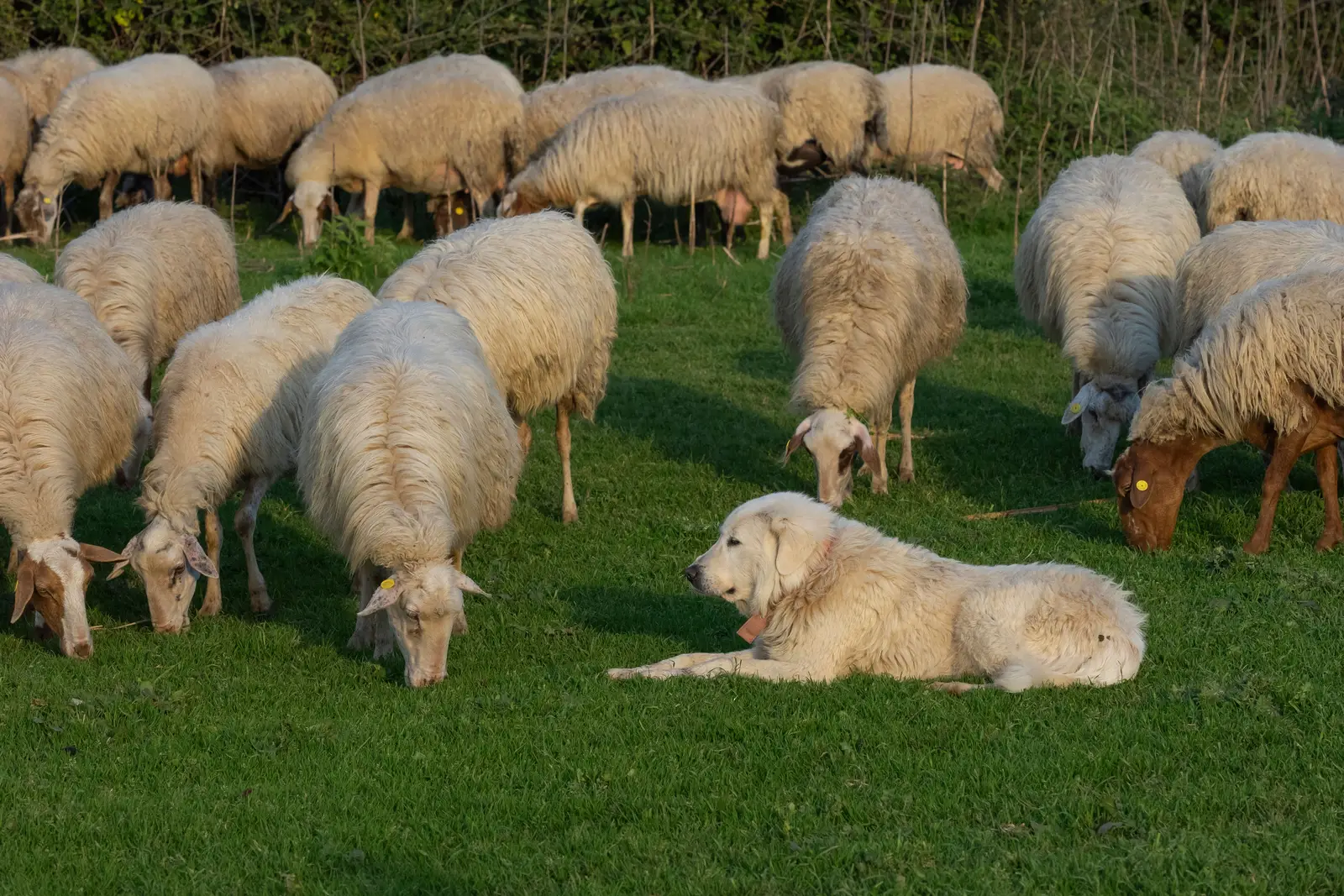
The prevalence of nibbling behavior among certain breeds, particularly herding dogs like Australian Shepherds, stems from their historically selected working traits. These breeds were specifically developed to control livestock movement through gentle nipping behaviors, and this deeply ingrained instinct remains active in modern domestic settings.
Herding dog breeds known to nip include Australian Cattle Dogs, Border Collies, Cardigan Welsh Corgis, and Miniature American Shepherds. In Greyhounds, nibbling involving human skin is referred to as “nitting,” and according to the Newsletter of Greyhound Welfare, it consists of nibbling on a human’s skin as a sign of great happiness and is not aggressive, though it can sometimes be hard enough to cause a bruise.
A Way to Manage Anxiety or Overstimulation
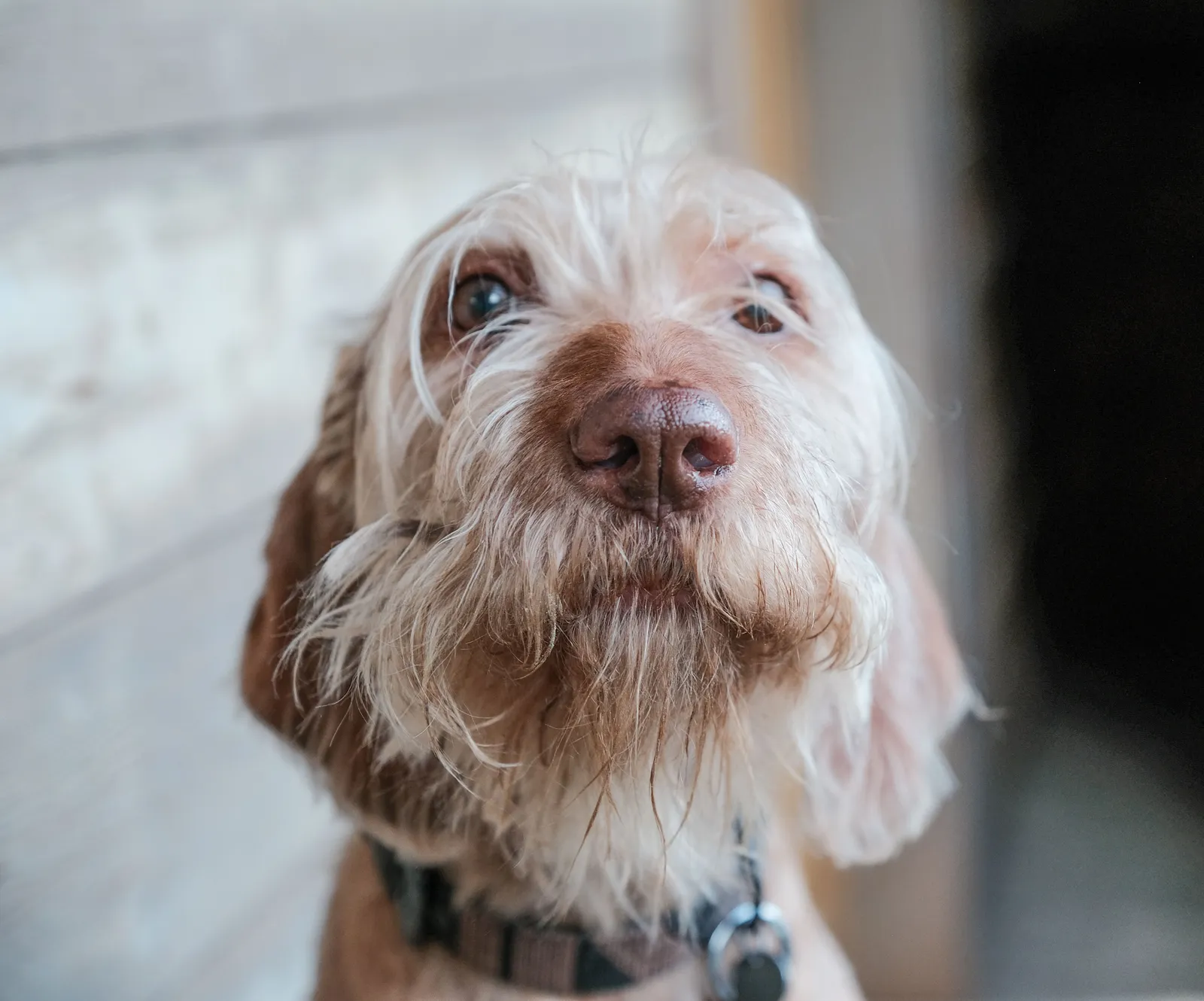
Cobbing often shows up when a dog is overstimulated, emotionally conflicted, or excited and trying to regulate themselves. It doesn’t necessarily mean your dog is anxious all the time but does suggest they’re trying to manage a big feeling in that moment.
Nibbling with the front teeth may also be directed toward an object, such as a blanket, when a dog is feeling anxious. The behavior has been compared to self-soothing behaviors in humans, much like thumb-sucking or fidgeting. That framing helps put it in perspective for owners who might otherwise worry.
Seeking Attention – and Learning It Works
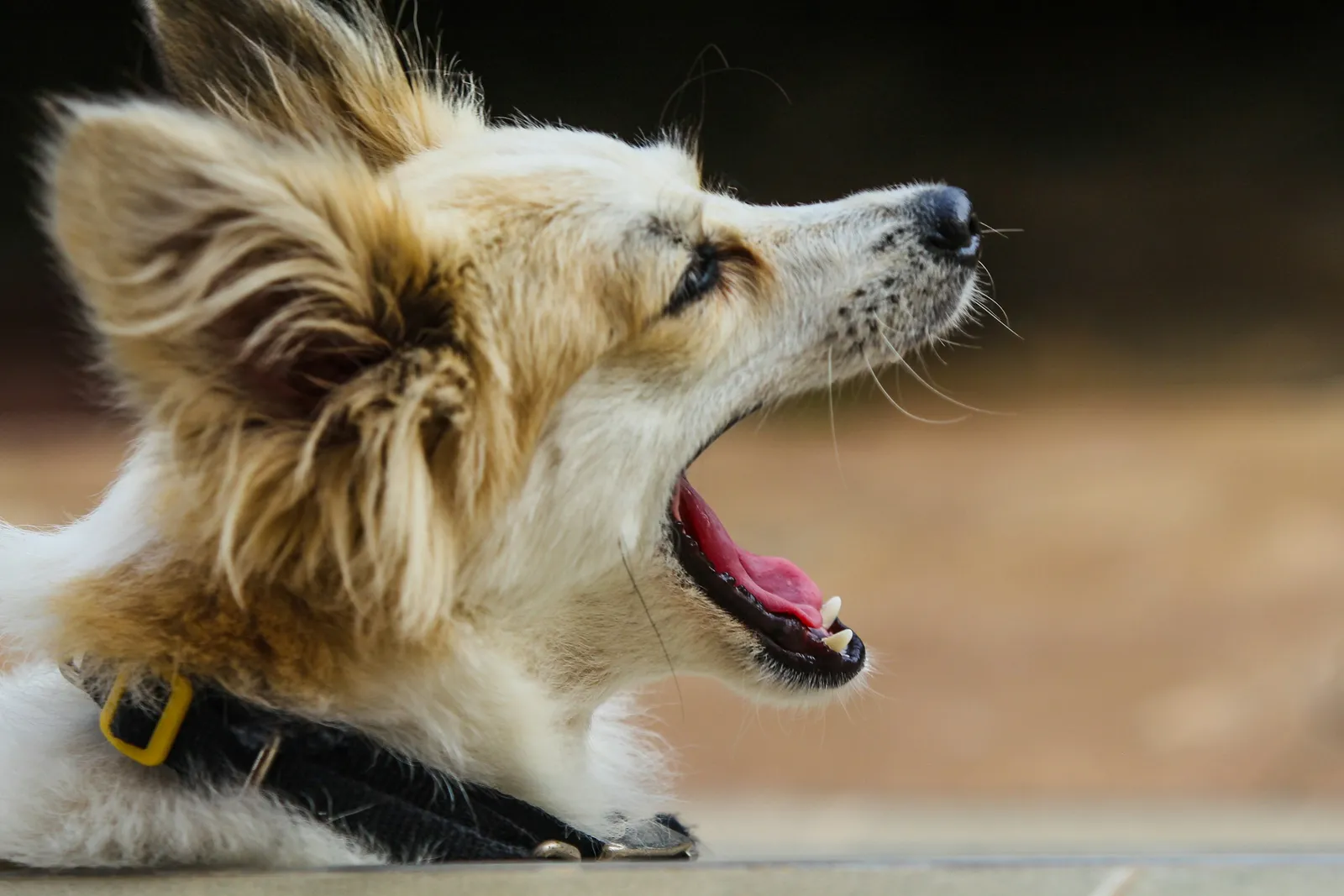
When dogs nibble, they may indicate that they need or want something from their owners, such as going outside or wanting a treat, and they understand that it gets attention. Dogs are quick learners about what produces results.
If you react positively or give your dog attention when it nibbles, it might learn that nibbling is a good way to get your focus, pets, or cuddles. Cobbing can become particularly problematic if your dog uses it to get attention and receives positive reinforcement for doing so. This doesn’t make it a bad behavior by default, but it’s worth staying aware of the loop you might be reinforcing.
When to Take Notice and Redirect
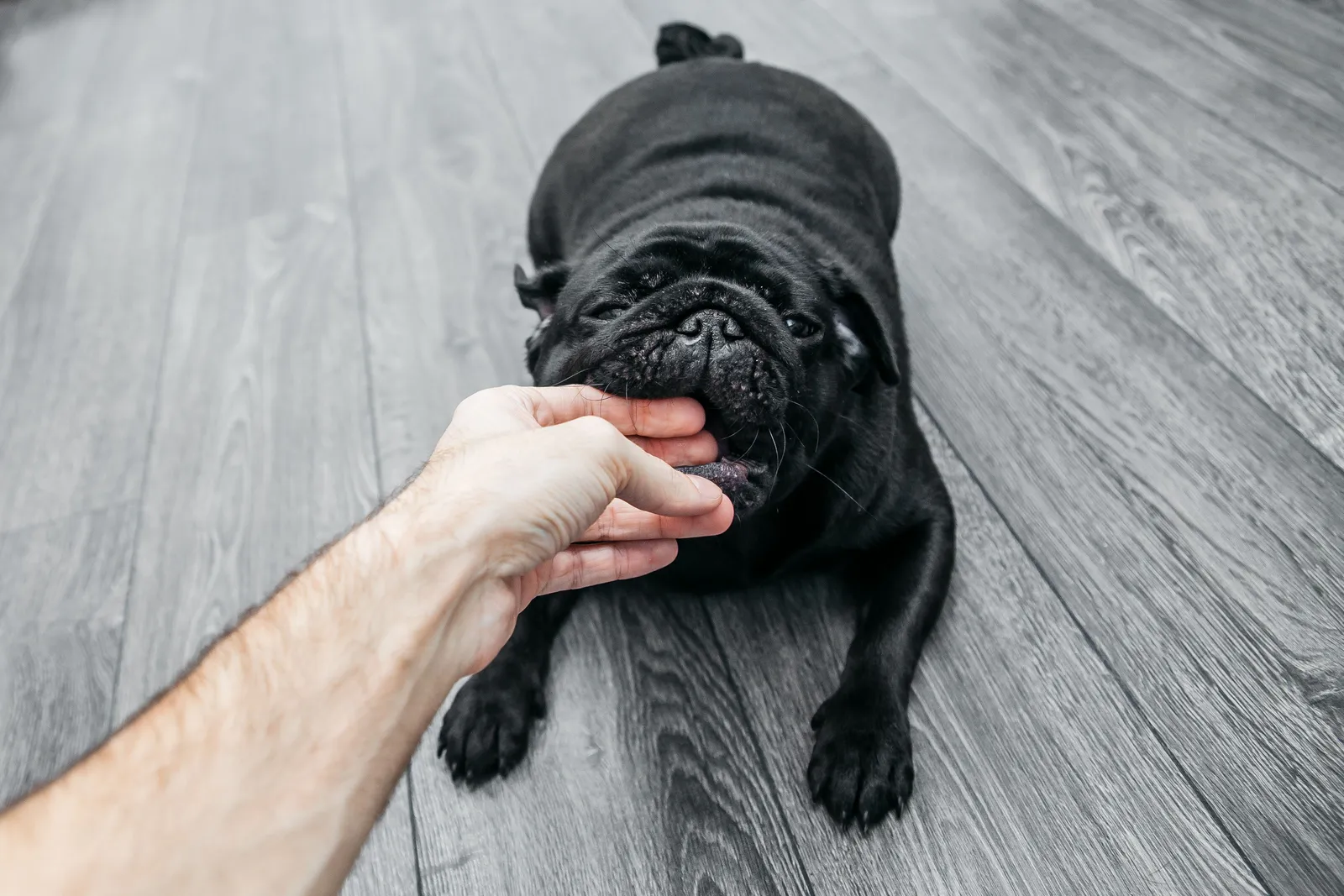
Cobbing can occasionally become excessive or problematic. If your dog begins cobbing frequently or starts nibbling forcefully enough to cause discomfort or skin irritation, it might be a sign of an underlying issue.
Behavior can be an important indicator of health and welfare in companion dogs. Behavioral change can signal transitions in life stages, alert caretakers to potential illnesses or injuries, and is an important factor in understanding and measuring stress. Positive reinforcement, appropriate chew toys, and bonding activities can redirect and manage nibbling behaviors.
The Takeaway
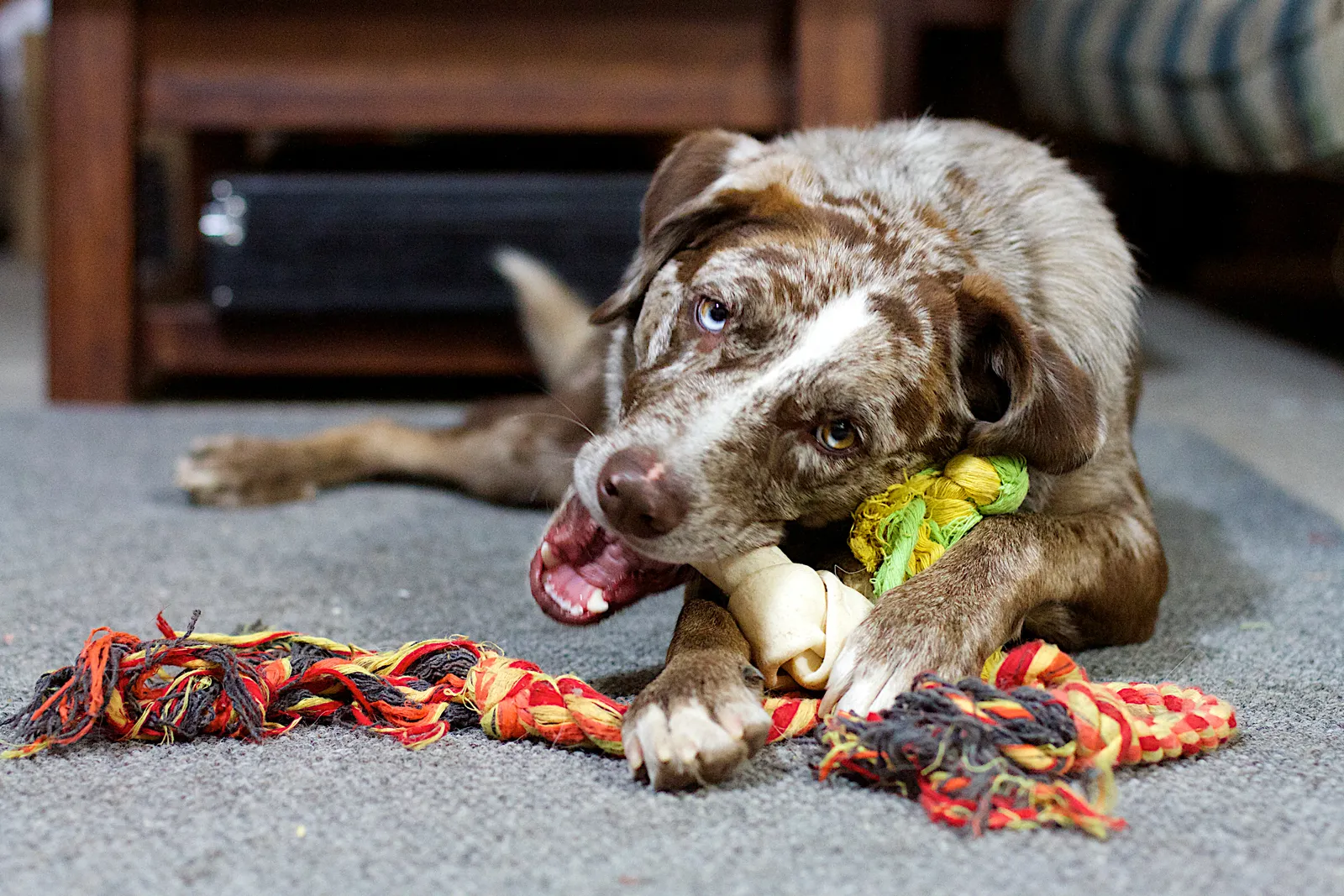
Gentle nibbling is one of the more honest things a dog can do. It isn’t performative. It doesn’t come with any calculation. It’s rooted in instinct, shaped by domestication, and colored by whatever your dog happens to be feeling in that moment.
Most of the time, those tiny front teeth pressed softly against your arm are simply your dog’s way of saying you matter to them. Understanding the “why” behind it makes those little moments easier to read, and a little more worth savoring.
AI Disclaimer: This article was created with the assistance of AI tools and reviewed by a human editor.