

The Knock at the Door That Changes Everything
The pitch typically arrives on a Tuesday afternoon or a Saturday morning. A well-dressed representative shows up at a homeowner’s door promising that solar panels will dramatically reduce or completely eliminate their electricity bill. The conversation feels informal, even neighborly, but it has a clear destination: a signed contract before the salesperson leaves the property.
Salespeople canvass neighborhoods promising residents lower energy bills if they allow a company to install a system, and homeowners are then locked into a 20 to 25-year contract with monthly payments that may not be the best deal. The friendly conversation at the door rarely includes a full explanation of what those payments look like over time.
Fraudulent solar sales frequently rely on artificial urgency: “This pricing expires tonight,” “Your neighbor already signed,” “This government program ends Friday.” These tactics are designed to prevent homeowners from reading the contract, consulting a spouse, or speaking to a financial advisor.
Twenty-Five Years Is a Long Time to Be Wrong
What begins with a knock at the door ends, for many homeowners, with financial obligations ranging from $40,000 to $60,000 and lasting as long as 25 years. Few purchases in a person’s life carry terms that long, and most of those that do, like a mortgage, come with mandatory disclosures, cooling-off periods, and legal protections that solar contracts have often lacked.
In addition to their existing electricity bill, some homeowners find themselves paying $168 a month on a nearly $42,000 solar loan tied to a 25-year contract, with added payments increasing their monthly costs by as much as 73%.
One Florida homeowner signed a 25-year contract where payments started at about $127 a month and were set to increase annually to more than $250, not including her electric bill. That escalation clause, buried in the contract language, is one of the most common and least-discussed features of these agreements.
Hidden Fees That Silently Inflate the Loan

The CFPB has found that some lenders include substantial markups and fees that can increase the loan principal by 30 percent or more above the cash price, and lenders frequently bake these fees into the loan principal without indicating that they are a markup from the total cash price consumers would otherwise pay for the installation.
Within the industry, these fees are often called “program fees,” “lending fees,” “finance fees,” “platform fees,” “original issue discounts,” and “dealer fees.” Hidden fees typically range from between 10 to 30 percent of the cash price but can exceed 50 percent. A homeowner who thinks they are financing a $30,000 system may actually be carrying a $39,000 or $45,000 loan without ever knowing it.
The Minnesota Attorney General filed suit against four lending companies, following an investigation that uncovered they charged Minnesotans $35 million in hidden fees on nearly 5,000 loans to finance sales of residential solar panels. That is not a rounding error. That is a systematic practice affecting thousands of families.
The Tax Credit Myth That Traps Borrowers

Many solar salespeople misrepresent the benefits of the federal Investment Tax Credit to convince homeowners to take out a solar loan. According to the CFPB’s 2024 issue spotlight on solar loans, salespeople sometimes try to convince homeowners that the tax credit is guaranteed, when in reality it depends on the borrower’s income and tax liability.
Solar lenders structure loans so that monthly payments increase unless the borrower prepays a share of the loan principal, typically 30 percent, which is the presumptive amount of the federal tax credit. This prepayment requirement came as a surprise to many consumers, and those who do not receive the tax credit or cannot make the prepayment face large increases to their monthly payments.
In fact, low-income homeowners are less likely to receive the credit. Yet these are often the same homeowners being most aggressively targeted by door-to-door sales teams pitching affordability and savings.
The Electric Bill That Never Goes Away
Homeowners are sold on the expectation that solar panels would significantly reduce or eliminate their electric bills, but instead some are left with malfunctioning systems, continued utility costs, and solar companies that later dissolved or filed for bankruptcy. The promise of a bill-free future is among the most persistent and most damaging claims made at the door.
Consumers are often told their electric bill will essentially disappear, but after installation they find themselves paying both a large solar loan and a continuing utility bill that is much higher than expected. That is one of the most common complaints documented by attorneys who handle solar panel lawsuits.
In one documented case, a salesperson told a homeowner that the solar installation would be free and that his utility bills would remain the same for the next 25 years. The installation was not free but was instead financed over a period of years with no upfront costs. Customers effectively trade a utility bill for a finance payment, sometimes with little real savings.
When You Try to Sell Your Home
One homeowner’s biggest shock came when she tried to sell her home. County public records showed a lien attached to the solar panels on her property, and a Realtor told her the loan could make selling her home nearly impossible unless a buyer agreed to assume the debt.
If the homeowner sells their home before their solar loan is paid off, they typically have two options that leave the panels with the home: the buyer agrees to legally assume the solar loan if permitted by the lender, or the homeowner pays off the remaining solar loan balance prior to the sale. Neither option is simple, and neither was explained clearly at the door.
One Texas homeowner accepted a job transfer and needed to sell quickly. Three qualified buyers walked away after seeing a 22-year remaining solar lease obligation with a 2.9% escalator. The fourth buyer demanded a price reduction to compensate. The homeowner lost more on the sale than they ever saved on electricity.
A Complaints Surge That Regulators Can No Longer Ignore
From January 2022 to June 2024, people reported losing over a quarter of a billion dollars in solar-related complaints to the FTC. Reported monetary losses in the first half of 2024 had already exceeded the prior year’s total. Those are not projections. Those are documented losses from real Americans who filed formal complaints.
Solar-related consumer complaints to the Federal Trade Commission grew 746 percent nationwide between 2018 and 2023, while complaints to the Texas Attorney General’s office grew 818 percent over the same period. The scale of that growth far outpaces any reasonable increase in solar adoption.
The FTC received over 7,000 solar fraud complaints in 2025 alone, making it one of the fastest-growing consumer fraud categories in the United States, and that number is climbing in 2026 as door-to-door sales teams push harder into states with high utility rates.
State Attorneys General Move to Sue
Connecticut’s Attorney General alleged that solar companies locked homeowners into long-term solar panel contracts without their full and informed consent and failed to timely deliver working systems, with complaints including forged signatures, impersonations of consumers, non-permitted work, and non-functioning systems.
In March 2024, the Minnesota Attorney General filed a lawsuit against four large solar financing companies, alleging that the lenders engaged in deceptive sales practices in violation of the state Consumer Fraud Act and Unfair Deceptive Trade Practices Act. The lawsuit specifically cited hidden fees that were never disclosed to borrowers.
Florida’s Attorney General reported a 700 percent increase in solar-related consumer complaints in 2024. That surge prompted investigations into individual companies and a broader look at whether sales licensing requirements were actually being enforced on the ground.
Forged Signatures and Document Manipulation

Forged signatures, income figures inflated on loan applications without homeowner knowledge, contracts signed on tablets where only one page was visible at a time, and verbal promises about zero electric bills that never appeared in writing have all been documented in complaints filed across Arizona, Florida, Texas, California, and New Jersey.
In digital signing situations, a salesperson may show a homeowner one screen while the full submission includes additional agreements they never read. The CFPB documented this pattern in complaints from California, Texas, Florida, and New York, and in 2024 the CFPB took enforcement action against multiple solar lending companies for allowing installers to falsify loan applications.
A WPTV investigation found that some salespeople may not have held licenses required under state law, and some contracts were missing a key consumer disclosure that is legally required. The absence of proper licensing means some of the people presenting these contracts had no verified training, no accountability to a state board, and no requirement to disclose what they did not know.
What Homeowners Can Actually Do
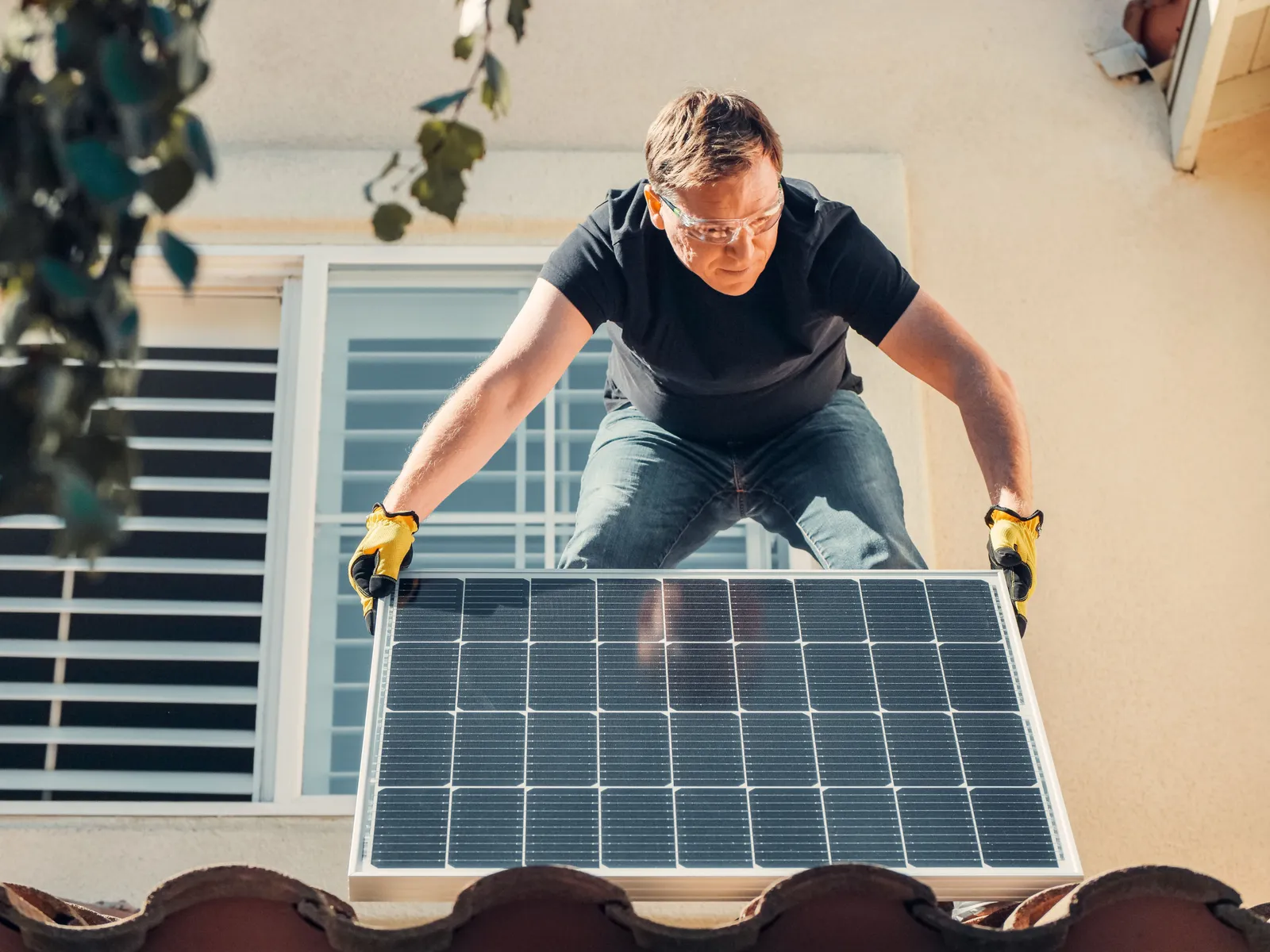
The FTC’s cooling-off rule gives homeowners three business days to cancel any door-to-door solar contract. That window is narrow, and it requires the homeowner to know the rule exists, which salespeople are rarely inclined to mention.
Key legal protections include the FTC Cooling-Off Rule providing a three-business-day cancellation right, Truth in Lending Act rescission rights that can extend up to three years in cases of material disclosure violations, and state consumer fraud statutes. Homeowners who believe they were misled have more legal avenues than they often realize.
The CFPB recommends homeowners ask for the cash price of the solar panel system directly. If the salesperson does not answer clearly, homeowners should consider seeking financing from a bank or credit union and bringing that loan offer to an installer. Getting competing quotes, in writing, before any signature, is the single most protective step a homeowner can take. Homeowners who believe they have been misled with their solar loan can file a complaint with the CFPB and the state attorney general.
The Bigger Picture Worth Keeping in Mind
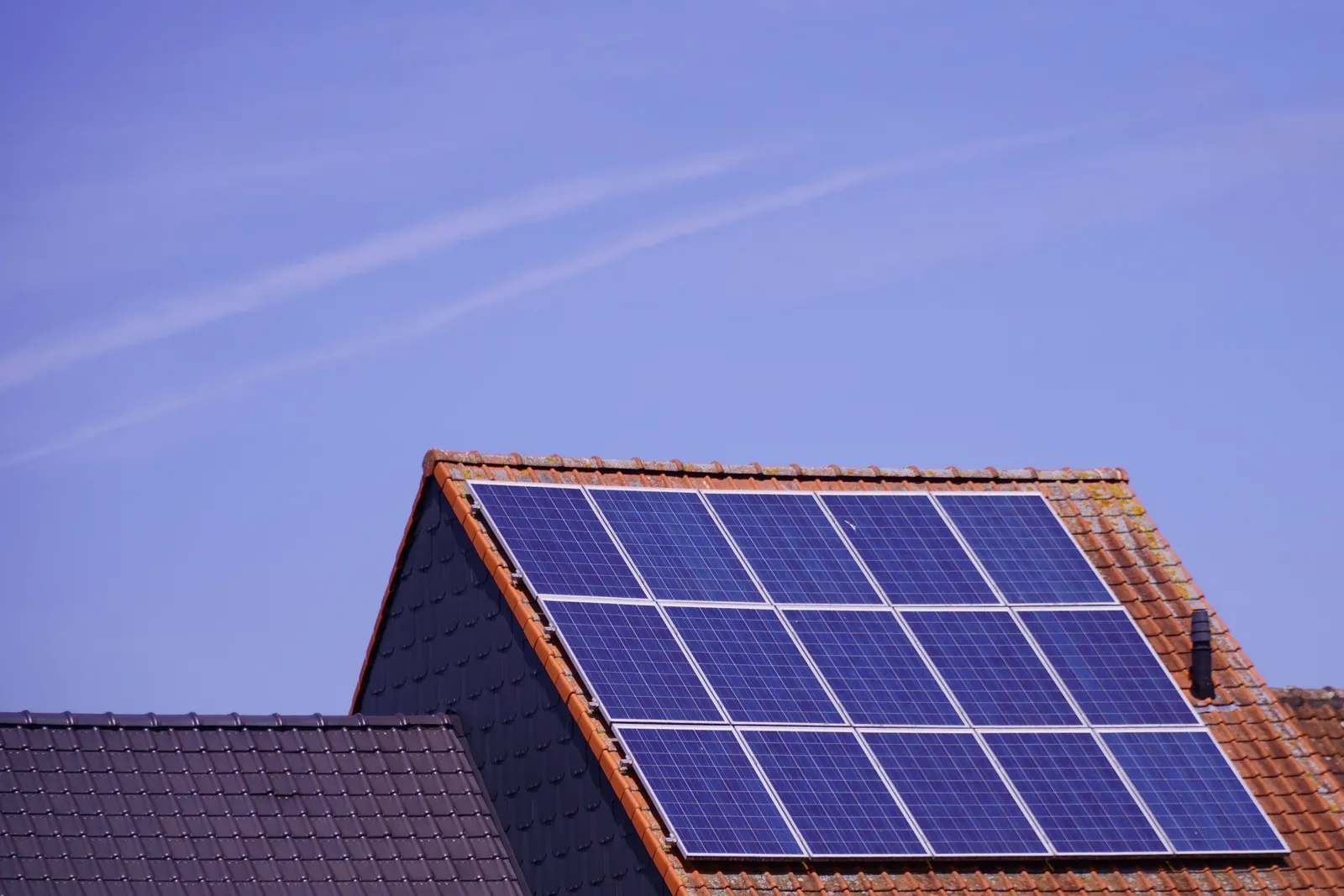
Solar energy itself is not the problem. Installed honestly, priced transparently, and financed through a lender the homeowner independently chose, rooftop solar can genuinely reduce electricity costs over time. The issue is a sales model that has prioritized fast closings over informed consent, and contracts that shift nearly all the risk onto the person who answered their door on a Tuesday afternoon.
In August 2024, the U.S. Treasury, the Consumer Financial Protection Bureau, and the Federal Trade Commission announced a joint interagency initiative specifically to combat deceptive practices in the residential solar sector. That level of coordinated federal attention signals that the problem has moved well beyond the fringe.
The most useful question a homeowner can ask when a stranger shows up at their door with a solar pitch is a simple one: why is this person at my door instead of waiting for me to call them? Legitimate investments generally do not require a decision before the salesperson walks back to their car. That gap between urgency and reality is where the real terms of the contract tend to live.
AI Disclaimer: This article was created with the assistance of AI tools and reviewed by a human editor.