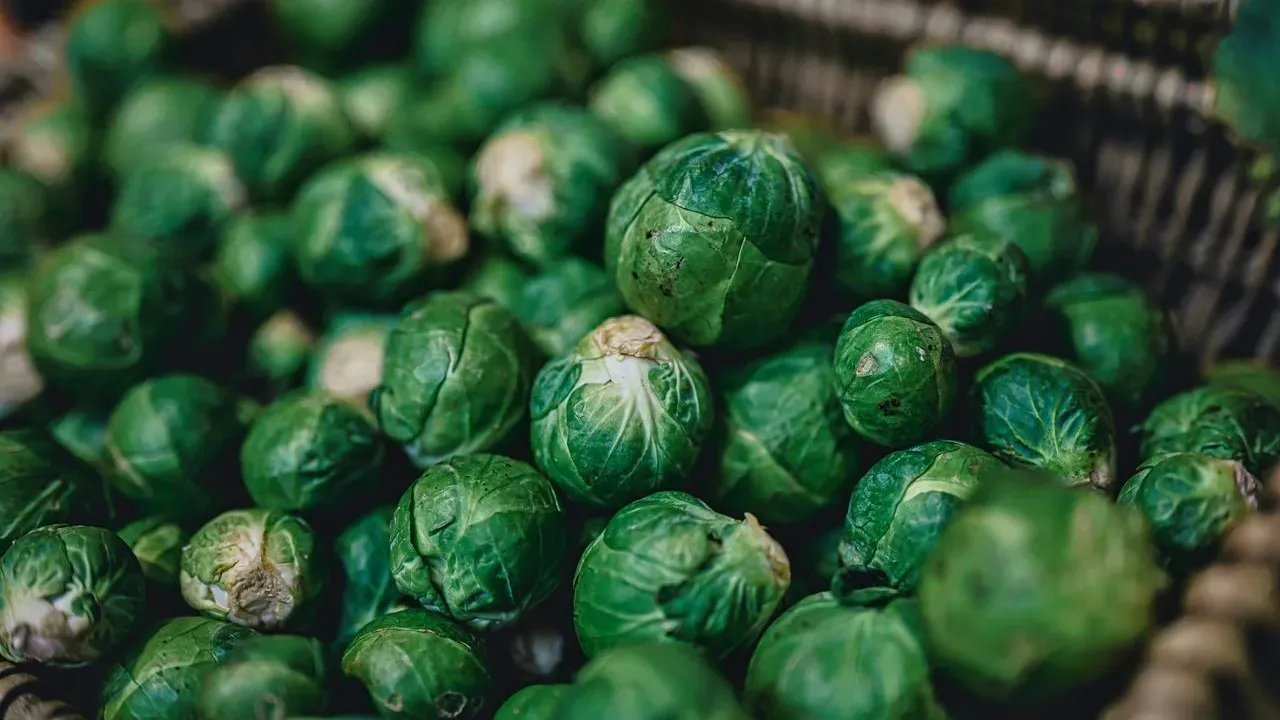

The New York Times collected reader accounts of vegetables once considered inedible, with Brussels sprouts drawing some of the strongest reactions. One contributor recalled viewing the vegetable as evil little cabbages before a particular preparation altered that view entirely. The responses highlighted how targeted recipes can shift long-held aversions without requiring advanced techniques or rare ingredients.
Common Starting Points for Dislike
Many readers traced their objections to childhood experiences or poorly prepared versions encountered at family meals. Overcooking often produced mushy textures and strong odors that lingered in memory for years. These early impressions proved durable until a new approach appeared in a cookbook, online post, or restaurant dish. The pattern repeated across submissions. A single successful encounter proved enough to prompt further experimentation at home. Readers noted that the change rarely involved elaborate equipment or exotic seasonings. Instead, basic adjustments to heat, timing, and seasoning produced noticeable differences in flavor and texture.
Recipes That Produced the Shift
High-heat roasting emerged as a frequent turning point. Readers described tossing Brussels sprouts with oil and salt before placing them in a hot oven until the edges caramelized. The resulting contrast between crisp outer leaves and tender centers replaced earlier complaints about bitterness. Other accounts pointed to quick sauté methods or simple braises that balanced the vegetable’s natural earthiness with acidity or sweetness. One approach involved finishing the dish with a splash of vinegar or a handful of nuts for added crunch. These steps addressed the core issues that had previously made the vegetable unappealing.
Broader Lessons From the Submissions
The collection illustrated how personal taste can evolve when preparation methods align with individual preferences. What one reader rejected as too strong another found appealing once bitterness was tempered through browning or pairing. The New York Times piece captured these reversals without claiming universal appeal for any single vegetable. Several contributors mentioned trying the same recipe multiple times before the result clicked. Persistence combined with small refinements often marked the difference between continued avoidance and regular inclusion on the plate. The stories underscored that conversion rarely happened through persuasion alone.
Why These Accounts Matter Now
Seasonal availability of many vegetables peaks in cooler months, when home cooks seek reliable ways to use what is fresh and abundant. Reader experiences offer practical reassurance that disliked items need not remain off-limits. A well-chosen recipe can reopen options that once seemed closed. The responses also reflect wider interest in reducing food waste by making better use of available produce. When a previously avoided vegetable becomes acceptable, it expands the range of meals that can be prepared from a single market haul. The New York Times compilation captured this quiet expansion of culinary comfort in straightforward terms.
AI Disclaimer: This article was created with the assistance of AI tools and reviewed by a human editor.