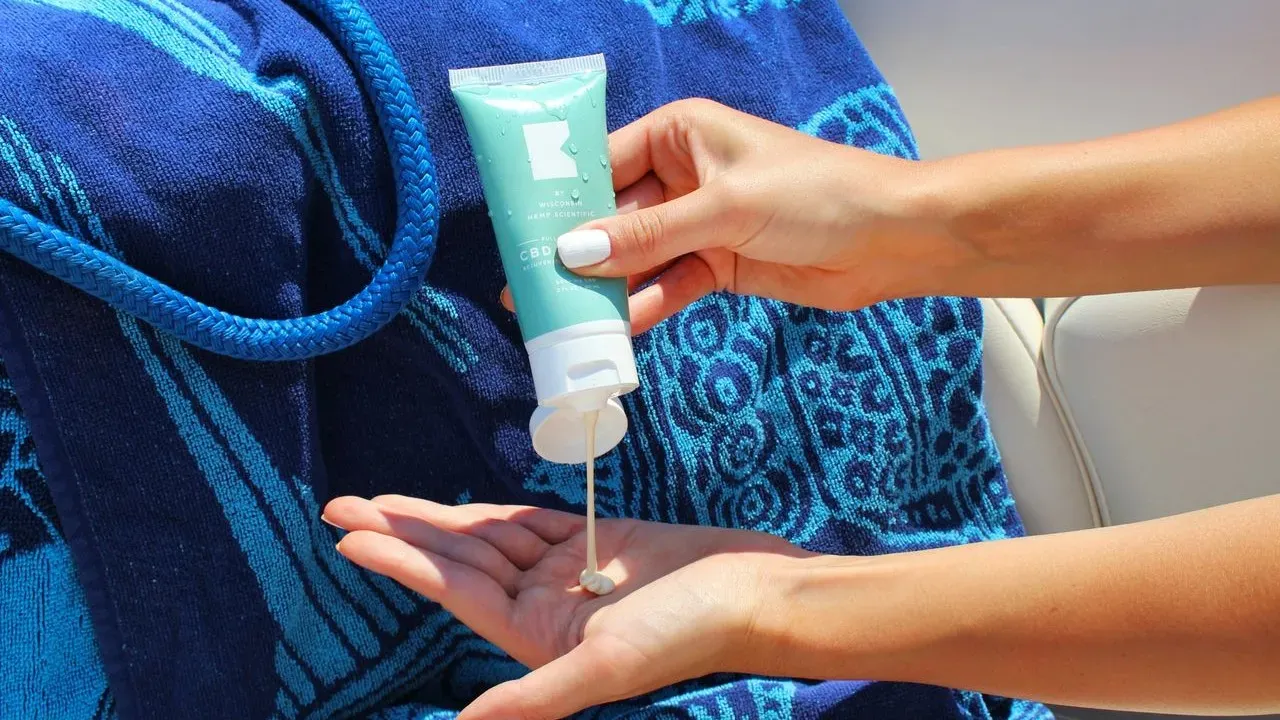

After more than 25 years without a new chemical option, American consumers can now find sunscreens containing bemotrizinol on store shelves. The ingredient, also known as BEMT, received FDA approval in June and appears in initial formulas from brands including Neutrogena. Its arrival expands choices for people who spend time outdoors and seek broad ultraviolet protection without some drawbacks of older products. ([1])
Why the timing stands out
The FDA last approved a new chemical sunscreen filter in the late 1990s. Since then, manufacturers have relied on existing ingredients or mineral blockers such as zinc oxide and titanium dioxide. The long gap left limited options for those who prefer chemical filters that avoid visible white residue on skin.
Bemotrizinol changes that equation by delivering protection against both UVA and UVB rays in a single molecule. Earlier chemical combinations often required multiple filters to achieve the same coverage. Dermatologists note that this single-ingredient approach simplifies formulation while maintaining effectiveness.
Broad protection without cosmetic trade-offs
Effective sunscreens must guard against UVB rays that cause sunburn and UVA rays linked to skin aging and cancer risk. Products meeting both standards carry a broad-spectrum label. Bemotrizinol qualifies on its own, reducing the need for ingredient blends that sometimes compromise texture or stability.
Mineral sunscreens already provide strong dual protection, yet many users avoid them due to streaking or heavy feel, especially on darker skin tones. The new chemical offers an alternative that spreads more evenly and leaves less visible film. Experts describe it as filling a practical gap for daily use.
Absorption and safety data
Chemical filters must undergo scrutiny because they can enter the bloodstream. Recent FDA action removed oxybenzone after studies showed greater absorption than previously recognized. Bemotrizinol behaves differently because its larger molecular size limits skin penetration.
Reviewers examined data from more than 500 patients and found absorption levels nearly undetectable. Daily use for up to three weeks produced no irritation or allergic responses in the studies. The agency therefore classified the ingredient as generally recognized as safe and effective, placing it alongside established mineral options.
Remaining questions on environment and stability
Some sunscreen chemicals have raised concerns about coral reef damage, prompting bans on oxybenzone and octinoxate in certain coastal areas. European assessments of bemotrizinol show limited evidence of toxicity so far, yet longer-term studies remain limited. Mineral filters generally carry a better environmental profile, though nano-particle versions warrant caution around marine life.
Another noted advantage is photostability. Unlike avobenzone, which can degrade quickly in sunlight, bemotrizinol holds up better under exposure. Reapplication every two hours, or more often during swimming or sweating, remains essential regardless of the formula chosen.
What matters now
Sunscreen forms only one layer of protection. Shade, protective clothing, and hats continue to rank higher in expert recommendations for extended outdoor time.
AI Disclaimer: This article was created with the assistance of AI tools and reviewed by a human editor.