

How the Scam Starts: Your Post Becomes a Target
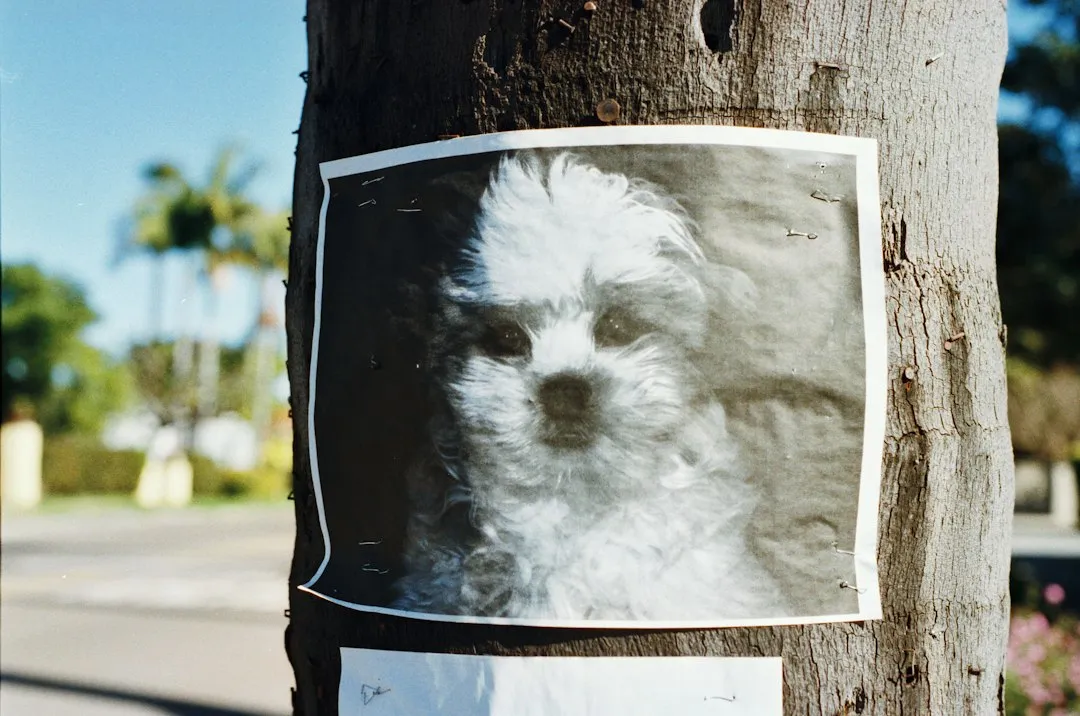
The scheme typically begins the moment a pet owner posts about a missing dog or cat on social media or community boards. Scammers actively monitor these posts, then use AI tools to create realistic images of the pet in distress or in a new location. What feels like a public call for help is, in the wrong hands, a detailed targeting package.
When you post about a lost pet publicly, you are sharing a clear photo of the animal with enough detail to generate convincing fakes, your phone number or a direct way to reach you, your approximate neighborhood, the breed and distinctive markings of the animal, and an unmistakable signal that you are emotionally compromised and willing to pay quickly.
Scammers monitor social media posts, community boards, and online lost pet registries to identify vulnerable targets. The response can come within minutes of posting, which makes it feel authentic. Speed is part of the trap.
The “I Have Your Pet” Core Tactic

One of the most common versions of the scam involves a call, text, or social media message claiming that someone has found your pet. The scammer may describe a pet that matches yours, but as soon as you express interest, they demand a reward or payment to return your pet without offering any proof they actually have them.
These scammers typically demand immediate payment through untraceable methods before returning your pet, but they never actually have your pet. The demand for payment before any in-person meeting or verification is the defining hallmark of this fraud.
Hundreds of pet owners across the UK have reported receiving blackmail threats from scammers who claim to have found their lost pets. Fraudsters comb online forums where desperate owners post messages, then demand thousands of pounds in reward money for the animal’s safe return. This pattern has been documented across multiple countries, not just the United States.
Fake Shelter Impersonators and Spoofed Caller IDs

Across US cities, there are reports of people with lost pets being bombarded by animal shelter impersonators who claim to have found the owner’s injured or missing animal. These fraudsters use caller ID spoofing technology to make it seem like they are legitimate local representatives of humane societies or animal shelters.
Scammers have been reaching out to individuals who post their contact information on popular lost pet websites including PetCo Love Lost, PawBoost, and NextDoor. These fraudulent callers pose as animal control employees and falsely claim that the lost pets are injured and in need of urgent medical attention. They then pressure pet owners to send money to cover these supposed medical expenses.
In one documented Louisville case, a couple searching for their lost cat received a call saying their pet had been found but needed an operation. They sent over $1,500 only to find out it was a scam. The emotional whiplash of that experience, from hope to grief, is part of what makes this fraud so damaging beyond the financial loss.
AI-Generated Photos: The New Weapon

The scam often starts after owners post photos of missing dogs or cats on social media sites like Facebook or Instagram. Scammers then steal those photos and use tools like Google’s Gemini or OpenAI’s ChatGPT to generate realistic-looking images showing the pet injured inside what appears to be a veterinary hospital or emergency clinic.
In one case, a caller requested money for veterinary bills, saying the cost was roughly $1,700 but would accept whatever amount the victim could provide. The victim borrowed $1,300 and sent it via Zelle. The caller then gave her an address to retrieve her dog, which turned out to be an empty courthouse parking lot. The photo sent as proof had been AI-generated from her own missing pet posts.
The whole operation, from monitoring the post to pulling the photos to generating the fake image to making the call, probably takes minutes. That speed, powered by AI, is what makes this version of the scam so scalable and so difficult to outpace.
The Google Voice Verification Code Trap

The scammer gets your phone number from a lost pet site, Facebook page, Craigslist, or other public forum. You receive a text saying they have found your lost pet. The scammer then says they are sending you a six-digit code that you need to send back to them to prove your identity.
In actuality, the scammer has created a Google Voice account using your phone number. Once you provide the six-digit verification code, the Google Voice account setup is complete. From that point, the scammer can use your number to run further scams while the activity traces back to you, not them.
This code gives the scammer access to change your phone number for the two-step verification on your account, locking you out while they take over. This particular trap goes beyond a single financial loss. It can compromise your digital identity entirely.
How Much Money Are People Actually Losing?

According to the Better Business Bureau’s 2025 study on pet scams, the median loss for pet-related scams was $600 in 2025, with reports spiking during December and January when more pets go missing during the holidays.
BBB Scam Tracker data shows that pet scam reports went from 680 in 2022 to 2,278 in 2024, with median losses ranging from $600 to $750 across those years. Individual losses, though, can go far higher. In one incident that Maryland’s attorney general reported, a pet owner was duped into giving $2,600 to a scammer before realizing it was a fraud.
The BBB reports that only about one in twenty pet scam victims reports the fraud, partly because many feel embarrassed about falling for these schemes. That means the true scale of losses is likely much larger than official figures reflect.
The Scale Is Wider Than It Looks

Cases reported to the BBB are likely a vast undercount, as one study using Federal Trade Commission data determined only 4.8% of victims of mass market fraud report it to the BBB or a government entity. That single figure reframes the entire picture. The visible numbers are just the surface.
The BBB and Federal Trade Commission have noted that scammers are now also using AI to generate realistic images and videos that make it appear more convincing that they have someone’s pet. This technological shift has raised the stakes considerably in the past two years.
AI-driven fraud continues to rise across the country, and according to the FBI’s latest Internet Crime Report, Americans lost nearly $893 million to AI-enabled scams in 2025. Lost pet fraud sits within that broader surge, sharing tactics and infrastructure with other AI-powered imposter schemes.
Who Runs These Operations?
Some scam websites built to steal from pet owners still exist even after the social media accounts behind them disappear, and at least one such site was found to be registered to a web designer in Nigeria. These are not always lone opportunists. They are often coordinated operations with offshore roots.
As one expert noted, someone who is overseas can see that you have lost your pet in Denver, Colorado, because of how connected the internet is. This global reach is why more people are vulnerable to this kind of scam. A flyer posted on a neighborhood Facebook group can be seen and acted upon by someone thousands of miles away within minutes.
In one notable prosecution, a Maryland man was sentenced to 30 months in federal prison in connection to a widespread pet scam where he stole nearly $1 million from more than ten victims. Prosecutions do happen, but they remain rare relative to the volume of fraud being committed.
Red Flags to Watch For in the Moment

Common tactics include Google Voice verification code scams, fake animal shelter calls, and fraudulent pet recovery services. Knowing the category of scam you might be facing is the first step toward keeping your money and your composure.
Key red flags include: a social media account that was recently created, no specific location information given, payment required upfront, and guaranteed results or your money back. Any one of these on its own should raise a flag. More than one at once should end the conversation.
Officials say legitimate shelters will never request money by text and urge owners to verify any claims through official channels. Animal care officials emphasize they will never request payment over the phone and urge the public not to transfer funds to anyone contacting them about their missing pets. Both points are worth remembering before anyone reaches for a payment app.
How to Protect Yourself Before It Happens
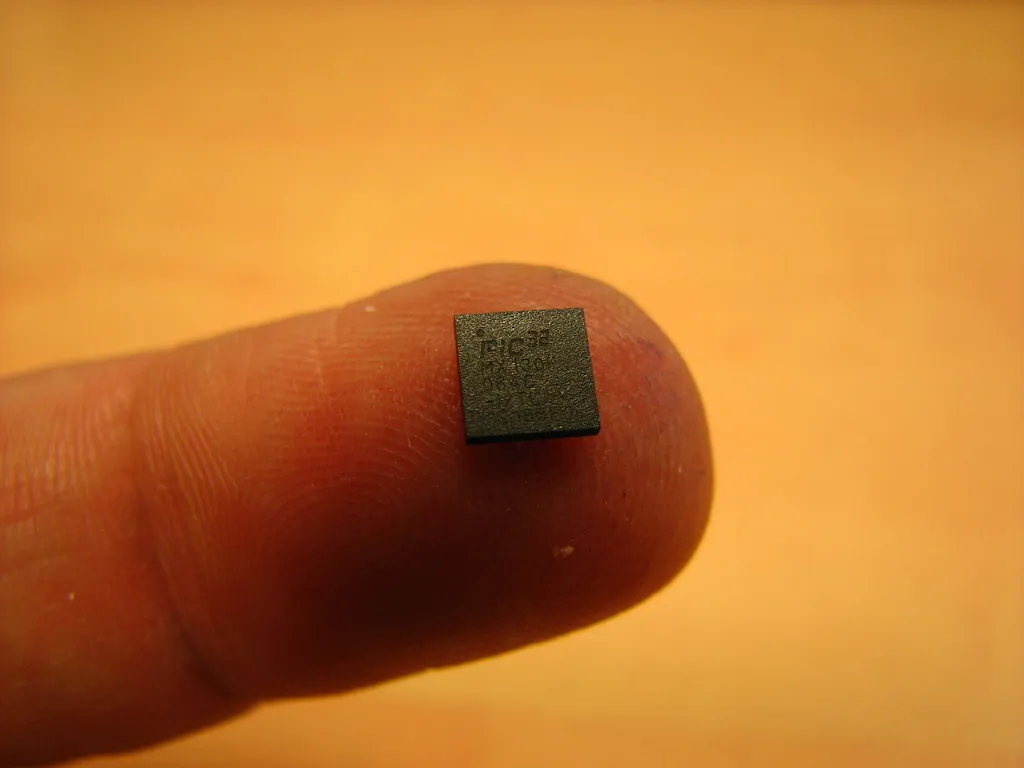
If someone claims to have your pet, double-check by requesting your pet’s microchip number or photographic evidence of the animal’s injury. A legitimate shelter would be able to easily scan and tell you your pet’s microchip number. A scammer working from AI-generated photos will not be able to provide that.
Ask for specific details about your pet that only someone who has physically seen them would know. Photos and videos may be AI-generated, and requesting multiple photos may allow you to spot discrepancies between them. Inconsistencies in fur patterns, collar details, or background settings are common tells.
Never wire money or provide personal information without confirming that the person truly has your pet. If you suspect a scam, cease communication and report the interaction to local authorities or animal control. The FTC and BBB both maintain reporting portals, and filing a report can help protect others even when recovery of your own money is unlikely.
The Takeaway

The lost pet reward scam works because it targets people at their most emotionally exposed. It does not require technical knowledge from the victim or elaborate social engineering. It just requires that you love your pet and that you are scared.
The AI-powered version of this scheme, now documented from Illinois to Washington state to Ontario, has removed most of what once made these calls easy to dismiss. The photos look right. The caller knows your pet’s name and markings. The urgency feels real. None of that means it is.
Before you send a single dollar to anyone claiming to have your animal, slow down for sixty seconds. Call your local shelter directly using a number from their official website. Ask for details no photo could reveal. As one near-victim put it, even when you know it might be a scam, emotions can nearly override instincts. That gap between knowing and doing is where these scammers live, and closing it is the only real defense you have.
AI Disclaimer: This article was created with the assistance of AI tools and reviewed by a human editor.