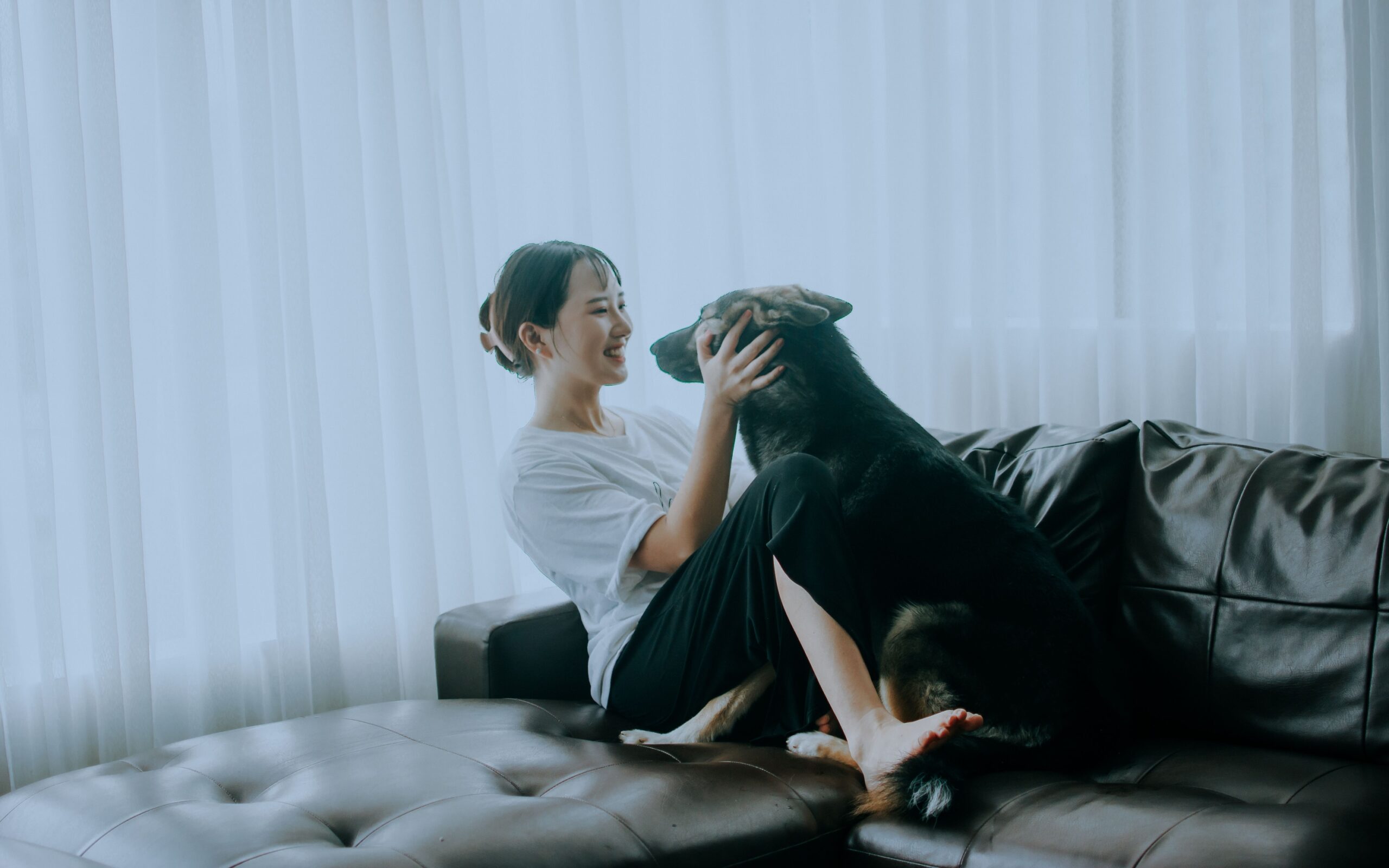

Most dog owners have noticed it at some point. The family gets home at the same time, everyone calls the dog’s name, and the dog makes a beeline for the same person every single time. It’s not random. It’s not even really a mystery, once you understand what’s driving it.
Dogs are deeply social animals with finely tuned instincts for reading people, building trust, and forming emotional loyalties. The science behind their preferences is genuinely fascinating, and it involves far more than treats or feeding schedules. Here’s what researchers and animal behaviorists have found so far.
Dogs Really Do Have Favorites, and That’s Normal
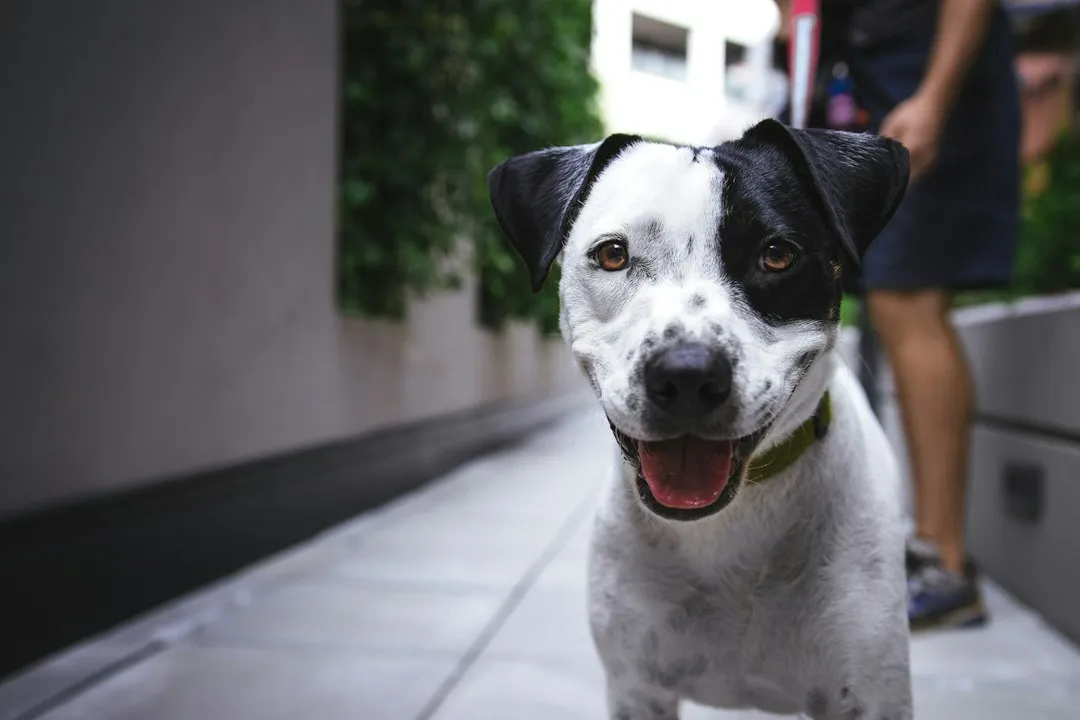
The short answer, according to canine behavior experts, is yes: most dogs do have a favorite person. As social animals, dogs tend to be happiest and healthiest with company. This isn’t a quirk or a sign of something going wrong in the household. It’s simply how dogs are wired.
Having a favorite person is extremely common in dogs and represents completely normal social behavior. Most dogs living in multi-person households develop some degree of preference hierarchy, though the strength of those preferences varies considerably. Some dogs show dramatically clear favorites while others distribute affection more evenly.
It Comes Down to a Learning History
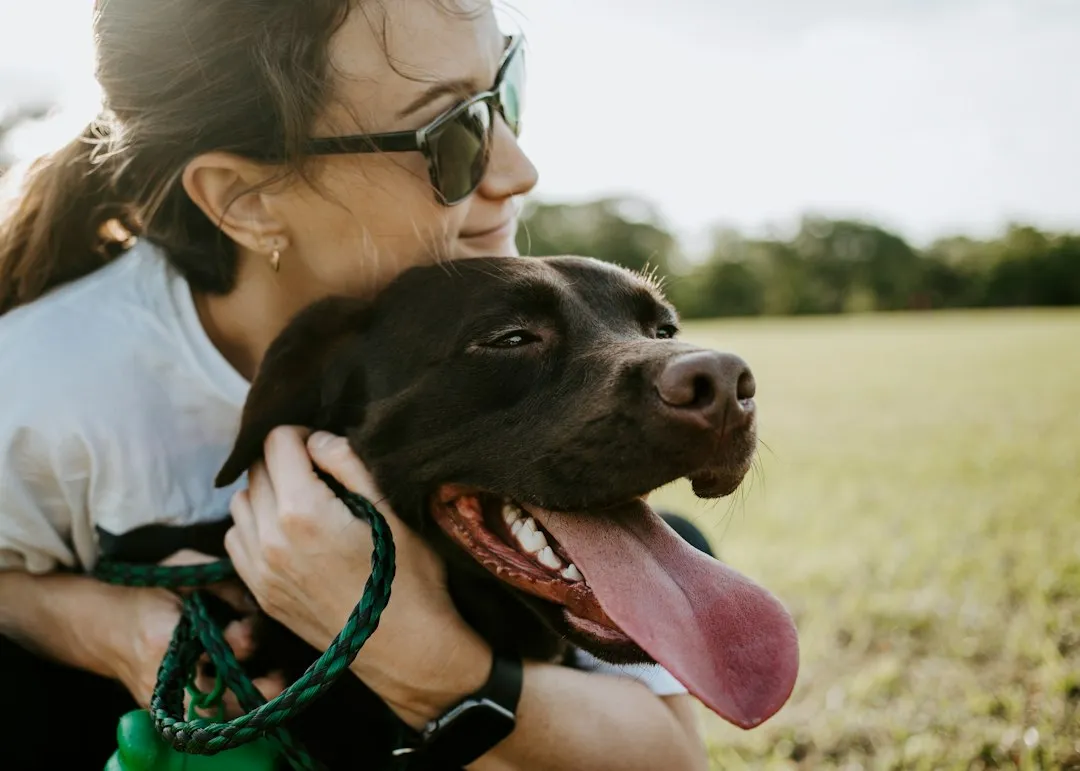
Applied animal behaviorists say that dogs tend to choose their person based on “learning history,” meaning the person they’ve learned provides the most resources. That could be anything from food, to playtime, to attention and affection. Different dogs will value all of those assets differently.
Dogs form strong emotional bonds based on trust, consistency, and positive experiences. The person who shows up reliably, day after day, in ways the dog finds genuinely rewarding is the one who earns that top spot. It’s less about grand gestures and more about the steady accumulation of good interactions.
The First Six Months Leave a Deep Impression
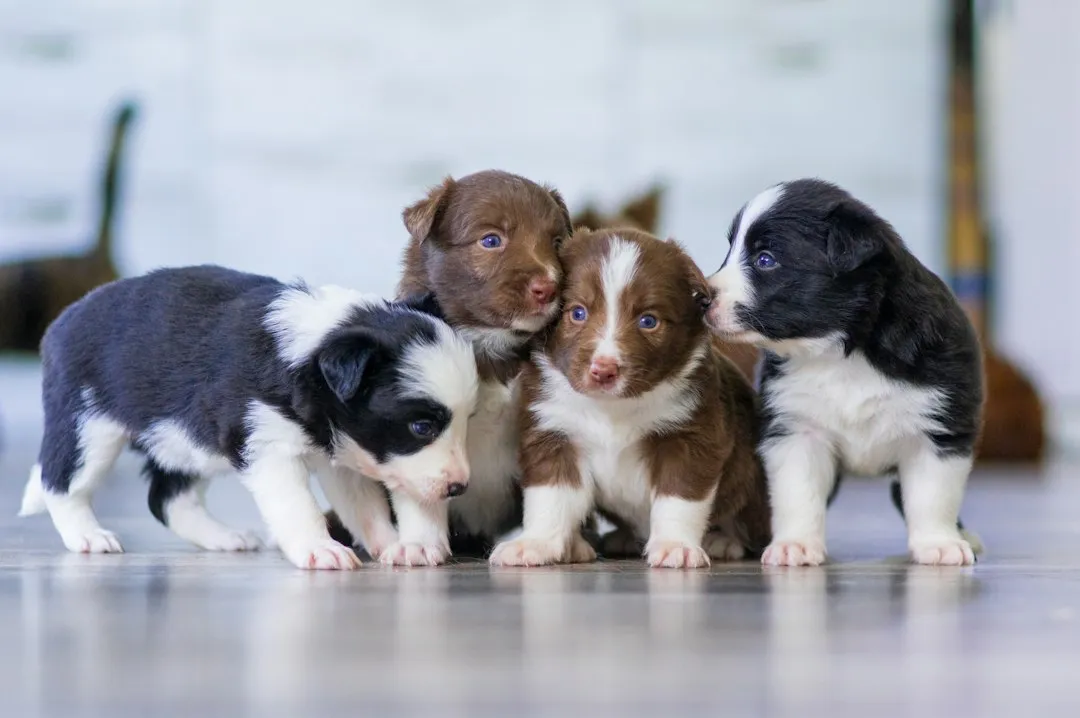
Many dogs bond hardest to whoever cares for them during their key socialization period, which occurs between birth and six months. At this age, puppies’ brains are incredibly receptive, and their early social experiences influence them for the rest of their lives.
Canine development includes a critical socialization phase, roughly from three to twelve weeks, when puppies form primary social bonds and adapt to novel stimuli. A lack of positive experiences during this period can lead to adult behavioral problems like fear, aggression, or anxiety. The person who is most present and positive during that window gets a significant head start in a dog’s emotional rankings.
Experiences during this period have a lasting influence on temperament and behavior. That’s not a soft claim; it’s backed by developmental research from multiple institutions, including a 2024 literature review from the American Veterinary Medical Association on puppy socialization.
Oxytocin: The Biological Glue Behind the Bond
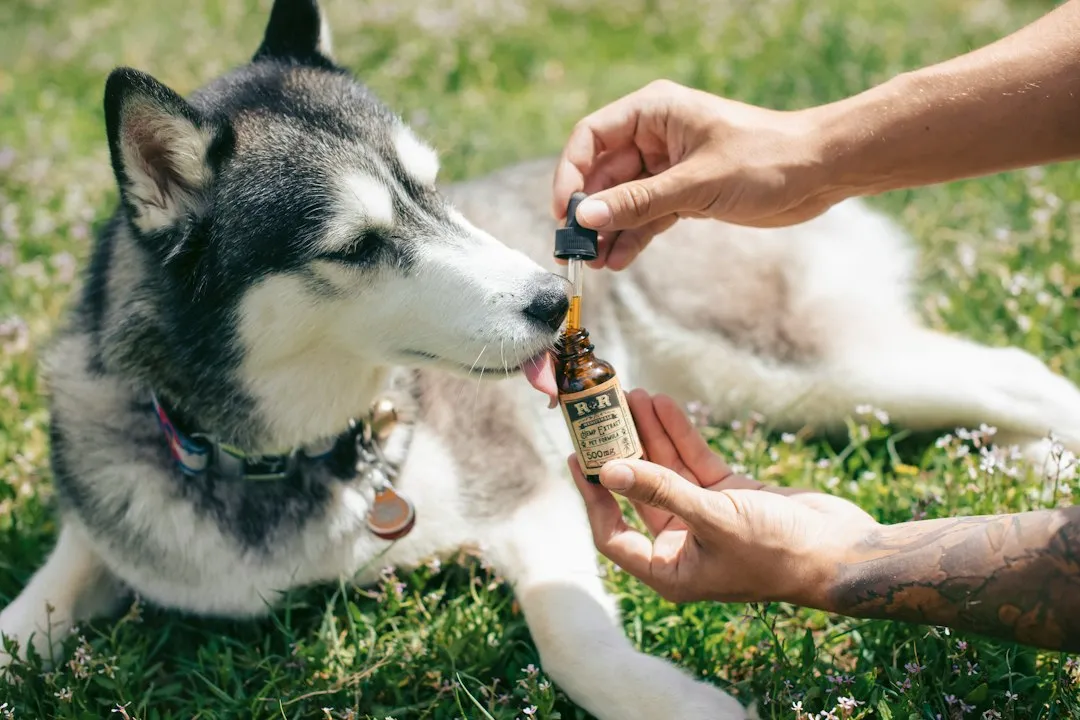
When dogs and their owners make eye contact, both experience a surge in oxytocin, often called the “love hormone,” the same chemical involved in human parent-infant bonding. This isn’t a metaphor. It’s measurable chemistry happening in both species simultaneously.
A landmark study by Japanese scientist Takefumi Kikusui found that oxytocin levels rose in both dogs and humans after just a few minutes of mutual gazing. This loop of reciprocal bonding isn’t seen between humans and wolves, even hand-raised ones, which strongly suggests it’s a product of domestication rather than general animal behavior.
One review of 69 studies concluded that the release of oxytocin in humans and dogs is associated with interactions with our pets, and that it’s a factor in social bonding. It has also been reported to increase tear formation when dogs were reunited with their owners. That detail alone says quite a bit about the depth of what dogs actually feel.
Dogs Read Us the Way Infants Read Their Parents
Studies using the “Strange Situation” test, originally designed to assess attachment in human infants, have found that dogs display all four classic attachment behaviors with their primary human caregivers. They use their owner as a secure base from which to explore. They show distress when the owner leaves. They seek comfort from the owner upon return. They are not easily soothed by a stranger in the owner’s absence.
Attachment theory has proven to be a promising framework for understanding the bonds between dogs and humans, particularly regarding emotional regulation in the context of separation. Dogs exhibit behaviors consistent with the attachment styles described in humans, which can significantly influence their behavioral responses to caregiver absence.
Physical Affection Matters More Than Most People Think
Physical affection solidifies the bond between dog and person. If a person is stand-offish toward a dog, the dog will be stand-offish toward them. The relationship truly does mirror what the human puts in. Dogs notice when someone keeps their distance, and they respond in kind.
For some dogs, it’s not just the amount of attention and affection that matters, but the quality. A distracted, half-hearted pet while scrolling a phone probably doesn’t register the same way as calm, focused ear scratches and genuine presence. Dogs are perceptive enough to tell the difference.
Personality Compatibility Plays a Real Role
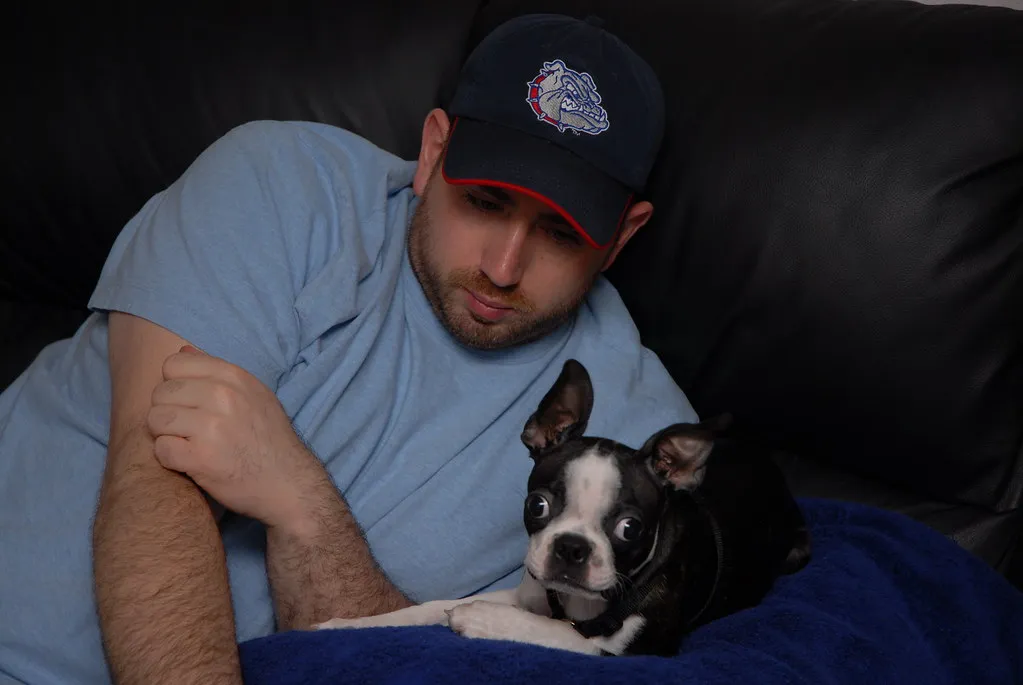
The saying “like attracts like” applies to dogs and people too. Dogs often choose a favorite person who matches their own energy level and personality. A high-energy dog that loves rough play may naturally gravitate toward the most active family member. A calmer, more anxious dog may prefer the quietest person in the house.
This compatibility piece is easy to overlook because people tend to assume it’s all about who feeds the dog or spends the most time with it. Temperament alignment is its own quiet force. A mismatch in energy can actually push a dog toward someone who simply “feels right,” even if that person isn’t the primary caretaker.
Breed Genetics Shape How Strongly Dogs Bond
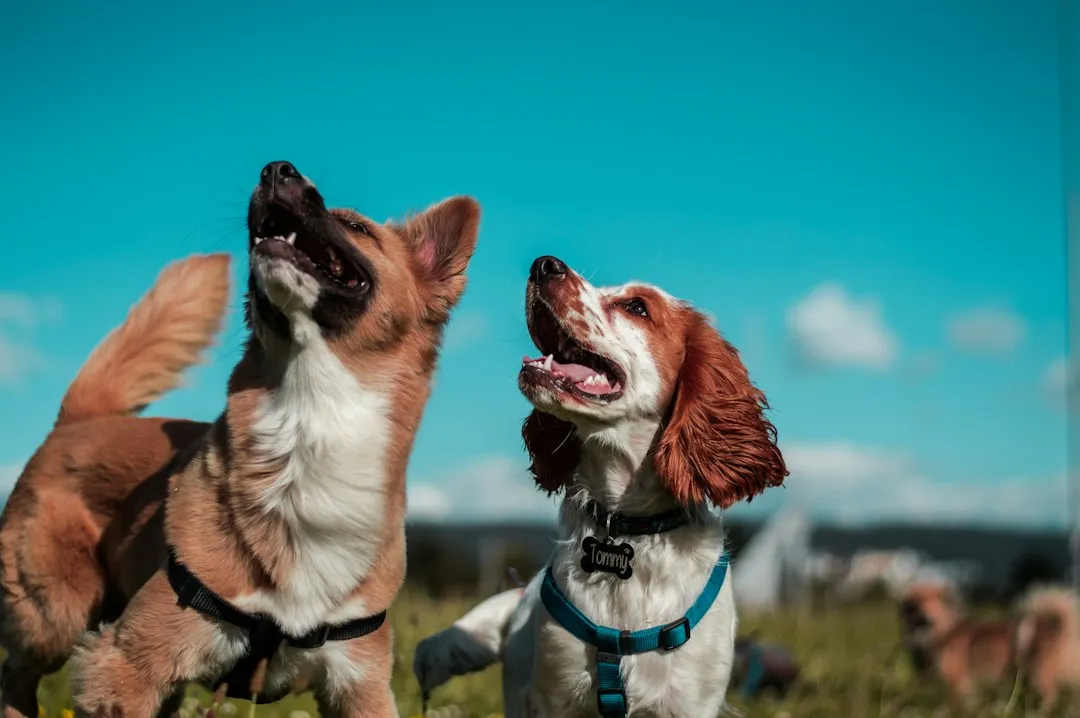
Genetics plays a role in animal behavior and, thus, in a dog’s choice of a favorite person. Some breeds, such as the Doberman Pinscher and Akita, are known for being loyal and will bond closely with people, often as a function of their historic jobs.
Some dog breeds are more likely to bond with a single person, making it more likely that their favorite person will be their only person. Breeds that tend to bond strongly to one person include the Basenji, Greyhound, Shiba Inu, and Cairn Terrier. For these breeds, the favoritism can be especially pronounced, sometimes to the point of near-indifference toward everyone else in the family.
A breed known for being highly social might be more inclined to bond with anyone who provides attention. However, individual personality and upbringing always play a larger role than breed alone. Breed tendencies are real, but they’re not destiny.
Dogs With Stronger Bonds Even Judge Other People Differently
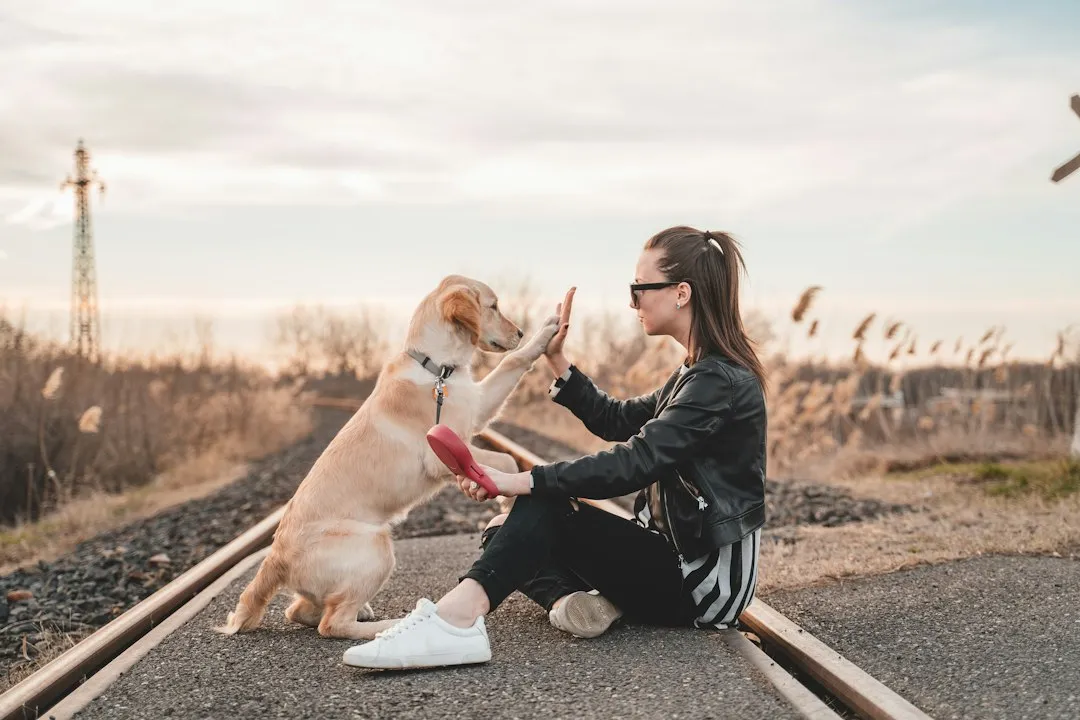
Research from a published study sought to investigate whether dogs’ attachment bonds to their owners could predict the extent to which they successfully evaluated unfamiliar humans who interacted with their owners. Researchers found that dogs with stronger attachment bonds to their owners were more likely to prefer people who helped their owners. These results suggest that, as in humans, a dog’s attachment may impact the way they evaluate potential social partners.
In practical terms, this means a dog’s social world radiates outward from its favorite person. People who are kind to the preferred family member tend to get a warmer reception from the dog as well. The bond doesn’t just shape the relationship with one person; it shapes how the dog interprets nearly everyone around them.
The Favorite Can Change Over Time
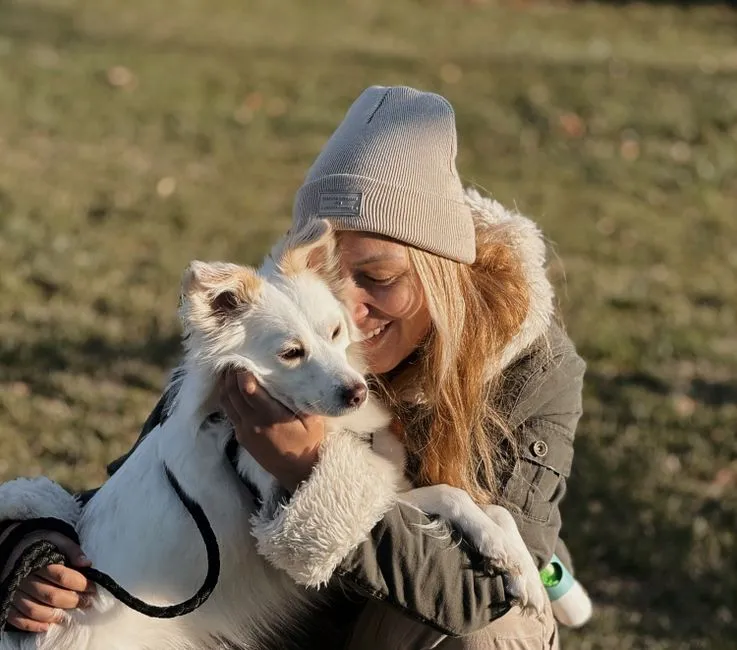
If a dog was already an adult when adopted, it’s not too late to become their favorite. Canine preferences aren’t locked in permanently. Life changes, and so do the dynamics within a household. A shift in who spends the most quality time with the dog, or a major change in routine, can gradually move a dog’s loyalties.
Dogs have been shown to form new attachment bonds in adulthood despite early life separation from primary attachment figures; however, in some cases, these later attachment bonds may be qualitatively different than those formed in early life. So while early bonds tend to run deep, dogs remain emotionally open across their entire lives. A person who is consistent, present, and genuinely attentive can earn a dog’s devotion at almost any stage.
Final Thoughts
The dog curled at one person’s feet while ignoring everyone else on the couch isn’t being rude. It’s being honest. Dogs communicate their trust and affection through proximity, attention, and behavior, and when all of that consistently points toward one person, the reasons are rarely arbitrary.
What the science shows, clearly and repeatedly, is that canine favoritism is earned through quality time, physical affection, emotional consistency, and genuine compatibility. It’s a relationship built moment by moment. And that means anyone in the household, with patience and presence, has a real shot at moving up the rankings.
AI Disclaimer: This article was created with the assistance of AI tools and reviewed by a human editor.