

It Starts in Your Brain, Not Your Ears

When we feel embarrassed, our brains perceive it as a threat to social belonging, which activates the fight-or-flight response via the sympathetic nervous system. That classification might seem dramatic for something as minor as mispronouncing a word in public, but your brain doesn’t distinguish between physical threats and social ones. When you experience acute embarrassment, your brain’s amygdala interprets this social threat as a physical danger and instantly activates the sympathetic nervous system, prompting the adrenal glands to release a surge of adrenaline into your bloodstream. The ears, rather inconveniently, are among the first places to show it.
Adrenaline Is the Real Culprit

Strong emotions such as anger, embarrassment, or excitement cause the body to release adrenaline and other stress hormones, which can cause blood vessels to dilate and increase blood flow to the skin. This surge in adrenaline is designed to prepare you for action, not for social recovery. Adrenaline increases your heart rate, accelerates your breathing, and rapidly alters the tone of your blood vessels. The result, at least for your ears, is a rapid and visible flood of warmth.
Vasodilation: When Blood Vessels Open Wide
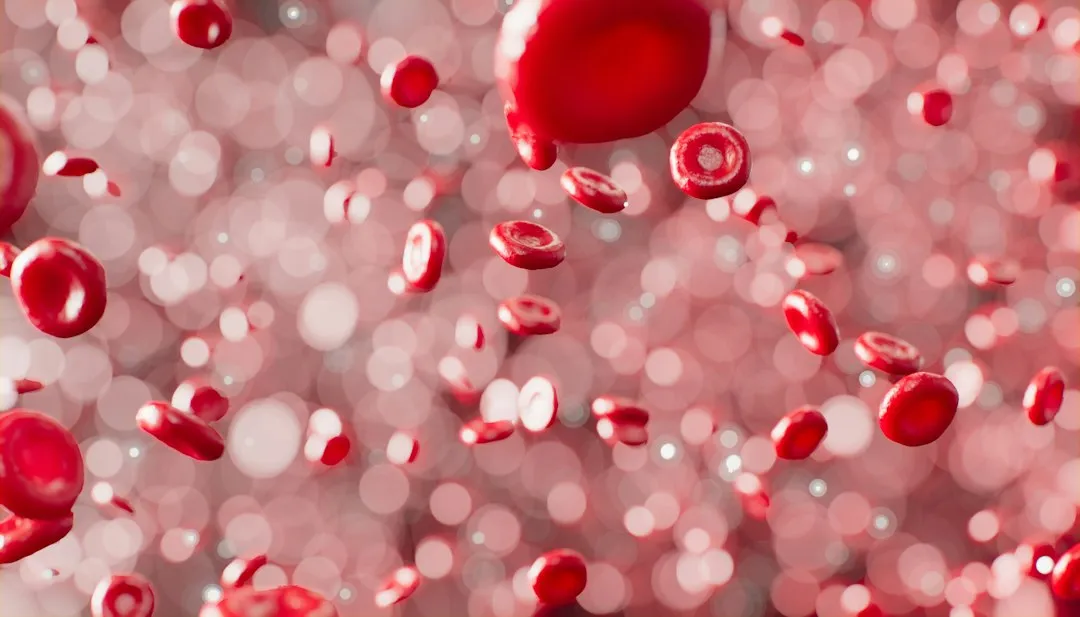
When an emotion triggers blushing, the sympathetic nervous system releases adrenaline, which makes the tiny muscles in blood vessels relax. When those muscles relax, the vessels widen. Facial blood vessels are dense with adrenaline-sensing receptors, and when adrenaline is released, the vessel walls increase in circumference, allowing more blood flow in a process called vasodilation. This is the mechanism behind both the heat and the visible color change you experience.
Why the Ears? The Role of Thin Skin
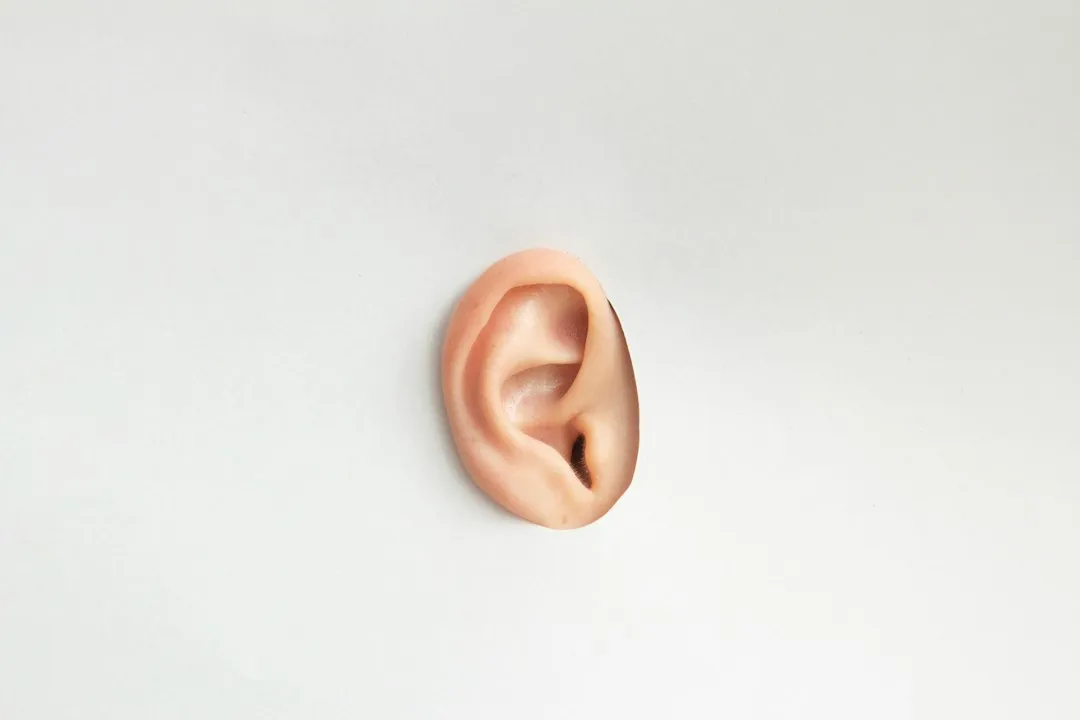
The external ear, or auricle, is a highly vascularized cartilaginous appendage that plays a role in thermoregulation, and because the overlying epidermis is exceptionally thin and lacks a significant subcutaneous fat layer, any alteration in the underlying hemodynamics is immediately and vividly visible. Compare that to the skin on your back or thigh, which has far more insulating tissue between the vessels and the surface. The same sympathetic nervous system response that dilates blood vessels in your cheeks also affects the extensive network of blood vessels in your ears, and since the skin on the ears is also relatively thin, the increased blood flow becomes very noticeable as warmth and redness.
The Blush Region Is Not Random
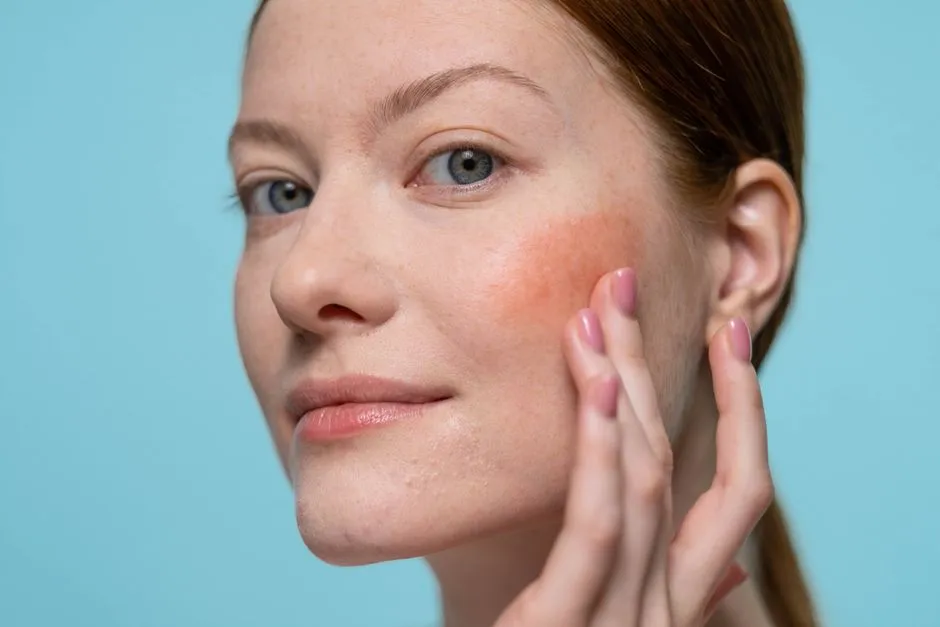
Blushing is characterized by the unusual combination of cutaneous vasodilation of the face, neck, and ears, accompanied by activation of the sympathetic nervous system. This specific zone is not coincidental. The blush region has a distinctive anatomical structure that lends itself to reddening produced by increased blood flow close to the skin, with facial skin containing large numbers of capillary loops in the dermis, and the venous plexus, an extensive network of veins in the subcutaneous layer, holding a large volume of blood. The ears sit squarely within this anatomical territory, making them one of the most reactive spots on the body.
Beta-Adrenergic Receptors: A Key Detail

Most psychological attention in blushing research has focused on beta-adrenergic receptors in the facial area, where there is a high density of these receptors in the facial veins, and sympathetic arousal of these receptors produces vasodilation. What makes this particularly interesting is how different it is from what happens in the rest of the body. What makes blushing special is that it involves selective vasodilation in the face. In most fight-or-flight scenarios, blood vessels in the skin constrict to preserve blood for vital organs and muscles, but in blushing, the vessels in the face behave differently, opening up rather than tightening.
Heat Dissipation Through the Ear
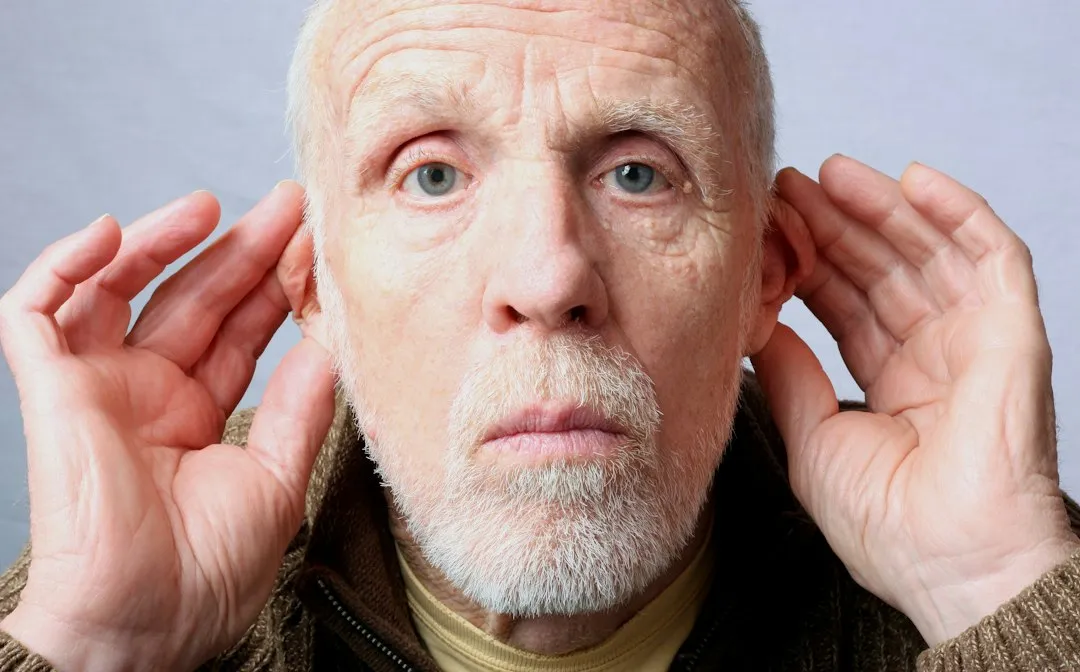
The increased volume of warm blood moving closer to the surface of the skin in the ear helps dissipate heat through convection, which is why the ear feels warm to the touch. In a normal thermal context, this kind of response would make sense as a cooling mechanism. A fascinating physiological paradox occurs during an emotional blush: normal thermal vasodilation during exercise is a systemic response designed to cool the entire body down, but emotional blushing is intensely localized and actively contradicts the body’s actual thermal needs. Your ears are essentially radiating heat that your body didn’t actually need to lose.
It’s Involuntary and Essentially Uncontrollable
Blushing is the only social signal the human body produces that cannot be consciously controlled, suppressed, or deliberately performed on demand. The face reddens, blood rushes to the cheeks, ears, and neck, and there is nothing the person can do to stop it. That involuntary nature is part of what makes it so socially loaded. Blushing is fundamentally a response to unwanted social attention, the acute awareness that you are being seen, evaluated, or exposed in a way you did not invite or control, with the core trigger being the sudden shift from being a subject experiencing the world to being an object being observed by it.
Blushing as a Social Signal, Not Just a Side Effect

Scientists think blushing evolved as a social signal, a way of showing others that we recognize a mistake or feel embarrassed, and it can actually help build trust because people often see blushing as a sign of honesty or sincerity. It can signal a nonverbal apology for a social misstep that helps maintain social bonds after a transgression. Darwin was among the first to notice how uniquely human this response is. Unlike fear or anger, which are found across many species, blushing appears to be uniquely human, suggesting that embarrassment evolved as part of our complex social communication system, a way to maintain trust and empathy within a group.
When Blushing Becomes a Bigger Problem

The disorder of excessive blushing can be quite pronounced, and it affects a significant percentage of people who suffer from social phobia, with the prevalence rate of social phobia estimated at roughly ten percent of the population, amounting to around thirty million people in the United States alone. For some, the physical response amplifies the very anxiety that caused it. While many in the medical community consider facial blushing trivial or normal, many patients state that it causes a significant negative impact on their quality of life. The parasympathetic nervous system eventually steps in to restore calm, and the redness will fade and your racing heart will return to its normal pace, thanks to the parasympathetic nervous system, which slows your heart rate, lowers blood pressure, and returns your body to a calm, balanced state after a fight-or-flight response.
The Takeaway

Your ears turning hot during embarrassment is not a flaw in your wiring. It’s a deeply embedded part of human social biology, shaped by thousands of years of group living and the need to communicate honesty without words. What embarrasses us changes from culture to culture, but blushing in response to embarrassment is a pan-human expression that does not depend on culture or learning, and the hard-wired nature of blushing was preserved over generations of evolutionary pressure. The next time your ears glow red in a crowd, you can at least take comfort in knowing it’s one of the most honest things your body will ever do.
AI Disclaimer: This article was created with the assistance of AI tools and reviewed by a human editor.