
The Scale of the Problem
About one in three adults between the ages of 65 and 74 have hearing loss. The numbers climb steeply after that. This figure jumps to roughly 84 percent for those over 80.
Age-related hearing loss, known as presbycusis, is the most common form of hearing loss worldwide and is estimated to affect two-thirds of Americans aged 70 and older. Globally, the scope is just as striking. By 2025, the global population aged 60 and above was projected to reach approximately 1.2 billion individuals, including over 500 million people affected by presbycusis.
Prevalence among those aged 44 to 54 sits at around 11 percent, rising to 25 percent among those aged 55 to 64, and reaching 43 percent among those aged 65 to 84. It is not a rare condition. It is the slow, predictable result of an aging auditory system.
What Presbycusis Actually Is
Presbycusis, also known as age-related hearing loss, refers to a gradually progressive, irreversible, symmetrical sensorineural high-frequency hearing impairment that occurs with advancing age. The word “symmetrical” matters here. Both ears tend to decline together, which makes the change harder to notice at first.
The condition gradually develops with balanced bilateral hearing loss and no associated symptoms, and it may take years to progress until the patient and those around them become aware of the hearing impairment. That slow drift is part of why so many older adults go years without seeking help. The change sneaks up on them.
Why High Frequencies Go First
Aging is associated with a decline in the function of multiple organ systems, and the inner ear is particularly susceptible. With advancing age, the structure and function of the inner ear deteriorate irreversibly, resulting in progressive bilateral sensorineural hearing loss that primarily affects high-frequency hearing.
Over time, the detection of high-pitched sounds becomes more difficult, and speech perception is affected, particularly involving sibilants and fricatives – the “s,” “sh,” “f,” and “th” sounds that carry so much meaning in everyday conversation. Most often, presbycusis affects the ability to hear high-pitched noises, while the ability to hear low-pitched sounds is often not affected.
The Inner Ear Mechanism Behind It
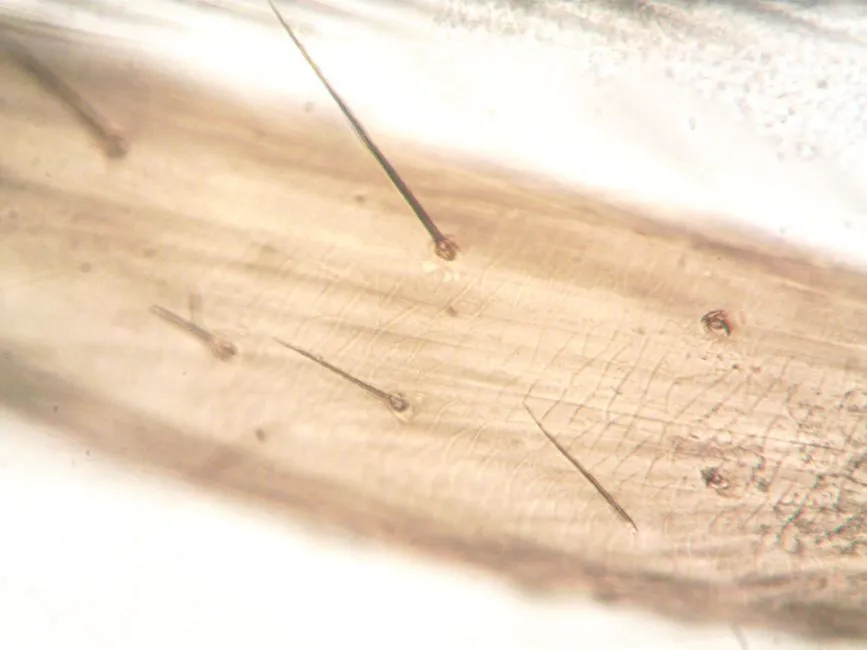
Without sufficient endocochlear potential, cochlear amplification provided by the outer hair cells becomes insufficient, and high-frequency hearing loss results. Degeneration of the sensory cells, especially the outer hair cells, also leads to hearing loss due to lack of amplification.
Analysis of over 120 autopsy specimens shows that inner-ear sensory cell loss can largely explain the audiometric patterns in aging, with minimal contribution from the stria vascularis, previously viewed as the major locus of age-related hearing dysfunction. These data reveal dramatically greater hair cell loss in high-frequency cochlear regions than seen in any aging animal model.
Sensory hair cells in the cochlea are susceptible to loud noises, some medications, and the natural aging process. When damaged, they are often killed and are not naturally replaced or regenerated, meaning the accumulation of damage leads to hearing loss that is currently irreversible.
Why Women’s and Children’s Voices Are Especially Difficult

Most cases of hearing loss related to aging are high-frequency hearing loss, meaning that higher-pitched sounds become harder to hear. Because children have higher-pitched voices than adults, a person with this type of loss may struggle to understand what they say more than when talking with people who have deeper voices.
Men typically experience difficulty hearing consonants, high-pitched sounds, and women’s and children’s voices. Women’s voices tend to sit in a higher fundamental frequency range than men’s voices, which places them squarely in the zone where age-related damage accumulates most aggressively.
Children’s voices are even further up the frequency scale, and they also tend to be less precisely articulated than adult speech. This combination makes understanding a child’s question or story genuinely difficult, not a matter of inattention.
The Gender Difference in Hearing Loss Patterns
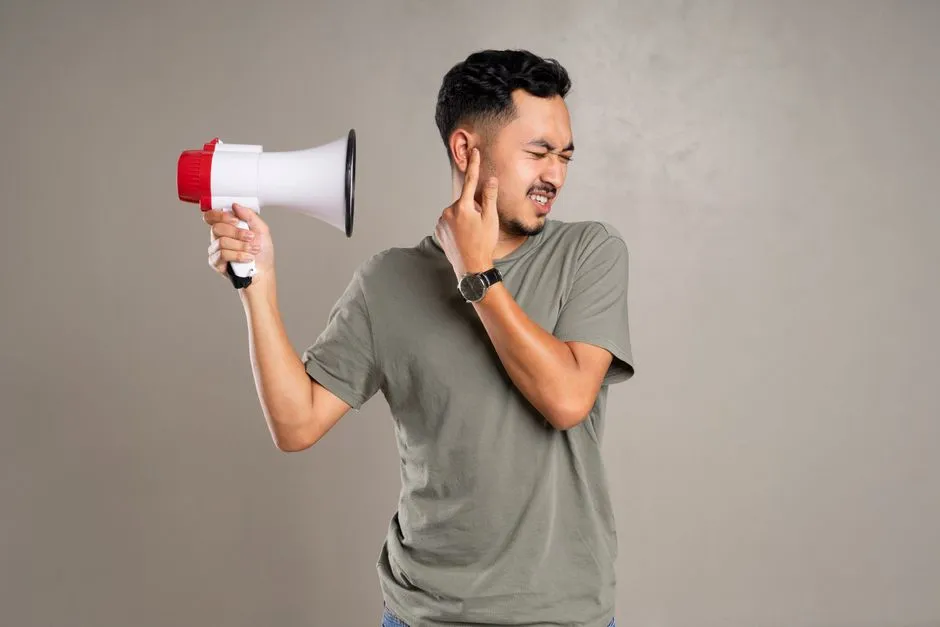
Men are at a higher risk of developing hearing loss compared to women and they usually struggle to hear high-frequency sounds first. The reasons for this gap are not entirely settled, but occupational and recreational noise exposure are strong contributing factors.
Significant differences between older and younger age groups were observed for both men and women. Hearing thresholds of women were higher in some low frequencies, whereas in men, greater hearing loss was observed at frequencies from 3 kHz onwards. This means men and women lose hearing in somewhat different frequency ranges as they age, even if the overall condition of presbycusis affects both.
Men ages 20 to 69 are nearly twice as likely to have hearing loss compared to women in the same age range, suggesting that a lifetime of cumulative noise exposure plays a significant role well before old age even arrives.
The Role of Noise Exposure Over a Lifetime
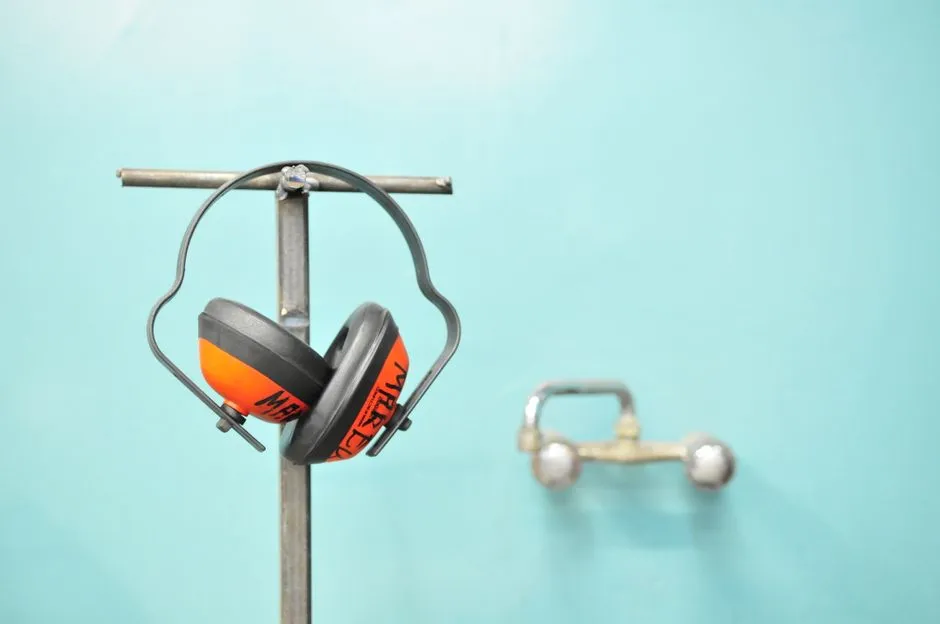
The effects of age can be exacerbated by exposure to environmental noise, whether at work or in leisure time such as shooting or music. Many older adults today worked in factories, construction sites, or other loud environments decades before hearing protection was standard practice.
Noise exposure is a major cause of age-related hearing loss. It is well known to cause sensory cell degeneration, especially the outer hair cells at the high-frequency end of the cochlea. Hair cell degeneration in aging humans is dramatically worse than that in aging animals, suggesting that the high-frequency hearing losses that define human presbycusis reflect avoidable contributions of chronic ear abuse to which aging animals are not exposed.
When the Brain Gets Involved

In addition to changes in the cochlea, presbycusis involves biological aging in the central auditory system. This is a detail that often gets overlooked. Even when sounds are loud enough to detect, the brain’s ability to decode them quickly and accurately can decline separately.
Neuronal degeneration, another hallmark of age-related hearing loss, most likely underlies difficulties with speech discrimination, especially in noisy environments. A busy restaurant, a family gathering with overlapping conversations, or a windy outdoor setting can render even a modestly impaired ear nearly useless for understanding speech.
Studies have shown that older adults with hearing loss have a greater risk of developing dementia than older adults with normal hearing. The connection between untreated hearing loss and cognitive decline is now one of the more robust findings in aging research, giving additional weight to the importance of early detection.
The Social Cost of Struggling to Hear
Presbycusis contributes to communication difficulties, isolation, and cognitive decline in elderly adults. These consequences are not inevitable, but they tend to compound when hearing loss goes unaddressed for years.
Struggling to fill in blanks in sound forces the brain to strain and can lead to frustration and exhaustion from just a casual social interaction. An older adult who finds every conversation genuinely tiring may simply withdraw, and that withdrawal is often misread by family members as indifference or cognitive decline rather than hearing difficulty.
People with hearing loss may find it hard to have conversations with friends and family, and may also have trouble understanding a doctor’s advice, responding to warnings, and hearing doorbells and alarms. The ripple effects extend far beyond simply missing a few words.
What Can Be Done About It
Research shows that presbycusis occurs in roughly 10 percent of people aged 44 to 54, rising to around 25 percent of those aged 55 to 64 and roughly 40 percent of those in the 65 to 84 age group. Given this trajectory, regular screening starting in midlife makes a practical difference.
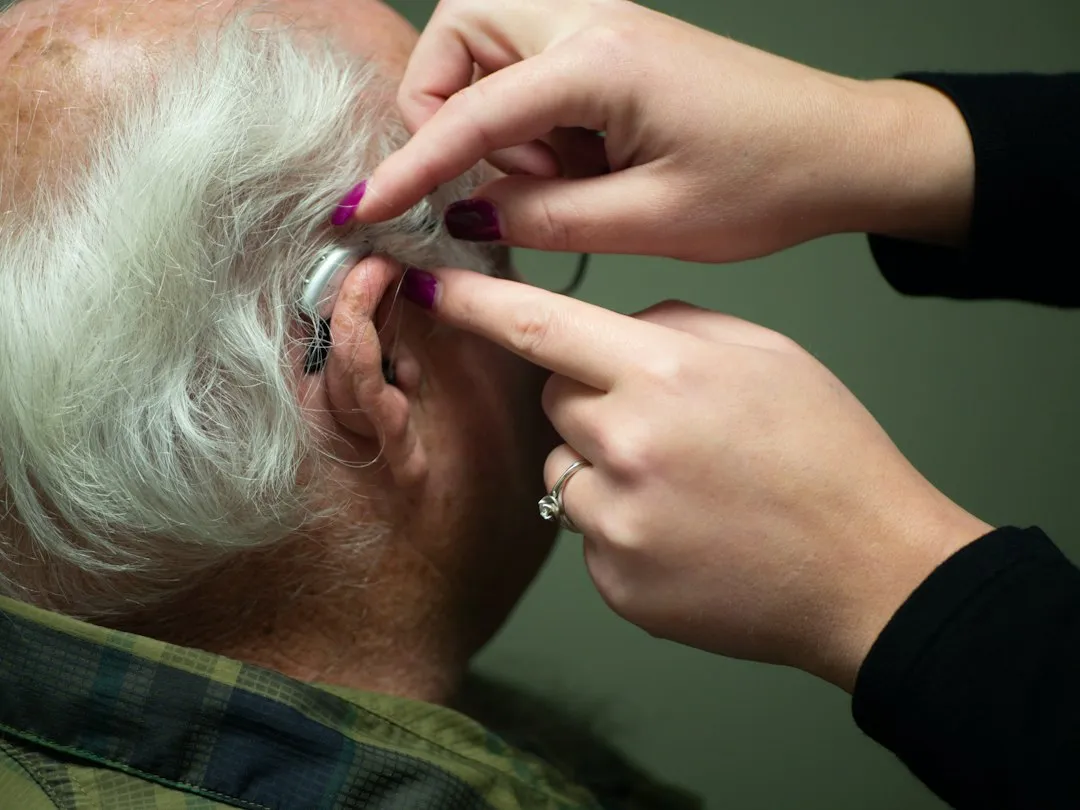
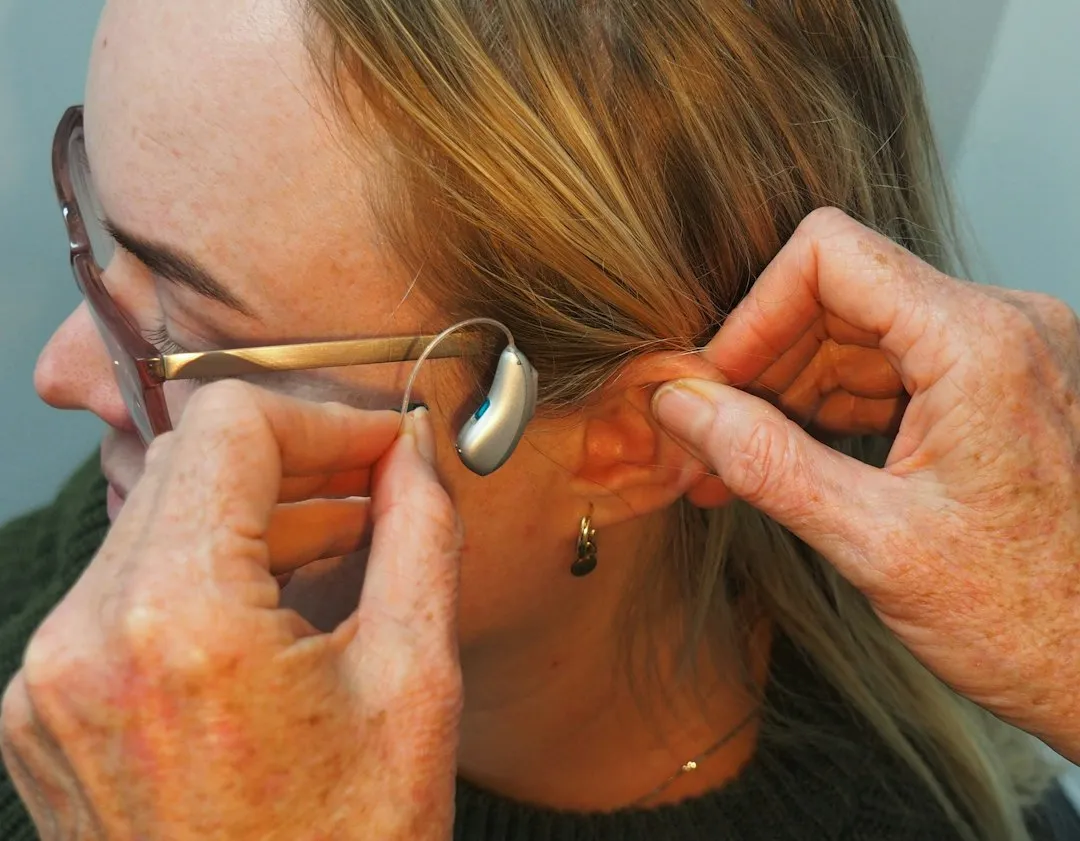
There is no cure for presbycusis, but using hearing aids may improve your hearing. Modern hearing aids are considerably more sophisticated than those of a generation ago, with the ability to amplify specific frequency ranges rather than simply making everything louder. While hearing aids and cochlear implants can offer relief from hearing loss, the hearing these devices offer does not accurately recapitulate natural hearing.
At present, the only effective strategy for reducing age-related hearing loss is prevention of noise exposure. Wearing hearing protection in loud environments at any age, and limiting exposure to high-volume audio through headphones, remains the most straightforward way to slow the progression of damage that will otherwise accumulate quietly over decades.
The Takeaway
The reason a grandparent can follow a low-voiced anchor on television but cannot quite hear what a grandchild is whispering has a clear and verifiable explanation. It is not selective attention or stubbornness. It is the predictable biology of an aging cochlea losing its most vulnerable cells at the high-frequency end first.
Understanding this makes it easier to approach the situation with patience rather than frustration, both for the person experiencing the loss and for the family members around them. Simple adjustments help: facing the person when speaking, keeping background noise low, and speaking clearly rather than simply louder.
Age-related hearing loss is among the most common sensory changes of later life, yet it remains one of the most underdiscussed. Getting it on the radar early, through regular hearing checks from around age 50, is the most practical step available. What can’t be reversed can at least be managed, and managed well.
AI Disclaimer: This article was created with the assistance of AI tools and reviewed by a human editor.