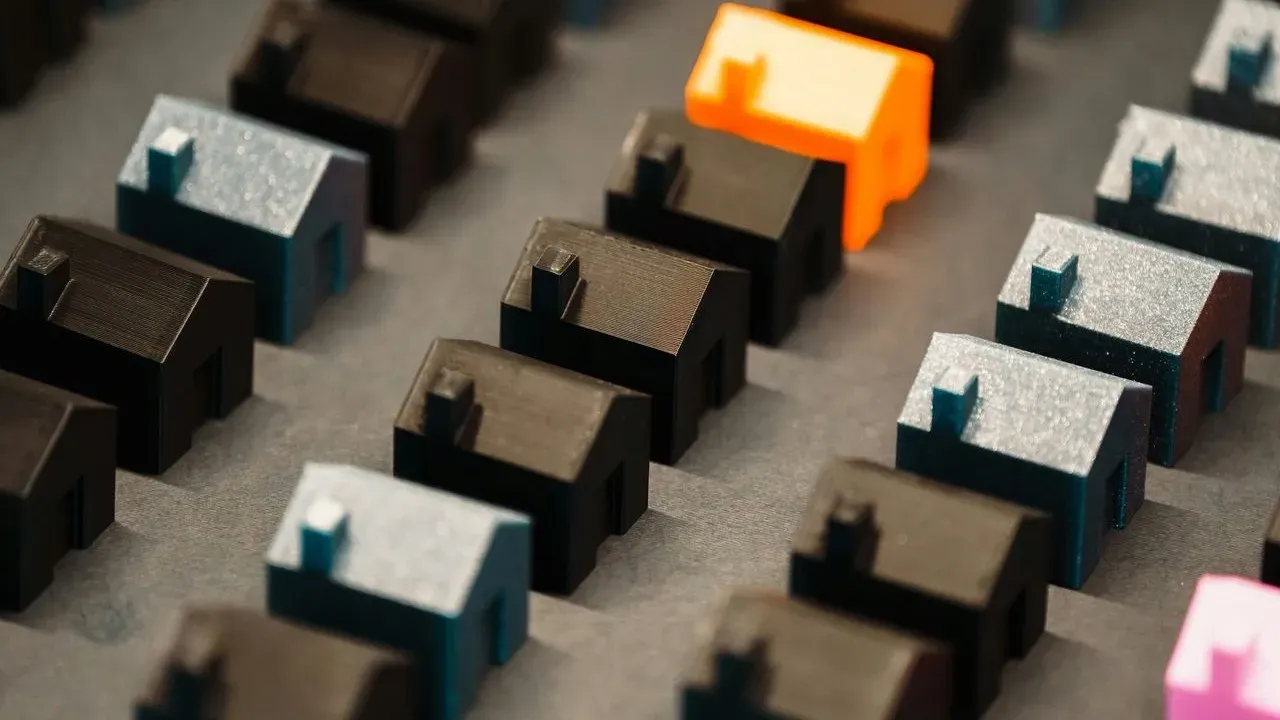

Homebuyers in Texas are purchasing 3D-printed homes constructed by robots at prices around $600,000. These properties stand out for their reduced maintenance demands and strong energy performance. The trend reflects growing interest in construction methods that deliver practical advantages over traditional building approaches. ([1])
Robotic Construction Changes Home Building
Robots handle the layer-by-layer printing of walls and structural elements using specialized concrete mixtures. This process shortens build times compared with conventional framing and finishing crews. Developers in Texas have applied the technology to create complete residences ready for occupancy. The method reduces material waste and allows precise control over design specifications.
Stakeholders include construction firms adopting the equipment, local buyers seeking efficient properties, and suppliers of printing materials. The approach fits within broader efforts to address housing demand through faster production cycles. Texas markets have seen initial uptake as the homes reach completion and enter the sales pipeline.
Practical Advantages for Owners
Owners report lower ongoing maintenance because the printed structures feature fewer seams and joints that typically require repairs. The solid walls also contribute to better insulation, which supports reduced energy consumption for heating and cooling. These characteristics appeal to households focused on long-term operating costs rather than initial purchase price alone.
Energy efficiency stems from the thermal mass of the printed materials and the ability to incorporate design features that minimize air leakage. Maintenance savings arise from the durability of the exterior surfaces, which resist weathering more effectively than some traditional finishes. Buyers weigh these factors when comparing options in the current market.
Market Response and Buyer Interest
Sales activity shows demand for the robot-built homes at the $600,000 price point. Purchasers cite the combination of modern construction and predictable upkeep as key decision drivers. The homes integrate into existing neighborhoods without requiring specialized infrastructure beyond standard utilities.
Real estate professionals note that the properties attract attention from both first-time buyers and those relocating within the state. The technology remains relatively new, yet early examples demonstrate consistent performance in Texas climate conditions. Continued adoption depends on scaling production and refining material formulations.
Outlook for Wider Adoption
Expansion of robotic 3D printing in residential construction could influence supply timelines and cost structures across regions. Texas serves as an early testing ground where regulatory and market conditions support the projects. Developers continue to refine the process to meet building codes and buyer expectations.
Longer-term effects may include shifts in labor requirements for home building and greater emphasis on material science for printed structures. The current sales figures indicate that the homes meet practical needs for a segment of the market seeking efficiency and durability.
AI Disclaimer: This article was created with the assistance of AI tools and reviewed by a human editor.