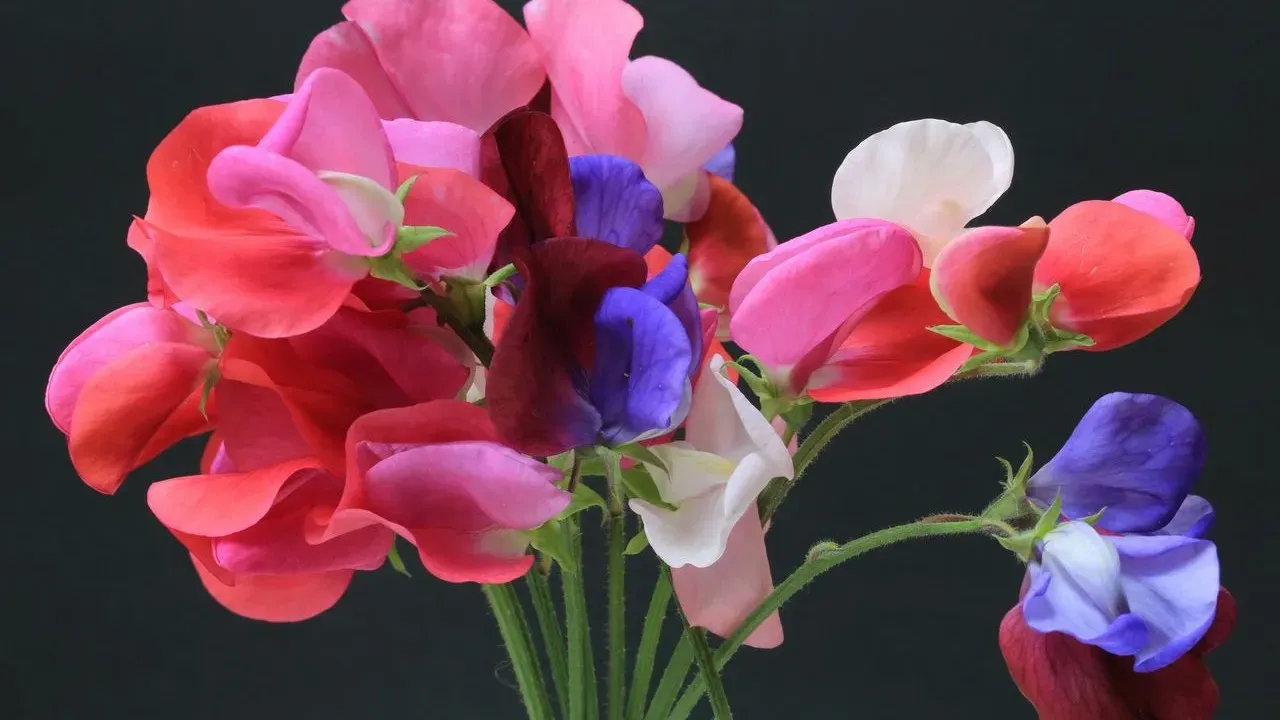

Gardeners tired of replanting annual flowers each spring are turning to a reliable alternative that returns on its own. Everlasting sweet peas, known scientifically as Lathyrus latifolius, are true perennials that regrow every year from underground rhizomes, offering a low-maintenance option for those seeking consistent color without the annual reset. This distinction sets them apart from the more common annual sweet peas, which must be sown fresh each season and often carry a stronger scent. The practical payoff is clear for anyone managing a fence line, border, or trellis: one planting can deliver blooms for multiple years with basic upkeep. ([1])
The Real Advantage for Busy Gardeners
Many gardeners face the same annual cycle of buying seeds or starts, preparing soil, and hoping for establishment before summer heat arrives. Everlasting sweet peas sidestep much of that routine because the plants emerge from established rhizomes as soon as conditions warm. This means earlier blooms in many climates and less money spent on replacements year after year. The vines still require initial support and attention to placement, yet the long-term savings in labor and materials appeal to anyone balancing a garden with work or family demands. The contrast with annual varieties becomes especially noticeable in smaller yards or community plots where space and time are limited. Once the rhizomes are settled, the plant focuses energy on new growth rather than root development from scratch. Gardeners report steadier performance across seasons, provided basic needs for drainage and sunlight are met.
Key Care Requirements That Keep Plants Thriving
Successful growth starts with choosing the right spot and soil. These climbers prefer full sun or at least six hours of exposure, though afternoon shade helps in hotter southern regions. Well-drained, fertile soil works across a range of pH levels, and adding compost at planting time supplies steady nutrients without excess nitrogen that can favor leaves over flowers. Watering follows a simple rule: check the top inch of soil and irrigate only when it feels dry. The plants tolerate drought once established, which reduces the need for constant monitoring during dry spells. Fertilizer applications twice a season with phosphorus- and potassium-rich products encourage more blooms, while regular inspection catches occasional aphids or slugs before they spread.
Planting Timing, Propagation, and Seasonal Tasks
Timing depends on local climate. In cooler areas, early spring planting allows roots to settle before summer. Warmer regions often see better results from fall planting so the rhizomes can establish during milder months. Seeds benefit from a 24-hour soak before sowing at around 65 degrees Fahrenheit, after which seedlings can be hardened off and moved outdoors. Propagation through cuttings offers another route for expanding plantings. A stem from a two-month-old plant placed in water typically roots within a few weeks, providing new starts without purchasing additional seeds. In fall, the deciduous vines are cut back to ground level after blooming ends, allowing the rhizomes to rest and regrow the following season.
Supporting the Vines and Avoiding Common Pitfalls
Because these are vigorous climbers, sturdy trellises, fences, or netting are essential from the start. New shoots should be guided onto supports to prevent tangling with neighboring plants. Container growing is possible with a well-mixed potting medium that includes perlite or sand for drainage, though consistent moisture checks become more important in pots. Non-flowering often traces back to insufficient sunlight, skipped deadheading, or nutrient imbalances. Addressing these factors usually restores blooms without major intervention. The plants attract pollinators such as brimstone butterflies, adding ecological value beyond their ornamental role. Gardeners who invest in these perennials gain a dependable source of summer color that reappears with minimal annual effort, freeing time for other projects while still enjoying a living fence or border that improves with each passing season.
AI Disclaimer: This article was created with the assistance of AI tools and reviewed by a human editor.