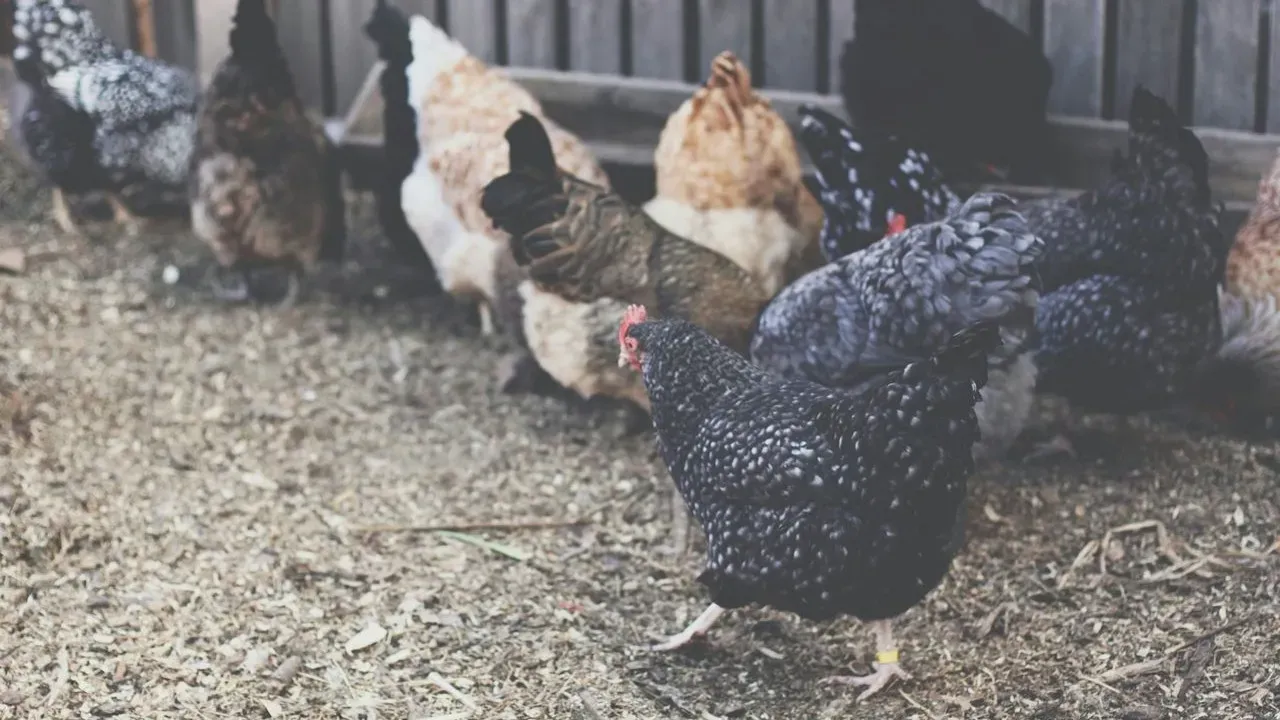

Backyard chicken keepers often assume their birds will manage through dropping temperatures without extra attention. In reality, cold stress can affect flocks when conditions change suddenly or when housing falls short on basic protections. The original source highlights this concern as winter sets in. ([1])
Understanding Cold Stress in Chickens
Chickens tolerate cold far better than many owners expect, yet prolonged exposure to wet conditions or drafts can still create problems. Birds lose body heat quickly when feathers become damp or when they cannot maintain a dry resting area. Cold stress shows up as reduced activity, lower egg production, and increased vulnerability to illness. Keepers who watch for these early signs can intervene before issues worsen. The process begins with temperature drops that outpace the birds’ natural adaptations. A well-feathered flock can handle freezing nights if the environment stays dry and sheltered. Moisture inside the coop remains the larger threat because it strips insulation from feathers. Monitoring daily conditions helps owners separate normal winter behavior from genuine stress.
Common Care Mistakes That Worsen the Problem
Many keepers add extra heat sources that create more risks than benefits. Unsafe heaters or lamps can cause fires and disrupt the birds’ ability to acclimate naturally. Overcrowding the coop to “keep them warm” often leads to poor air quality and higher disease transmission. Another frequent error involves sealing the coop too tightly. Without proper ventilation, humidity builds up and condensation forms on walls and bedding. This damp environment works against the very insulation chickens rely on. Simple adjustments to airflow and bedding management prevent most of these issues.
Practical Steps That Support Flock Health
Focus first on a dry, draft-free shelter with good ventilation at the top. Fresh bedding that absorbs moisture keeps the floor clean and the birds comfortable. Provide unfrozen water daily, either through heated bases designed for coops or by frequent changes in smaller containers. Increase feed slightly as temperatures fall, since birds burn more energy to stay warm. Offer protected outdoor access on milder days so the flock can move and maintain muscle tone. Regular checks for signs of stress allow quick corrections before conditions deteriorate. These measures address the core needs without introducing unnecessary hazards. Owners who apply them consistently see steadier production and healthier birds through the season.
AI Disclaimer: This article was created with the assistance of AI tools and reviewed by a human editor.