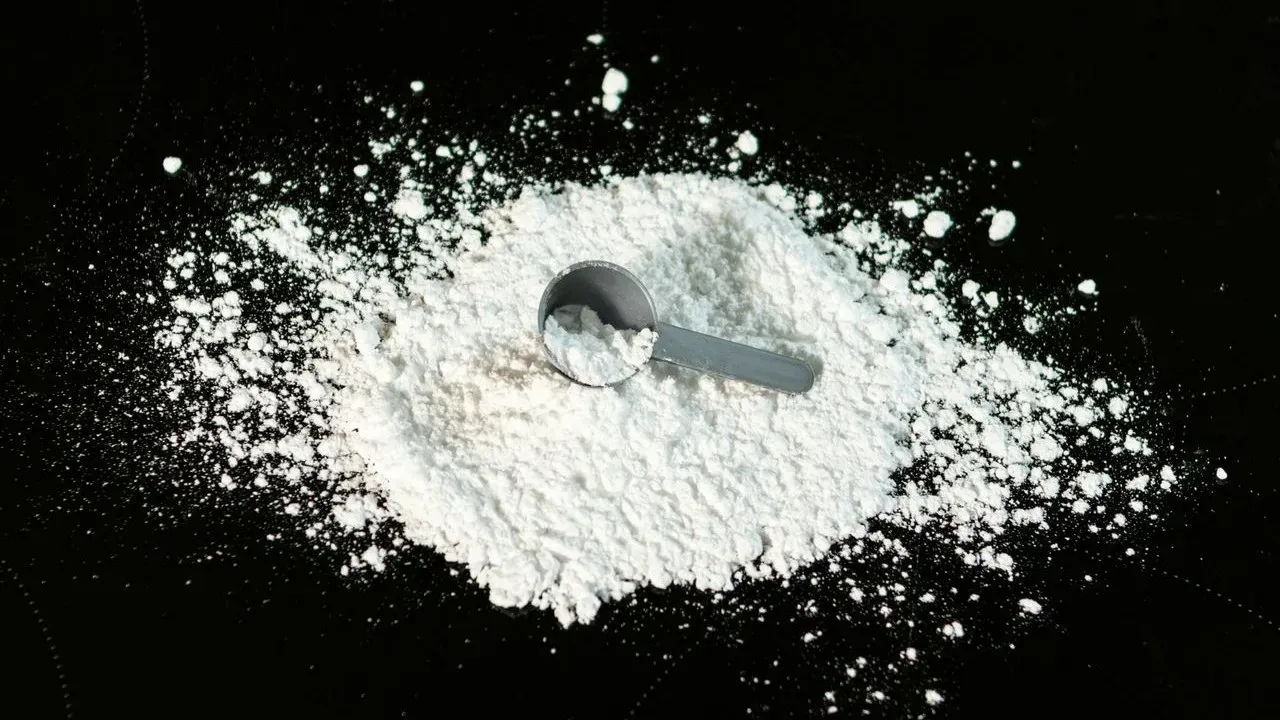

American consumers may soon notice subtle shifts in the sodium levels of familiar packaged foods. The U.S. Food and Drug Administration has finalized a rule that gives manufacturers greater leeway to replace some salt with alternatives in products long governed by strict recipes. The change, published October 13 in the Federal Register, takes effect December 14 and targets more than a hundred standardized items that previously locked salt into their definitions. ([1])
Why the change matters now
Many everyday staples such as certain cheeses, canned vegetables, and baked goods have long followed federal standards of identity that name salt as a required or permitted ingredient. Those rules left little room for substitutes even when companies wanted to cut sodium. The new flexibility addresses that gap directly.
Food makers have faced pressure to lower sodium for years, yet the rigid standards created a practical barrier. With the update, producers can experiment with potassium chloride and other replacements without risking a product falling outside its legal definition. The move aligns with broader federal efforts to support healthier eating patterns across the supply chain.
Which products stand to change
The rule covers 139 standards of identity that once allowed or required salt but barred substitutes. Dairy items, including many cheeses, top the list of categories likely to see early adjustments. Manufacturers in that sector have already signaled they will use the new options to fine-tune recipes.
Other affected categories include certain processed meats, condiments, and grain-based products where salt plays a functional role in texture or preservation. Companies will still need to ensure safety and quality remain intact, but they now have an additional tool for gradual sodium reduction. The FDA has emphasized that any changes must continue to meet existing labeling and safety requirements.
Industry reaction and next steps
Trade groups representing dairy processors welcomed the decision. Michael Dykes, president and chief executive of the International Dairy Foods Association, noted that the update supplies manufacturers with added flexibility while preserving product quality, safety, and consumer expectations. Similar comments have come from other sectors that rely on standardized formulations.
Companies will need time to test substitute blends, adjust processing lines, and verify that taste and shelf life hold steady. Some products may reach shelves with modestly lower sodium within the next year, while others could take longer as reformulation work proceeds. Regulators expect the change to support ongoing sodium-reduction goals without forcing abrupt overhauls.
What shoppers can watch for
Labels on affected items will continue to list ingredients, so consumers who read them closely may spot new entries such as potassium chloride. Taste differences, if any, are expected to be minor because the rule encourages gradual rather than wholesale replacement. Shoppers concerned about sodium intake can compare nutrition facts panels over time to track any shifts.
The rule does not mandate lower sodium levels; it simply removes one regulatory obstacle. Progress will depend on individual company decisions and consumer acceptance of the reformulated products. For now, the change quietly expands the options available to food producers working within long-standing federal definitions.
AI Disclaimer: This article was created with the assistance of AI tools and reviewed by a human editor.