

Why the Garage Door Is More Dangerous Than It Looks
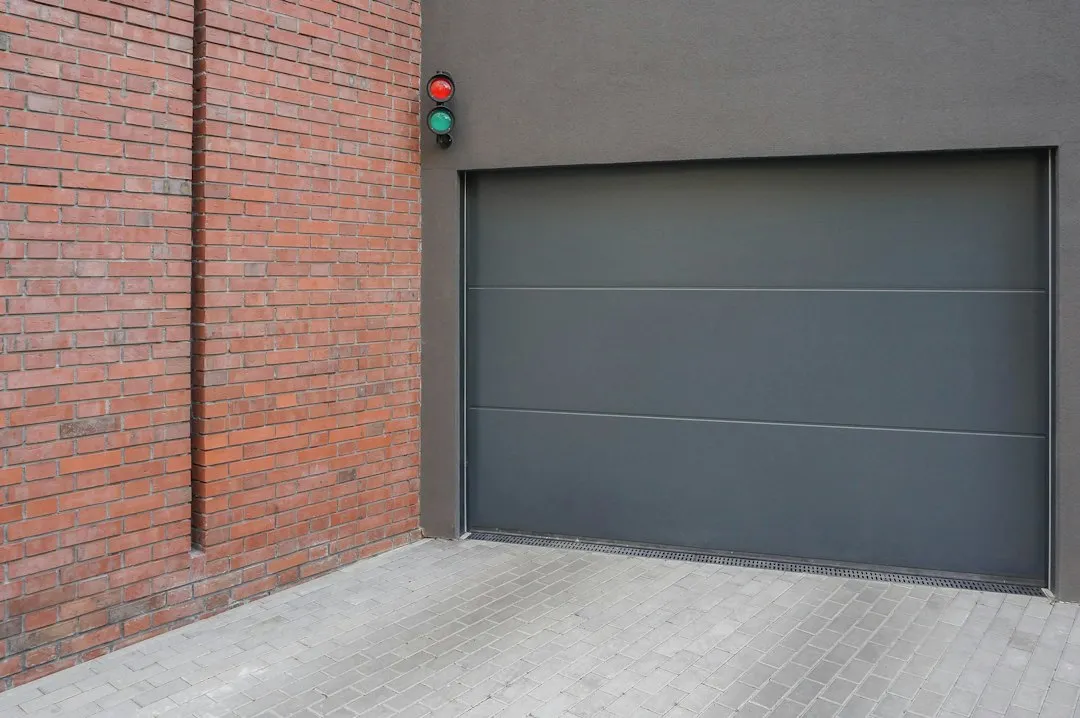
A garage door is the largest moving object in most homes, yet its basic mechanics often go unnoticed, especially the importance of proper balance. The door itself can weigh well over a hundred pounds. If anything goes wrong, that means more than 100 pounds of heavy door could fall onto someone. With larger garage door models, the weight involved could reach more than 200 pounds.
If a garage door is not balanced, it can be very dangerous. An unbalanced door places strain on the garage door, garage door opener, and its parts. The strain will cause your garage door opener to work harder than it should and can cause many parts to break or fail. An unbalanced door is not safe; the door could potentially crash down and cause injury or worse.
The Role of Springs in Keeping the Door Balanced
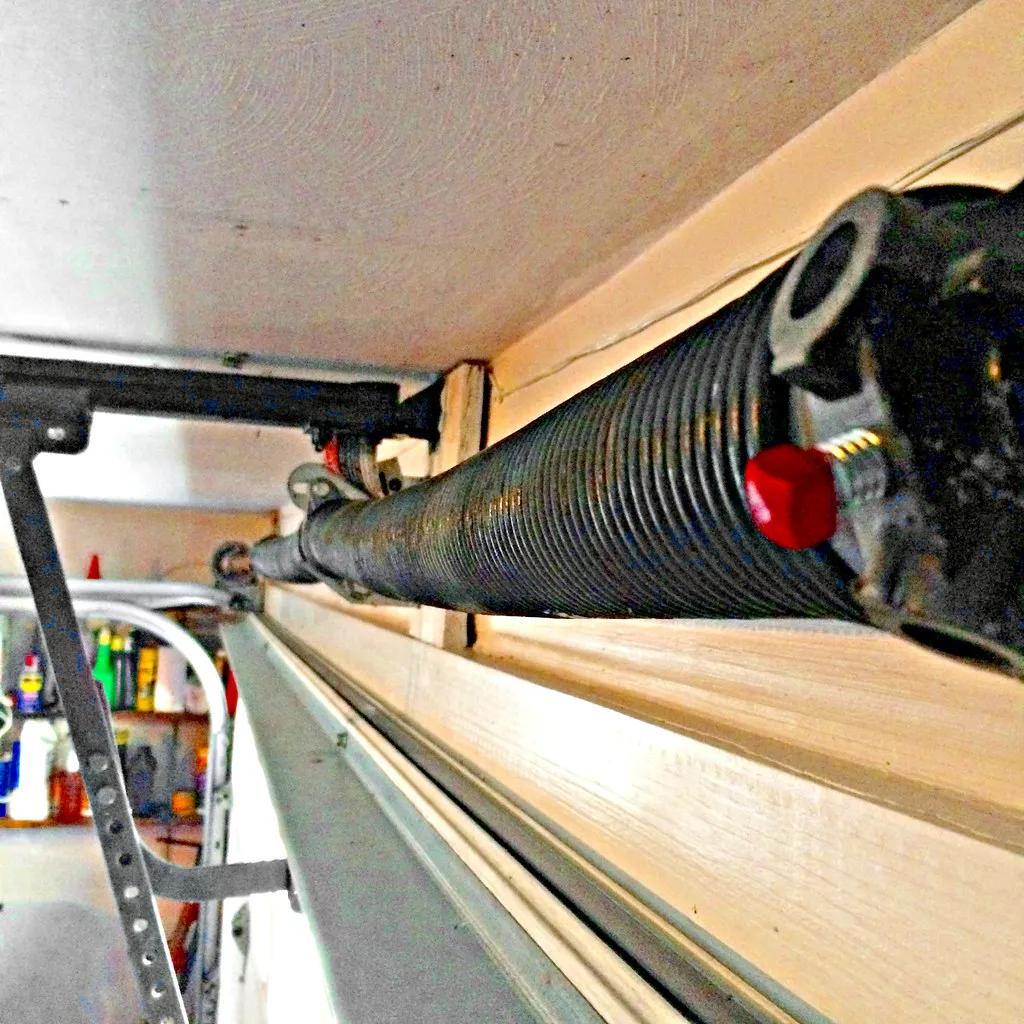
Torsion springs are calculated to counterbalance the weight of your garage door. Springs control the majority of the lifting and lowering of a garage door. This is the case whether a garage door is opened manually or with an automatic garage door opener. The balance of your garage door is based on the relationship between the garage door’s weight and the springs that are countering the weight.
When the springs are properly set, the opener only has to lift about zero to five pounds, which is the amount of force it is designed to handle. The springs do the heavy lifting. That’s worth pausing on. The opener motor, despite sounding authoritative, is essentially just guiding the door along. Torsion springs, used in most modern garage doors, support roughly ninety percent of the door’s weight during operation.
How Long Springs Actually Last

Most torsion springs are rated for 10,000 cycles, which works out to roughly seven to ten years for a typical household opening and closing the door three to four times a day. A cycle is one full open-and-close, so a busy family with teenagers coming and going can burn through that rating in half the time.
Most torsion springs last between 15,000 and 20,000 cycles, where one cycle equals one complete opening and closing of the garage door. For many households, this translates to roughly 7 to 12 years, depending on daily usage. Extension springs, which are used on older or lighter doors, tend to wear out faster. Extension springs are typically rated for around 5,000 to 10,000 cycles, giving them a lifespan of roughly five to ten years.
How to Perform the Balance Test Step by Step

Homeowners can easily perform a quick balance test to check whether their garage door is operating as it should. Start with the door fully closed and pull the red emergency-release cord to disconnect it from the opener. Then, using both hands, lift the door to about waist height and let go carefully.
Manually raise the garage door 36 inches off the ground. The door should easily open with one hand. Slowly let go of the door. A balanced door can move slightly, a foot or so, but shouldn’t drift all the way closed. The faster the door closes, the more out of balance it is. A slowly closing door is slightly out of balance, versus a slamming door being way out of balance.
What the Results of the Test Actually Mean
A properly balanced door will stay in place or drift only slightly. If it drops quickly, becomes difficult to lift, or shoots upward on its own, the springs are out of balance. Neither extreme is safe. If the door rises up after letting go, this tells you that the garage door springs are too tense and should be loosened. This extra structural stress places the springs at a greater risk of cracking or rupturing. If the door falls downward, the springs are too loose, which requires increasing their tension.
After the garage door balance test, professionals place a scale under the door in the closed position to measure how much force the opener must overcome. A properly balanced door should weigh between zero and five pounds. If the door weighs eight to ten pounds or more, the opener will struggle, leading to faster wear and mechanical failure.
Warning Signs You Should Not Ignore
Worn garage door springs quietly put your safety, your opener, and your entire door system at risk, and the warning signs often show up well before a full failure. Knowing what to listen and look for makes a real difference. Homeowners often notice subtle warning signs before a complete failure occurs. The most common indicators include the door moving slower than normal or hesitating during travel, the door slamming shut instead of settling softly, the opener humming loudly or sounding like it is straining, and the door feeling heavy or uneven when opened manually.
Another clear indicator that torsion springs may be failing is excessive squeaking, grinding, or other unusual noises when the door is in operation. While it’s normal for a garage door to make some noise, particularly during cold weather when metal parts contract, persistent squeaks or rattling sounds often point to issues with the springs. As torsion springs age, they stretch and contract with frequent use, leading to weakened areas and a loss of tension.
The Hidden Cost of an Unbalanced Door on Your Opener
When the springs begin to weaken or shift out of adjustment, the door becomes heavier, and that extra weight transfers directly to your garage door opener. Over time, this added strain can lead to premature motor failure, worn gears, and noisy or unreliable operation. Most opener motors are engineered to handle only a few pounds of resistance. When they’re doing the springs’ job too, they age at a much faster rate.
An unbalanced door poses a much greater risk of crashing back down on top of you, your family members, or your car. An unbalanced door can also increase the amount of stress your opener is exposed to, thus increasing the likelihood of burnout or motor problems. Replacing an opener prematurely is an avoidable expense that a balance test could have prevented.
Why the Sensor Reversal System Can Fail Under These Conditions
If your overhead door is unbalanced, be aware that your door may not reverse properly in an emergency, such as when the safety sensors detect an object in the way. Avoid using your garage door until a professional can evaluate and repair it. The safety reversal system is a last line of defense. It was not designed to compensate for a mechanically compromised door.
The CPSC requires garage door operators to reverse within two seconds if an obstruction is detected. An out-of-balance door can interfere with that response, since excessive weight changes the force calibration of the entire system. Worn-out or misaligned sensors are often overlooked, and these components prevent the door from closing if an obstacle is detected, posing safety hazards to children and pets.
How Often You Should Run the Test

It is recommended to check for proper door balance monthly to ensure your garage door and opener are running at their peak safety, performance, and efficiency levels. That said, even a test once or twice a year is far better than never. Homeowners should perform a garage door balance test at home at least once or twice a year. Regular testing helps detect early wear in torsion springs and prevents unexpected breakdowns or safety risks.
The International Door Association (IDA) reports that roughly three-quarters of garage door failures are due to lack of regular maintenance. That’s a striking figure. The balance test takes less than two minutes and requires no tools whatsoever. For most homeowners, the challenge isn’t technical ability, it’s simply the habit of doing it.
Why Spring Adjustment Is Never a DIY Job
It is possible to perform the balance test on your own. Yet under no circumstances should you attempt to alter the tension of your garage door springs. The incredible tension of these springs means you could easily be hurt should something go wrong. If you believe your door could benefit from a tension adjustment, be sure to contact a professional.
Garage doors are heavy and operate under high tension, especially when handling the springs. One wrong move while making your repairs can lead to severe injuries or even fatalities. A broken torsion spring often makes a sound that carries through the whole house, like a sudden bang. That energy has to go somewhere, and when it releases uncontrolled, the results can be dangerous. Leave the adjustment to a licensed technician every time.
The Takeaway
The balance test is not a niche diagnostic for garage door enthusiasts. It’s a two-minute safety check that anyone can do, and the information it gives you is genuinely useful. A well-balanced door should feel surprisingly lightweight because the springs are doing the work. When the springs begin to weaken or shift out of adjustment, the door becomes heavier, and that extra weight transfers directly to your garage door opener.
A door that passes the test gives you confidence. A door that fails it gives you a warning while there’s still time to act. When the counterbalance system is no longer holding, a door that drops unexpectedly is a serious crush hazard, especially for children, pets, or anyone walking underneath. The test doesn’t fix the problem, but it tells you the problem exists before you find out the hard way. That alone makes it worth doing.
AI Disclaimer: This article was created with the assistance of AI tools and reviewed by a human editor.