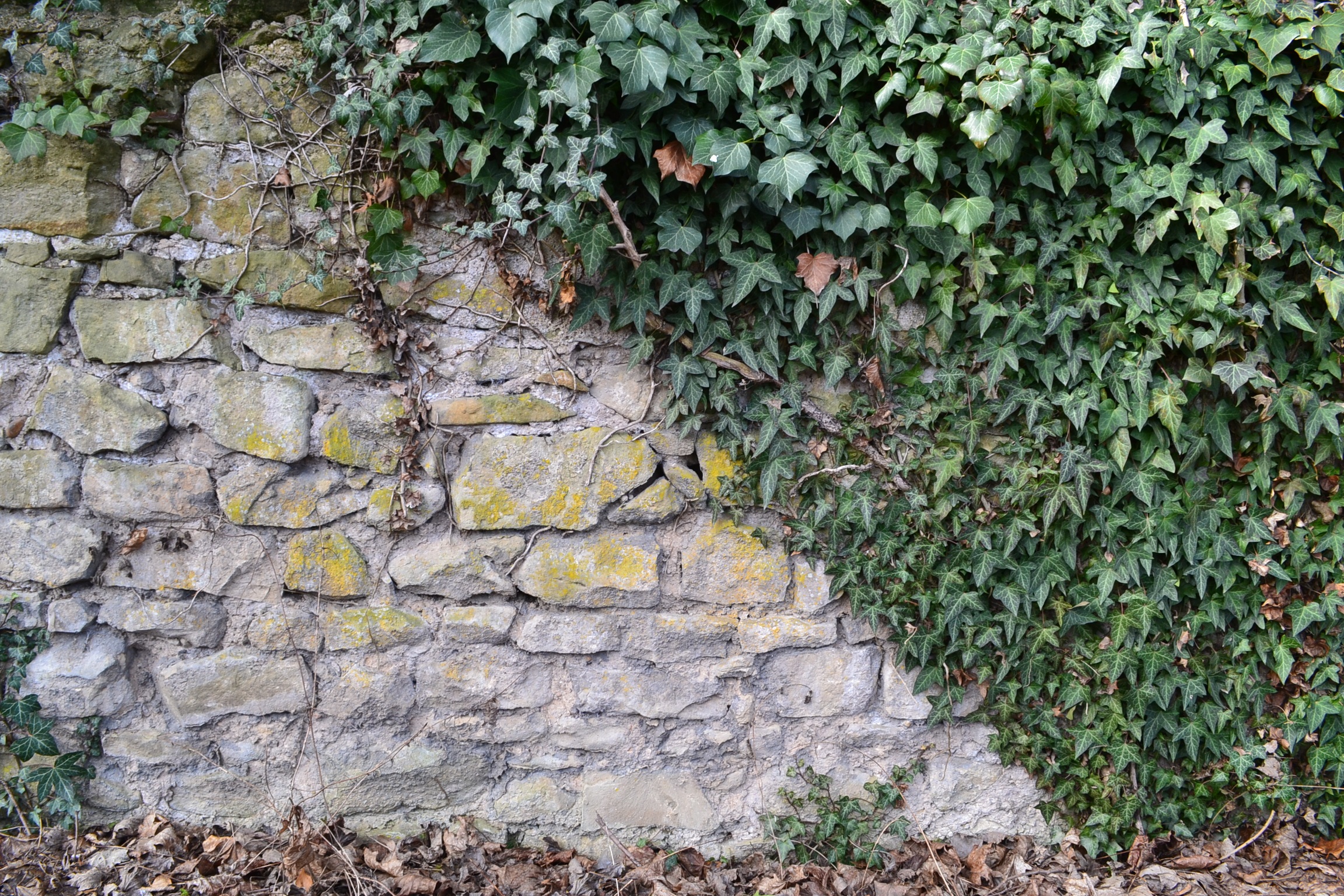

The Widespread Misconception About Ivy and Masonry
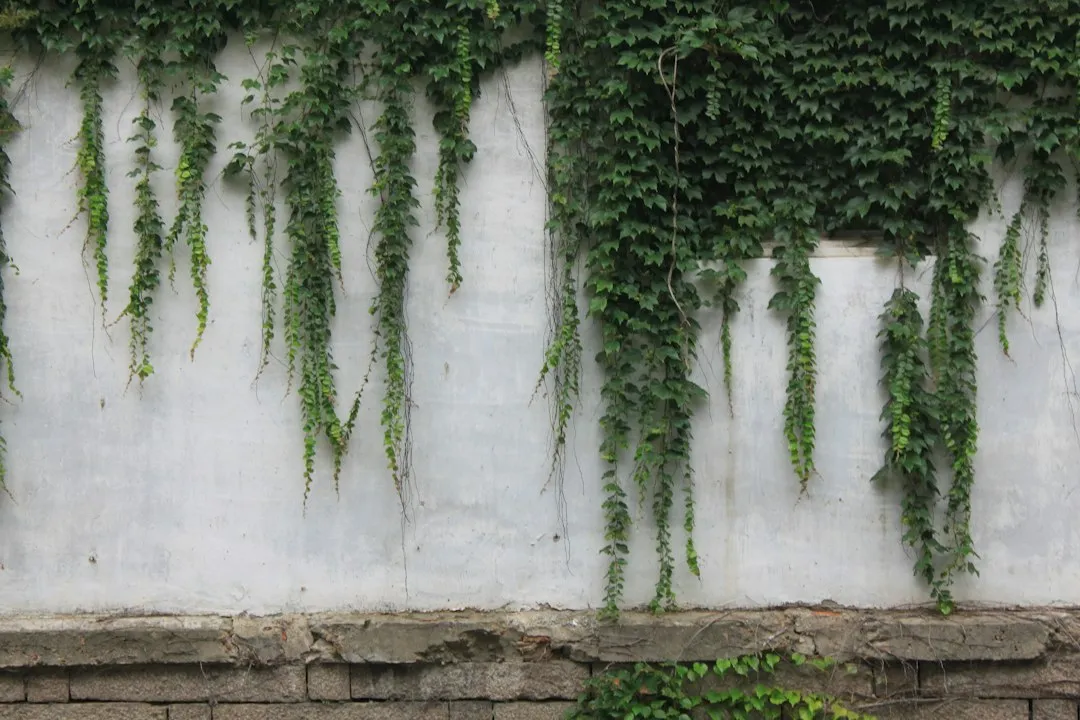
People often assume that common ivy, known scientifically as Hedera helix, growing on walls harms the masonry beneath. However, research from Historic England shows that ivy can sometimes benefit walls and buildings. That assumption has persisted for generations, shaped more by folklore than by evidence.
Ivy is regularly reported to damage the walls it grows on, and while there are some instances where it can cause or exacerbate damage, in most cases ivy does not cause these structural issues. The key distinction lies in the existing condition of the wall before ivy ever arrives.
Ivies have long been said to damage mortar and bricks as they climb, but this isn’t necessarily so. For the most part, ivy damage can be attributed to mortar that was already in poor shape prior to the ivy’s presence. Ivy roots can penetrate into small fissures and cracks in the mortar, but they aren’t strong enough to make new cracks of their own.
How Ivy Actually Attaches Itself to Brick
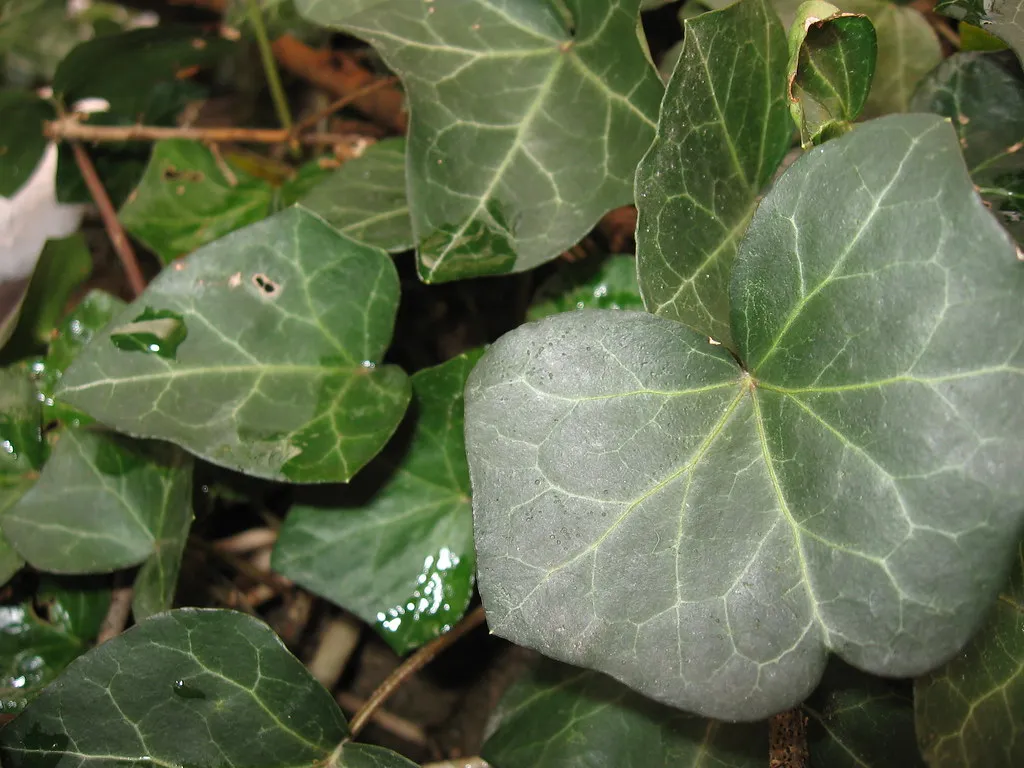
Unlike other vining plants, such as wisteria and bittersweet, that climb by twining around an object, ivies climb by producing aerial roots or little, suction cup-like pads along their roots and stems that “grab” onto surfaces in order to climb them. This attachment mechanism is central to the entire protection-versus-damage debate.
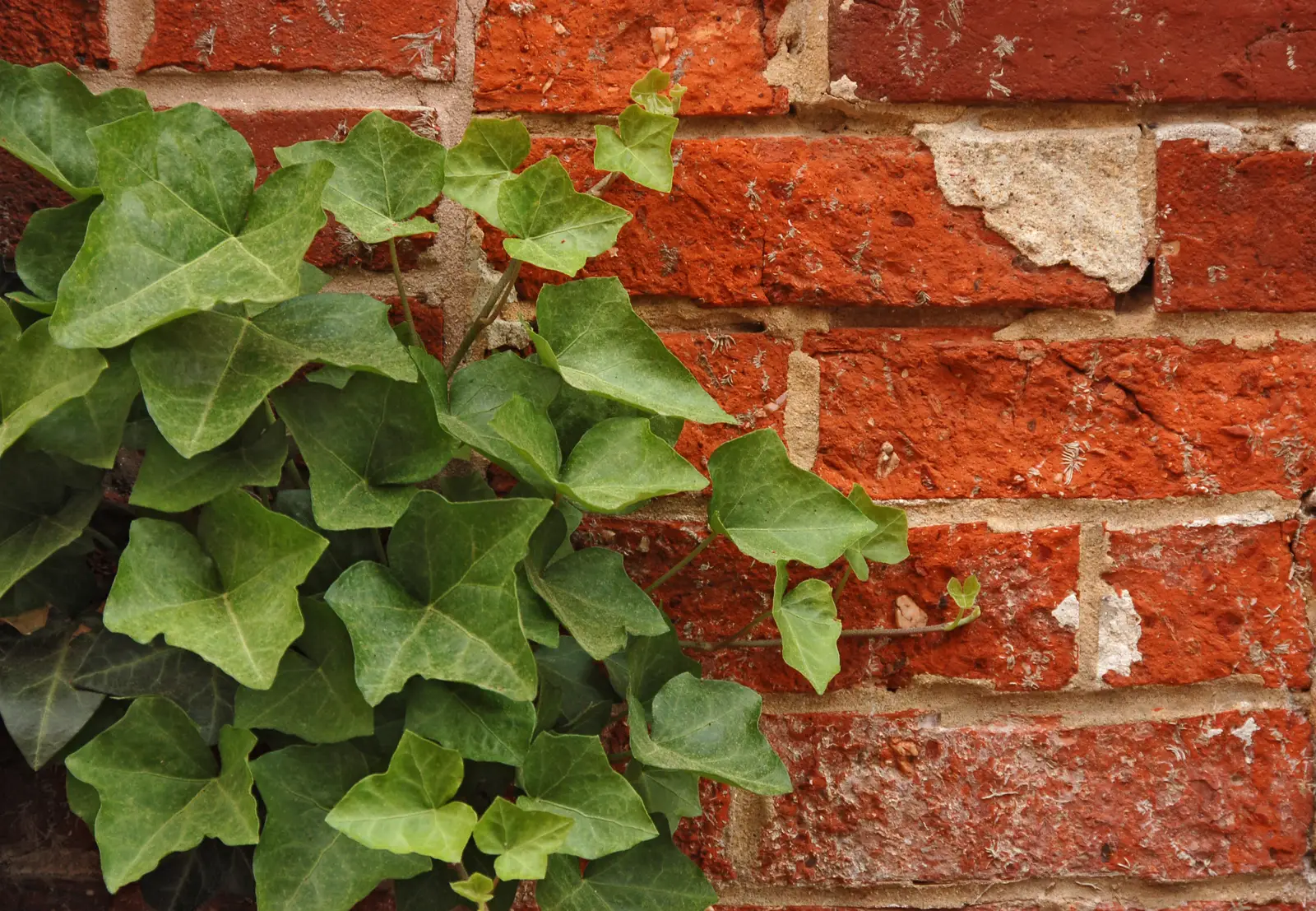
Many of the plants that grow most often on brick, including Boston ivy, attach themselves with small disc-shaped appendages. These miniature suction cups emit an adhesive that binds the plant to the masonry. English ivy, by contrast, uses actual aerial roots, which behave quite differently under stress.
English ivy, Hedera helix, is capable of supporting itself by means of aerial roots, which can cause considerable structural damage when they penetrate cracks or joints in structures. Species selection, then, matters quite a lot from the outset.
When Ivy Actually Protects Your Walls
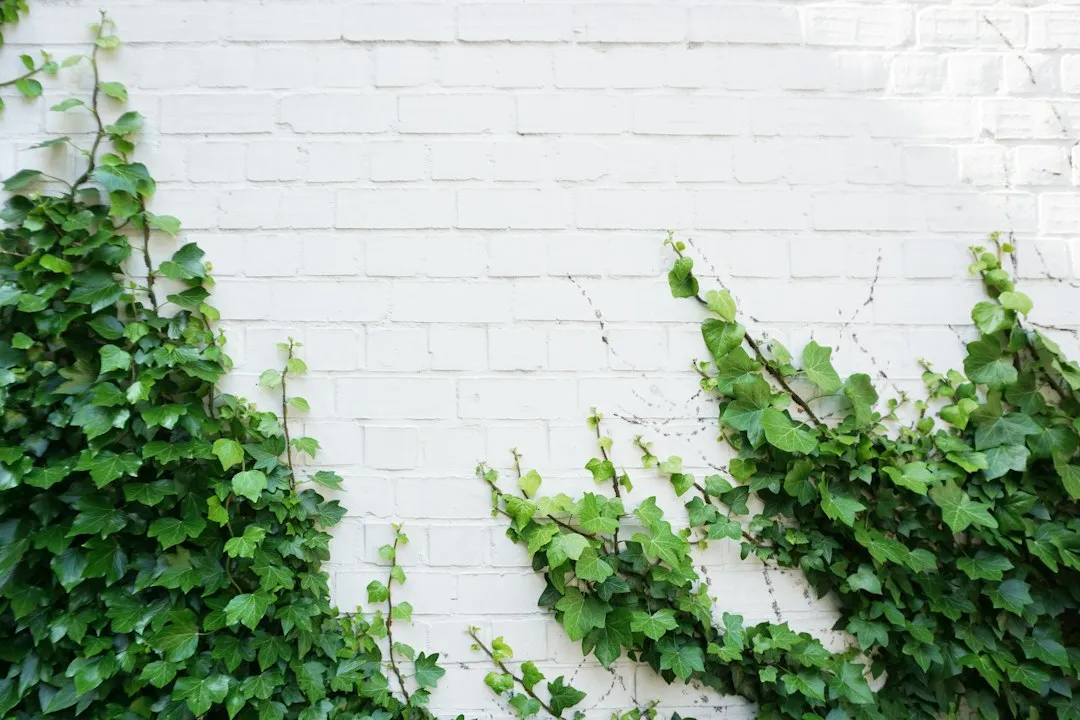
Ivy on walls can buffer the effects of weather, and protect against moisture, damp, pollution and biological soiling such as unsightly growths like moss and algae. This finding comes directly from Historic England’s multi-year monitoring study of test walls, and it challenges the instinct to treat all ivy as a threat.
The results show that a covering of ivy can create a microclimate with a more stable environment at the wall face. The ivy acts as a thermal blanket, protecting the stones, bricks, mortar and plaster from frost damage. It also shields the wall from heavy wind-driven rains.
Walls where ivy was growing were less prone to the damaging effects of freezing temperatures, temperature fluctuations, pollution and salts than exposed walls without ivy. For older brick buildings in climates with harsh winters, that protection is genuinely significant.
The Energy Efficiency Argument

Studies have found that ivy cools buildings internally and externally by more than 5°C in summer compared to bare buildings. Air trapped in the leaves and stems then acts as building insulation for the winter months. These are not trivial numbers for anyone trying to manage heating and cooling costs year-round.
Ivy-covered walls can make a home more energy-efficient, as they keep a building warmer in the winter and cooler in the summer. Ivy canopies don’t have to be very thick to have such an effect, and they appear to work in different climates, in both exposed and shaded areas.
During rainy seasons, ivy helps direct water away from the wall, reducing direct moisture contact with the brick. During the hottest months, that same canopy of leaves helps keep wall surfaces cooler, which can ease the load on a home’s cooling costs. So the plant earns its keep in more ways than one, provided the wall underneath is sound.
The Pollution and Soiling Shield
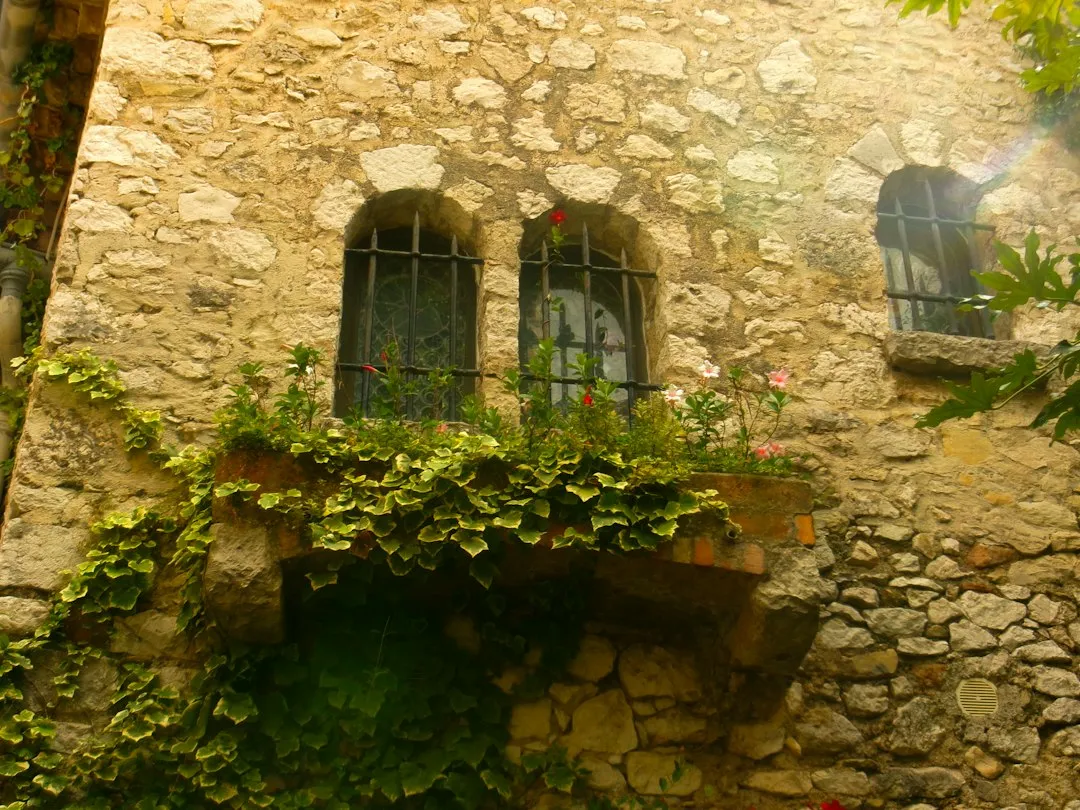
Pollution particulates can both soil and chemically degrade stonework. A covering of ivy traps fine airborne particulates, from traffic pollution for example. It also reduces the amount of salt-contaminated rain or traffic spray reaching the wall surface. By preventing light from reaching the wall surface, a covering of ivy limits the ability of algae, mosses, liverworts and lichen to grow.
Research conducted by Oxford University on behalf of English Heritage found that a good covering of ivy can offer some benefits to the fabric of old buildings. As a thermal screen it buffers extremes of temperature at the surface of the building and also diminishes the detrimental effect of pollution. This is particularly relevant in urban settings where traffic emissions are constant.
When Ivy Becomes a Structural Problem
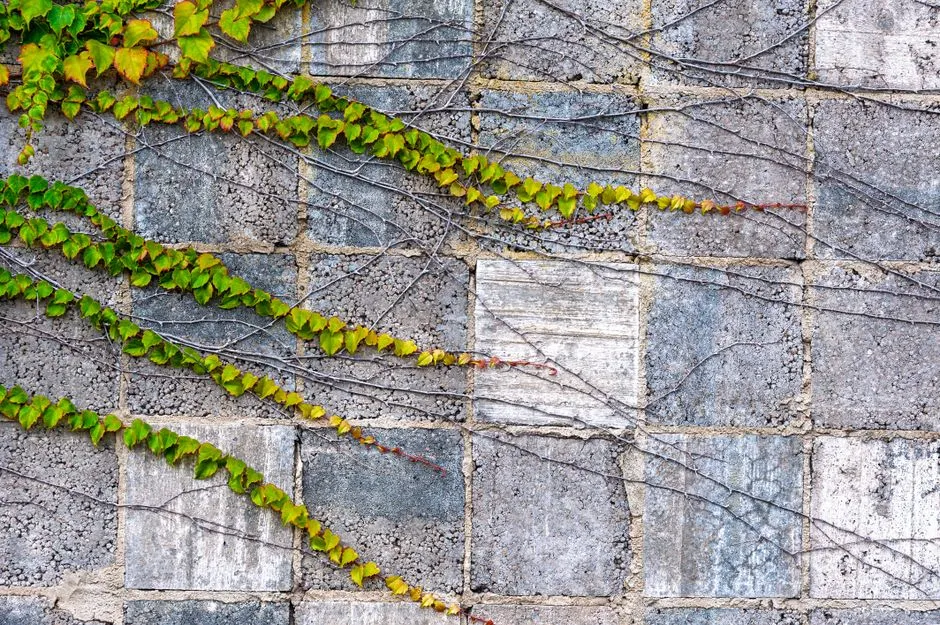
Ivy roots can penetrate into small fissures and cracks in the mortar, but they aren’t strong enough to make new cracks of their own. Once those small, existing cracks have been invaded by ivy roots, they expand, and that’s where the damage comes from. The wall’s pre-existing condition is therefore the real deciding factor.
These roots can penetrate the structure via any small crack or hole. Under suitable conditions, the roots will grow in size and number, and may disrupt masonry. They can spread deep within the structure causing physical and mechanical damage over time.
Ivy can easily damage old bricks, wood, stucco and even vinyl siding. The roots easily find siding seams and small cracks in stucco, growing into them and causing damage. Older homes, especially those with lime mortar or any existing deterioration, require particularly close attention.
The Moisture and Dampness Question
The effect of ivy on the moisture content of walls is complicated. There is no simple answer as to whether it increases or decreases damp. Its relative importance varies between different construction materials and locations, and between wall heights and aspects. A thick covering of ivy may shield walls from rain, but it may also stop damp from evaporating effectively.
Research by Historic England looked at deep-seated damp in walls, but found no evidence that ivy exacerbates deterioration associated with damp. Further research by the Royal Horticultural Society and the University of Reading confirms that green walls with climbing plants, such as ivy, do not increase relative humidity and damp issues within walls. Still, a wall that already has a damp problem is a different story entirely.
Lighter-colored brick can pick up discoloration from tendrils and plant growth over time. Ivy also holds moisture longer against the wall than bare brick would, which can eventually contribute to staining or efflorescence if left unchecked. Managing growth density is the most effective way to keep this risk low.
Gutters, Rooflines, and Hidden Damage
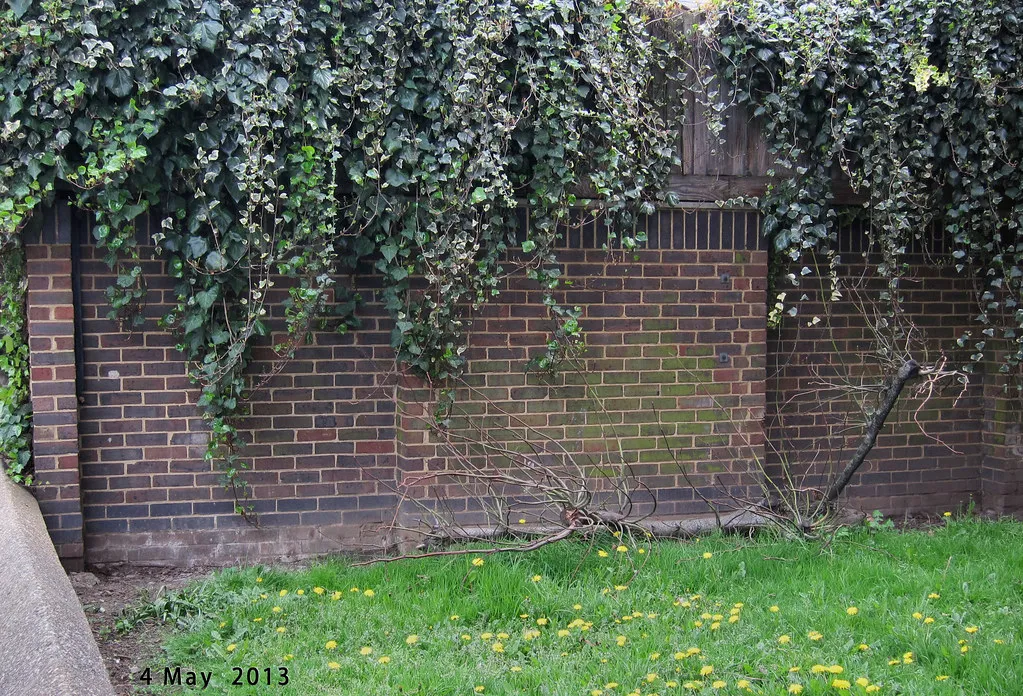
On buildings, ivy can grow into gutters, windows and roofs and make routine maintenance work difficult. This is one of the most practical and underappreciated problems that come with unchecked growth, since blocked gutters can trigger water damage that costs far more than the ivy itself.
Ivy leaves and accumulated debris can clog gutters and drains. This leads to overflowing rainwater, which can stain walls, damage pointing and even cause flooding. Regular inspection of gutters and downpipes is essential for any ivy-clad property.
If ivy reaches the top of a structure and starts to produce arboreal or flowering growth, it will become increasingly large and heavy, especially when wet. Climbers can also increase the wind stress on a structure, and this is particularly a problem when ivy is allowed to top a garden wall.
The Wildlife and Pest Paradox

As an evergreen, common ivy provides year-round shelter for birds and animals, and a place for butterflies to hibernate over winter. The RHS has investigated the beneficial habitat for invertebrates provided by ivy on walls. The late summer and autumn flowers are an important nectar source for insects, such as bees, hoverflies and common wasps, holly blue and red admiral butterflies, and many moth species.
Ivy’s dense growth may provide access for intruders, and potentially harbour household pests such as mice. Dense coverage can also conceal termite channels, hornet nests, and rodent burrows, letting infestations escalate unnoticed. The wildlife benefit and the pest risk are genuinely two sides of the same coin.
Whether the balance tips toward benefit or hazard depends largely on how often the ivy is inspected and trimmed back from the building’s vulnerable entry points, including window frames, soffits, and utility penetrations.
Choosing the Right Species Makes All the Difference
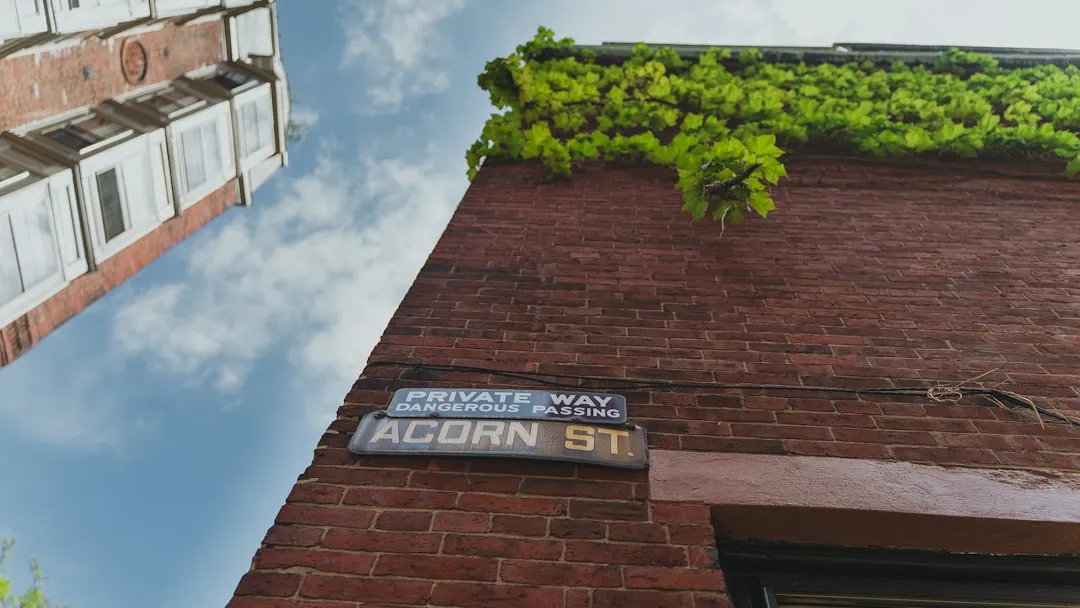
English ivy is the more aggressive and destructive type. It is known to have inflicted damage to the walls of old houses. Boston ivy and Virginia creeper, by contrast, behave very differently on masonry surfaces.
The two most preferred species for walls in the UK are Virginia creeper and Boston ivy. Both are self-climbing, but their aerial roots aren’t strong and aggressive enough to cause structural damage, even to weakened mortar and bricks. Boston ivy clings with tiny suction cups so does less damage to the wall.
Ivy’s ability to prematurely deteriorate a brick wall depends a lot on the characteristics of the brick and the skill of the masons who installed it. Properly constructed walls with dependable brick units, correctly prepared mortar, and well-tooled joints have the potential to last for several centuries, and the presence of ivy is not likely to interfere with that longevity.
How to Keep Ivy and Brick Working Together
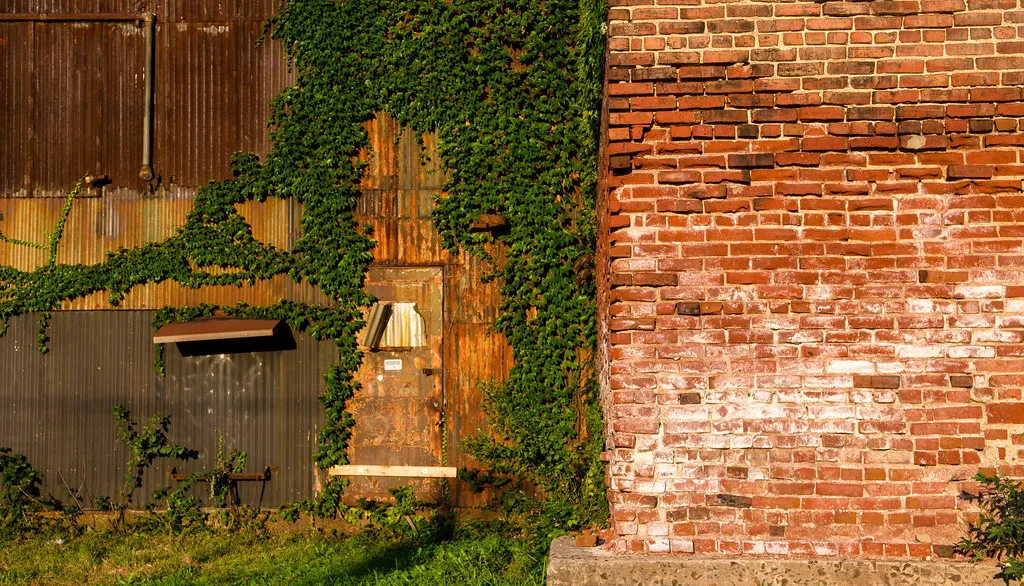
Ivy should never be removed simply because it is untidy or unwanted. It should instead be managed to prevent damage and to allow proper maintenance. That guidance from Historic England applies equally to residential properties, not just heritage buildings.
For those who wish to keep ivy on their brick walls, proper maintenance is crucial. Trimming the vines regularly prevents overgrowth and keeps ivy away from windows, gutters, eaves, and decorative woodwork. Annual trimming, at minimum, is the standard recommendation from most horticultural and conservation bodies.
Ivy may need to be removed if it is harming a building, obscuring its architectural interest or preventing a thorough inspection of the wall surface. It will need to be removed carefully, otherwise it could further damage friable masonry. Removal done hastily, by simply pulling large established vines, can cause more immediate harm than the ivy itself had done over years of growth.
The Takeaway
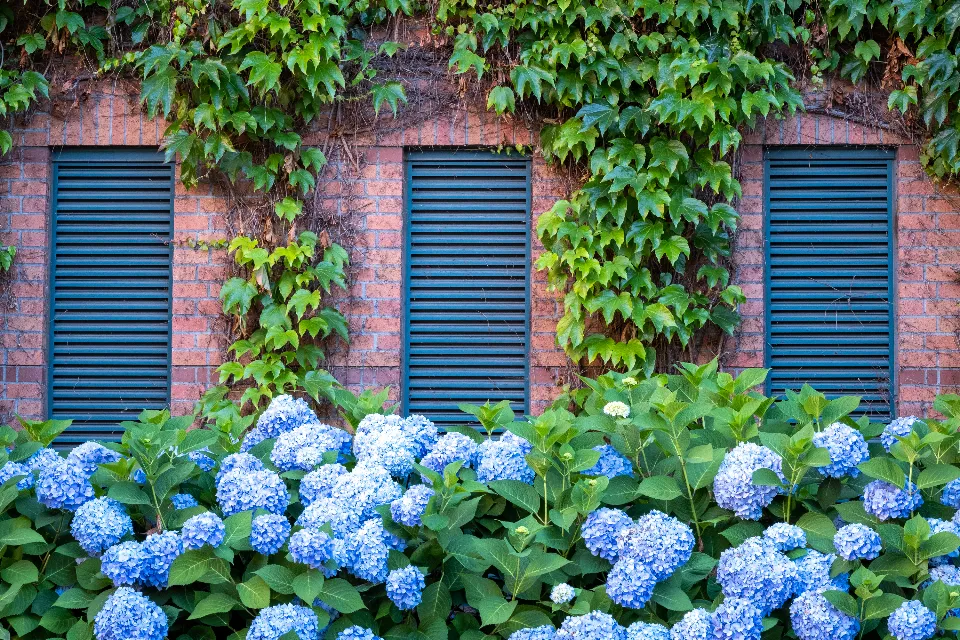
Ivy on brick is neither villain nor hero by default. The research is clear enough: on sound, well-maintained masonry, ivy provides measurable protection against frost, temperature fluctuation, pollution, and rain erosion. On aging or already compromised walls, it amplifies whatever weaknesses are already present.
The wall condition, the ivy species, and the maintenance routine are the three variables that determine everything. Get those right, and ivy earns its place on the facade. Neglect any one of them, and the same plant that once shielded your brickwork quietly becomes its worst enemy.
Perhaps the most honest framing is this: ivy does not damage houses. Neglect does, and ivy just makes neglect harder to spot and faster to progress.
AI Disclaimer: This article was created with the assistance of AI tools and reviewed by a human editor.