

Most people grab OTC medications the same way they grab a snack: quickly, without much thought. A headache? Grab the ibuprofen. Can’t sleep? Add some melatonin. Got a cold on top of everything else? Toss in a multi-symptom liquid. The problem is that this casual approach to self-medication has real consequences, and the stakes are higher than most people realize.
A 2021 study found that from 2017 to 2019 in the U.S., roughly 6 out of every 1,000 people visited emergency rooms because of harms from medications, and nearly two-fifths of those visits led to hospitalization. Another study estimated that roughly 26,700 people went to the emergency room each year for adverse events related specifically to over-the-counter cold and cough medications. These aren’t people misusing prescription drugs. They’re people who thought they were just managing their symptoms at home.
1. Acetaminophen (Tylenol) Mixed with Multi-Symptom Cold and Flu Medicines

This is the combination that pharmacists flag most often, and it’s dangerously easy to stumble into. Certain formulations of multi-symptom cold and flu medications, like DayQuil, already contain acetaminophen along with a cough suppressant and nasal decongestant. Doctors do not recommend using both standalone acetaminophen and these products at the same time, because it increases the risk of adverse events like liver damage due to accidental overdose.
The danger is not necessarily two different drugs reacting badly together. Instead, the risk is that a person may unknowingly take too much of the same drug, acetaminophen, by taking one acetaminophen-containing product on top of another. It’s called “medicine stacking,” and it’s more common than most people think, especially during cold season when someone is juggling multiple symptoms at once.
The word “over-the-counter” does not mean “totally safe,” no matter what. Reading the active ingredient list on every product before combining anything is not optional. It’s essential.
2. Ibuprofen (Advil) Mixed with Aspirin

Aspirin and ibuprofen are both pain relievers from the same family of medicines known as NSAIDs. Because they come from the same drug family, they carry the same potential side effects, and taking them together may increase the risk of those side effects significantly.
Taking ibuprofen and aspirin together raises the risk of developing stomach ulcers or internal bleeding. Additionally, if a person takes aspirin to protect the heart or prevent a stroke, ibuprofen can block aspirin from working properly, potentially leaving the heart unprotected.
Ibuprofen temporarily attaches to the same spot on platelets that aspirin targets. If the medications are taken too close together, ibuprofen can get in the way and prevent aspirin from doing its job. Experts recommend taking low-dose aspirin at least two hours before ibuprofen to reduce this interaction.
3. Multiple NSAIDs Together (Ibuprofen, Naproxen, and Aspirin)

Ibuprofen, naproxen, and aspirin are all classified as NSAIDs. Because these medicines work in similar ways, they should never be combined or used in larger doses or more frequently than directed. Otherwise, the risk of side effects increases, ranging from mild nausea to severe gastrointestinal bleeding.
Taking ibuprofen alongside other NSAIDs like aspirin or naproxen can raise the risk of gastrointestinal problems such as ulcers and bleeding, and it also increases the chance of kidney damage, especially when used frequently or in high doses.
This risk is dose dependent and further increased in patients who take more than one NSAID. Some NSAIDs may also reduce the antiplatelet benefits of aspirin and may raise blood pressure in patients with hypertension. This is a combination that genuinely warrants a conversation with a pharmacist before reaching for the medicine cabinet.
4. Acetaminophen Mixed with Alcohol

Both acetaminophen and alcohol are processed by the liver. When combined, they overwhelm the liver’s processing pathways, which creates a highly toxic byproduct that destroys liver cells. Even a moderate amount of alcohol combined with a correct dose of acetaminophen can be dangerous.
Acetaminophen toxicity accounts for almost half of cases of acute liver failure in North America and approximately a fifth of liver transplant cases in the U.S. Acetaminophen interacts with alcohol in complex and potentially lethal ways.
Acetaminophen is generally safe but can be lethal when taken too frequently or in large quantities, as it is toxic to the liver and may cause liver failure. Mixing alcohol with acetaminophen can cause severe long-term liver damage and could lead to liver failure. This is a risk that applies even to people who only drink occasionally and take Tylenol at a standard dose.
5. Decongestants Mixed with Certain Antidepressants or Blood Pressure Medications

Patients with high blood pressure should avoid decongestant medications that contain pseudoephedrine or phenylephrine, as these ingredients can increase blood pressure and interfere with blood pressure medications. Common OTC decongestants include products often labeled with “-D,” such as Claritin-D, Mucinex-D, Allegra-D, Zyrtec-D, and Sudafed.
Combining these decongestants with monoamine oxidase inhibitors or tricyclic antidepressants could lead to very high blood pressure and heart rhythm problems. These are not rare drugs. Many people take antidepressants and reach for a decongestant during allergy season without thinking twice.
Some drugs can be dangerous for people who have particular health conditions. For example, pseudoephedrine, phenylephrine, and ephedrine could increase blood sugar levels, which makes it important that people with diabetes be careful when using them. The lesson here is that OTC decongestants are not simply harmless nasal remedies. Their systemic effects are real.
The “Medicine Stacking” Problem That Pharmacists Keep Raising

OTC medicine stacking can actually be quite dangerous, and it’s a pattern that’s easy to fall into without realizing it. When someone takes a multi-symptom cold medicine, a separate pain reliever, and a sleep aid, they may be doubling or tripling up on specific active ingredients without knowing it.
There are two types of cold medications: multi-symptom and single-symptom. Multi-symptom cold and cough medications should not be taken together as a general rule. Single-symptom medications are often safer to mix as long as they address different things, but combining two pain relievers requires very careful label reading to avoid risky ingredient overlap.
Older Adults Face a Significantly Higher Risk

A new analysis of national survey data estimates that more than one in five older adults were taking a combination that risks a major drug interaction. That’s a striking figure, and it reflects a pattern that has persisted even as awareness of the issue has grown.
Most older Americans take at least one prescription drug every week, and a growing share now take five or more at the same time. With each added pill comes another chance for two of them to interact.
Older people are more vulnerable to side effects and drug-to-drug interactions. Patients need to know that just because many medicines and supplements don’t require prescriptions doesn’t mean they’re harmless, and some are not safe to take alongside prescribed medications. The more pills in the mix, the more important it becomes to have someone review the full list.
Why the OTC Label Doesn’t Always Tell You Enough
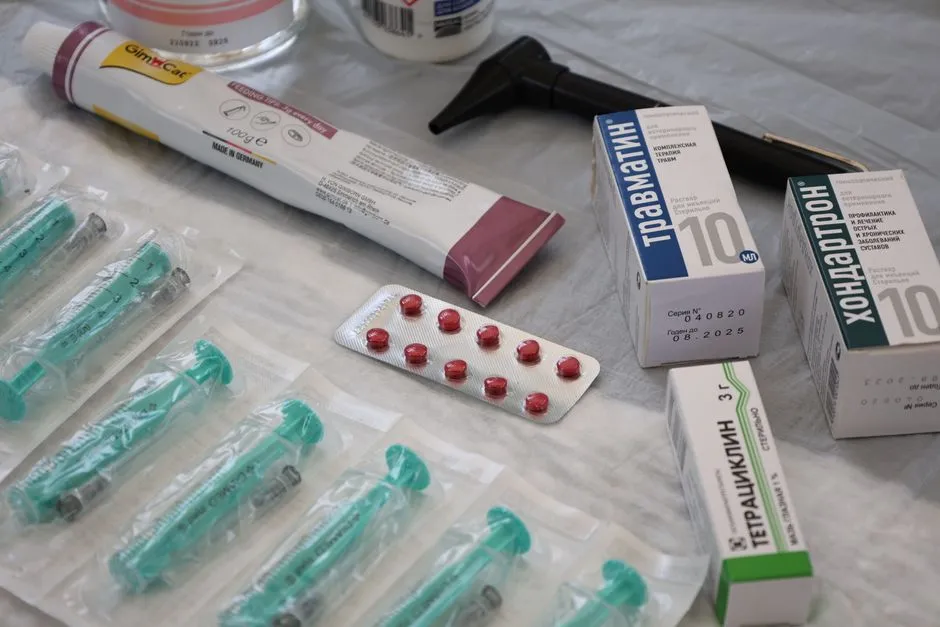
OTC medicine stacking can be quite dangerous. OTC medications can interact with other prescription medications or even supplements. The label on a single product tells you about that product in isolation. It cannot warn you about every possible combination with every other product in your medicine cabinet.
Because of the widespread availability and perceived safety of OTC analgesics, self-medication has become commonplace. Many patients are unaware of the potential for toxicity and adverse drug interactions associated with long-term and inappropriate use of OTC analgesics. They may use OTC analgesics in higher-than-recommended doses or in combinations that magnify the risk of adverse interactions.
What Pharmacists Actually Recommend

If you want to take OTC medications to relieve cold symptoms, pharmacists suggest picking one medication or looking for a product that treats more than one symptom. For example, rather than taking a separate antihistamine and cough reliever, finding one medication that handles both is safer. When in doubt, consult a pharmacist directly.
Reading the label on any OTC medication is something pharmacists consistently emphasize. The label contains important safety considerations, instructions, and dosing information. It takes about two minutes and can prevent a genuinely serious problem.
Experts advise asking about any side effects of prescription drugs and telling your doctor before taking other medicines. That includes supplements and vitamins, which many people forget to mention. A pharmacist can review everything at once, often in just a few minutes, and it doesn’t require an appointment.
The Role of Drug Interaction Databases and Professional Guidance

The risk of drug interactions with concurrent use of multiple medications is a clinically relevant issue. Many patients are unaware that OTC analgesics can cause potentially serious adverse effects when used in combination with other common medications such as anticoagulants, corticosteroids, or antihypertensive agents.
Clinicians should be aware of potential drug interactions with OTC analgesics when prescribing new medications. Additionally, patients should be properly counseled on the appropriate and safe use of OTC analgesics. Several reliable online drug interaction tools exist as well, and using one before combining anything is a reasonable habit to build.
Final Thoughts

The core issue isn’t that OTC medications are dangerous on their own. Most are safe when used as directed for the right purpose. The problem is the casual confidence people bring to combining them. A multi-symptom cold pill, a Tylenol, a couple of Advil, and a nightcap feel like nothing. Together, they can be something else entirely.
Pharmacists still urge people to speak with their doctor or a pharmacist before taking an OTC medication, even for something as routine as managing a cold. That advice is easy to skip. It’s also easy to take.
The most practical shift anyone can make is simple: read every label, check active ingredients, and ask a pharmacist when anything is unclear. The information is available, the access is free, and the alternative is a risk no one needs to take.
AI Disclaimer: This article was created with the assistance of AI tools and reviewed by a human editor.