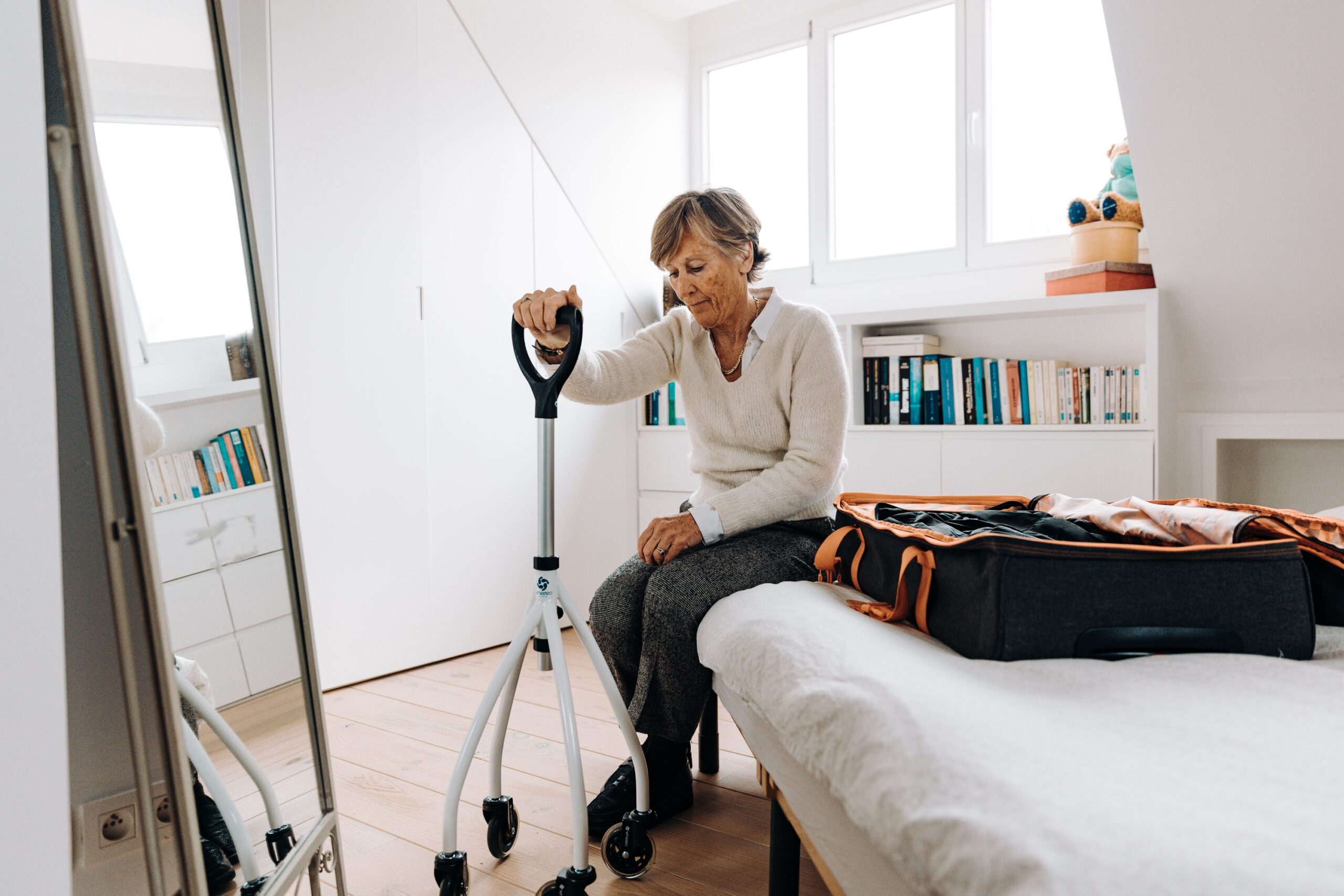

It seems harmless enough. A short step stool in the kitchen, used to reach a shelf that’s just a few inches too high. Most people over 65 have done it dozens of times without thinking twice. That’s exactly what makes it so dangerous.
The step stool sits at a strange intersection of everyday convenience and genuine physical risk. For younger adults, climbing one is effortless. For older adults, it can become the event that changes everything. The numbers behind this habit are quietly alarming, and the medical community has been paying close attention.
The Scale of the Problem Is Larger Than Most People Realize
Falls among adults 65 and older caused over 43,000 deaths in 2024, making them the leading cause of injury death for that age group. That figure is striking on its own. What makes it more sobering is the trajectory: over the past ten years, the number of fall-related deaths among older adults has increased by more than half, while emergency department visits have risen by nearly two fifths.
In 2024, emergency departments recorded about 4.5 million visits for older adult falls. That works out to roughly one visit every seven seconds. Step stools and low-height climbing tools contribute to a meaningful slice of those numbers, particularly in domestic settings where people feel most at ease and most off-guard.
Why Older Adults Are Especially Vulnerable on Elevated Surfaces

Owing to osteoporosis, reduced muscle strength, and impaired balance, older adults are highly susceptible to serious injury when falling. These aren’t abstract risks. They are physical realities that change the body’s ability to recover from even a small loss of footing. A person in their 70s stepping off a stool the wrong way is working against multiple systems that have gradually become less reliable.
As individuals age and physical capabilities diminish, there’s a heightened risk of ineffective protective responses, characterized by delayed reactions and reduced strength. This matters enormously on a step stool, where a split-second correction is often the only thing standing between a safe dismount and a fall. Vision, muscle strength, and cognitive abilities all decline with age, making older people more likely to fall than younger ones.
Even Low Heights Can Cause Catastrophic Injury
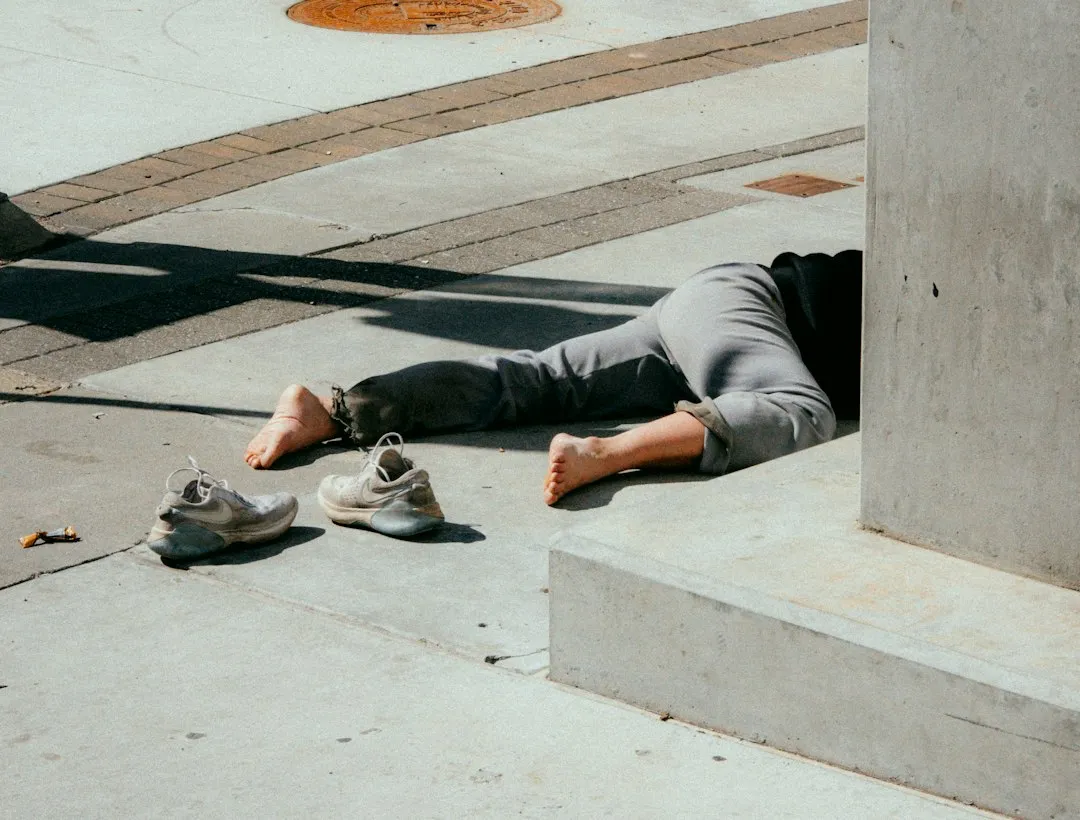
One of the most counterintuitive findings in fall research is that older adults sustain severe injuries from surprisingly modest heights. Geriatric patients sustain similar injury patterns at lower height levels compared to all age groups. In other words, a fall from a one-step stool can produce the same clinical damage as a fall that a younger person would need to drop much farther to experience.
Research has found that roughly one third of patients 66 years and older sustain a head injury following falls from low heights. The step stool, often only a foot or two off the ground, offers almost no time for the body to prepare or brace. The impact arrives before the brain has fully registered the fall.
Hip Fractures: The Injury That Follows Older Adults Home
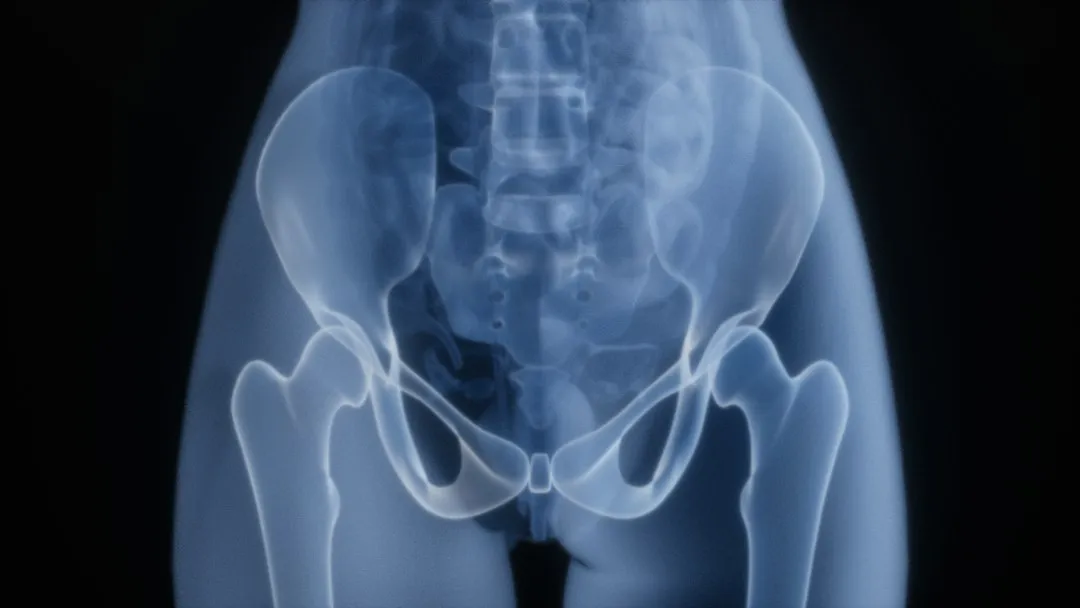
More than 95 percent of hip fractures are caused by falls in older adults. A step stool fall frequently results in a sideways or backward drop, which is precisely the kind of impact most likely to fracture the hip. Hip fractures not only cause severe pain but also lead to prolonged bed rest, triggering serious complications including pneumonia, pressure ulcers, and deep vein thrombosis.
Around 83 percent of hip fracture deaths and 88 percent of hip fracture ER visits and hospitalizations are caused by falls. For an older adult, a hip fracture is rarely just a broken bone. It tends to be the beginning of a longer medical journey with an uncertain destination.
The Role of Balance Decline in Step Stool Falls
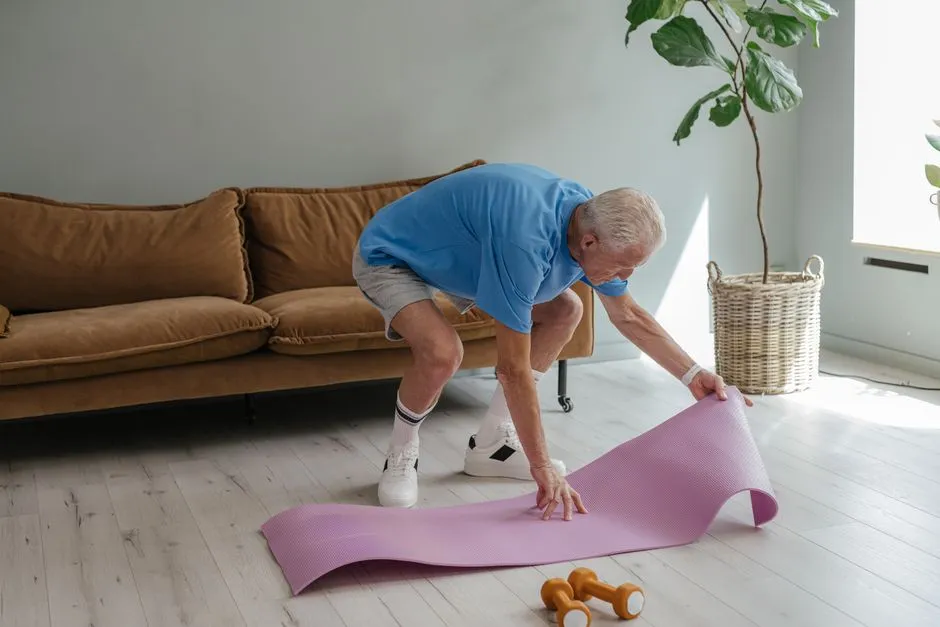
Balance is not a single skill. It’s a collaboration between the inner ear, the visual system, proprioception, and muscular response. Research shows that greater postural sway, more depressive symptoms, and lower physical activity levels are all associated with increased fall risk in older adults. Standing on a step stool demands all of these systems to work in concert, often while the person is reaching, stretching, or looking upward.
Objective fall risk factors include a history of previous falls, polypharmacy, visual impairments, cognitive decline, muscle weakness, and gait and balance disorders. Many older adults using a step stool in their home have one or more of these factors without knowing it. The very confidence that comes from years of safe stool use can blind them to how much their body has changed.
Medications Make the Risk Worse

Medications are a silent contributor to step stool accidents. Among the leading fall risk factors, frailty syndrome leads the list, followed by visual impairment, hypotension, and polypharmacy. Many common prescriptions for blood pressure, sleep, pain, and anxiety affect balance, reaction time, and spatial orientation. Climbing a step stool while on these medications multiplies the risk considerably.
Factors associated with hip fracture from falls include lower-limb dysfunction, neurologic conditions, barbiturate use, and visual impairment. A person who feels fine before stepping up may experience a brief dizzy spell, a medication-related postural drop, or simply a moment of visual confusion. On a step stool, those moments have consequences.
Seasonal Patterns: When the Habit Peaks

Step stool use doesn’t happen uniformly throughout the year. Cleaning, decorating, storing seasonal items, and clearing out shelves all drive demand for that little boost in the kitchen or utility room. Fatal falls are more common in December and January, likely due to factors such as more ice in northern climates and the desire to get on ladders to decorate for holidays and remove decorations.
The pattern holds for step stools in home settings as well. Holiday preparation, spring cleaning, and similar seasonal behaviors push older adults to reach places they wouldn’t normally access. The routine is familiar, which is part of why the danger goes unrecognized until something goes wrong.
The Financial and Social Cost Nobody Talks About
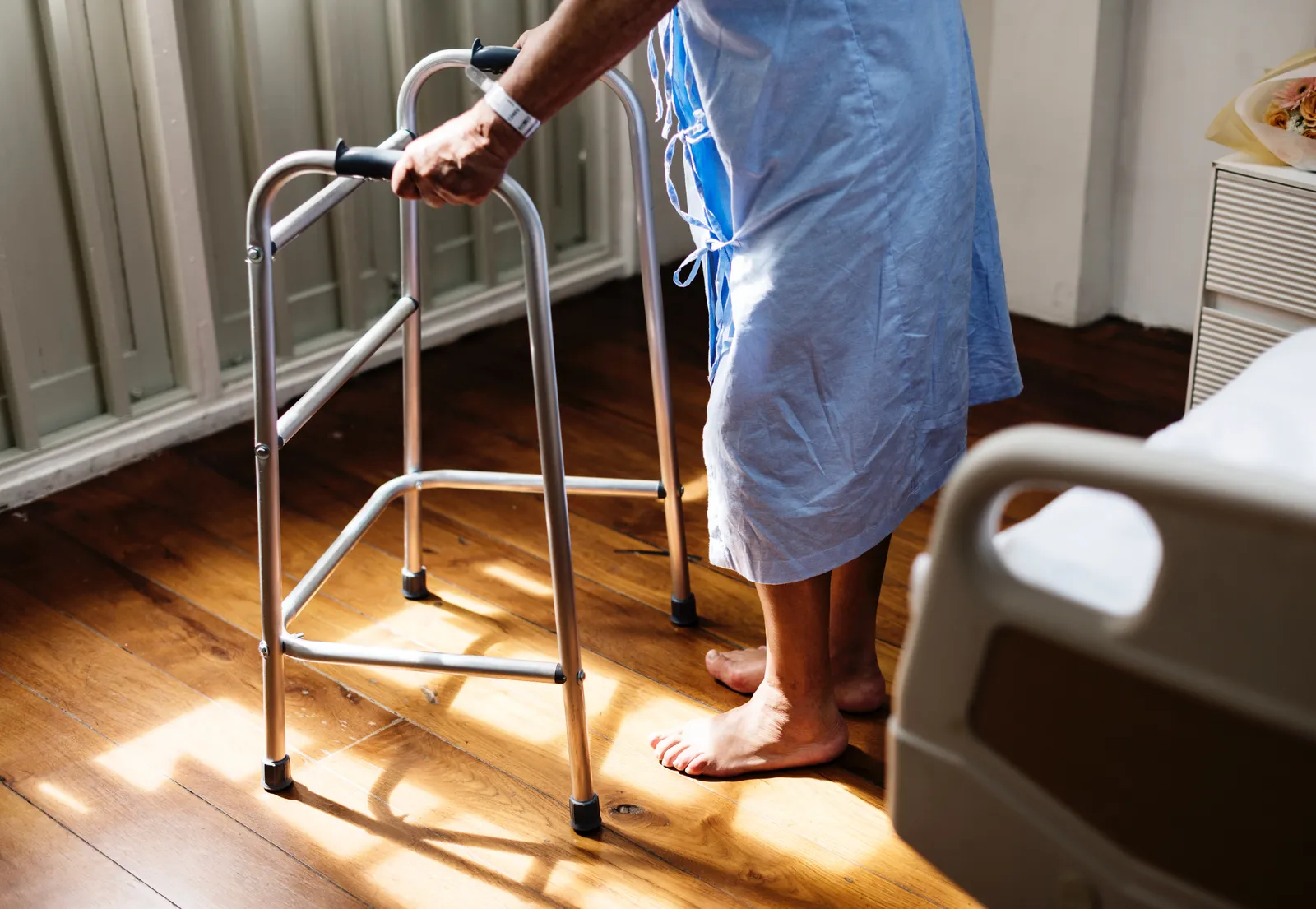
In 2022, health care spending for nonfatal falls among older adults reached 80 billion dollars, according to a 2024 study published in the journal Injury Prevention. That number reflects hospital stays, rehabilitation, home care, and long-term nursing needs. It doesn’t fully capture what families absorb in time, stress, and lost income.
The percentage of older adults hospitalized for fall-related injuries increased from roughly one in five to nearly one in three between 2001 and 2021. A step stool fall that puts an older adult in the hospital doesn’t just cost money. It can cost independence. Such falls can lead to a loss of independence, greater isolation and depression, reduced mobility, and increased morbidity and mortality.
What Safer Alternatives Actually Look Like
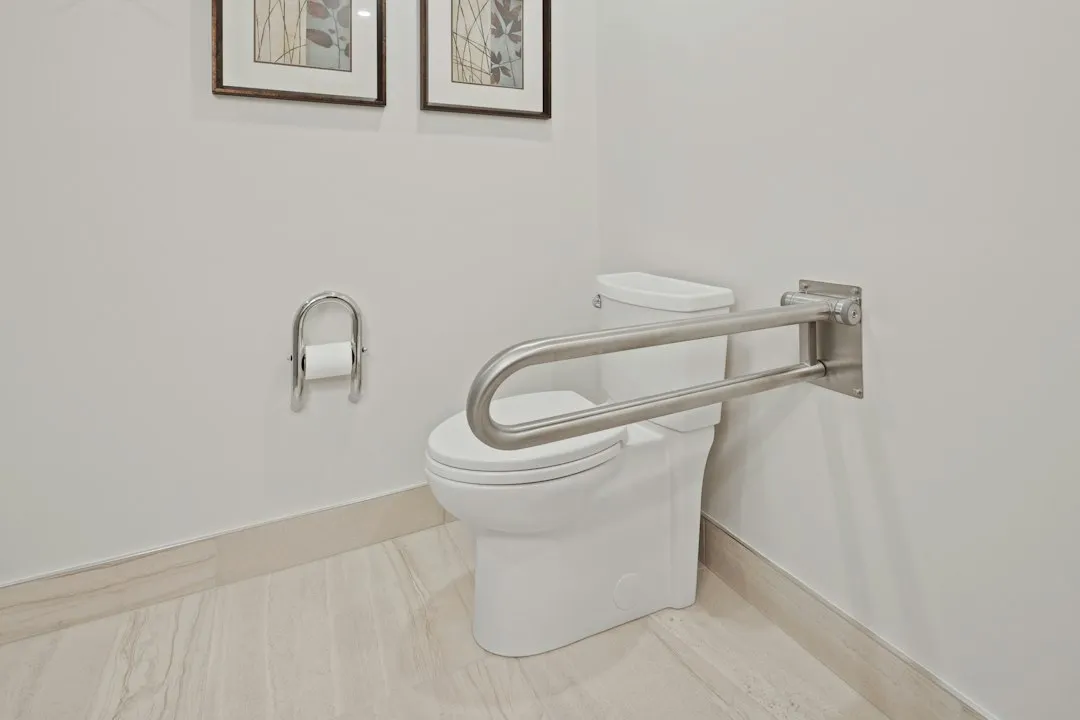
The good news is that step stool risks are manageable with deliberate substitution. Occupational therapists and fall prevention specialists consistently recommend replacing step stools with grab-bar-equipped step units that have handrails on both sides. Reaching tools and extendable grabbers can eliminate the need to climb entirely for many common household tasks.
The CDC’s STEADI program, short for Stopping Elderly Accidents, Deaths, and Injuries, provides structured resources to reduce fall risk in older adults. A home safety assessment, conducted by a healthcare provider or certified specialist, can identify which surfaces, tools, and habits carry the most risk. Swapping a flat step stool for something with a stable rail changes the entire risk profile of the task.
What This Habit Reveals About How We Think About Home Safety
Most older adults don’t think of their own kitchen as a hazard zone. The step stool lives under the counter between uses, familiar and unthreatening. That invisibility is the real problem. More than one in four older adults reports experiencing a fall each year, according to the CDC. Many of those falls happen during the most routine of activities, not during extreme exertion.
The rise in fall-related deaths and ER visits is specific to older adults. Over the same ten-year period that fall deaths among people 65 and older rose by more than half, fall deaths among people under 65 rose by only a small fraction, and their ER visits for falls actually declined. This is not a general safety problem. It is an aging-specific one, shaped by biology, environment, and habits formed over decades.
Final Thoughts
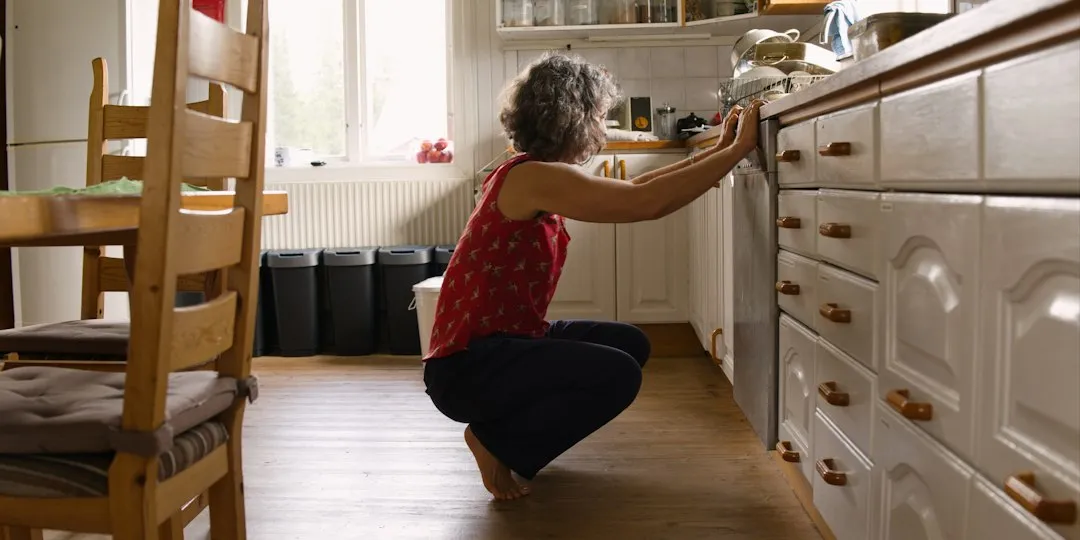
The step stool habit persists because it has always worked before. That’s the nature of gradually accumulating risk. The body changes slowly, and the stool stays exactly the same. What used to be a casual reach becomes, in time, a genuine gamble.
Recognizing that risk is not about fear or limitation. It’s about matching behavior to current reality rather than to a body that no longer exists in the same way it did twenty years ago. Falls are a genuine threat to older adults’ ability to remain independent, but there are proven ways to reduce and prevent them. Sometimes the most important safety upgrade in a home is getting rid of one small, seemingly harmless object under the kitchen counter.
AI Disclaimer: This article was created with the assistance of AI tools and reviewed by a human editor.