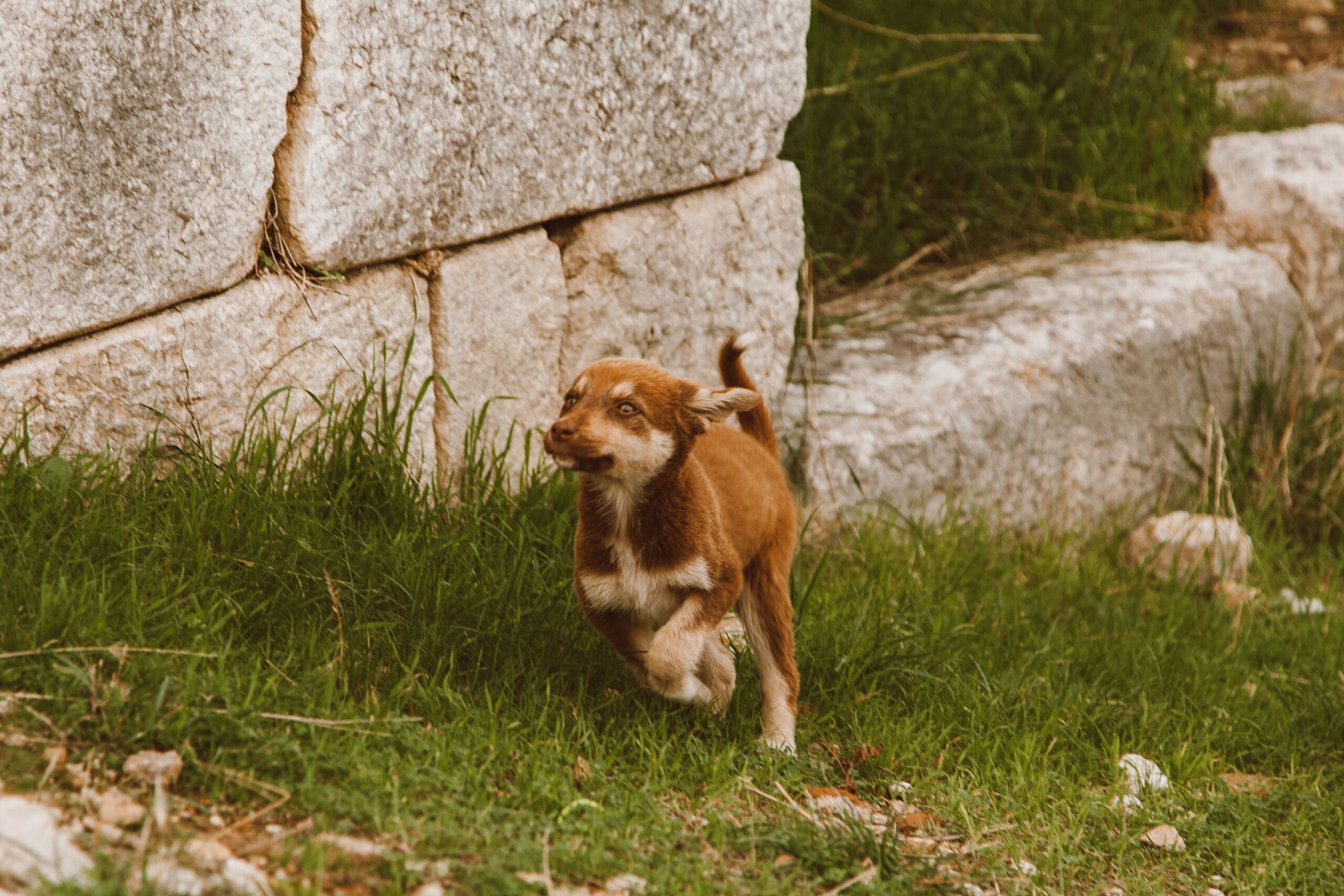

Puppies Often Have No Idea It’s Their Own Tail

Puppies and younger dogs may simply chase their tails for fun. Young puppies may not yet realize their tails are actually part of their own bodies, according to Schertz Animal Hospital in Texas. What looks like a strange obsession is often just curiosity mixed with the natural urge to play.
They may see their tail moving, be curious, and be motivated to chase it because of their natural instinct to play. Young puppies may not fully understand that the tail they are chasing is their own – until they catch it, that is.
According to board-certified veterinary behaviorist Dr. Ellen Lindell, this is especially true for puppies. As puppies grow and find new things to play with, their tails become less interesting, and they usually stop chasing them.
Boredom Is One of the Most Common Triggers

Boredom may be another reason, especially when dogs are left alone for a long time. Russell Hartstein, a dog behavioral consultant and founder of Fun Paw Care in Los Angeles, told Live Science: “Anytime a dog is not enriched or exercised fully, they have the potential to be bored and to self-soothe.”
For dogs that run in circles because they are bored, a simple solution may be to play fetch or take a walk. Most dogs would rather chase a ball than their own tails, as VCA Animal Hospitals notes.
It’s a straightforward fix in most cases, but the pattern can dig in if boredom becomes chronic. Dogs that spend the majority of their day alone with nothing to engage them are more vulnerable to developing repetitive habits that are harder to break later.
Attention-Seeking Plays a Bigger Role Than You’d Expect

Another reason dogs may chase their tails is to seek attention. A dog’s owner may have rewarded this behavior by laughing or saying “good boy” or “good girl.” Even scolding a dog for tail chasing may draw attention that reinforces this behavior, according to VCA Animal Hospitals.
To curb tail chasing, ignore the behavior while otherwise supplying the dog with a healthy amount of attention, Schertz Animal Hospital says. This feels counterintuitive, but any reaction from you, positive or negative, teaches the dog that spinning equals getting noticed.
Physical Causes That Owners Often Overlook

A number of physical ailments are linked with tail chasing. An injury to the tail, itching due to intestinal parasites or fleas, impacted anal glands, or food allergies may cause a dog to lick, bite, or chase their tail, according to Schertz Animal Hospital.
Another possible reason behind why dogs chase their tails may be because of fleas or ticks. Sometimes their tail can become really itchy as a result of an infestation and they might chase their tail to try and bite it and relieve some of the itching.
If you think the behavior may be due to fleas and ticks, check their skin for evidence – you may notice small, dark brown to black specks in their coat and in some cases, there may be bald patches too as a result of excessive licking or scratching. Any sudden onset of tail chasing in an adult dog with no prior history of it should prompt a physical check-up before assuming it’s behavioral.
Some Breeds Are Genetically Predisposed

Breeds especially prone to chasing their tails at all stages of life include border collies, German shepherds, golden retrievers, Labrador retrievers, and Cardigan Welsh corgis.
Researchers at the University of Helsinki discovered that tail-chasing behavior can be inherited. They found that puppies born to tail-chasing parents were more likely to exhibit the same behavior, suggesting a genetic component to this quirky habit.
Among genetically isolated dog populations, Bull Terriers, Doberman Pinschers, and German Shepherds were shown to have a high rate of developing compulsive disorder pathology. This doesn’t mean every dog from these breeds will develop a problem, but owners of these breeds are wise to stay alert to early signs.
Canine Compulsive Disorder: When Tail Chasing Becomes Something Else Entirely

Frequent or intense tail chasing can be associated with underlying anxiety or with a behavior disorder, such as canine compulsive disorder (CCD). This is a genuinely different category from playful spinning or boredom, and it requires a different response entirely.
The age of occurrence for such a psychiatric disorder in dogs may mirror that experienced in human patients, showing up at the peri-pubertal phase, between six and twelve months of age. Tail chasing as a classic compulsive behavior often occurs in a phasic fashion, characterized by episodes where the dog stares at its tail quietly for a while before resuming chasing.
A dog experiencing anxiety may chase and bite their tail in the same way a person bites their nails. Over time the habit may get worse and happen more often.
The Research Behind Compulsive Tail Chasing

Researchers performed a questionnaire survey to investigate the characteristics of compulsive tail chasing and its possible associations with environmental factors and personality in a pet population of 368 dogs from four dog breeds. They observed an early onset of tail chasing at three to six months of age and a large variation in frequency in all breeds, with an overrepresentation of milder cases.
Of dogs with compulsive tail-chasing behavior, roughly three quarters chased their tail daily, while the remaining quarter did so less than daily. That level of frequency is far from trivial and can significantly disrupt a dog’s daily functioning.
According to research published by the Journal of Small Animal Practice, there may be a connection between compulsive tail chasing and high blood cholesterol levels. Researchers found that the fifteen tail-chasing dogs they observed had significantly higher levels of total cholesterol than the control dogs. More research needs to be conducted on the genetic link, but this was an interesting finding.
Neurological Links and Focal Seizures
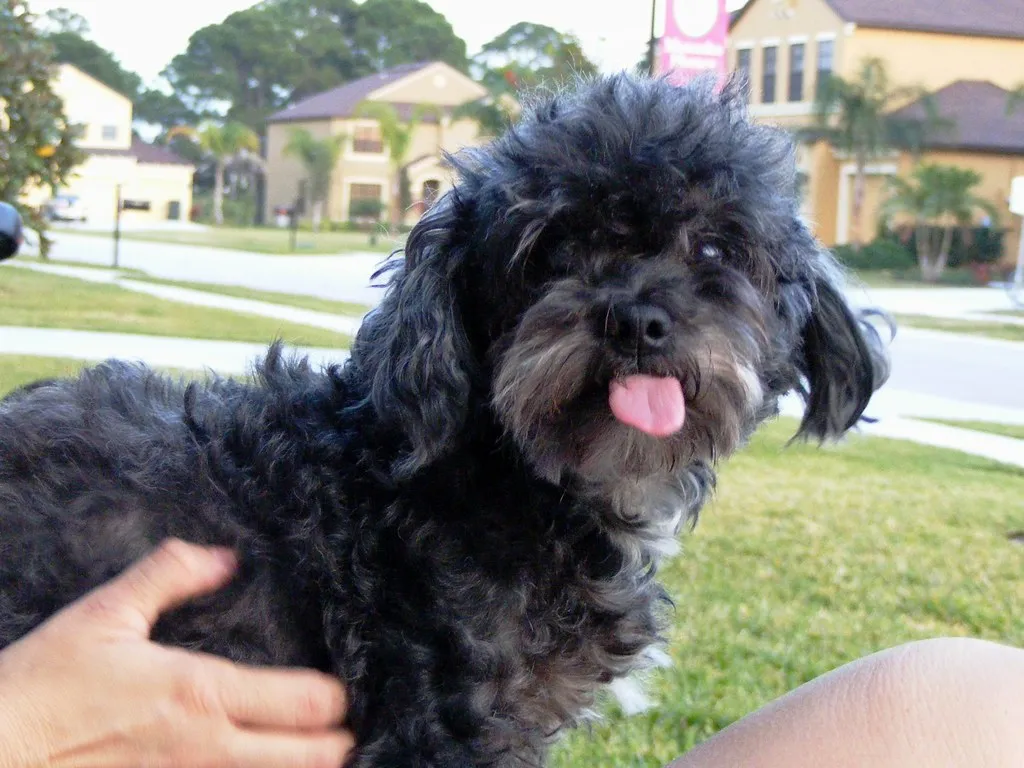
Sometimes, what looks like innocent tail chasing can actually be a sign of a neurological issue. Focal seizures, which affect only a part of the body, can manifest as repetitive behaviors like tail chasing. It has been noted in various studies that dogs diagnosed with partial seizures exhibited tail chasing as a primary symptom.
Tail chasing in Bull Terriers was reported to occur together with extreme aggression and fear, presenting as a syndrome suggested to resemble partial seizures, as these dogs had abnormal EEG results and partial responses to phenobarbital medication.
Veterinary researchers have found a gene known as the CDH2 gene that makes canine compulsive disorder more likely in breeds that carry it. This gene-level research is relatively recent and is actively broadening how vets interpret and treat the condition.
Early Weaning and Stress as Risk Factors

Tail chasers were found to be shyer and had separated earlier from their mothers than the control group of dogs. This points to a meaningful connection between early life experience and the likelihood of developing compulsive behaviors later on.
Maternal deprivation was shown to contribute to the development of similar stereotypic behaviors in both humans and dogs. Early socialization, stable maternal care, and gradual weaning are not just good practice for temperament – they may also reduce the risk of compulsive habits forming down the line.
Interestingly, dogs that received dietary supplements, especially vitamins and minerals, expressed less compulsive tail chasing compared to dogs that did not receive any supplements. Neutered females had less tail chasing, suggesting an influence of ovarian hormones on the behavior.
What Treatment Actually Looks Like

Compulsive tail chasing requires a comprehensive plan that addresses both the behavior itself and any contributing factors. An examination is important for a veterinarian to rule out medical factors, such as skin disease, parasites, or anal gland problems, before concluding the problem is behavioral.
SSRIs such as fluoxetine and clomipramine are used medically, with research indicating over fifty percent reduction in symptoms in some dogs. These medications are typically paired with behavioral intervention rather than used in isolation.
In one documented case, three months after pharmacological treatment with fluoxetine and a calming supplement, combined with a behavioral recovery program, the owner reported an improvement of compulsive events in terms of intensity and frequency. Over the following three months, the dog did not experience any new tail chasing episodes.
Although a dog’s compulsive behaviors may never fully resolve, a combination of medication, behavioral therapy, and environmental changes can help make CCD symptoms more manageable.
When to Stop Watching and Start Acting
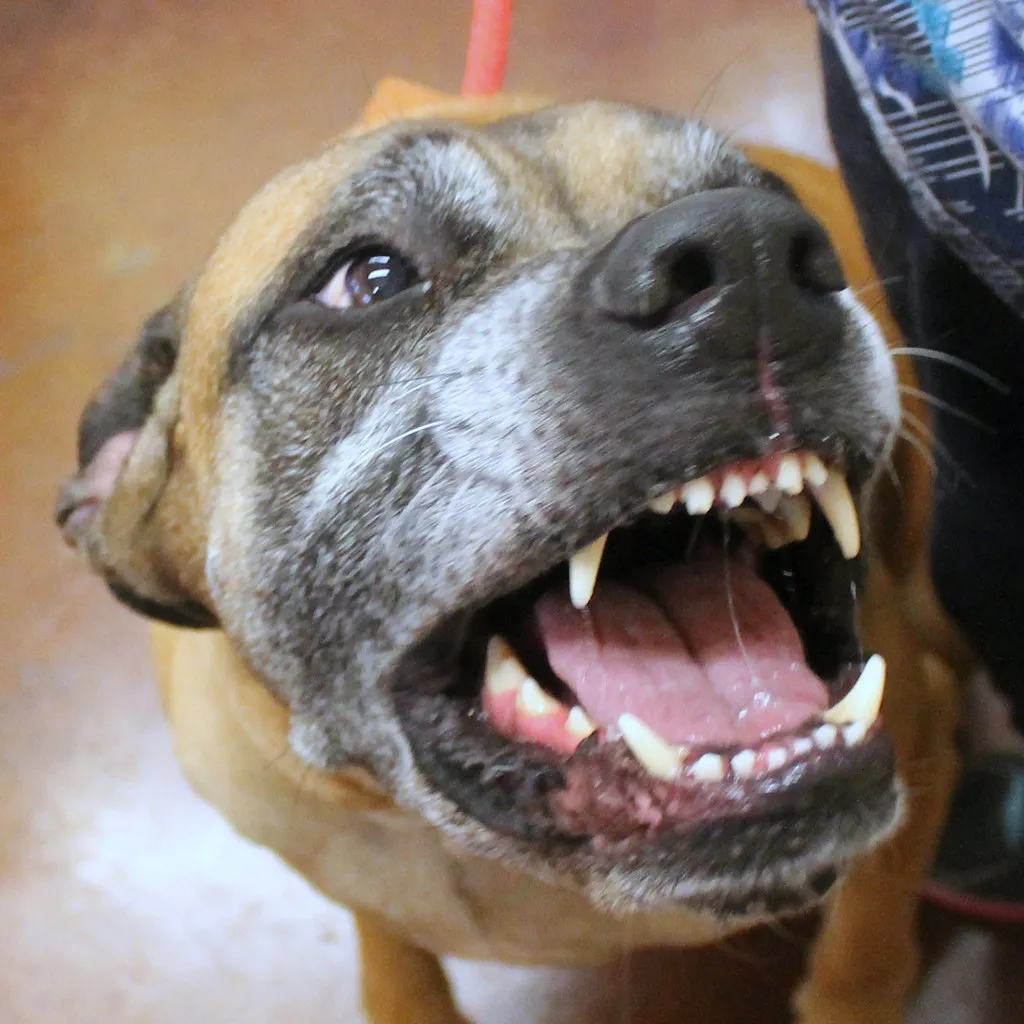
The line between harmless and harmful is worth knowing clearly. A puppy spinning for a few seconds before getting distracted by something else is almost certainly just playing. An adult dog that spins daily, struggles to stop when called, or has started injuring its own tail is in a different category altogether.
Many dogs improve with treatment, but management is often long term. Early treatment tends to give the best chance of reducing frequency, intensity, and self-injury. Waiting to see if the dog grows out of it is a reasonable approach for young puppies, but not for adult dogs with escalating patterns.
Scolding or physical corrections can increase anxiety, worsen the compulsive behavior, and even lead to aggression. Instead, interrupt early and gently, then redirect to an alternative behavior such as sniffing games, food puzzles, calm chewing, or relaxing on a training mat. That shift in approach, from reacting to redirecting, is often where genuine progress begins.
AI Disclaimer: This article was created with the assistance of AI tools and reviewed by a human editor.