
Their Nose Knows You Better Than You Think
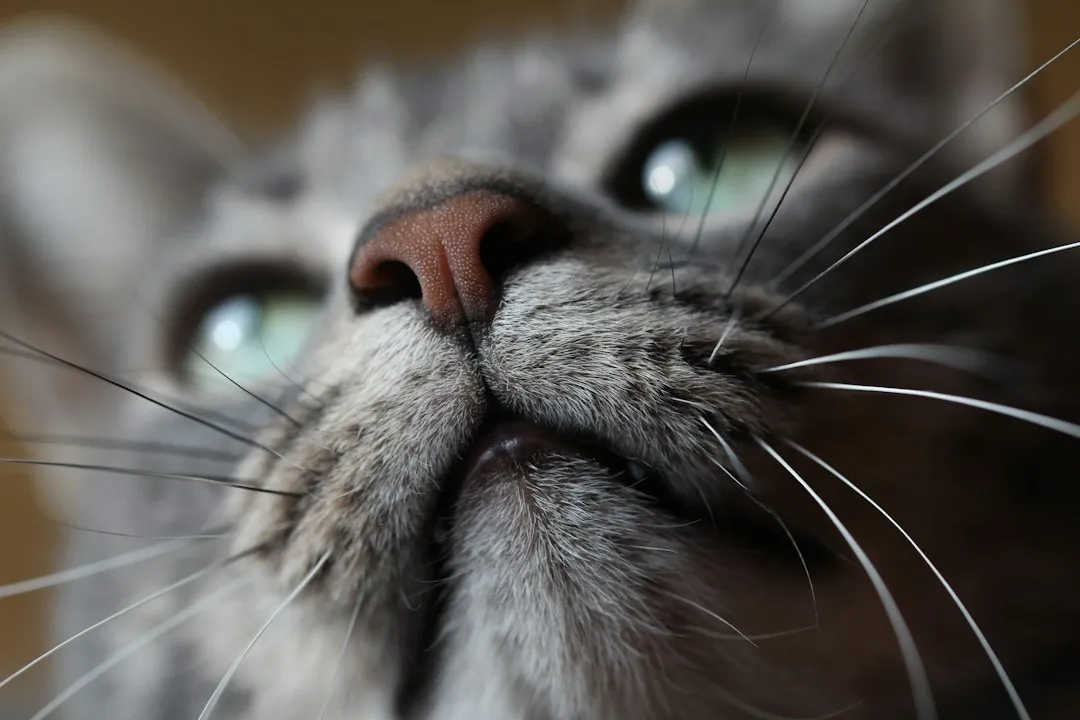
Cats have roughly 200 million scent receptors in their noses, compared to about 5 million in humans. That’s not a small gap – it’s a fundamentally different way of experiencing the world. Where you might notice a faint smell, your cat is reading an entire paragraph of information.
While cats primarily recognize their owners by voice, scent is almost equally important. To a cat, your body odor is as unique as your fingerprint, so there’s no masking your aroma. Not even layers of cologne or deodorant can fool them. No matter how much antiperspirant you wear, a cat’s nose cuts through the fragrances.
A 2025 Study Confirmed Cats Recognize Their Owner’s Scent
Researchers investigated whether cats are able to distinguish between familiar and unfamiliar humans based on smell alone. They tested thirty domestic cats by presenting them with plastic tubes containing swabs rubbed under the armpit, behind the ear, and between the toes of either their owner or a human they had never met.
Behavioral analysis revealed a strikingly consistent pattern: cats spent significantly longer sniffing the unfamiliar human odor than either the odor of their owner or an odorless control tube. This observation strongly suggests that cats possess a keen ability to detect and discriminate human scents, responding with heightened curiosity towards novel olfactory information.
The differential sniffing duration provides direct behavioral evidence that cats recognize their owners by smell and treat strangers as intriguing anomalies in their environment. Published in PLoS ONE in May 2025, the study adds weight to something cat owners have observed for years. Research over the past decade shows that cats form long-lasting olfactory memories. Kittens deprived of their mother after weaning still preferred their mother’s body odor as adults, indicating a stable recognition of familiar scents.
Your Clothes Are a Safe Harbor When You’re Away
Your worn clothing carries your unique scent, and to your cat, that scent signals safety. When cats lie on your dirty clothes, they’re surrounding themselves with the smell of someone they trust, especially when you’re out of the house or in another room.
The scent of their owner helps reduce anxiety. Clothes act like a cozy spot that soothes their stress. This is especially noticeable with cats that are closely bonded to one particular person. The clothes become a stand-in presence – familiar and stable.
Blankets, clothing, or bedding with your scent can reassure your cat while you’re away. Familiar smells often provide a sense of security, helping reduce separation anxiety. Many vets and behaviorists now recommend leaving a worn garment out for cats that struggle when left alone.
Territory Marking Is Part of the Picture Too
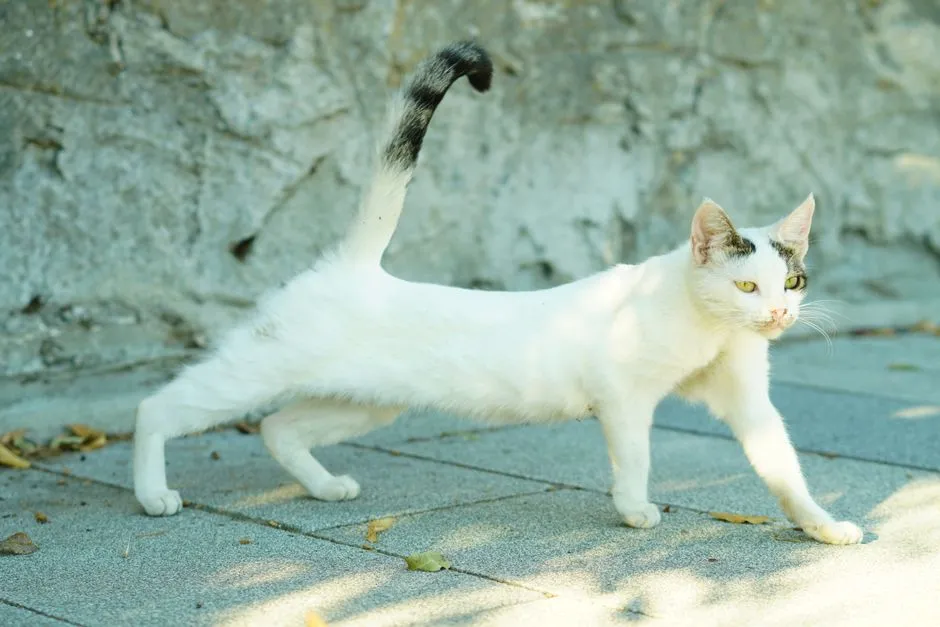
Cats possess scent glands on areas such as the cheeks, chin, forehead, and base of the tail, and they deposit pheromones when rubbing or rolling on objects. Animals like cats produce pheromones that other cats can detect, which can communicate information about the cat’s presence.
By rolling around in your clothes, your cat may be depositing scent from these glands onto the fabric. This adds the cat’s scent to an item that already smells familiar. This behavior may help the cat create a mixed scent profile that is familiar within their environment.
When they sit or lie down on your clothes, they might also be marking their territory by leaving their scent behind. This behaviour can be especially prevalent in cats who feel the need to assert ownership over their owners. If they smell your scent on clothes, they may feel it necessary to add theirs as well. It’s less about possessiveness and more about building a shared, comfortable scent world.
Warmth Is a Powerful Draw
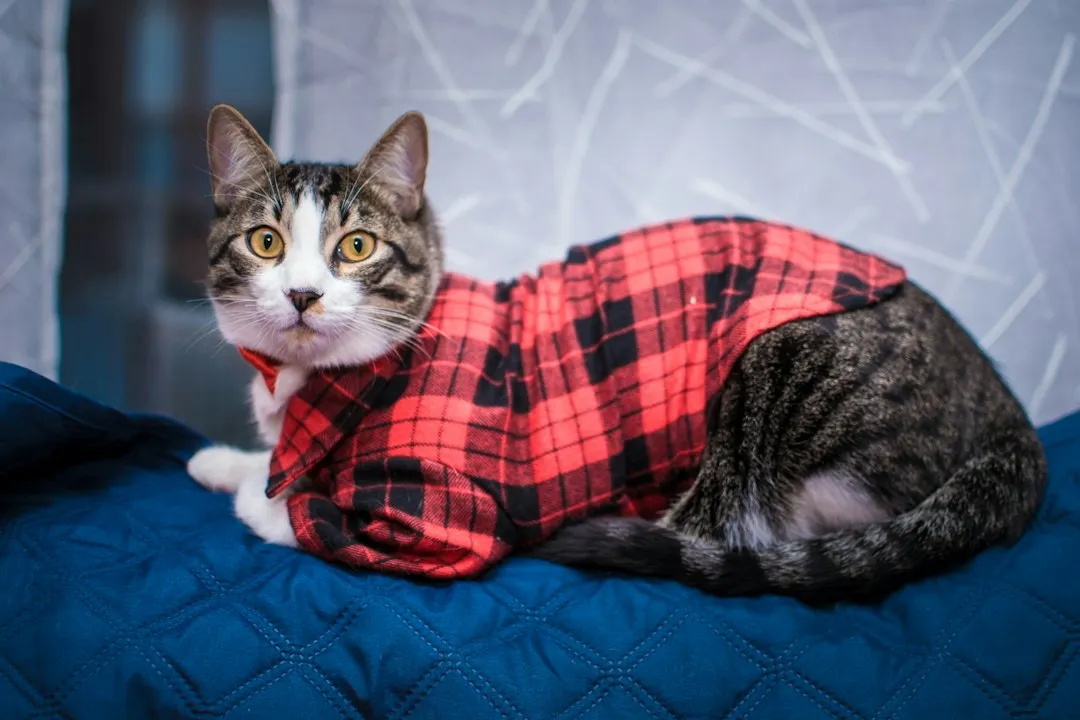
Cats are drawn to warmth. Human clothing is designed with trapping body heat as its primary focus, therefore making it relatively attractive to your cat. Especially in the case of clothes fresh from the dryer, or clothes that were just worn, cats might be heavily drawn to finding a nice comfy spot on your warm t-shirt.
Clothes you’ve just taken off are warmer than almost anything else in the room – they’ve been against your body for hours. That residual heat, combined with the concentration of your scent, makes them almost irresistible from a cat’s perspective. It’s really the perfect combination of signals all in one pile of fabric.
The Texture Factor: Nesting Instincts at Work
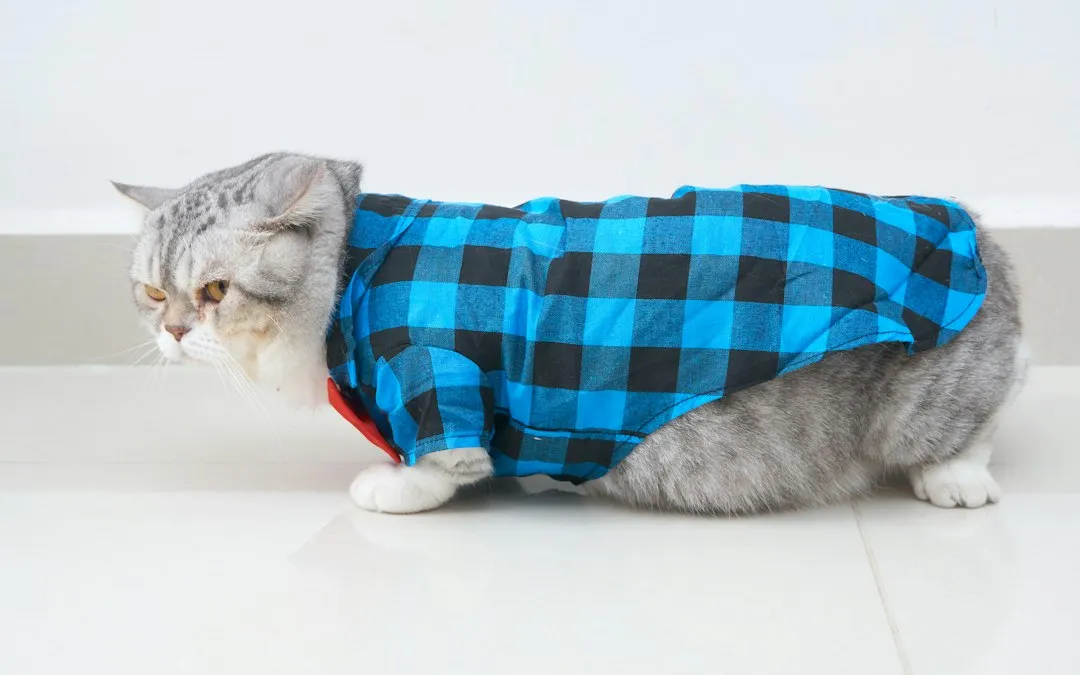
Cats are natural-born comfort seekers. The scent of your worn clothing provides contentment, and the clothes may also be comfortable in a tactile sense. Soft, pliable fabrics like cotton or fleece closely mimic the kind of nesting material cats instinctively look for.
Your cat may use your clothing as a pillow or mattress. Cats may not enjoy dozing on the floor as it’s too hard. By lying on clothing, your cat has an additional barrier of protection. A rumpled shirt on the floor is, from a cat’s point of view, a perfectly constructed nest.
Some Cats Prefer Your Clothes Over Your Lap
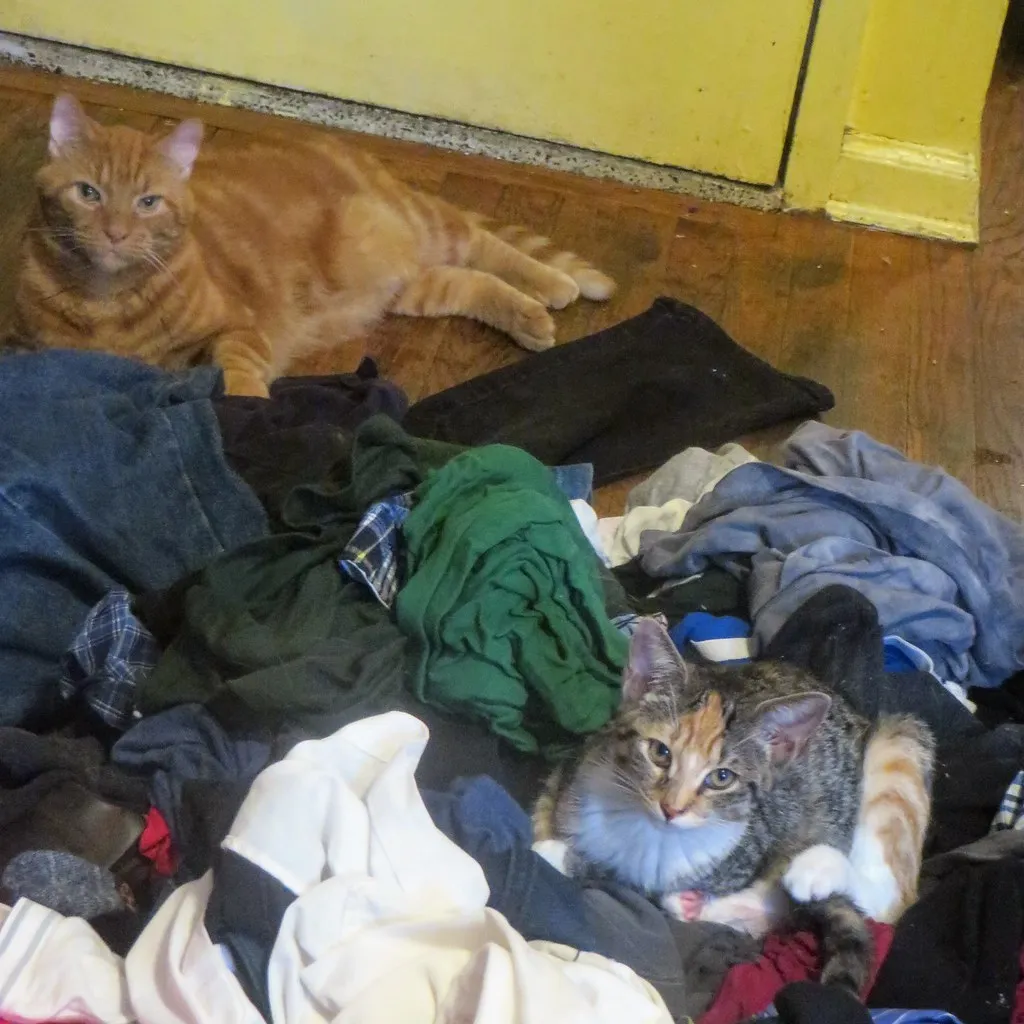
Some cat owners notice their cat will sleep on a pile of their clothes, but won’t curl up directly on their lap. Cats who prefer your clothes over your body are often seeking your scent without the unpredictability of a moving, breathing human.
Your lap shifts position, generates sounds, and eventually stands up. A pile of clothes stays put, stays warm, and smells like you without any surprises. For more cautious or less physically affectionate cats, this is actually the ideal form of closeness – connection on their own terms, at their own pace.
It Can Be a Form of Social Bonding
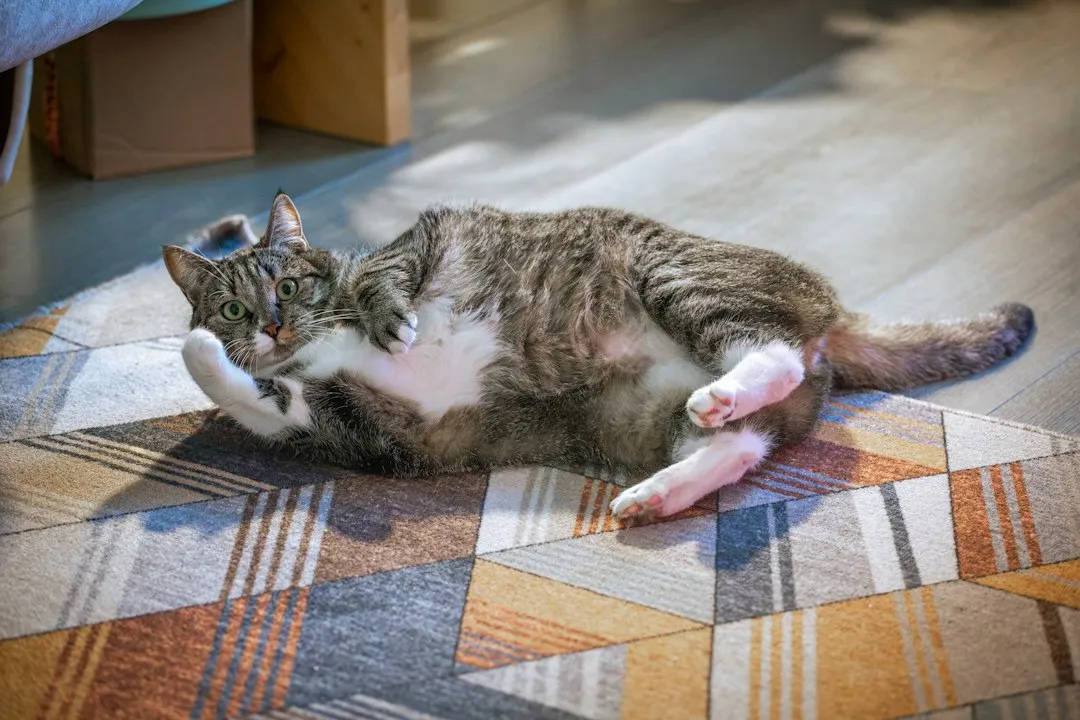
By sitting or lying on your clothes, smelling your scent and feeling familiar material, your cat may feel comfort and familiarity with you. It can be a way of bonding and showing affection, especially if they purr or knead your clothes.
Clothing that has been worn carries a person’s individual scent, making it noticeably different from freshly cleaned bedding or an unfamiliar surface. Familiar smells can contribute to an environment that feels predictable and comfortable, particularly when the clothing belongs to someone the cat regularly interacts with positively.
Curiosity and Information Gathering
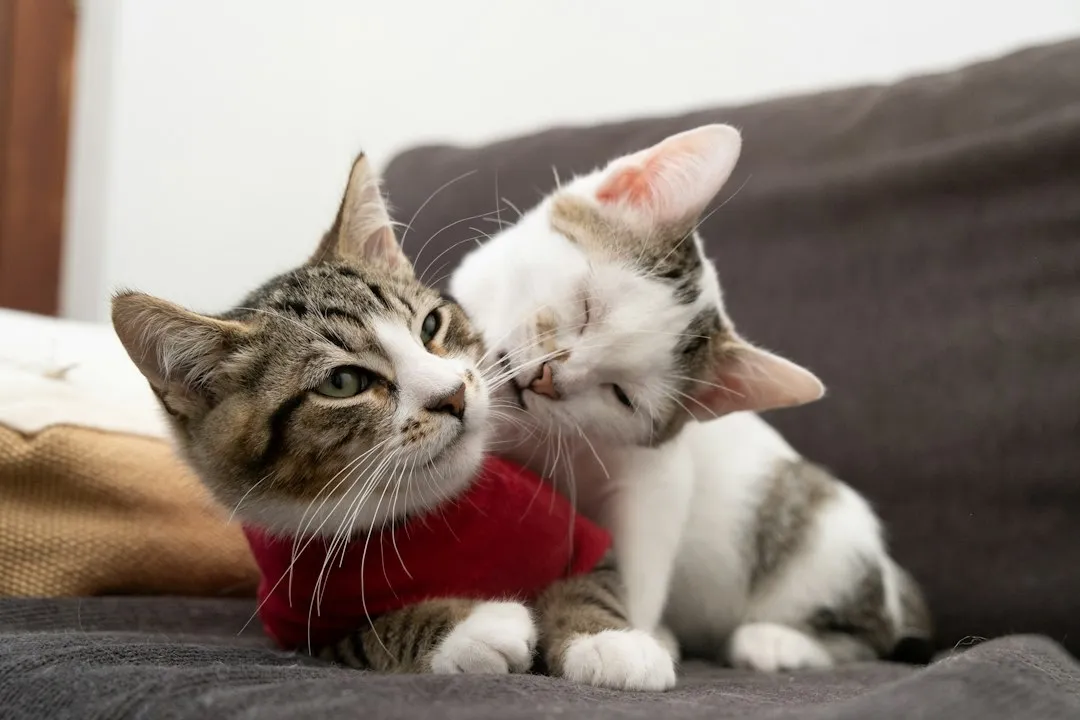
When you get back home, your cat will note all the scents on your clothing and want to inspect them. Even if there are several scents present, the cat will still be able to distinguish between them. This is down to their fine-tuned sense of smell. They can perceive all the scents separately and gain information about what you have been up to.
Smells from work, stores, or even other animals linger on your clothes and give your cat a sensory snapshot of your world outside the home. Lying on your clothes isn’t just comfort – it’s also a form of investigation. Your cat is, in a very real sense, catching up on where you’ve been.
When the Behavior Signals Something More
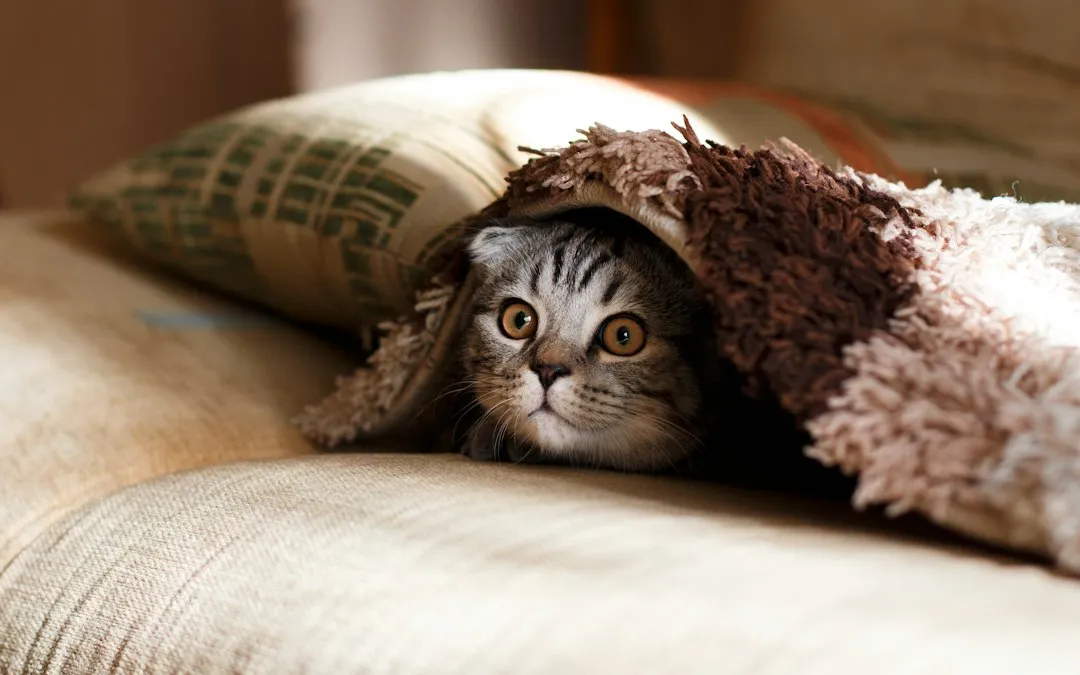
Most of the time, sleeping on your clothes is completely benign. Occasionally, though, the behavior can intensify to a point worth paying attention to. A cat may urinate or defecate on the cat owner’s bed or on clothing belonging to that human family member. It’s easy to misread this behavior as one of spite, but it’s really a way for the cat to self-soothe by mixing their scent with yours.
Separation anxiety, a condition that occurs when symptoms of anxiety develop in a pet when they are separated from their owners or caregivers, is more commonly associated with dogs than cats. This may be because signs of attachment and separation anxiety are more obvious in dogs, but this condition does occur in cats, although symptoms of anxiety are often more subtle.
The signs of cat separation anxiety cluster around vocalization, inappropriate elimination, overgrooming, destructive behavior, and changes in eating. According to International Cat Care, excessive meowing or crying and urinating or defecating outside the litter box, often on the owner’s bed or clothing, are among the most commonly reported separation-related signs in cats. If the clothing obsession comes with these other signs, a conversation with a vet is a reasonable next step.
The Takeaway
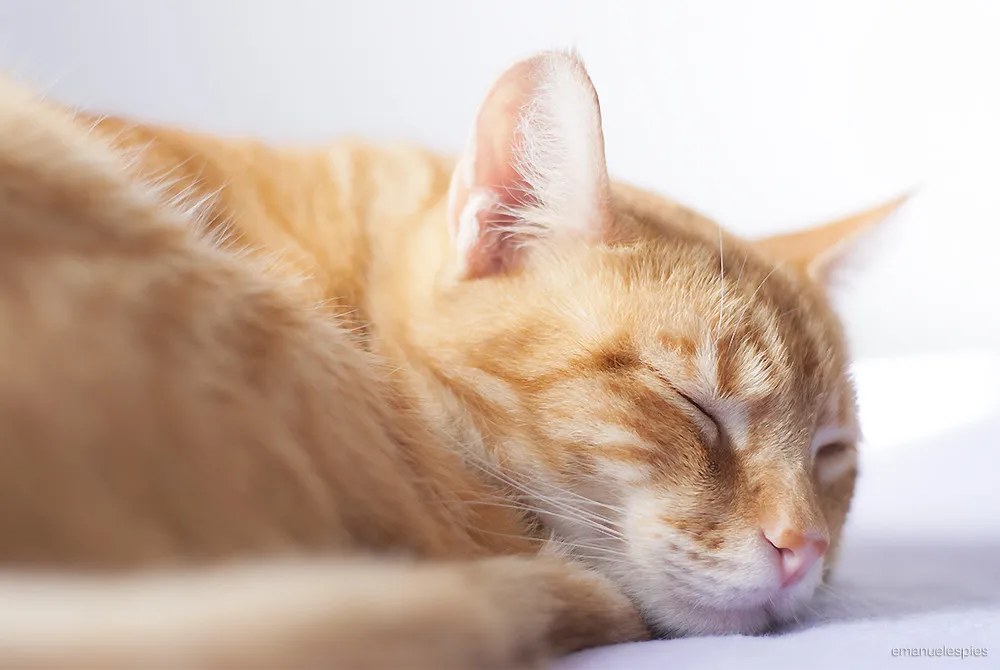
There’s nothing accidental about where a cat chooses to rest. Cats are creatures of scent, warmth, and routine. When your cat sleeps on your clothes, they’re responding to a combination of sensory cues and emotional needs that go back to their earliest instincts. It’s biology, comfort-seeking, and attachment all folded into one.
The next time you find a cat-shaped dent in your discarded hoodie, it’s worth taking it for what it is – a quiet, undemanding expression of trust. Your cat isn’t making a mess. They’re just staying close to the person they feel safest with, in the only way that makes complete sense to them.
AI Disclaimer: This article was created with the assistance of AI tools and reviewed by a human editor.