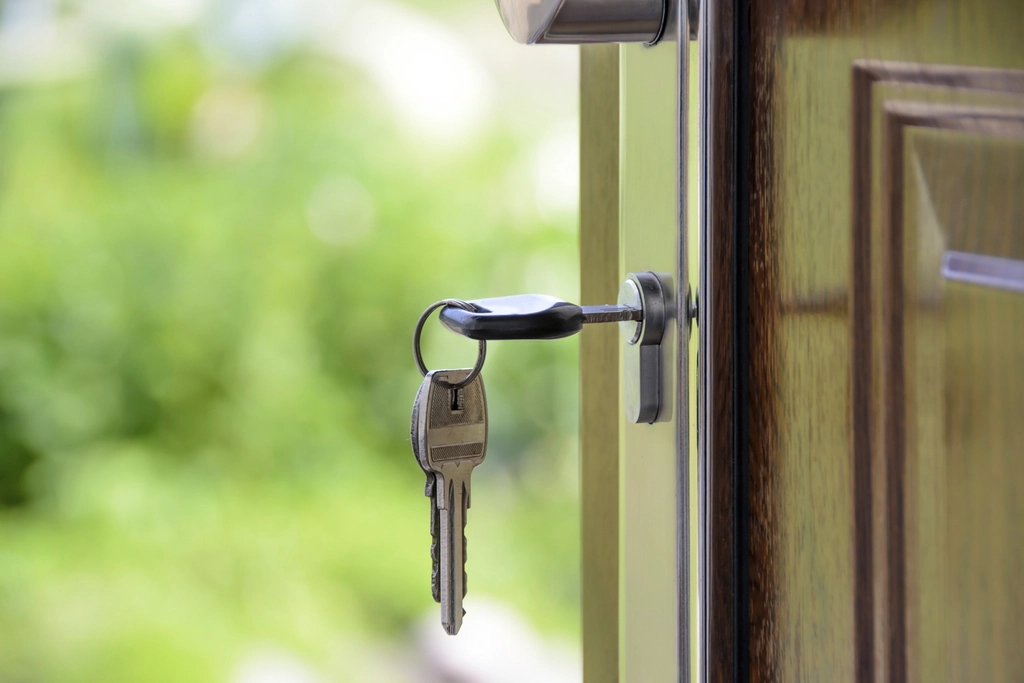

The Hidden Danger of the Doormat Key
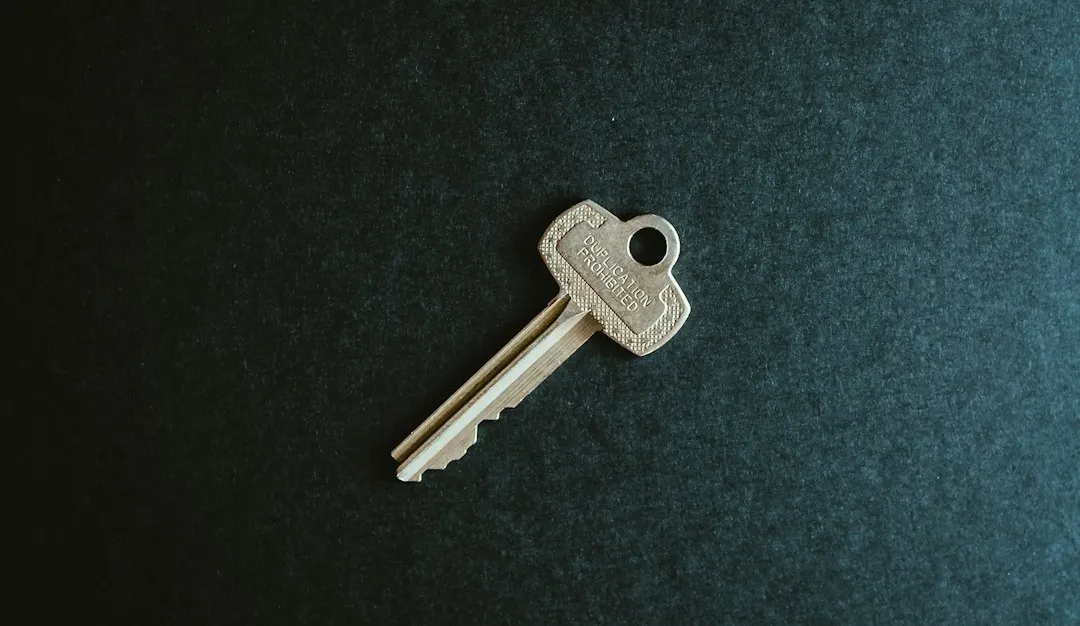
It’s the oldest trick in the book, and burglars know it just as well as you do. Spare keys can create a real security weakness when not managed carefully, and many of the hiding places people consider “secret” are actually the first locations an opportunistic burglar will check. For an elderly parent living alone, this vulnerability is compounded because they may be less able to respond quickly if someone enters uninvited.
Common spots such as under the doormat, inside the mailbox, beneath a flowerpot, or on top of the door frame are the first places intruders check. If someone regularly retrieves a hidden key, a burglar watching the home may notice the pattern. If someone with bad intentions finds the key, they can easily make a copy and return later. That last risk is particularly unsettling when your parent has no idea it has happened.
Why Aging in Place Makes the Stakes Higher

According to AARP’s 2024 Home and Community Preferences Survey, roughly three in four adults aged 50 and older want to remain in their current homes as they age. For many seniors, aging in place isn’t just a preference – it’s essential for their well-being. That means the home becomes the center of everything: safety, comfort, daily routine, and medical care.
While aging in place can significantly improve quality of life, it also presents real challenges. As physical and cognitive abilities decline, everyday tasks become more difficult, and homes can become unsafe without proper modifications and support. A spare key that works perfectly fine for a healthy homeowner can become a critical gap in safety planning for someone who is older and more vulnerable.
Falling Alone With No One Who Can Get In

Falls are the leading cause of fatal and nonfatal injuries among older adults, and the majority happen at home. According to the CDC, roughly one in four adults aged 65 and older falls each year, with more than half of fall injuries occurring inside the home. When a fall happens and emergency access isn’t clearly arranged, every minute counts in a very literal way.
Getting back up after a fall is a genuine challenge for older adults, regardless of whether they injure themselves. Research suggests that almost half of those who fall cannot get up without help. Being stuck on the floor and unable to call for help can be deeply distressing, and it can also lead to what’s known as a “long lie.” A long lie puts someone at increased risk of developing dehydration, hypothermia, and pressure injuries.
The “One Trusted Neighbor” Problem
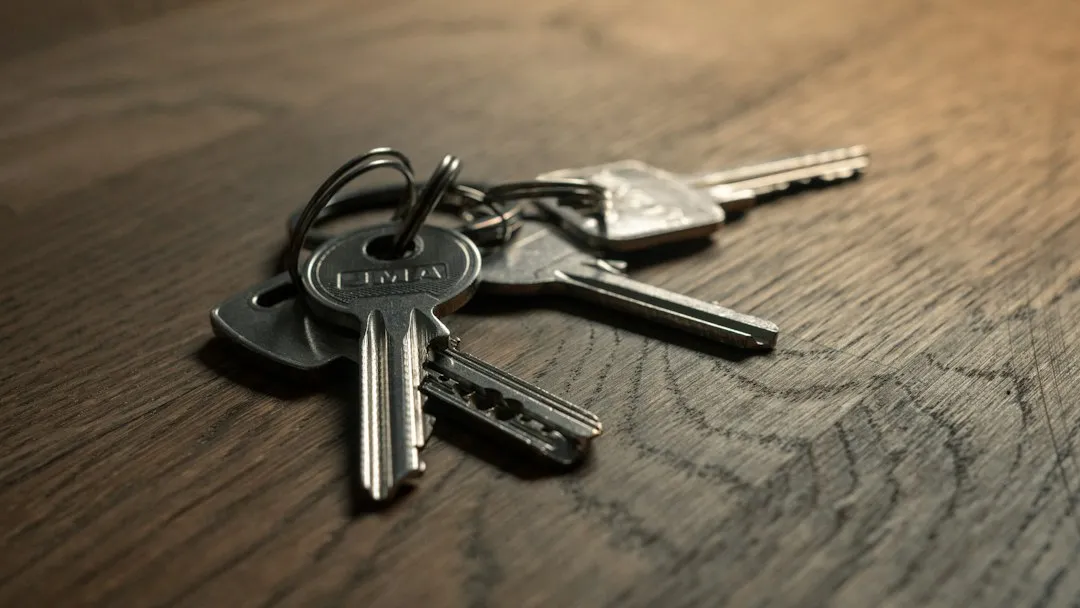
One common solution families reach for is ensuring a trusted neighbor has a spare key and will be able to help. Another option, recommended by many adult social care services, is to fit a key safe. Both approaches have real merit, but the neighbor solution carries a quiet flaw most families don’t consider until it’s too late.
Neighbors move. They travel. They’re not always home when the emergency call comes in. Relying on a single person who holds the only spare key is a single point of failure in a system that genuinely cannot afford one. The solution isn’t to distrust neighbors, but to not treat one neighbor as the entire plan.
What Families Forget to Plan For
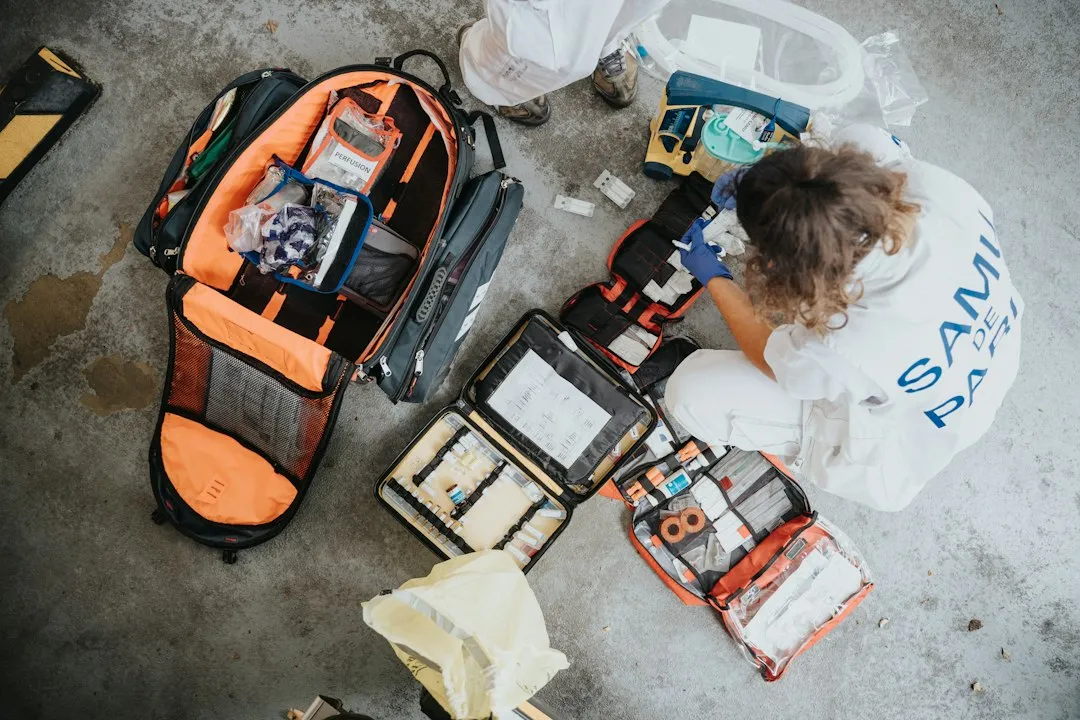
Many families forget to plan for ongoing safety assessments and necessary home modifications as needs change. They often overlook creating detailed emergency plans, updating emergency kits, and knowing how to shut off utilities in a crisis. Accessibility features may be ignored until an accident actually happens. Without these preparations, daily activities can become risky and stressful.
Most emergencies involving an aging parent are not dramatic. What turns these situations into crises is often not the event itself, but the lack of a clear plan. The spare key is one small but symbolic piece of a much larger puzzle that too many families leave unfinished.
Visible Key Safes Can Create Their Own Risk
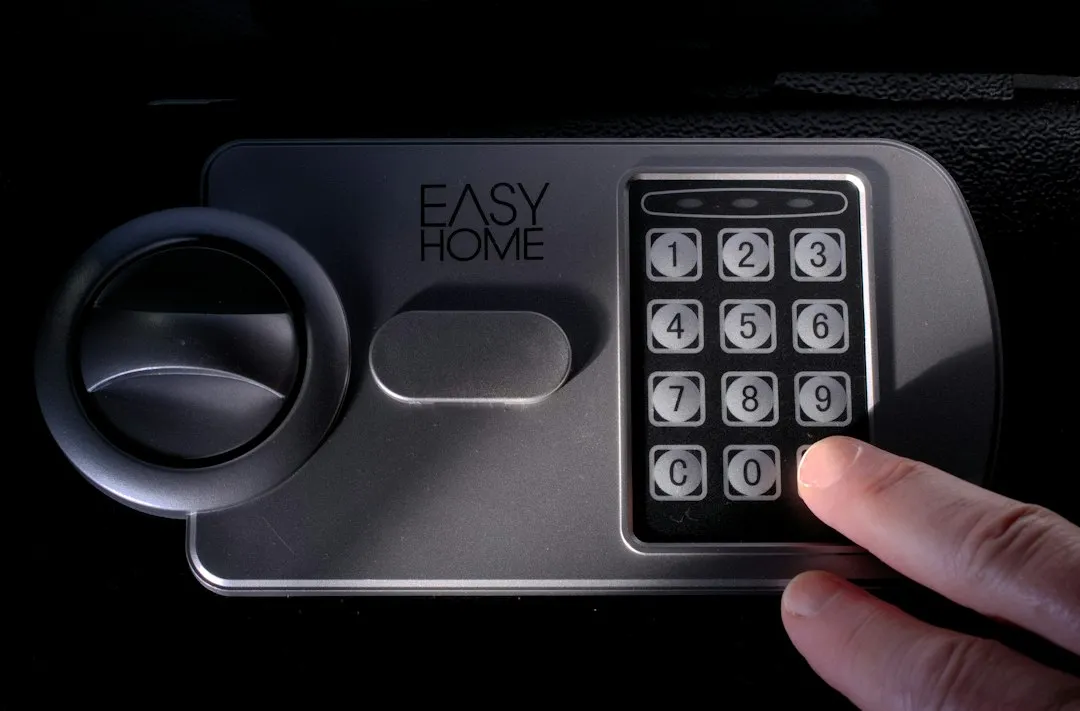
Key safes are widely recommended as an upgrade over a hidden key, and for good reason. A key safe provides a place to secure door keys outside with a combination lock that gives access to those who hold the code. For caregivers, family members, and emergency services, this offers a genuine improvement over hoping someone has a key tucked in their wallet.
The catch is placement. A key safe in plain sight can be a target for burglars, as police have warned. Breaking into the safe can provide the key to the door, compromising a home security system and possibly causing home insurance problems. The fix is straightforward: choose a discreet mounting location, away from the main entrance and out of clear sightlines from the street.
Smart Locks as a Modern Alternative
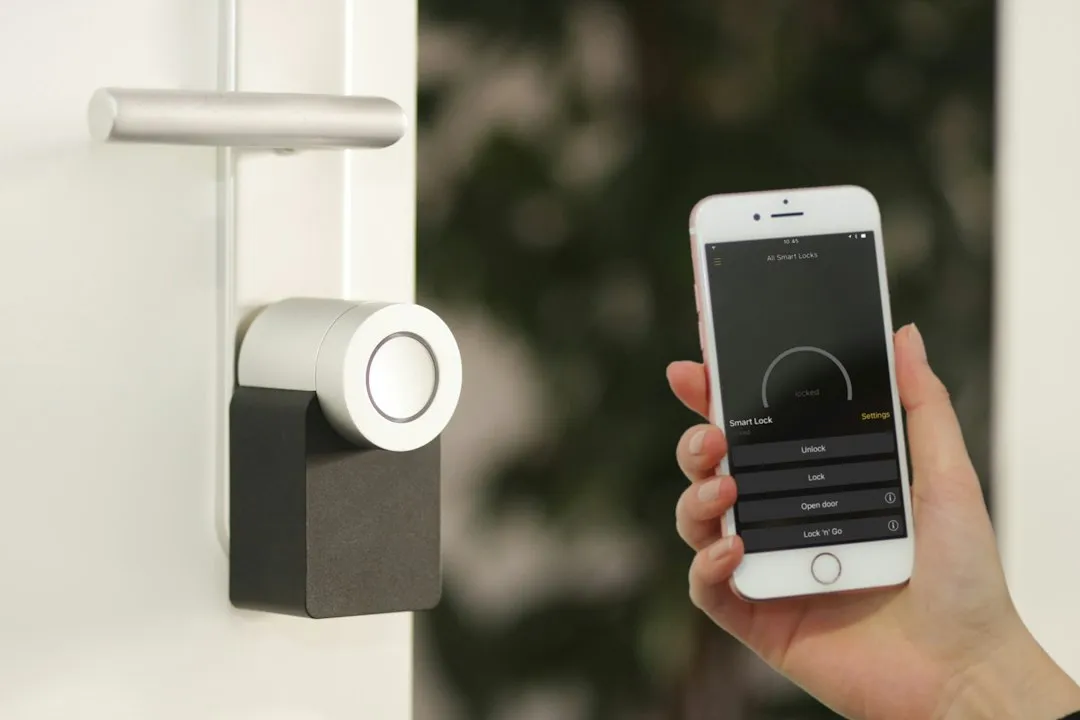
Smart locks are an increasingly popular option. Depending on the system, homeowners can grant and revoke access remotely, issue temporary digital credentials, and monitor entry activity. For adult children managing care from a distance, this kind of remote visibility is genuinely reassuring rather than just a tech novelty.
Many smart locks allow you to assign personalized access codes and create temporary codes that automatically expire after a specific date or time. That’s a meaningful advantage when a home health aide, a repair person, or a relative from out of town needs one-time access without receiving a physical key that could be lost, copied, or forgotten about.
The Risk of Too Many People Having Access
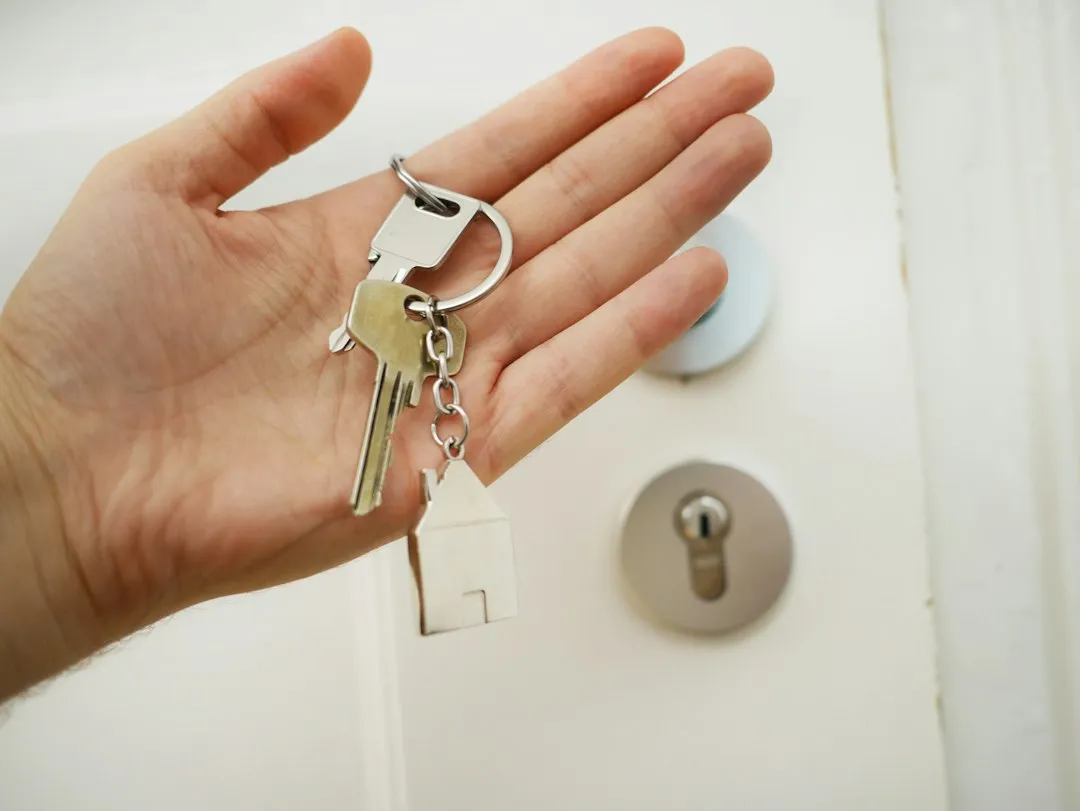
Families often overcorrect. After one scare, spare keys get handed out to siblings, neighbors, a church friend, and a cleaning service. The problem swings from too little access to too much, and too little accountability. Making sensitive home information readily accessible to hired caregivers puts older adults at greater risk of exploitation.
The right approach isn’t generous or stingy. It’s deliberate. A clear, short list of who has access, in what form, and under what circumstances is far safer than a collection of copied keys floating around the community. Reviewing that list once a year, or after any major change in your parent’s care, takes less than ten minutes.
Emergency Responders Need to Get In, Too

Disasters can leave older adults without essential information and supplies they need, such as prescription lists, financial records, medical devices, and contact information to reach family, friends, and neighbors who could help. Emergency responders face the same barrier: if there’s no clear plan for access, they may lose precious time outside a locked door.
The U.S. Administration on Aging notes that although the exact nature of an emergency cannot be predicted, there are preparations that apply to almost any kind of disaster. One of the most basic is ensuring that the right people, including first responders, can physically reach your parent when it matters. Some families register with local emergency services specifically so responders know a vulnerable person lives at that address.
Having the Conversation Before You Need To

End-of-life care and emergency planning are topics few people like to think about, let alone discuss. Avoiding the subject entirely can have devastating consequences for the entire family. The spare key conversation is actually one of the gentler entry points into this broader discussion, because it’s practical and concrete rather than emotionally charged.
Clear procedures are what separate a plan that works from one that sits in a drawer. Having a rehearsed response removes the guesswork. Sit down, agree on who has access, decide on the method, write it down somewhere shared, and revisit it as circumstances change. It doesn’t have to be a difficult conversation if you frame it as preparation rather than prediction.
Final Thoughts
A spare key is a small object that carries a larger responsibility than most families give it credit for. The mistake isn’t usually having one or not having one. It’s the absence of any real thought about who holds it, how it’s stored, and what happens in the moments when it actually matters.
Getting this right doesn’t require complicated technology or expensive solutions. It requires a conversation, a plan, and a willingness to revisit that plan as your parent’s needs change. The families who do this tend to find that it reduces anxiety on all sides, not just in an emergency but in the ordinary rhythm of caregiving too. That alone makes it worth the hour it takes to sort out.
AI Disclaimer: This article was created with the assistance of AI tools and reviewed by a human editor.